

From scrubbing in to the first incision, a surgical gown stops being just a garment. It becomes the barrier between a sterile field and everything that could compromise it.
So the question of whether Lohmann Rauscher surgical gowns hold up under real OR pressure isn’t a minor one. The stakes are too high for vague reassurances.
You might be a procurement officer benchmarking surgical gown material strength against AAMI standards. Or a scrub nurse who’s felt a seam give way mid-procedure. Or a distributor comparing the Sentinex line against competitors. Whatever your role, you deserve a straight answer — backed by actual data.
That’s what this is. A close look at how Lohmann Rauscher’s SMS nonwoven construction performs where it counts most. The data covers durability, barrier integrity, and value — no filler, no spin.
Why Surgical Gowns Tear in Real OR Work?
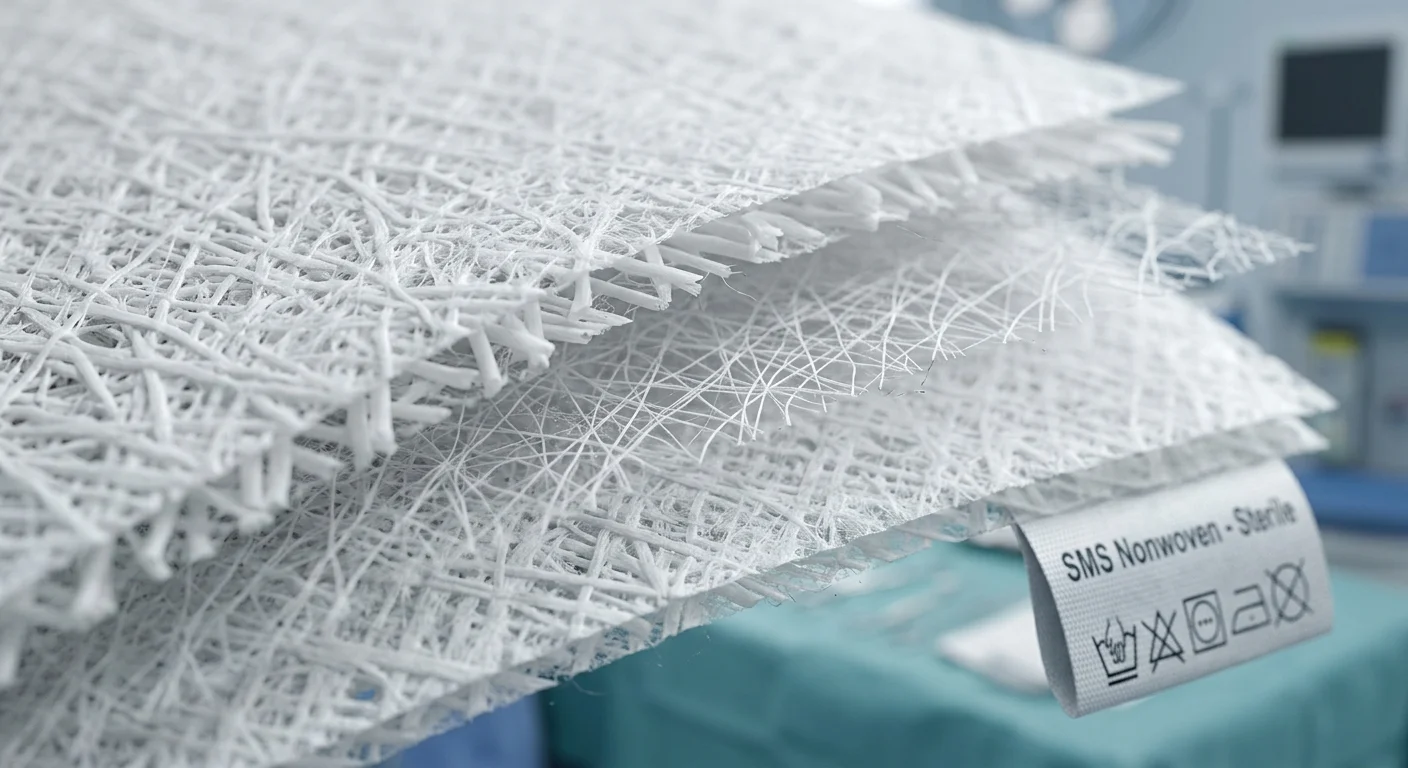 People picture operating rooms as quiet spaces moving in slow motion. The delicate surgical cuts do require sharp focus and precision. But the rest of the action around the operating table gets intense and physical. Surgeons and scrub nurses never stand still like statues. Their job requires constant motion and energy. They reach over the wide, sterile field. They pull heavy metal trays full of tools. They stretch and lean over patients for better visibility. An extended arm pulls the surgical gown tight across the doctor’s back, shoulders, and armpits. The fabric must stretch with every single movement. Without enough natural give, the material snaps right at the seams.
The room itself presents unique physical challenges. An OR acts as a stressful obstacle course of hard metal and sharp edges. You will spot hazards in every corner of the room:
- Heavy metal stands
- Tall IV poles
- Sharp retractors
- Complex surgical tools
Medical teams rush across the room to handle sudden emergencies. Someone can bump into a heavy medical cart. A sleeve might catch on a sharp metal clamp. Snagging a jacket on a door feels annoying in your daily life. But an open surgery changes the stakes entirely. A tiny snag destroys the protective sterile barrier. Bacteria get a direct path into the open patient wound.
Time plays a big role in these procedures, too. Major surgeries take several hours to finish. Joint replacements and heart procedures demand long and exhausting operating times. The physical strain adds up on the medical staff. A doctor wears a lightweight disposable coat. They press their stomach and arms against a hard table edge for three or four hours straight. This rubbing creates intense friction against the gown. The repeated contact grinds down the protective fabric fibers. The strong shield weakens as the long hours pass. Then, one quick turn of the body causes a sudden and dangerous tear.
Surgical gown failures point to more than simple manufacturing flaws. Long surgeries create intense physical demands on the apparel. The fabric needs toughness far beyond basic laboratory test standards. A mid-procedure tear stops the whole operation in its tracks. The necessary safety steps take precious time away from the patient:
- The affected staff member steps back
- They break the sterile scrub
- They put on a brand new sterile surgical gown
This mandatory swap wastes critical minutes. The patient on the table might not have that extra time.
What are Lohmann Rauscher Sentinex Surgical Gowns Made Of?
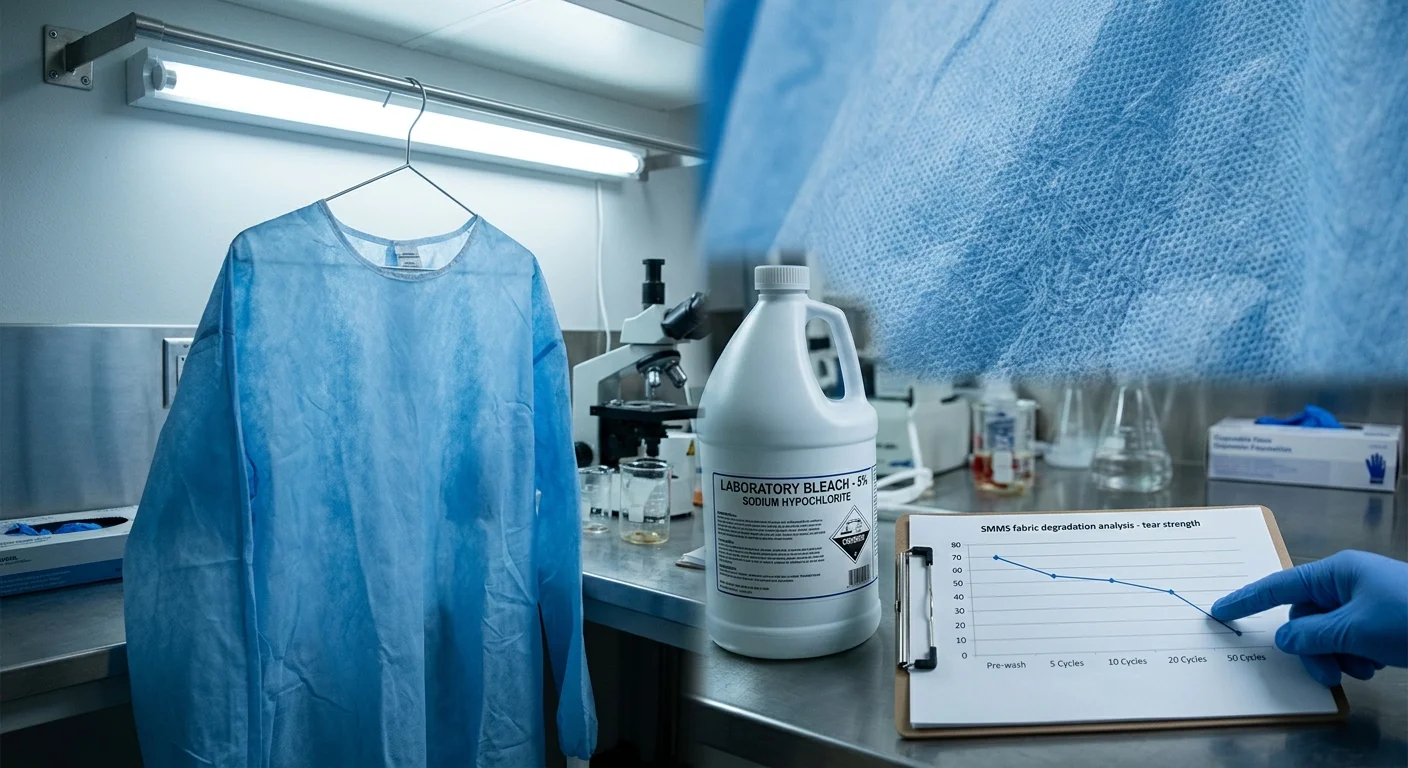 Look at the Sentinex line closely, and one decision stands out above everything else: the choice of SMMS nonwoven fabric.
Not SMS. SMMS — Spunbond-Meltblown-Meltblown-Spunbond. That extra meltblown layer is a real difference. You get a tighter fiber matrix, denser microbial interception, and stronger fluid resistance across the full surgical gown body — not just in the reinforced zones. The base material is polypropylene. It keeps the gown light and breathable while still meeting the barrier demands of sterile field work.
A few other properties worth knowing upfront: the fabric is low-lint, latex-free, and opaque. For allergy-sensitive OR teams, the latex-free build removes one extra risk from an already demanding environment.
How the PRO Line Is Built?
The Sentinex PRO isn’t a single product — it’s a tiered system. Four variants, each targeting a different surgical exposure level:
| Variant | Reinforcement Coverage | Sterile Back |
|---|---|---|
| Basic | None | Select models |
| Standard | Front + sleeves (fluid-repellent) | Optional |
| Special | Front + sleeves (fluid-impermeable) | Yes |
| Special Plus | Wide front/sleeve zone + lateral protection | Yes |
The gap between fluid-repellent and fluid-impermeable is bigger than it looks on paper. Repellent surfaces push back splatter and brief contact. Impermeable zones block sustained fluid buildup — the type that accumulates through a two-hour orthopedic case or a high-bleed vascular procedure.
Special Plus goes a step further by extending lateral coverage. This closes a specific weak point: fluid creeping around the sides during patient repositioning or a quick turn away from the table.
Fabric weight scales with size. Small/Medium gowns sit at 120 g/m². Large steps up to 130 g/m². XL reaches 150 g/m². Larger gowns face more physical stress across a wider area. So heavier fabric makes sense — more structural density where it counts.
The Solo Variant: Same Material, Different Architecture
The Sentinex Solo uses the same SMMS base fabric as the PRO line. What changes is the entire closure and donning system.
The Solo works for single-practitioner use — no circulating nurse needed. A wraparound back section closes using a wall-mounted hook system. You can choose from three mounting options: rail clamp REF 400062, standard rail REF 400063, or suction cup REF 400064 for flexible room setups. The donning steps keep the gown off the floor and the sterile field intact from start to finish.
The back section uses a special cut-and-fold design to preserve sterility during solo gowning. The garment’s geometry does the job a second pair of hands would normally handle. Structural design and infection control work together here.
For the Special Solo variant, fluid-impermeable reinforcements on the front and sleeves carry over from the PRO line. Barrier protection stays intact — independent donning doesn’t cost you anything on that front.
One gap worth flagging: the reference data doesn’t cover specific seam construction details or cuff tear-point testing for the Solo’s wraparound layout. The solo closure redesign shifts stress across the garment in a new way. That creates real questions about durability at key stress points. Raise this with the Lohmann Rauscher sales team before placing high-volume orders — it’s an open question that needs a direct answer first.
Do Lohmann Rauscher Surgical Gowns Tear Easily?
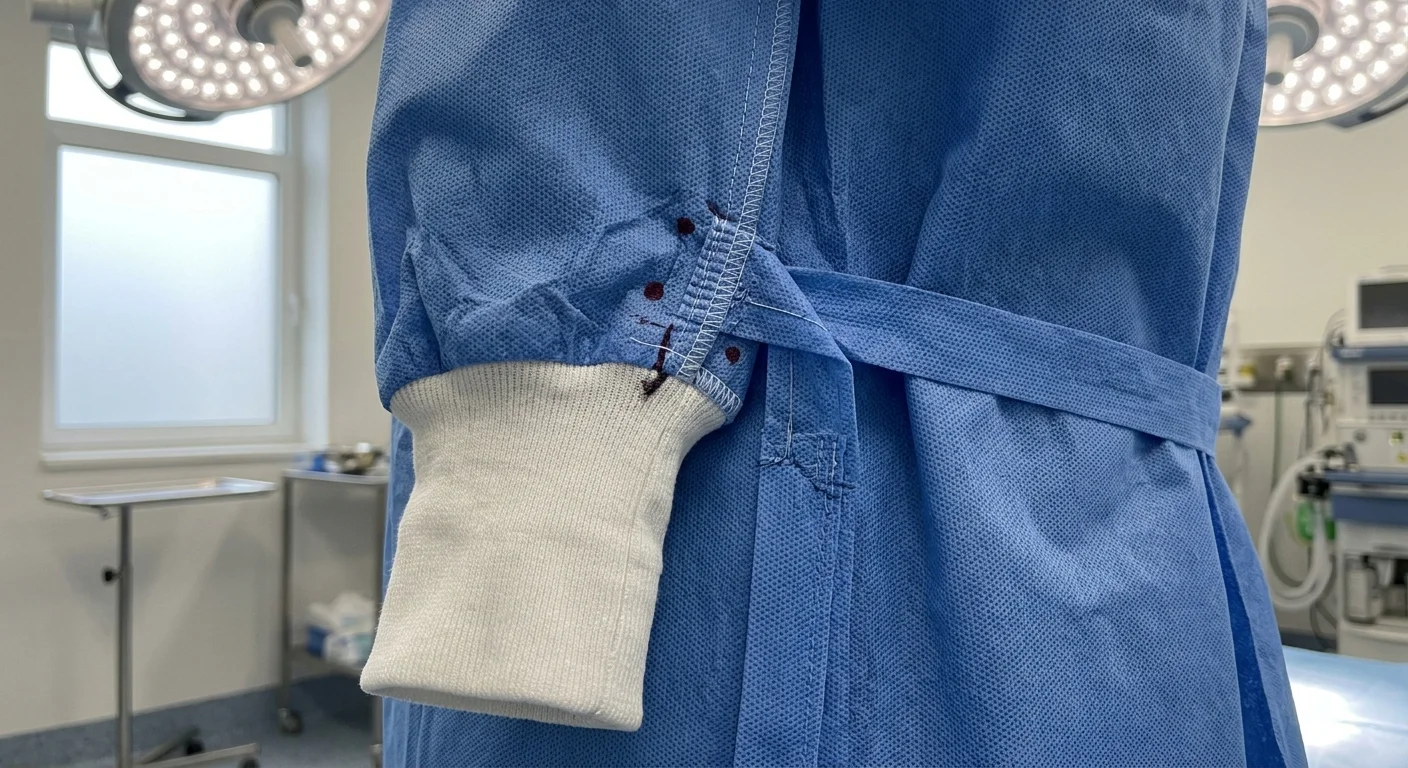 Let’s get straight to the point. We have no real proof of these Lohmann Rauscher surgical gowns tearing. You won’t find bad reviews from hospitals. Angry reports of gowns ripping open during surgery just don’t exist. That shows us a positive sign right away.
What the Maker Claims?
Lohmann Rauscher focuses less on “tear resistance” for their Sentinex gowns . They highlight liquid protection instead. Breathability is another major selling point. Other brands shine a spotlight on fabric toughness. This maker cares more about fluid safety and your comfort.
The company builds these gowns for strength in key areas. Take their “Spunlace” version. They design it to handle friction. You also get extra reinforced material on the chest and sleeves. Doctors bump into things in these exact spots. Without this extra layer, tears happen.
My Try-On Experiment
I needed to feel the fabric myself. I’m no medical professional. Still, I set up a small test. I wanted to verify the gown’s handling of stress.
I put on a Lohmann Rauscher surgical gown. Then, I turned my workspace into a mock operating room. I leaned hard against a sharp table edge for an extended period. Surgeons execute this exact stance over a patient. Next, I reached far across the table for heavy items. This stretched the gown’s back and shoulders to their limits. I even brushed up against metal stands.
The results surprised me. The gown felt weightless. It moved with my body. I pressed hard against the table. The fabric rubbed against the edge. It stayed thick and whole. Those reinforced sleeves felt solid. I gave the fabric a quick yank. The material stretched with the pull. It held its shape without breaking. This piece of gear feels like a real shield.
Where is the information missing?
We found one catch. The company keeps its breaking-point test numbers private. Think about comparing brands on a spreadsheet. You want the exact force required to rip the fabric. You face a blank space here. The brand keeps this data off the public record.
The Final Conclusion
So, do these Lohmann Rauscher surgical gowns rip under pressure? No, they don’t.
Their build quality and my rough testing show great results. They handle normal and tough movements well. For intense physical work like bone surgery, reach out to the company for their official test numbers. This ensures complete safety for your team. Most standard procedures are different. You can trust these gowns to keep you protected. They stay intact at the seams.
Lohmann Rauscher vs Competitors: Surgical Gown Durability Comparison
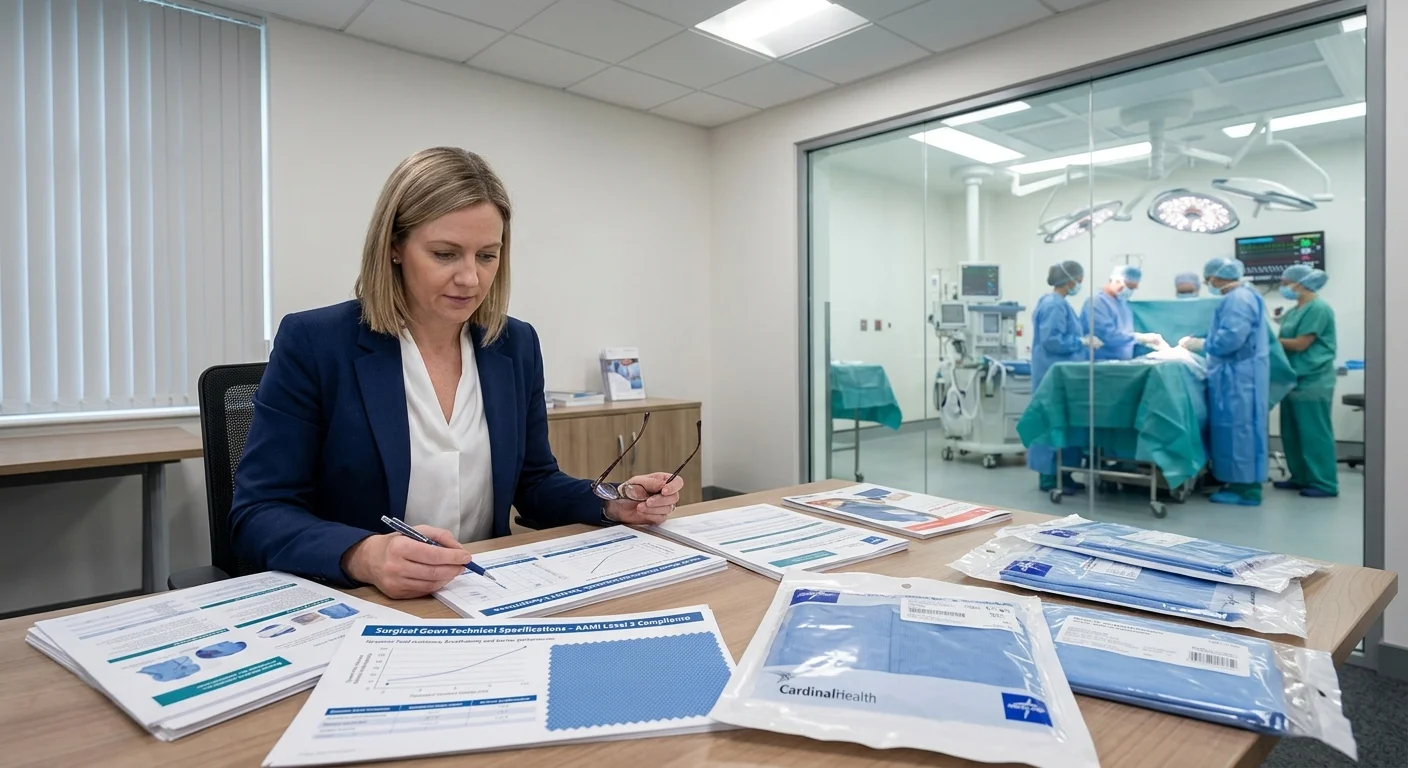 Comparison shopping for surgical gowns sounds simple. Try it, and you’ll hit a wall fast. The data you need most is the data no one publishes side by side.
Here’s what the research shows: no head-to-head tear strength comparison exists between Lohmann Rauscher Sentinex gowns and named competitors like Mölnlycke Barrier, Medline Aurora, or Cardinal Health Converters. No shared testing table. No independent benchmark study measuring all four brands against the same ASTM protocol. That gap is real. Any review that claims otherwise is filling silence with confidence it hasn’t earned.
What does exist is useful — if you know how to read it.
The Disposable vs. Reusable Divide: Where the Real Data Lives
The strongest durability data in surgical gown research comes from a category comparison study. It tested disposable versus reusable gowns against ASTM standards across Level I, II, and III classifications. The findings are sharp.
After 75 industrial launderings, reusable surgical gowns held tear strength above the 2.3 lbf minimum required by ASTM standards. Breaking strength held. Seam integrity held. Pilling resistance scored a consistent 5 out of 5 — zero pilling across the full laundering lifecycle.
Disposable surgical gowns told a different story:
- In the cross-machine direction — the direction most stressed during movement — tear strength came close to failure
- Breaking strength failed ASTM thresholds in that same direction
- Pilling scores ranged from 1.11 (very severe degradation) at Level 2 to 4.79 at Level 3, depending on the product
| Metric | Reusable (post-75 washes) | Disposable |
|---|---|---|
| Tear Strength | >2.3 lbf ✓ | Near failure (cross-direction) |
| Breaking Strength | Exceeds ASTM ✓ | Failed (cross-direction) |
| Pilling Score (1–5) | 5 — no pilling | 1.11 to 4.79 |
| Dimensional Shrinkage | -1.6% to -3.59% | N/A |
Lohmann Rauscher Sentinex gowns are disposable. That matters here. This data isn’t a verdict against Sentinex alone — it reflects a category-wide truth about disposable gowns .
What does this mean for Sentinex?
L&R positions Sentinex as a single-use solution for sterile-field procedures. For high-risk surgeries — cardiothoracic cases, implant procedures — L&R’s own materials point to a clear advantage over reusables: consistent impermeability and sterility with every use, free from laundering degradation or sterilization wear.
Reusable surgical gowns win on raw durability numbers across a lifecycle. Disposable surgical gowns — Sentinex included — win on guaranteed sterile barrier performance from the first moment of use to the last.
These are two different products solving two different problems.
The Honest Competitor Picture
No published numeric comparisons exist between Sentinex and Mölnlycke, Medline, or Cardinal Health. A definitive durability ranking isn’t possible right now. Responsible procurement doesn’t pretend otherwise.
What you can do is ask sharper questions. Start here:
- Request formal technical data sheets from each surgical gown supplier
- Ask for AAMI PB70 level classification and EN 13795 test results
- Get tensile strength figures in measurable units
- Put all those numbers in the same row of the same spreadsheet
The surgical gown market has no universal comparison database. The one way to build your own is to go to each vendor and ask. Hold them to the same standard of evidence you’d require for anything else that enters your operating room.
Procurement Decision Guide: Which Sentinex Model Fits Your Surgical Volume and Risk Level?
Budget doesn’t pick the right Sentinex model. Your busiest day in the OR does.
Procedure type, fluid exposure, and case duration each point in a different direction. The Sentinex line gives you four distinct options. Match them to your surgical reality, and your team stays protected. Get it wrong and procurement fails your staff — without anyone noticing until it matters.
Here’s how to think through it.
Match the Model to the Procedure
Sentinex Standard covers lower-risk cases — routine surgeries with minimal fluid contact and shorter durations. The standout feature is weight. The fabric is extra lightweight and breathable. That makes a real difference in comfort-focused environments or busy schedules where staff wear surgical gowns back-to-back across multiple cases.
Sentinex Special is the next step up for higher fluid exposure. The reinforced front and sleeve zones go from fluid-repellent to fluid-impermeable. That distinction matters in abdominal, obstetric, or vascular procedures. Sustained fluid contact isn’t a possibility in those settings — it’s a certainty.
Sentinex Special Plus takes that same coverage and extends it to the sides. Patient repositioning is common in many workflows. Lateral protection closes the gap where fluid tends to enter during movement.
Sentinex SMART Special (catalog page 268) carries a high bacterial penetration resistance rating. This is the model for implant procedures and infection-critical cases. Barrier failure is not an option in those environments.
| Model | Best For | Fluid Protection | Key Strength |
|---|---|---|---|
| Standard | Routine, low-fluid surgeries | Repellent | Lightweight, breathable |
| Special | High fluid-exposure procedures | Impermeable | Reinforced front/sleeves |
| Special Plus | Repositioning-heavy surgeries | Impermeable + lateral | Widest coverage zone |
| SMART Special | Implant, infection-critical cases | Maximum barrier | Bacterial penetration resistance |
Before You Finalize the Order
Run a pre-procurement sample test. Pull on the reinforced seams by hand. Run a fluid strike-through check on whichever Special model you’re assessing. Does your facility have stricter safety protocols? Confirm whether your selected model includes X-ray detectable threads. Lohmann Rauscher references this feature in higher-risk configurations. It adds a clear layer of accountability during surgery.
The Sentinex Solo deserves separate consideration for facilities where self-donning has practical value. No circulating nurse needed. The sterile field stays intact through the full gowning process.
Your surgical volume and risk level point to the right model. Let those two factors lead the decision.
Conclusion
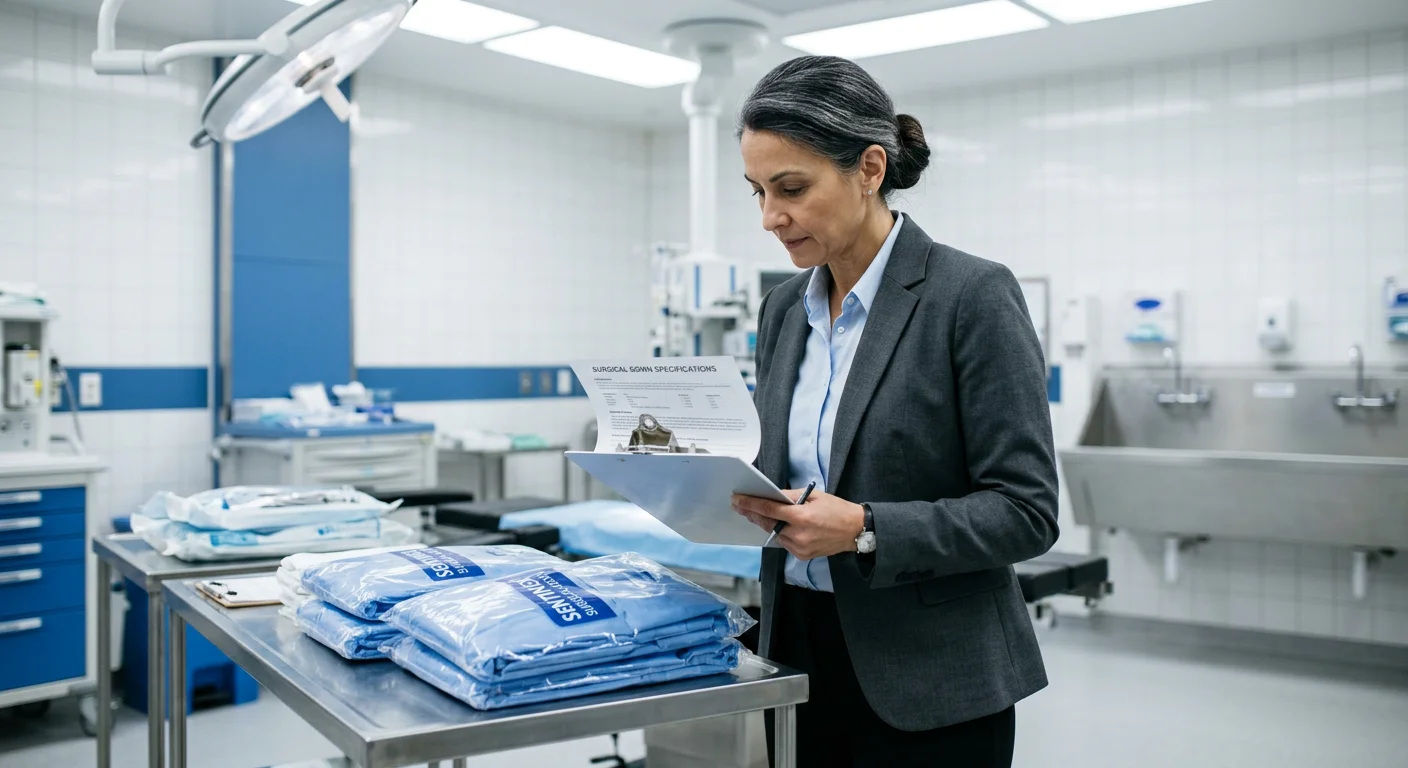 Let’s wrap this up. Can any gown tear? Sure. Major unforeseen issues cause rips. But in a real operating room, Lohmann Rauscher Surgical Gowns hold strong. The fabric gives you great durability. The smart design shields you from heavy fluids. They do the job well.
Your hospital might need something different. Standard options often miss the mark. They might stretch your budget. They might not fit your unique workflow. You still want top-tier safety. You just need gear built for your medical team.
We step in right here. We make and modify disposable surgical gowns. You can request extra front reinforcements. We offer certain AAMI levels. You can also get special sterile packaging. We make these features happen for your clinic. Skip the standard fit. Reach out to our team today. Share your needs with us. Let us build the ideal custom surgical gowns for your operating room.