

Every parent of a messy eater knows that moment — sweet potato purée in the eyebrows, on the wall, and on every surface except where it should be. You grab the nearest bib and just pray it holds. That’s where Munchkin bibs come in, and we need to talk about whether they’re up to the job.
I put these waterproof baby bibs through real mealtime chaos. Flying peas. Enthusiastic self-feeding. One very opinionated toddler. The results gave me some honest thoughts worth sharing. By the end of this, you’ll know whether Munchkin deserves a spot in your diaper bag — or a trip back to the store shelf.
What Makes a Bib Work for Messy Eaters (Evaluation Criteria)
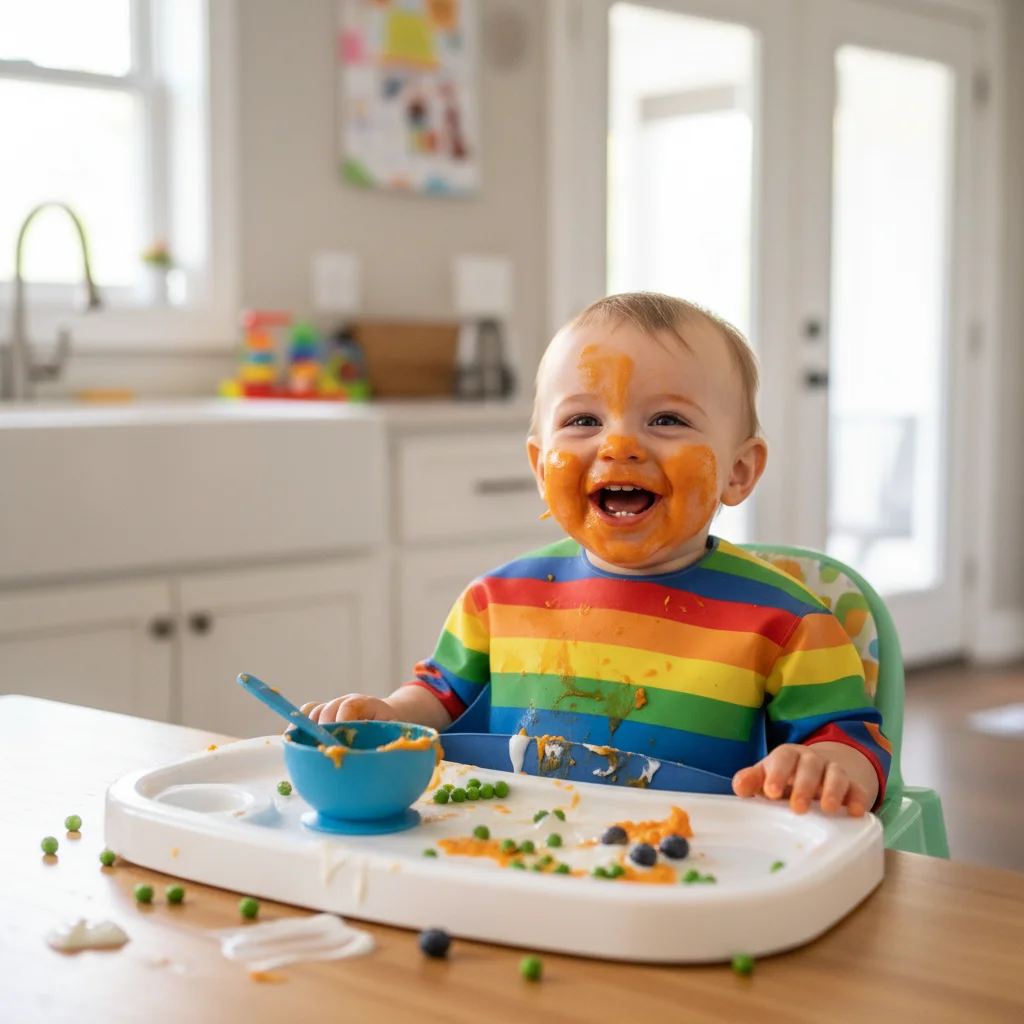
Before I get into what Munchkin does right (and where it falls short), here’s what I was looking for. “It’s cute” doesn’t cut it. Not when you’re on your fourth outfit change before noon.
The 6 Things I Tested
1. Material Safety
First thing I check: is it food-grade? For silicone bibs for babies , you want PVC-free, non-toxic material. That’s critical for infants who still mouth everything within reach. Skin reactions are more common than most brands will tell you.
2. Waterproofing
Cloth bibs fail at the collar. Every single time. Liquid seeps through the neckline. It soaks the onesie. Now you’ve got a full laundry situation on your hands. A proper waterproof baby bib should contain everything — no collar seepage, no excuses.
3. Pocket Depth
This matters more than most people think. A shallow pocket is decorative at best. You need at least 2–3 inches of depth to catch dropped food and the occasional spit-up. Deep-pocket designs (think BabyBjörn-style) can trap close to 100% of what falls off the spoon.
4. Size and Fit
An adjustable neck bib is non-negotiable for toddlers. A snug, tug-proof closure keeps the bib on during wild meals. An 11-month-old self-feeder will test that snap within the first 30 seconds. Count on it.
5. Cleaning Ease
Silicone wipes clean in under a minute. Cloth takes 10+ minutes and still smells like last Tuesday’s pasta. Easy clean baby bibs should be dishwasher-safe or a quick-rinse job — not a whole production.
6. Cost vs. Coverage
A two-pack under $15 is a fair benchmark. A good catch-all baby bib can cut mealtime mess by up to 80%. The math is simple.
| Bib Type | Mess Catch | Liquid-Proof | Clean Time |
|---|---|---|---|
| Silicone | 80–100% | ✅ Yes | Under 1 min |
| Cloth | Under 50% | ❌ No | 10+ min |
These six criteria are what I ran Munchkin bibs through — no shortcuts, no fluff. Now let’s see how they held up.
Munchkin Disposable Bibs (24-Pack): Real-World Performance Breakdown
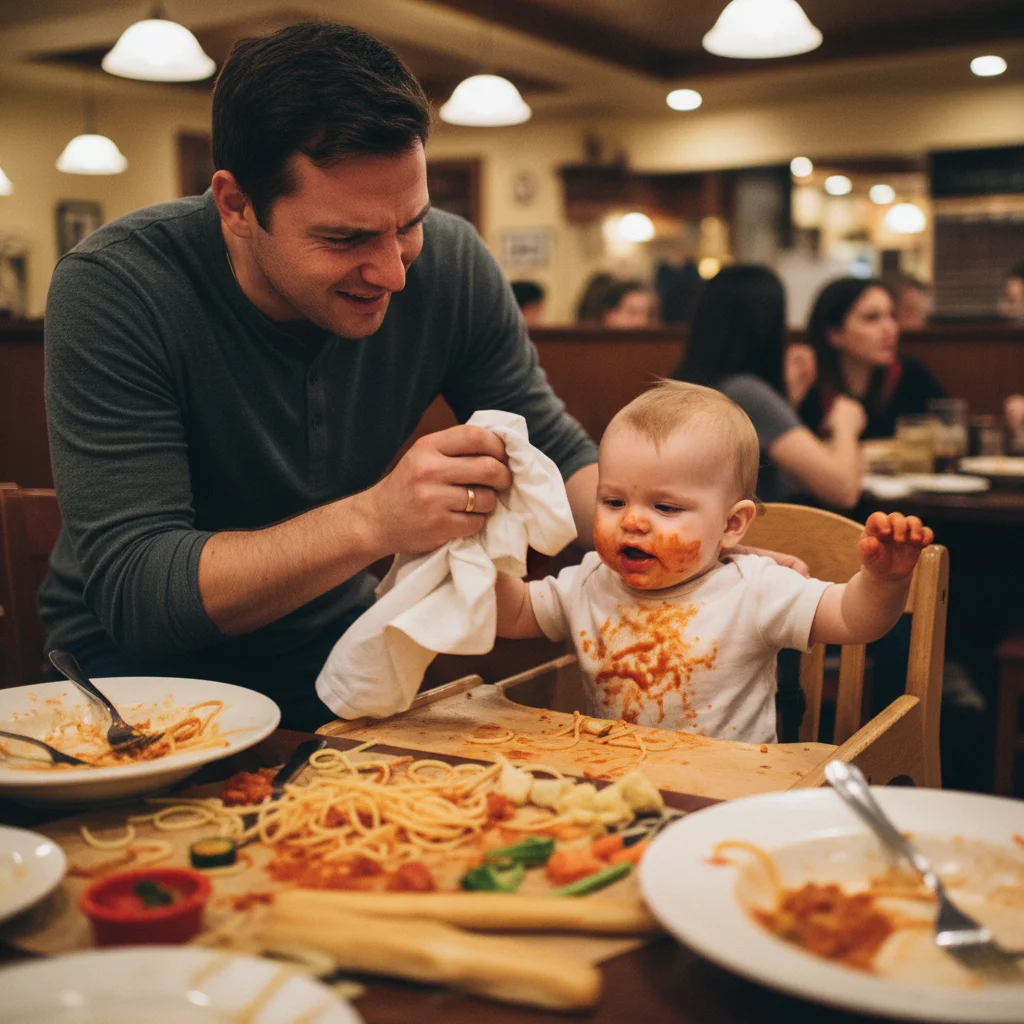
The Munchkin Disposable Bibs come 24 to a pack. That number matters more than it sounds. Twenty-four covers a road trip. A full week of daycare. Three restaurant outings. That one Sunday brunch where everything falls apart before the coffee arrives.
What’s Inside That Three-Layer Design
Each bib has three protective layers, and they all pull their weight.
The leak-proof liner does the heavy lifting. It sits between whatever your baby just splattered and the onesie underneath. Liquids stay on the bib. Clothes stay dry. That’s the whole point.
Up front, there’s a crumb-collecting pocket that catches solid food before it reaches the lap. It’s not huge — but it handles the stray peas, the banana chunks, and the scrambled egg bits that roll off the spoon. For meals on the go, that pocket does its job without any fuss.
The self-adhesive neck fastener is dead simple to use:
- No snaps to fumble with while your baby squirms
- No clips that pinch tender skin
- Press it closed, and it holds
Parents also report zero skin irritation from the fastener. For a disposable that sits against a baby’s neck all day long, that’s a big deal.
Where These Munchkin Bibs Work Best
These are travel bibs , pure and simple. They shine in situations like:
- Airplane rides
- Day trips and road travel
- Restaurant high chairs you’d rather not think about too hard
That’s the sweet spot. They deliver every time.
The real win is what happens after the meal. You toss it. No stuffing a soaked, food-caked bib into a zip-lock bag. No hauling that mess home in your purse while it leaks on everything. One parent said it best — “Great for on-the-go meals. No need to bring home a soiled bib, just toss it in the trash.”
That’s not a small thing. That’s one less gross task at the end of an already long outing.
The Honest Trade-Off
These aren’t machine-washable baby bibs, and they’re not pretending to be. A reusable-everything household will see these as a step back. They’re also not built for three meals a day at home — your silicone bibs for babies handle that job better.
But as a backup? Is the bib sitting at the bottom of the diaper bag, ready whenever you need it? Twenty-four bibs, no laundry, no rinsing, no zip-lock smell situation — that’s not a splurge. That’s just smart packing.
Munchkin To-Go Bibs: Are They Built for Baby-Led Weaning Chaos?
Baby-led weaning is not for the faint of heart — or the faint of laundry spirit. Your little one decides a fistful of roasted sweet potato belongs everywhere except their mouth . That’s the moment you get why parents obsess over the right feeding bib with a pocket . The Munchkin To-Go Bib was built for this kind of glorious, food-flinging chaos.
Here’s what makes it stand out from the pack.
The Roll-Up Design That Makes Real Sense
The smartest thing about this catch-all baby bib is what happens after the meal. It rolls up. Into its own little pouch. That pouch clips right onto your stroller or diaper bag. No more wet bib floating loose at the bottom of your bag. No more condiment surprises on everything it touches.
The unrolled bib measures 12.2 x 8.7 inches — that’s serious coverage. It’s enough space to catch the avalanche of mashed banana and soft-cooked broccoli that baby-led weaning produces on the regular. At 26.3 x 37.5 cm laid out flat, you get a generous bib zone. It covers well without feeling like a tablecloth strapped to your baby.
The integrated crumb catcher pocket sits at the bottom and pulls double duty:
- During the meal — it catches falling food debris. Half-chewed pear pieces, Cheerios that missed by a mile — all of it lands here.
- Between meals — it works as a small storage pocket. Toss in a travel spoon or a couple of snacks.
Two jobs. One pocket. That’s smart design.
Built for the Diaper Bag Life
Portability matters just as much as performance for parents in the thick of baby-led weaning. A silicone bib for babies is great at home. But silicone doesn’t clip to a stroller handle. It doesn’t fold into a tidy pouch you forget is there until you need it. The To-Go Bib fills that gap with real, everyday practicality.
The clip attachment is a small detail. But it earns its keep every time you’re loading up and heading out the door.
What We Don’t Know Yet?
Some honest gaps worth noting:
- Munchkin hasn’t published specific pocket depth measurements.
- No official data exists on neck fit across different age ranges or body types.
- Cleaning performance against tough stains — tomato sauce, blueberry purée, the real BLW villains — hasn’t been tested or documented publicly.
These are fair things to check before you commit.
Bottom Line on the To-Go Bib
Baby-led weaning is your feeding approach, and you live out of a diaper bag half the week? This adjustable neck bib earns a spot in your rotation. The roll-up pouch, the stroller clip, and the dual-purpose crumb catcher make it one of the better-designed easy clean baby bibs in the Munchkin lineup. It’s purpose-built for the beautiful, messy reality that BLW delivers every single day.
Munchkin Bibs vs. Top Competitors: Side-by-Side for Messy Eater Scenarios
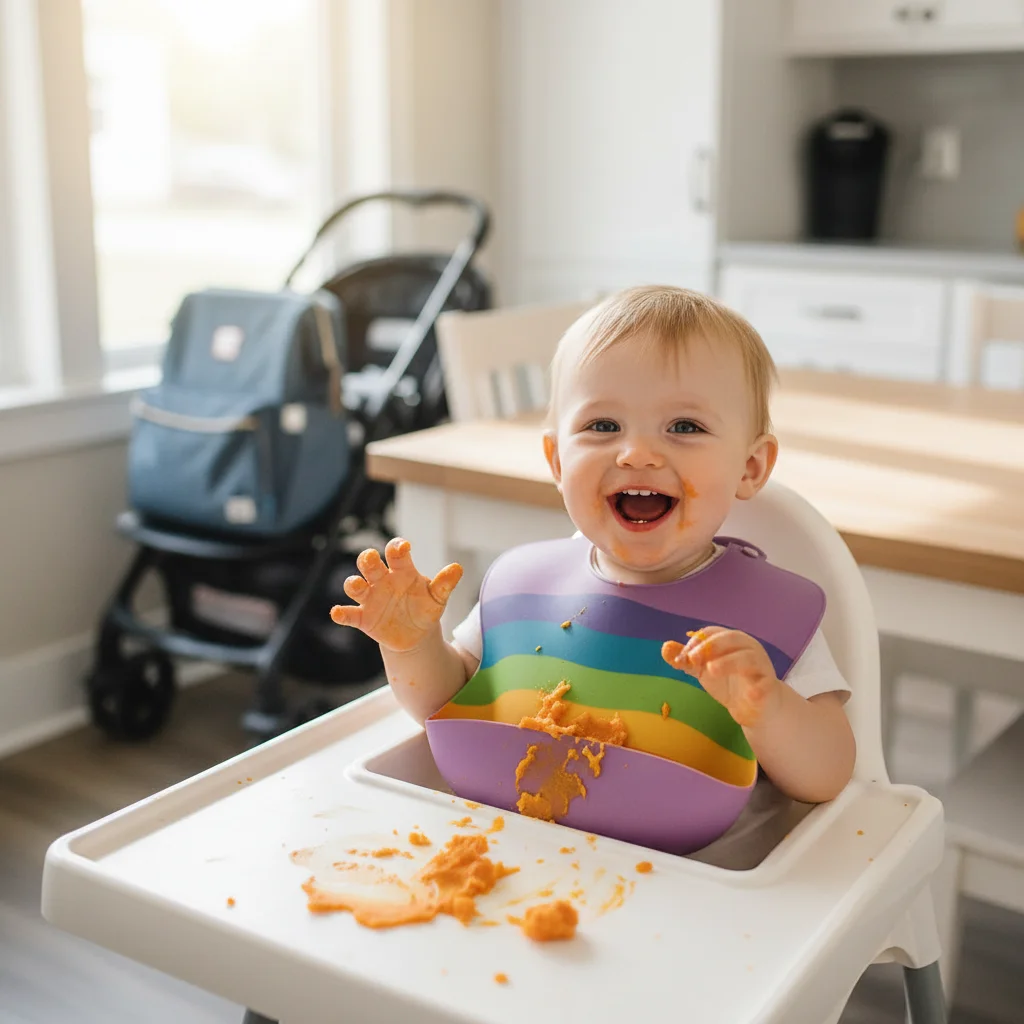
So let’s look at how Munchkin stacks up against the real competition. The baby bib market is crowded. Not every bib deserves a spot in your diaper bag.
The Competitors Worth Knowing
BabyGearLab tested eight popular bibs head-to-head. The top scores? KUDL Absorbent Toddler Bib and KiddyStar Toddler Bib both hit 83/100 — the highest in the group. Both are cloth-based, machine washable, and priced around $19–20 a pack. For daily home use with soft purees or heavy drool days, they earn that score.
Then there’s the Bumkins Sleeved Bib ($14) and the OXO Tot Roll-Up Bib ($21) — both scoring a less impressive 43/100. They’re not bad bibs. They just come with conditions.
Bumkins Sleeved Bib: Big Coverage, Complicated Reality
The Bumkins offers something no other bib on this list does: full-arm coverage. For a toddler in the 12–36 month range who treats mealtimes like a Jackson Pollock exhibit, that matters. It’s waterproof, machine washable, and covers more surface area than any chest-only bib can.
But there’s a catch. Testers flagged the pocket as flimsy and the fit as uncomfortable. A squirmy toddler in an uncomfortable bib is a toddler who will not keep that bib on. Munchkin’s silicone bibs are easier to get on and off. That counts for a lot — you’ve got about 45 seconds before a meltdown starts.
Bottom line on Bumkins : Pick it for art projects and extreme food-throwing sessions. Skip it for a quick Tuesday lunch.
OXO Tot Roll-Up Bib: Great Concept, One Frustrating Catch
The OXO Roll-Up ($21 — the priciest option tested) has a smart design: hybrid cloth and silicone, a catch pocket, and it rolls up for travel. It sounds like the total package.
Then you find out you have to completely air-dry it before rolling it up. Skip that step, and you’re signing up for mold inside that tidy little pouch. For a grab-and-go parent loading up the car in under four minutes, that drying requirement creates real friction. The Velcro closure adds another headache — it breaks down faster than snap closures and snags everything in the wash bag.
Munchkin’s snap-closure silicone bibs skip both problems. Wipe it down, snap it shut, throw it in the bag. Done.
The Scenario-By-Scenario Breakdown
Here’s the honest, practical breakdown of how these bibs compare — based on your specific mess situation:
| Scenario | Best Pick | Why |
|---|---|---|
| Restaurant / travel | Munchkin silicone | Wipe-clean, no drying wait, snap closure |
| Home high chair, chunky solids | KUDL or KiddyStar | 83/100 score, superior absorbency |
| Art time / extreme food throwing | Bumkins Sleeved | Only option with arm coverage |
| Drool & teething | 3-layer bamboo bib | Silicone absorbs nothing — wrong tool entirely |
That last row deserves a closer look. Silicone bibs — including Munchkin’s — are not drool bibs. They block and catch food. They do not absorb moisture. Your baby is in a heavy teething phase and producing serious drool? You need a fabric bib with a solid absorbent core. Bamboo viscose is the gold standard here. It absorbs four times more than cotton and stays soft after air-drying — no sandpaper texture.
What Makes Munchkin Bibs Competitive?
Price is part of the story. At $8–12 for a silicone option, Munchkin sits well below OXO ($21) and holds its own against Bumkins ($14) — without the sleeve-wrestling at every meal.
The rigid catch pocket is the other real differentiator. Soft pockets collapse under pressure. Rigid pockets stay open and catch falling food. During baby-led weaning, that’s not a minor design detail. That’s the whole game.
There is one area Munchkin can’t compete with: anything that needs fabric absorption. For drool, soft purees on cloth-loving babies, or all-day wearing, the KUDL and KiddyStar cloth bibs score higher. Full stop.
But for restaurant dinners, travel days, and self-feeding chaos at the high chair? Munchkin holds its ground just fine.
Verdict: Are Munchkin Bibs Worth It for Messy Eaters?
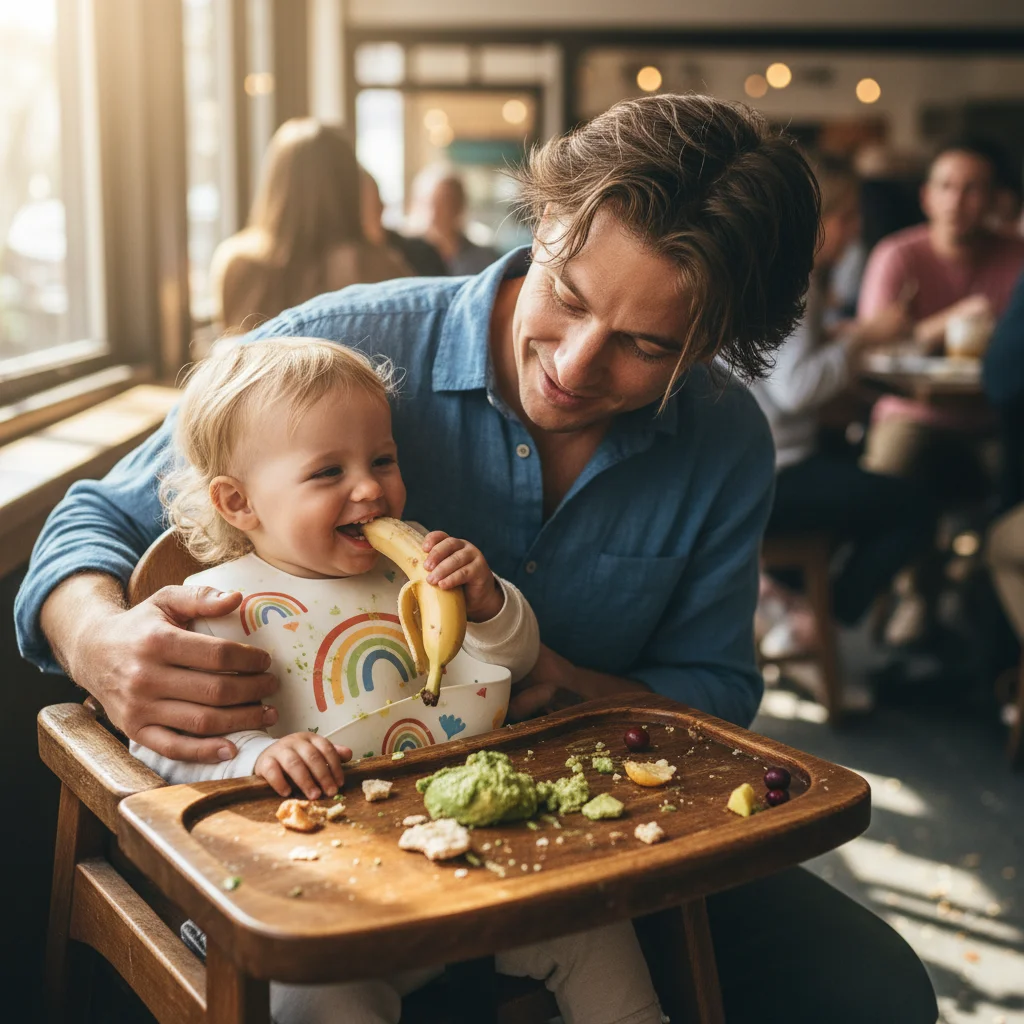
Munchkin bibs aren’t a one-size-fits-all solution — and no bib is. Know where they work and where they fall short. That makes the buying decision a whole lot easier.
For travel and on-the-go meals: worth every penny. The disposable line earns its spot in the diaper bag. The leak-proof liner keeps spills off the onesie. The adhesive fastener goes on in seconds. Meal’s over? Toss it. No zip-lock bag of shame. No mystery smells. That kind of convenience counts — the 6–12 month window is peak messy feeding season, and having one less thing to deal with is a real win.
For daily baby-led weaning at home: not your best investment. At $10–15 per pack, Munchkin disposables make sense as a travel staple. But three meals a day at the high chair? That cost adds up fast. A reusable silicone option — BabyBjörn, for instance — outlasts a full year of disposable packs. It handles the daily mealtime chaos just as well, for a fraction of the long-term cost.
Here’s the bottom line, plain and simple:
| Your Situation | Worth It? |
|---|---|
| Frequent travel, restaurant meals, and day trips | ✅ Yes — buy the disposables |
| Daily BLW feeding at home | ❌ Not long-term — go reusable |
| Mixed use (home + occasional outings) | ✅ Keep both in rotation |
The toddler bib market hit $1.97 billion in 2025. Parents are out there searching for real solutions to mealtime mess — and that number shows it. Munchkin built its name on portable, practical, catch-all designs. It delivers on that promise. Just don’t ask it to be something it’s not.
FAQ: Munchkin Bibs Questions Parents Ask
Real parents, real kitchens, real messes. These questions come up over and over — and they deserve straight answers.
Are Munchkin bibs dishwasher safe?
It depends on which one you’ve got. Disposable bibs aren’t dishwasher-friendly. They’re single-use by design, and that’s the point. The Roll & Snap silicone bib is a different story. It’s dishwasher safe on the top rack. BPA-free, BPS-free, PVC-free, phthalate-free — FDA food-grade silicone at its best. Pop it on the top rack and walk away.
At what age can babies start using Munchkin bibs?
The disposable bibs measure 13.5″ x 9″ — a solid fit for infants and great for travel meals. The Dribble Days cotton bib fits newborn through 2 years. The adjustable Velcro closure grows with your baby, so you’re not buying a new size every few months. Got a brand-new newborn? There’s a size for that. Got an opinionated 18-month-old? There’s a size for that, too.
How many Munchkin bibs do I need?
Six bibs in rotation is the sweet spot. That number covers your wash-and-dry cycle. You won’t be digging through damp laundry at dinnertime. Keep a few disposables in the diaper bag as well. Restaurants, day trips, unexpected messes — you stay prepared.
Can I machine wash Munchkin bibs?
The cotton terry styles are machine washable at 30°C maximum. Cool iron at 110°C if needed. Skip the tumble dryer and hang them to dry instead. High heat damages the fabric.
Are these Munchkin bibs good for messy eaters and baby-led weaning?
Yes — the three-layer disposable design was built for chaotic mealtimes. You get a leak-proof liner, a crumb-catching front pocket, and an adhesive fastener. Each layer does a specific job. One bib holds up through a full day of feeding. That front pocket is deeper than it looks — it catches more than you’d expect.
Conclusion
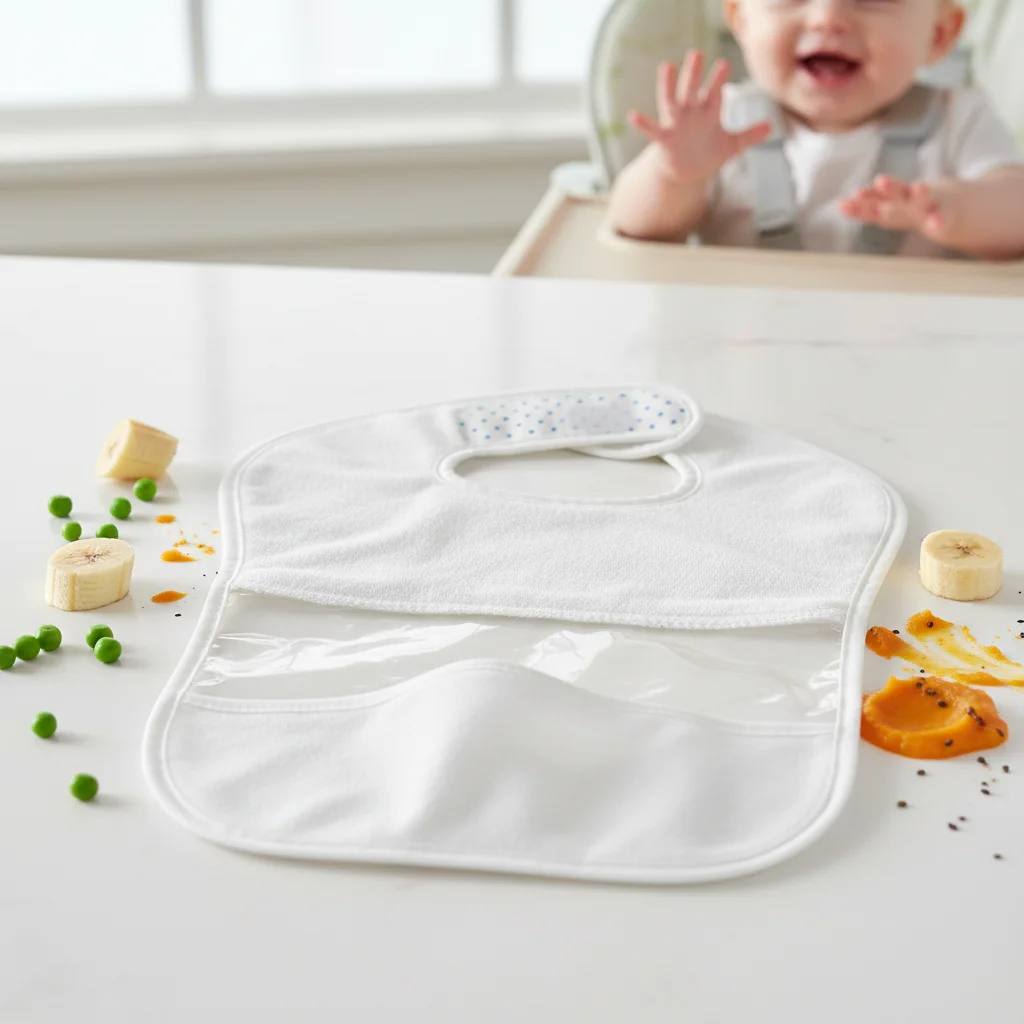 Here’s the honest truth, y’all — not every bib survives a baby who treats mealtime like a full-contact sport. But Munchkin bibs? They hold their own.
Grab the disposable 24-pack on a chaotic Tuesday night. Clip on the To-Go bib before heading out to eat. Either way, these easy-clean baby bibs give exhausted, sauce-covered parents what they actually need: less mess, less fuss, and one fewer thing to stress about.
Are they perfect? Nope. But they’re practical, affordable, and built with real messy eaters in mind. That counts for a whole lot — especially when you’re wiping pureed sweet potato off the dog again .
Still on the fence? Start with the disposable pack. Low commitment, instant relief. Love them? You will. Then the Munchkin silicone bibs are ready to become your new mealtime best friend.
Some products just make the hard days a little easier. This is one of them. 🧡