
Some distributors receive surgical gowns with “sterile” labels but no real explanation of how the process was done. That lack of transparency creates doubt and slows purchasing decisions. Understanding how surgical gowns are sterilized? gives you a stronger way to evaluate suppliers. In this guide, you’ll see the key steps and what proof you should always request.
What Are Surgical Gowns and Why Sterilize Them?
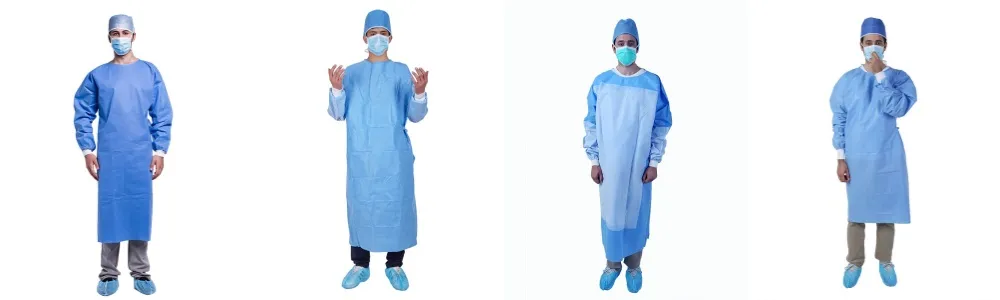
Surgical gowns are protective garments that healthcare workers wear during operations and high-risk medical procedures. These garments create a barrier between medical staff and patients. They stop germs from spreading in sterile spaces.
Why sterilization matters: 4 million patients in developed countries get healthcare-associated infections (HAIs) each year. Between 7–10% of hospital patients pick up at least one HAI during their stay. About 10% of these cases end in death. In fact, 6% of HAI patients die from these infections alone. Proper gown sterilization saves lives—it’s not optional.
The data is clear. Disposable surgical gowns cut surgical site infection (SSI) rates by 26–40% compared to other options. Clinical studies show they perform better than alternatives. This drives strong market growth. The global market will grow from USD 1.65 billion in 2024 to USD 2.89 billion by 2030. That’s a 9.59% growth rate each year. Sterilized gowns play a vital role in modern infection control.
Common Sterilization Methods for Surgical Gowns
Three main methods are used to sterilize surgical gowns. Each works best for different materials and production sizes. Processing reusable cotton blends? Choose one method. Mass-producing disposable polypropylene gowns? Pick another.
Steam Autoclaving: The Reusable Gown Standard
Steam autoclaving cleans most reusable surgical gowns in hospitals. The process heats to 121–134°C. Pressure runs at 15–30 psi for 15–30 minutes. Heat-resistant fabrics handle these conditions well. High-pressure steam reaches every fiber layer. It kills microorganisms down to the spore level.
Need speed? Quick cycles run at 134°C for just 3–5 minutes. This method hits the required Sterility Assurance Level (SAL) of 10⁻⁶. That’s less than one live microbe per million gowns. Hospital autoclave units handle small to medium batches easily.
Gamma Irradiation: Manufacturing’s Workhorse
Gamma irradiation powers large-scale disposable gown production. Surgical gown manufacturers use 15–25 kGy radiation doses on sealed packages. No heat. No moisture. No need to open packages.
This changes everything for efficiency. Production lines sterilize thousands of gowns at once. Barrier integrity stays intact. The radiation goes through packaging materials that steam can’t reach. Pre-sterilized products ship straight to healthcare facilities. That’s why gamma irradiation leads the disposable surgical gown market.
Ethylene Oxide (EtO): The Heat-Sensitive Solution
Ethylene Oxide (EtO) sterilization protects materials that break down under heat or radiation. The gas works at room temperature. This makes it ideal for delicate synthetic fabrics and special coatings.
FDA-recognized standards control residue limits closely. The process takes longer than steam cycles. But it keeps the material properties intact that steam would ruin. EtO chambers work well for medium-batch processing. Hospitals and specialty makers use this method because other options damage their products.
All three methods deliver SAL 10⁻⁶ reliability. Your material type and production volume decide which one fits your needs.
Sterilization Process for Disposable Surgical Gowns
Disposable surgical gowns go through a strict sterilization process. This starts at the factory and ends with final validation. Reusable gowns get sterilized at hospitals. Disposable ones? They get sterilized at the production facility before shipping.
Pre-Sterilization Preparation
Manufacturers package surgical gowns in special barrier materials. These materials are made for sterilization access. The packages need to be breathable. Gas or radiation must get through. At the same time, they keep the gowns sterile for their entire shelf life. Design teams pick materials that protect well and sterilize efficiently.

Validation Through Multiple Indicators
Every sterilization batch needs three verification layers. This meets FDA’s SAL 10⁻⁶ mandate:
Biological indicators prove that microbes are destroyed. Technicians put spore strips or vials inside selected surgical gowns before sterilization. After the process, testing shows zero microbial growth. This confirms that all organisms died during the cycle. Even resistant spores.
Chemical indicators give instant visual proof. Special strips on packages change color. This happens once sterilization conditions hit target levels. Production teams check these indicators. No need to open packages.
Physical monitoring tracks exact parameters throughout each cycle. Temperature sensors, pressure gauges, and radiation dosimeters record complete data logs. Documentation teams check the numbers. Time, temperature, and radiation doses must stay within specs for the entire batch.
Critical Post-Sterilization Verification
Quality control continues after sterilization ends. Testing finds high-risk contamination zones on finished gowns:
- Elbow creases show contamination rates up to 48%
- Heights below 24 inches or above 48 inches from ground level face a higher exposure risk
- Front panels (chest to mid-thigh) have the lowest contamination at 6–48%
Research shows a surprising fact: over 50% of contaminated gowns in lumbar spine surgeries pick up contamination during gowning—not during surgery. This creates strict handling rules in sterile environments.
Manufacturers match gowns to AAMI Levels 1–4 based on barrier performance. High-risk procedures need Level 3–4 disposable gowns . This system helps hospitals pick the right protection for each surgical situation.
Step-by-Step Guide: Sterilizing Reusable Surgical Gowns
Hospital sterilization teams follow a precise workflow for reusable surgical gowns. Each step builds in safety checks. This keeps contamination out of operating rooms.
Step 1: Pre-Cleaning and Inspection
Used surgical gowns arrive at the central sterile processing department (CSPD). Staff sort them right away. They check each gown for visible damage, stains, or weak barrier areas. Any gown showing tears or worn patches gets pulled from rotation.
Pre-cleaning removes organic matter before sterilization. Blood, tissue, and fluids break down in special washing systems. Enzymes do the work here. This step stops material from “baking on” during heat sterilization. Clean gowns move to the next phase after visual inspection. No residue can remain.
Step 2: Loading and Packaging
Technicians fold surgical gowns using standard techniques. Proper folding creates channels for steam to reach all fabric. Air pockets block steam access to inner fabric layers. Each gown gets wrapped in a medical-grade sterilization wrap. Some go in rigid sterilization containers instead.
Staff place biological indicators now. Spore strips containing G. stearothermophilus go inside selected gowns from each batch. These test organisms survive longer than common pathogens. Sterilization kills them? It kills everything. Chemical indicator strips attach to the outside of each package. These give instant visual proof.
Step 3: Autoclave Cycle Execution
Steam autoclaves run at controlled settings. Standard cycles hold 121°C for 15–30 minutes at 15 psi pressure. High-demand periods use quick cycles—134°C for 3–5 minutes at 30 psi. Both methods hit the required SAL of 10⁻⁶. That’s less than one living microbe per million surgical gowns.
Monitoring equipment tracks every second. Temperature probes, pressure gauges, and time clocks record complete cycle data. The autoclave won’t open until all settings stay within specification ranges for the full duration. No shortcuts exist here.

Step 4: Post-Sterilization Verification
Chemical indicators get checked first. Strips must show a complete color change. Incomplete change means the batch failed—every item gets reprocessed. Biological indicators go to the lab. They incubate for 24–48 hours. Zero microbial growth confirms sterilization worked.
Documentation teams review monitoring logs. Temperature curves, pressure readings, and cycle times must match set protocols. Any difference triggers an investigation. The batch is held in quarantine until validation is complete.
Step 5: Storage and Distribution
Verified sterile surgical gowns move to controlled storage areas. Packaging stays intact until use. Shelf life depends on storage conditions and packaging type. Most facilities use gowns within 30–90 days of sterilization.
Steam sterilization provides a large margin of safety. Items showing proper temperature via chemical indicators carry minimal infection risk. This built-in safety buffer protects patients. Handling procedures can vary between facilities. The safety margin covers these differences.
Inspection, Packaging, and Final Sterilization Steps
Quality control starts before surgical gowns enter the sterilizer. AAMI standards require you to discard gowns with tears, stains, or structural defects right away. No exceptions here—a damaged barrier puts patients at direct risk.
Strict inspection protocols have solid clinical backing. Research tracked 50 spinal surgery gowns. Contamination rates ranged from 6–48%. The data speaks clearly. Elbow creases show contamination rates up to 48%. Areas below 24 inches or above 48 inches from ground level face higher exposure. Intact fabric barriers block these contamination paths. Damaged gowns fail to protect.
Packaging for Sterilization Success
Wraps and containers made for sterilization do two jobs. They let sterilizing agents reach the gown during processing. They also keep the gown sterile through storage and transport. Material choice is critical—packaging must keep the device sterile after processing ends.
Good barrier protection shields gowns from outside contamination. Packaging fails? The whole sterilization process fails, too. Hospitals and manufacturers test packaging materials before use. This stops sterility problems from reaching operating rooms.
Final Sterilization Parameters by Method
Steam autoclaving is the top choice for reusable surgical gowns. Cycles run 121–134°C for 15–30 minutes at 15–30 psi pressure. Express cycles hit 134°C for just 3–5 minutes. Both meet the FDA-required SAL of 10⁻⁶. How you space the load matters—a poor arrangement creates cold spots where germs survive.
Gamma irradiation works well for the mass production of disposable surgical gowns. Doses between 15–25 kGy go through sealed packages. No heat. No moisture damage. This method handles thousands of units at once and keeps packages intact.
Ethylene oxide (EtO) works for heat-sensitive materials. FDA standards set maximum residue limits for ethylene oxide and ethylene chlorohydrin. Aeration after sterilization removes leftover gas before gowns ship out.
Verification Through Multiple Indicators
Every batch gets three-layer validation. Biological indicators—spore strips or vials placed inside gown packages—prove germs were destroyed. CDC studies show rapid-readout tests (1 hour at 132°C; 3 hours at 121°C or 132°C vacuum) predict longer test results well.
Chemical indicators give instant visual proof through color-changing strips. Physical monitoring equipment records temperature, pressure, and time data for full batch tracking. This paper trail proves every cycle met the specs.
Post-Sterilization Handling Protocols
Clean technique stops recontamination after sterilization ends. EtO-sterilized surgical gowns need time to air out and remove leftover gas. Moving gowns to sterile storage must keep packages intact—any break means starting the whole sterilization process over.
Knowing contamination timing changes how you handle gowns. Over 50% of contaminated gowns pick up germs during gowning, not during surgery. This puts the focus on how staff put on surgical gowns. Staff keep strict sterile zones—cuff to 2 inches above the elbow for sleeves. Back contact with non-sterile areas means changing the gown right away. The same rule goes for sleeves touching non-sterile surfaces.
Long surgeries raise contamination risks. Extended procedures and too much movement increase exposure. Quality control data goes straight into protocol updates. This connects sterilization checks with patient outcomes.
Post-Sterilization Handling and Storage
Sterile surgical gowns lose their protection the moment the packaging breaks. Storage conditions fail? Same result. Your sterilization work means nothing if handling and storage protocols slip. The environment where you keep these surgical gowns impacts their sterility until staff open them in the OR.
Controlled Storage Environment Parameters
Storage rooms need tight environmental controls. Humidity must stay between 30–60% relative humidity. The temperature holds at 20–23°C. These aren’t suggestions. They are requirements for keeping sterility.
Research tracked storage conditions in real facilities. Temperature variations between 23.83–24.21°C didn’t affect microbial load much. Humidity stayed within range during testing. But here’s the catch: temperatures near the upper limit create conditions where bacteria grow faster. Stay in the safe zone. Don’t test the boundaries.
Ventilation matters just as much. Clean, low-humidity air circulation prevents condensation. Moisture on surgical gown packages? That’s an open door for microbial contamination. Use cool/dry packs during storage and transport. This stops moisture from building up on surfaces where germs can grow.
Package Integrity and Aseptic Handling
Check every package before moving surgical gowns to storage. Tears, punctures, or moisture spots mean the gown inside is no longer sterile. Aseptic technique is mandatory from the sterilizer to the storage shelf. One slip in handling contaminates the whole batch.
Steam- sterilized disposable gowns keep their barrier properties intact. Proper handling is key. The sterilization process doesn’t weaken the material. Poor handling does. Staff training on clean technique prevents most contamination after sterilization.
Documentation and Traceability Systems
Every sterilized gown package needs complete labeling:
- Sterilization date and method used
- Expiration date based on packaging type and storage conditions
- Batch/lot number for fast recall if problems surface
Most facilities set 30–90 day shelf lives for sterilized gowns. This varies by packaging materials and storage conditions. Documentation systems must track these dates on their own. Manual tracking creates gaps where expired gowns slip through.
FIFO Inventory Management
First-In-First-Out (FIFO) protocols keep gowns moving through inventory. Older stock goes out first. This cuts storage time and reduces the risk of packaging breakdown. Storage areas need clear rotation systems. Date stamps facing outward. The newest stock is placed behind the older items.
Long storage periods increase exposure to environmental factors. Temperature fluctuations, humidity spikes, and physical handling all add up over time. FIFO systems limit this exposure window.
Pre-Use Verification Checks
Staff perform final checks before surgical gowns enter the sterile field:
- Chemical indicator verification —color change must show complete processing
- Package integrity inspection —no tears, moisture, or damage
- Expiration date confirmation —within acceptable use window
- Lot number recording —traceability if infections occur after surgery
This layered verification catches contamination before it reaches patients. Studies tracking surgical gown contamination show bacterial and fungal counts stay low during procedures up to 60 minutes. Proper storage and handling protocols make this possible. Longer surgeries show more contamination. But that starts from a clean baseline with good storage protocols.
Best Practices for Healthcare Facilities in 2025
Healthcare facilities need to update their sterilization protocols. Infection control demands keep rising. The clinical evidence is clear: disposable surgical gowns reduce surgical site infection rates by 26–40% when paired with strict sterilization standards. This gap pushes facilities to update protocols industry-wide.
Implement Multi-Layer Verification Systems
Each sterilization cycle needs three separate checks. Biological indicators set the gold standard. Spore strips prove you’ve killed microbes at the deepest level. Facilities now use rapid-readout biological tests. You get results in 1–3 hours based on sterilizer type. These fast results predict 24-hour, 48-hour, and 7-day growth outcomes. No more waiting days to confirm batch success.
Chemical indicators give instant visual proof. Color-change strips on packages show if sterilization hit target levels. Physical monitoring equipment logs all temperature, pressure, and time data. This meets regulatory needs. The triple-check system catches failures before bad gowns reach operating rooms.
Track Reusable Gown Lifecycles
Monitor each reusable surgical gown through its full service life. Track usage cycles, wear patterns, and contamination events. This data helps you time replacements right. You retire gowns before barrier failure happens. Lifecycle tracking shows handling problems in your workflow. Patterns pop up. They show where staff training needs work.
Maintain SAL 10⁻⁶ Through Aseptic Technique
The FDA requires Sterility Assurance Level of 10⁻⁶. This benchmark is firm. Less than one-in-a-million chance of live microbes. Sterilization alone doesn’t guarantee this. Aseptic technique after sterilization stops contamination later. Studies show no disease transmission from well-cleaned instruments. This holds even when biological indicators later showed spore growth. The key? Keep clean technique throughout handling and storage.

Deploy Checklists and Continuous Training
Facilities using standard checklists and regular staff training see big drops in sterilization errors. These tools improve sterility outcomes. Train teams on high-risk zones: elbow creases (up to 48% contamination rate), areas below 24 inches or above 48 inches from ground level. Front panels from chest to mid-thigh show the lowest contamination at 6–48%.
Here’s the reality: over 50% of surgical gown contamination happens during gowning, not during surgery. Focus training on the correct donning technique. This single change cuts infection risk more than any equipment upgrade.
FAQs on Surgical Gown Sterilization
What temperature and duration are required for steam sterilization?
Steam autoclaves run at 121–134°C for standard cycles. Duration varies by cycle type. Standard cycles take 15–30 minutes at 121°C with 15 psi pressure. Quick cycles reach 134°C for just 3–5 minutes at 30 psi. Both methods hit the required SAL of 10⁻⁶. After sterilization, gowns go through a drying cycle. This lasts 1–30 minutes. The drying step pulls out leftover moisture. Wet packaging loses its protective seal.
How do I know if a sterilization cycle failed?
Three systems catch cycle failures. Chemical indicators won’t change color if conditions fall short. Biological indicators show germ growth during lab tests after the cycle. Physical monitoring logs show temperature drops, pressure shifts, or timing problems. Equipment breakdowns or cycle stops show up in the records. One failure means you reprocess the whole batch.
Can disposable surgical gowns be re-sterilized in emergencies?
Steam sterilization doesn’t harm the barrier features of disposable gowns by default. Research shows wet germ resistance holds up. But re-sterilization can affect material strength and function. Disposable gowns work for single use. The FDA has no emergency re-sterilization rules for disposables. Facilities must stick to what manufacturers specify. Emergencies don’t change single-use design rules.
What contamination risks exist during and after sterilization?
Gown contamination shows clear patterns. Elbow creases hit up to 48% contamination rates—the biggest risk spot. Chest and front panels range from 6–48%. Areas below 24 inches or above 48 inches from ground level get more exposure. Timing counts more than you think. Studies show that over half of all dirty gowns pick up bacteria while staff put them on. Surgery itself causes less contamination. This means staff need a strict clean technique during gowning.
What are the cost and environmental differences between reusable and disposable surgical gowns?
Reusable surgical gowns save 60% on costs versus disposable options. Real data proves this. Toronto-area hospitals saved about USD 70 million over two years after switching to reusables. Environmental impact differs even more. Reusable gowns cut greenhouse gas by 66% and drop solid waste by 84%. Both types meet SAL 10⁻⁶ standards with correct sterilization. Clinical results stay the same with the right care steps.
Which sterilization method works for heat-sensitive materials?
Ethylene oxide (EtO) sterilization handles materials that fail under heat or radiation. The process runs at room temperature. This keeps delicate synthetic fabrics and special coatings safe. FDA standards set limits for ethylene oxide and ethylene chlorohydrin residue. Aeration after sterilization clears leftover gas before shipping. Facilities check residue levels to meet safety rules before surgical gowns leave.