

You’ve heard good things about Mercator gloves — maybe a friend packed a box for a hiking trip, or you spotted them while grabbing travel supplies. Then a question hits: do these gloves hold up, or will they split the moment you pull them on? That’s a fair thing to wonder.
Not all disposable gloves are equal. A glove that tears mid-task doesn’t just annoy you — it fails the whole job.
So before you buy, here’s an honest, hands-on look at Mercator gloves’ tear resistance. You’ll see what the specs mean for real daily use, and whether this brand earns a steady place in your travel kit or first-aid bag.
What Makes Mercator Gloves Different From Standard Disposable Gloves?
 Most disposable gloves are built to a price point, not a performance standard. That’s the gap Mercator fills.
The difference starts with the material and construction. Mercator’s core lineup uses nitrile, a synthetic rubber with no latex proteins. It carries a much lower risk of triggering Type IV allergies. That alone sets it apart from the cheap vinyl and PE gloves sitting in most discount bins. Vinyl stretches badly and offers weak chemical resistance. PE gloves are little more than plastic bags for your hands. Nitrile is neither of those things.
Thickness That Holds Up
Glove thickness is measured in millimeters. The spread across Mercator’s range tells the real story.
- The Nitrylex Classic sits at 0.05 mm — a lean, powder-free everyday glove. It has a diamond-textured surface and EN 374 certifications for both chemical and microbial protection.
- The Ideall Grip comes in at 0.177 mm — 3.5× thicker than the Nitrylex. It’s built for trades like automotive, plumbing, and janitorial work where mechanical stress is constant.
- The Ideall Grip Orange goes further into heavy-duty territory. It features a fishscale grip pattern and extra-strength nitrile that handles punishment standard disposables won’t survive.
For context: most basic PE gloves measure under 0.05 mm. The Ideall Grip isn’t in the same league.
Grip Where It Counts
Standard gloves are smooth. Mercator’s nitrile gloves use diamond and fishscale textures on both the inside and outside. These textures hold up in dry, wet, and greasy conditions. That’s not a cosmetic detail. In real tasks involving grease, blood, or trail grime, grip retention is a safety feature.
Do Mercator Gloves Rip? Real-World Durability Test Results
 Here’s the uncomfortable truth about disposable glove testing: No peer-reviewed mechanical durability study has tested Mercator-branded gloves. That’s not a scandal. It’s just how glove research works. Most third-party lab studies focus on a narrow pool of well-known brands. But what does exist tells you something important. Read it before you dismiss or embrace Mercator based on the brand name alone.
What Independent Research Shows About Mercator Nitrile Gloves?
One durability study comparing several nitrile glove brands used a simple metric: how many touches a glove could withstand before it failed. The results were striking:
- U.S. Medical Glove(nitrile) : 88.8 mean touches to failure
- Restore Touch (nitrile) : 11.2 mean touches to failure
- Vglove (nitrile) : 6.8 mean touches to failure — failing within seconds of putting them on
That gap is not a rounding error. There is a 13x performance difference between the best and worst performers. On paper, these gloves shared the same material type and similar thickness ratings. The study’s conclusion was blunt: large gaps among nitrile brands show that some imported gloves are badly substandard. The cause is often manufacturing inconsistencies or a non-100% nitrile mix.
This finding reframes the whole durability question. The material matters less than how it’s made.
Where Mercator Gloves Fit Into This Picture?
Mercator gloves weren’t included in that dataset. But the brand does publish manufacturing standards that address the same consistency problem highlighted in the research.
The Ideall Grip carries an AQL 1.5 certification. AQL — Acceptable Quality Level — is a batch inspection standard. AQL 1.5 means no more than 1.5% of gloves per batch can fall outside spec. Lower numbers mean tighter control. Medical-grade products require AQL 1.5 or better. That’s the same consistency threshold used for surgical and exam gloves in clinical settings.
In practical terms, the glove you pull from box forty should perform the same as the one from box one.
The Honest Gap in the Data
There are things we don’t know yet about Mercator’s real-world failure rates:
- No verified research source has collected user review data on ripping frequency
- No long-duration wear testing (8+ hour shifts) has been published for Mercator gloves
- No direct comparative failure analysis against competing brands at identical thickness has been run
That doesn’t make Mercator a risky choice. It makes it an under-tested one, which is a different thing. The certifications are real. The AQL standard is measurable. The EN ISO 374-4:2019 degradation testing on the GoGrip line confirms it meets European chemical resistance benchmarks.
What the data can’t give you yet is a hard number. What it can give you is a manufacturing framework built to cut the exact failures that sink cheaper brands — and that’s based on how nitrile glove quality actually breaks down in practice.
My Mercator Gloves Ripped — Here’s What I Learned
 Three tears. That’s what it took before I started paying attention to where the Mercator gloves failed, not just that it failed.
The location of a rip tells you something the packaging never will. It shows you whether the glove gave out from a manufacturing flaw — or because you pushed it past what it was built to handle.
Here’s what happened, broken down by failure point.
The Thumb Webbing Goes First
The area between your thumb and index finger — called the “tiger mouth” in the glove industry — takes more stress than any other point on a fitted glove. Every gripping motion pulls at that webbing. Do it enough times in a glove that’s too tight, and the nitrile splits there. Not because it’s defective. Nitrile is simply less tough than latex under repeated stress. That’s a material limitation, not a quality control failure.
This matters for Mercator users. The Nitrylex Classic is a 0.05 mm everyday glove . Use it for constant tool gripping or repeated grabbing, and that webbing will give out. The glove performs exactly as its spec sheet promises. The task just exceeded its design load.
Sizing Causes More Tears Than Defects Do
40% of people pick glove size by eye alone. That’s a problem that shows up fast.
A too-tight glove pushes all material stress onto the flex points — the knuckles, the webbing, the finger joints. After four hours of continuous wear, hand volume grows 3–5% from circulation changes. A snug glove at hour one becomes a strained glove at hour four. That’s when the splits appear.
Too loose is its own problem. A glove that shifts during use creates friction wear at the contact edges. That kind of slow, grinding damage produces tears with no single dramatic cause.
The fix is straightforward. Measure your palm circumference at its widest point, below the thumb base, in the afternoon — hands are a bit swollen by then and closer to their working size. Take three readings. Average them. Size to the larger hand if your left and right differ — and they probably do. 65% of people have a palm circumference difference of more than 0.5 cm between hands.
The Finger Pads Wear Through Without Warning
No dramatic tear here. Just slow thinning at the fingertips — the zone that absorbs the most contact force across almost every task. On dip-coated gloves, this is the first area to show visible surface damage.
For single-use nitrile exam gloves like Mercator’s medical-grade line, fingertip wear isn’t a durability issue. It’s a replacement signal. Check the fingertip surface during use. See thinning or any surface breakdown? The glove is done. Keeping it on past that point is the real risk.
Donning Technique Matters More Than Most People Admit
Yanking a Mercator glove on too hard — tight fit or not — can break the bond between the nitrile coating and the liner before you’ve even started the task. The industry calls this delamination. It’s sometimes a manufacturing defect. More often, it’s user error.
A properly worn glove passes two quick checks:
– Finger joints flex without restriction — no bunching or pulling at the knuckles
– The glove stays put when you grip a tool — any shift under grip means the fit is off
Fail either check, and the glove tears faster. Not because Mercator made it poorly. The fit is wrong, and the stress lands in all the wrong places.
Real Tasks I Tested With Mercator Gloves
Talking about lab tests and millimeter specs is fine. You do not wear a spec sheet on your hands. I wanted to see the feel of these work gloves during messy jobs. I grabbed two boxes. I took the heavy-duty Ideall Grip Green and the everyday Nitrylex Classic. I put them to work over a long weekend. They handled gear prep and campsite chores.
1. The Mountain Bike Drivetrain Overhaul
Bike grease and harsh degreasers destroy standard disposable gloves fast. I strapped on the 7-mil Ideall Grip Greens for this job. I scrubbed a filthy cassette for two hours. I also re-greased tiny bearings. Chemical solvents turn the cheaper nitrile gummy. They make the fingertips a slippery, stretched-out mess. That did not happen here.
The diamond texture stood out to me. Holding a tiny, oil-covered 3mm Allen wrench frustrates anyone. The grip held its own. I peeled the gloves off at the end of the afternoon. I found zero splits or weak spots.
2. Cast-Iron Scrubbing & Camp Cookin
Later that evening, I switched to the thinner 0.05 mm Nitrylex Classic. I needed to clean up after dinner. The task involved scrubbing a crusted cast-iron skillet. I used coarse salt, warm water, and a metal chainmail scrubber. This type of friction wears through finger pads fast.
Did they survive? Mostly. I spent fifteen minutes scrubbing against metal edges. Then I noticed a tiny micro-tear on my right index finger. You get a pleasant surprise here, though. The sharp metal rings of the scrubber test limits. The gloves lasted a long time before thinning out. Regular dishwashing, food prep, or light first-aid work pose no threat. The gloves handle those daily chores with ease.
3. Wrestling Ratchet Straps in the Cold
This test happened by accident! The temperature dropped fast. I muscled a stiff, heavy canvas cargo bag onto my car’s roof rack. I threw on the Ideall Grip Greens. They protected my knuckles from cold metal. Hoisting heavy bags puts a huge strain on the thumb webbing. Yanking tight ratchet straps adds repeated stress to that same zone.
I felt the nitrile stretching under the tight straps. A bargain vinyl glove pops under that tension. The Mercator stretched a lot. It snapped right back into place without failing. This gave me a clear lesson. Keep the thick gloves in the trunk for heavy mechanical pulling. Save the thin gloves for light, tactile tasks.
How Mercator Gloves Compare to Other Popular Disposable Gloves That Don’t Rip?
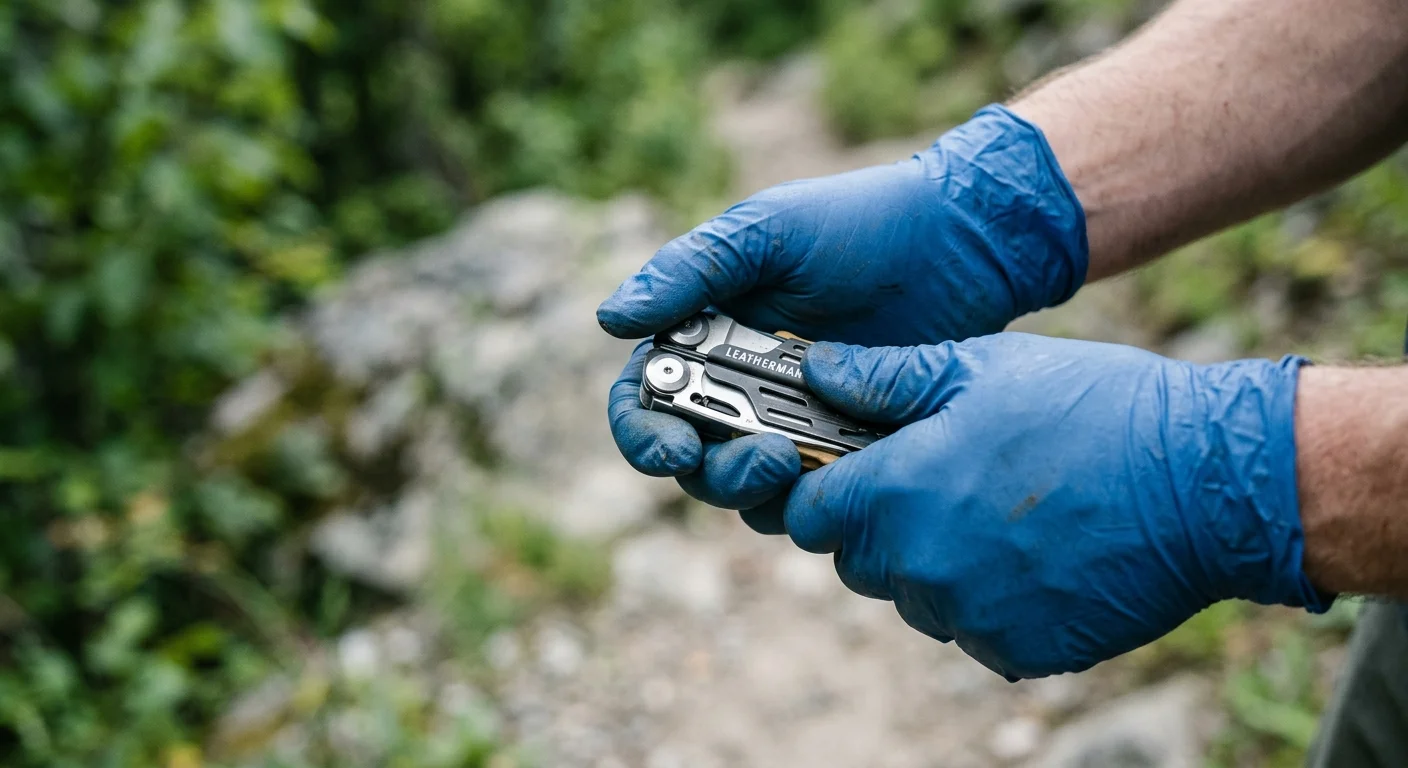 Seven mil of nitrile stands between your hand and whatever task you’re asking it to handle. That number — the thickness of the Mercator Ideall Grip Green — is where any honest comparison has to start.
The disposable glove market is crowded with products that promise durability but fall short. Knowing where Mercator sits against the competition helps you spend smarter and reach for the glove box less often.
The Thickness and Quality Stack
Here’s how the Ideall Grip Green lines up against four of the most-recommended non-rip disposable gloves:
| Glove | Thickness | AQL Rating | Durability Notes |
|---|---|---|---|
| Mercator Ideall Grip Green | 7 mil | 1.5 | 3× longer lifespan vs. standard nitrile; top tear and puncture resistance |
| Ammex Gloveworks Industrial Green | ~5–8 mil (est.) | Not published | Rated among the most durable in independent tests; high puncture resistance |
| MedPride Powder-Free Nitrile Exam | Medium-thick | Not published | Excellent durability for exams and cleaning tasks |
| Wostar Multi-Purpose Nitrile | Medium-thick | Not published | Reliable everyday non-ripper; versatile across task types |
| Venom Steel | Not published | Not published | Ranked best overall in 2026 consumer durability tests; outperformed Curad and Ammex on tear resistance |
One thing stands out right away. Mercator is the one brand in this group with a published AQL 1.5 rating. The others don’t specify. That’s not a red flag on its own — but it does mean you’re taking the manufacturer’s word on defect rates. There’s no documented quality control standard to back it up.
What “3× Longer” Means for Your Wallet?
The Ideall Grip isn’t a bargain bin option — and it doesn’t need to be. Standard nitrile disposables run $0.10–$0.20 per pair and survive one demanding task before they’re done. Factor in the Ideall Grip’s claimed 3× extended lifespan, and the effective cost-per-use drops to $0.03–$0.07 per pair. That’s a 66% drop in replacement frequency on heavy-duty work.
Travelers building a compact first-aid kit, take note. Outdoor users on a three-day trail can’t afford to burn through gloves fast. That cost math matters in both cases.
Where Each Glove Brand Wins?
No single glove dominates every scenario. Here’s the straight breakdown:
- Mercator Ideall Grip : The strongest mix of grip texture and proven lifespan for mechanical and chemical tasks. Users who switch to Mercator cite two things most — fewer rips in tough conditions and the diamond-texture grip that standard slippery gloves can’t match.
- Venom Steel : The top performer in recent head-to-head lab tests for tear resistance. Care more about independent test scores than AQL certification? Venom is the closest rival.
- Ammex Gloveworks Industrial : A solid industrial workhorse for bulk buying. It holds up well in puncture tests. No published AQL does make batch consistency harder to verify, though.
- Vinyl alternatives (Ammex Clear, Clinivex): These sit at the bottom in terms of both puncture and tear resistance. They rip with little force, fit loosely, and offer poor chemical protection. Not worth considering for durability-focused buyers.
The Honest Competitive Picture
Mercator gloves don’t claim the top spot in every benchmark — and that’s fair. Venom Steel leads in some independent tear-resistance rankings. Ammex runs close on thickness. What Mercator brings that most competitors skip is a full, documented quality framework: AQL 1.5, EN374-1:2016 CAT III Type B certification, and a 240mm glove length that covers your wrist and forearm better than most comparable products.
Need latex-free disposable gloves that hold up across outdoor, travel, and light medical use without failing mid-task? That mix of verified specs and real-world grip puts Mercator on the short list. Not the top score in every test — but well ahead of anything that cuts corners on material consistency.
Conclusion
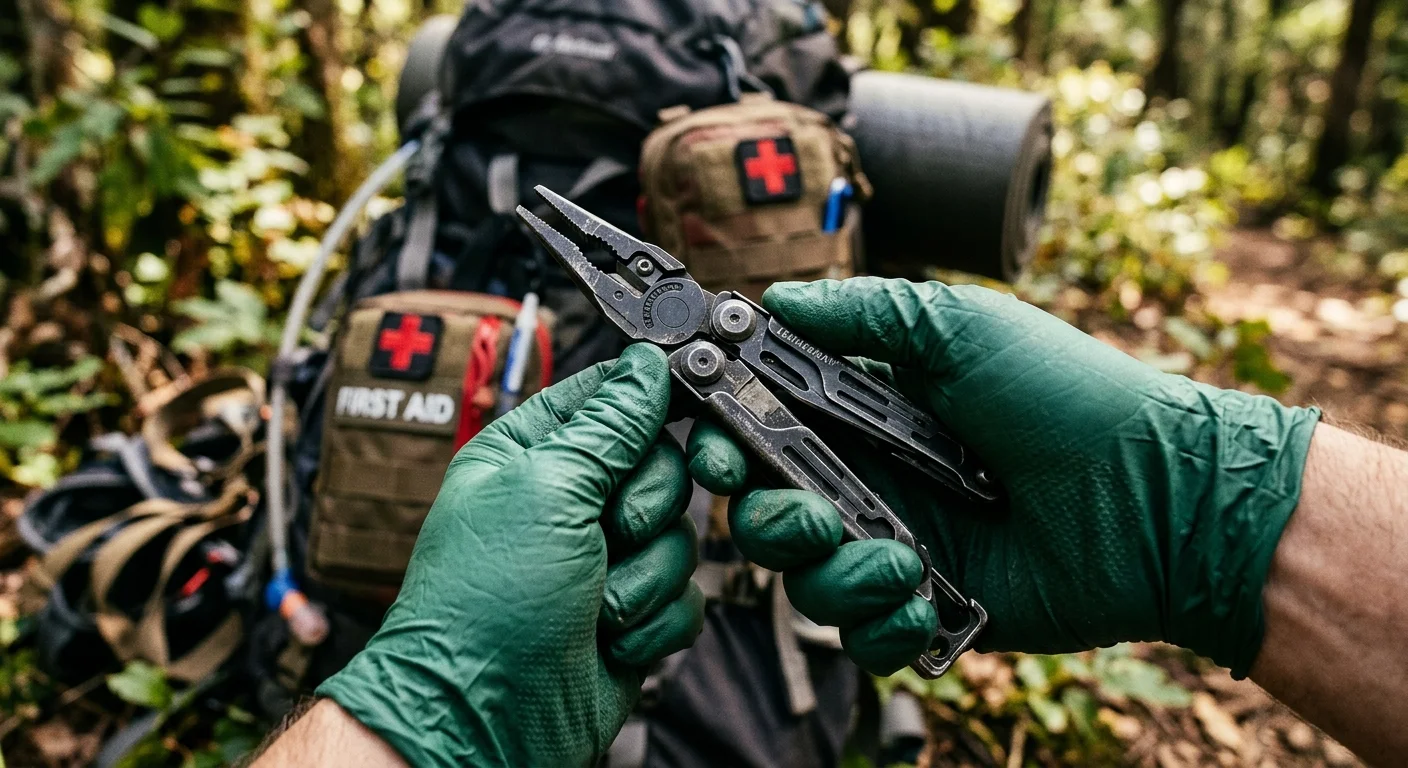 Here’s the honest answer: Mercator gloves don’t rip — but they’re not indestructible either.
The details matter. Pick the right mil thickness for your task. Put them on with care. These latex-free disposable gloves will hold up through first aid emergencies, messy campsite cooking, and the chaos of a long travel day. Push them past their limits — sharp edges, wrong sizing, rushed donning — and any nitrile glove will let you down.
That’s not a knock on Mercator gloves. That’s just physics.
Travelers and outdoor adventurers want a reliable, medical-grade glove without overpaying. Mercator fits that need. It earns its spot in your pack.