

Forty minutes into a double shift, you already know that feeling. The slow, clammy buildup under your gloves. The one that turns a simple task into a constant distraction.
Sweaty hands inside gloves are more than just uncomfortable. They affect your grip. They speed up fatigue. And across a long workday, they chip away at both hygiene and performance — bit by bit.
Most workers and procurement managers never stop to ask why it happens. Or whether the gloves themselves are causing the problem, or fixing it.
Hartalega gloves have built a strong reputation for doing things differently. But what does that mean in practice, with your hands on the line?
This breakdown covers three things:
-
The science behind sweat buildup inside gloves
-
How Hartalega’s design holds up across real work environments
-
A clear framework to help you make better glove decisions — shift after shift
Does Sweating Become a Real Problem? Warning Signs by Work Scenario
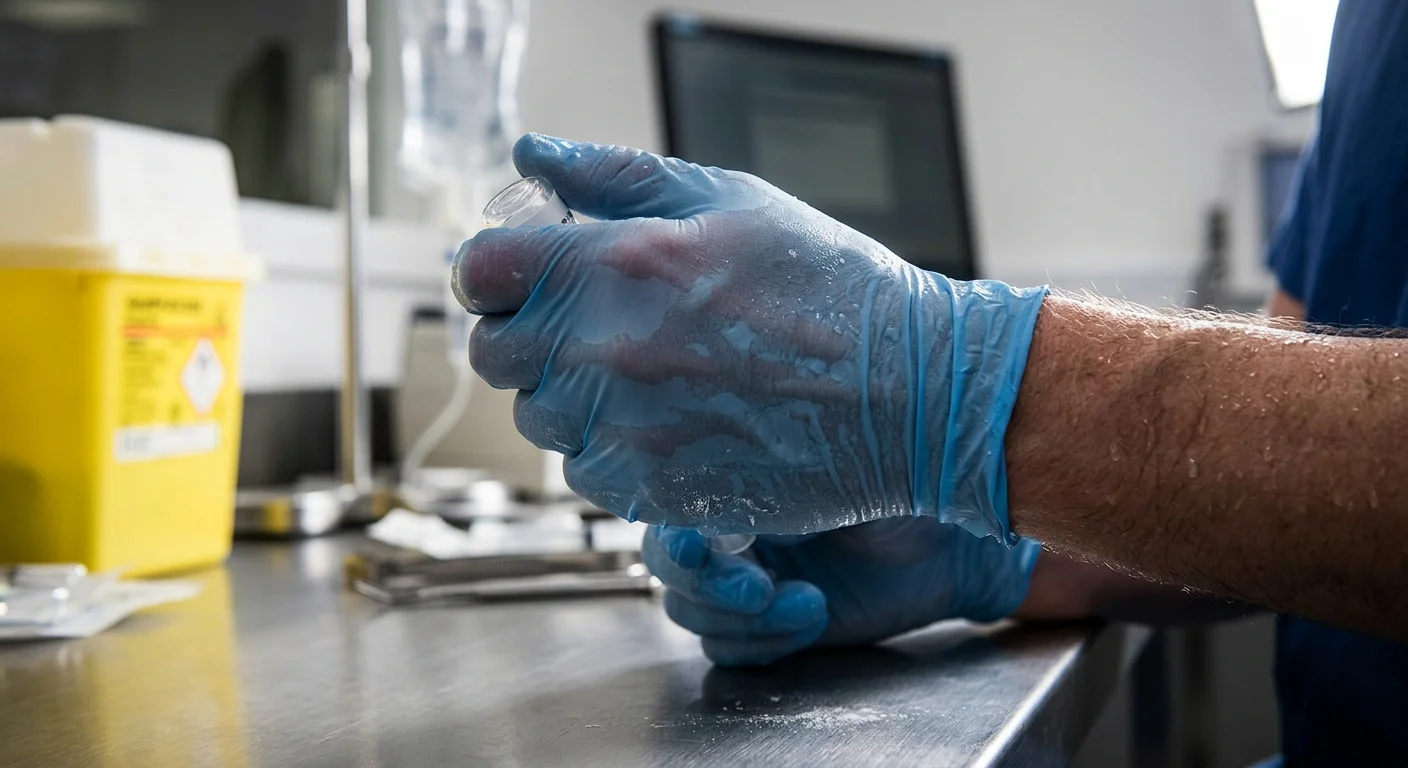
Not all sweat is created equal. Your body handles some of it in the background without you noticing. Other times, it takes over completely.
The line between “normal” and “problematic” depends on where you work, what you’re holding, and what happens if your grip fails. Here’s where that line falls.
In Clinical and Food-Handling Environments
Gloves that trap moisture in high-stakes settings cause more than discomfort. Damp inner surfaces reduce tactile sensitivity — the feedback you rely on to detect pressure changes, fragile materials, or sterile field integrity. Watch for these signs:
-
Visible condensation pooling inside the glove after 30–40 minutes
-
Gloves sliding or rotating on the hand during precise tasks
-
Skin that looks blanched or wrinkled at removal — a sign of prolonged moisture exposure
These aren’t minor annoyances. Each one signals that your glove-skin interface has broken down and is no longer doing its job.
In Physical and Industrial Work
The numbers are clear. Workers in high-exertion environments can lose more than 1.5 litres of sweat per hour. Over a 10-hour shift, total fluid loss can reach 4.7 litres in summer conditions. That doesn’t yet account for glove occlusion, which traps heat directly at the hand and pushes moisture levels even higher.
Studies show that every 1°F rise above 77°F cuts productivity by about 1%. Layer in hand fatigue from moisture-softened skin and a weakened grip, and the problem compounds fast. This isn’t a passing irritation — it builds shift by shift.
Beyond Situational Sweat: Recognizing Hyperhidrosis at Work
Some workers aren’t dealing with heat or exertion. They’re dealing with hyperhidrosis — a condition that affects an estimated 15.3 million U.S. adults. Sweating happens regardless of temperature, physical effort, or stress levels. 70% of cases are classified as severe in at least one body area.
The work impact is measurable. 46.8% of people with hyperhidrosis report a direct effect on work performance. 63% say it interferes with routine tasks. Yet only 27% ever get a formal diagnosis.
Glove discomfort that persists no matter how often you take breaks, switch gloves, or improve ventilation — that’s a pattern worth taking seriously. It points directly to which glove technology will actually make a difference.
Hartalega vs Conventional Nitrile Gloves: Sweat Comfort Comparison for Long Shifts
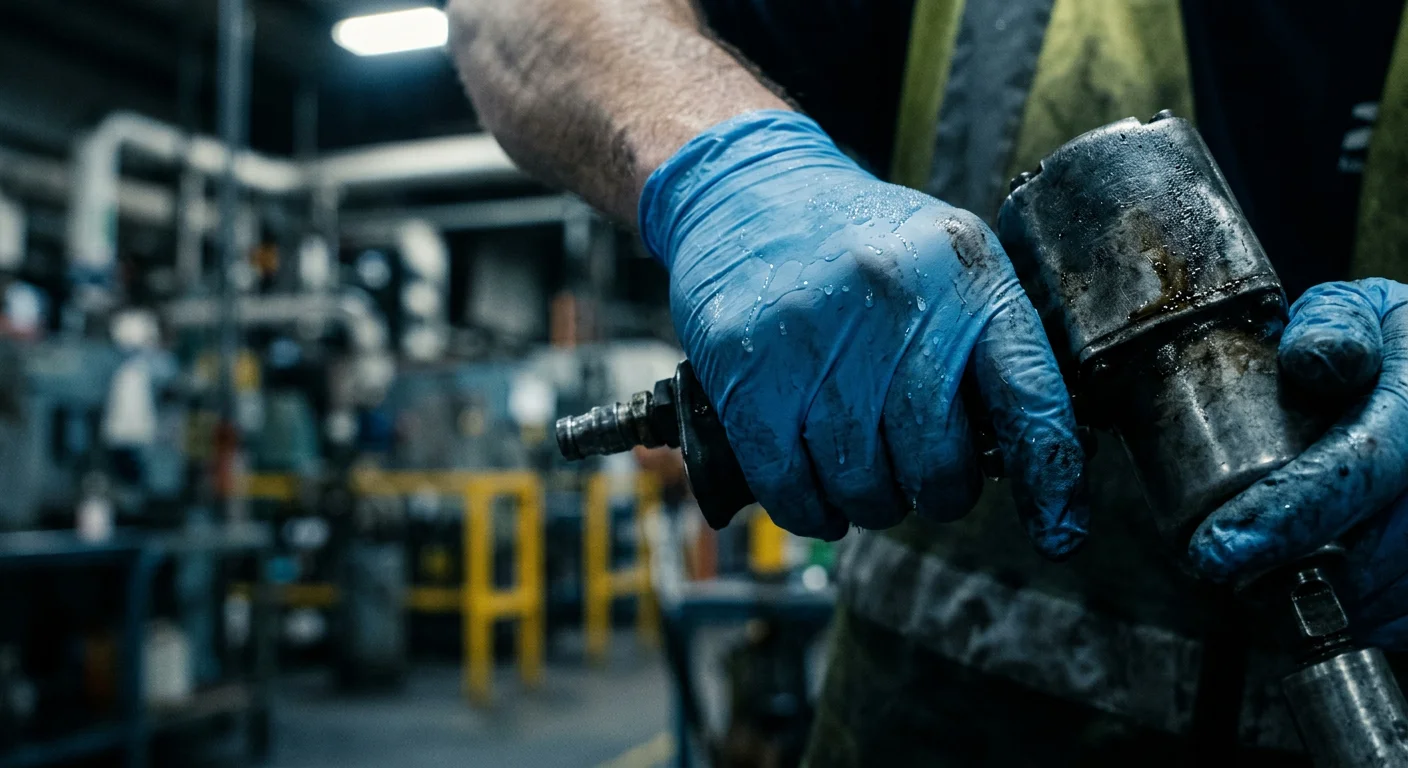
Here’s the uncomfortable truth about standard nitrile gloves : comfort was never the design priority.
Conventional nitrile does its core job — it creates a barrier. But barrier protection and wearability are two separate engineering problems. For decades, the industry accepted that solving one meant tolerating the other. Low tactile sensitivity. Heat retention. Moisture is building up against the skin with nowhere to go. Workers adapted. Procurement teams called it standard.
Hartalega didn’t.
What the Data Shows?
The clearest evidence comes from a direct head-to-head test: Hartalega’s COC (Colloidal Oatmeal Coated) gloves vs. the brand’s own SNE (Standard Nitrile Exam) gloves — the conventional construction most workplaces still use.
The result was clear. SNE wearers reported sweaty or sticky hands during long wear. COC wearers reported no sweat issues at all.
That’s not a small improvement. That’s a completely different experience at the glove-skin level across a full shift.
The reason isn’t magic — it’s material science. Hartalega’s COATS® Colloidal Oatmeal Coating is proven in clinical studies to improve skin moisture levels and strengthen the skin barrier during extended use. Instead of letting moisture build up, the coating works to cut irritation at the source. The Skin Protectant Coated variant goes further. It carries FDA-recognized coating technology, proven to protect and moisturize skin from the dryness and irritation that comes from long glove wear and repeated hand washing.
So the glove protects on both sides — not just against hazards, but against skin damage too.
Where Conventional Nitrile Falls Short on Long Shifts?
Standard nitrile gloves have a built-in structural problem that no branding can fix. They trap heat, block moisture transfer, and give you low tactile sensitivity. Over an eight- or ten-hour shift, these issues add up fast.
Even well-funded competitors are working to close this gap:
-
Ansell’s ultra-lightweight nitrile line (2023) delivered +33% comfort improvement and +41% tactile sensitivity gains over standard construction.
-
SHOWA’s MFT PRO (2024) tackled moisture head-on with a microfiber liner built to wick sweat away from the skin, cutting irritation and chafing.
The fact that these updates are treated as major wins tells you how low the starting point was.
How Hartalega’s Construction Holds the Line?
Hartalega’s NGX Nitrile line was built for extended wear. You get outstanding durability, strong elasticity, and a construction that keeps barrier integrity intact — without the stiff, fatiguing fit that speeds up sweat buildup. The Exam Glove range adds to this with high elasticity, touch sensitivity, and comfort built for long-hour task performance.
Both lines meet EU and US regulatory standards. Both are latex-free, which cuts allergy risk while keeping puncture resistance and solid barrier protection.
The logic behind the engineering is straightforward:
-
A glove that tires the hand creates tension.
-
Tension builds heat.
-
Heat drives sweat.
Hartalega glove’s fit-forward design breaks that cycle before it starts. That’s what a 10-hour shift demands.
How to Choose the Right Hartalega Glove for Your Work Environment?
No single glove works for every hand. The right choice depends on your work environment, your shift length, your skin, and the hazards right in front of you.
Here’s how to cut through the noise and match the right Hartalega nitrile glove to where you work.
Start With Your Biggest Risk Factor
Before anything else, answer one question: Does anyone on your team have a latex allergy?
If yes, your material choice is already clear. Nitrile, polyisoprene, and polychloroprene are your options. Latex stays off the table. This isn’t a preference — it’s a safety baseline.
From there, your environment narrows the field further:
-
Medical and surgical settings : AMG™ Nitrile, polyisoprene, or latex options. All are impermeability-tested, chemotherapy-drug safe, and elongation rated at ≥500%. These gloves block contamination in both directions.
-
Extended exam and long-task work : Polychloroprene or COATS®-coated nitrile. Sweat control becomes a core feature here. Hartalega’s COATS® gloves deliver a 106.1% improvement in skin hydration — four times better than standard uncoated nitrile. Water evaporation decreases by 11.9% with coated gloves. Standard construction, by contrast, shows a 6.1% increase . Over a full shift, your skin feels that gap.
-
Food contact environments : AMG™ Nitrile, compliant with FDA 21 CFR 177.2600, BfR XXI, and Japan Sanitation standards. Tested across acidic, alcoholic, and fatty food simulants. No grey area on compliance.
-
General and outer-layer tasks : Standard nitrile or latex with an anatomical fit. The goal is free motion and low fatigue over time.
The Five-Step Selection Framework
Don’t choose by price or habit. Use these five steps instead:
-
Assess your hazards first. Latex allergy on-site? Go nitrile, polyisoprene, or polychloroprene — no exceptions.
-
Check your shift length. Wearing gloves beyond four hours? Polychloroprene or COATS® coated gloves protect skin integrity better for long shifts.
-
Verify the standards you’re setting. AQL 1.5, ISO 374-1/5, EN virus protection norms — confirm your gloves carry the certifications your industry demands.
-
Get the fit right. Hartalega runs XS through XXL, ambidextrous across most lines. Palm width and length get inspected every four hours per production line. A poor-fitting glove speeds up fatigue — and fatigue speeds up sweat.
-
Match the coating to the skin condition. Frequent hand washing, dry or reactive skin? Colloidal oatmeal coating (FDA-recognized) cuts irritation at the source. Hygiene-critical environment? AMG™ adds an antimicrobial layer.
The Benchmarks That Matter
Procurement decision on your desk? These are the numbers to check:
|
Specification |
Benchmark |
|---|---|
|
Palm thickness |
0.11mm |
|
Finger thickness |
0.12mm |
|
Minimum length |
230–240mm |
|
Tensile strength |
≥16 MPa |
|
Elongation |
≥500–650% |
|
Skin hydration improvement (COATS®) |
106.1% vs. baseline |
|
Packaging |
100 gloves/box, 10 boxes/carton |
These numbers do more than fill a purchasing checklist. They show you whether a glove was built to last a full shift — or just built to ship.
Practical Tips to Minimize Sweating While Wearing Hartalega Gloves at Work
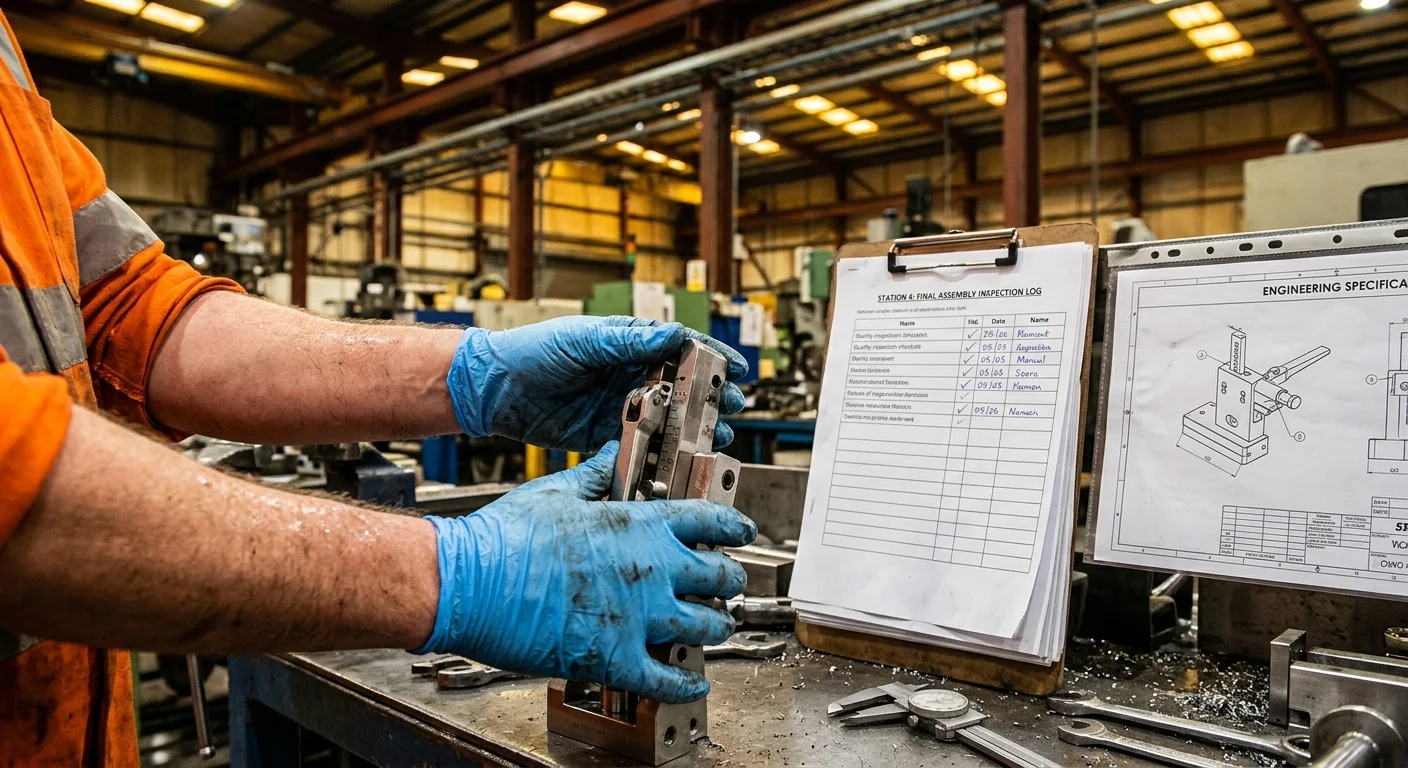
The Hartalega glove is half the equation. What you do before, during, and after wearing it decides whether sweat stays manageable or becomes a shift-long problem.
These aren’t general wellness tips. They’re field-tested strategies — ranked by how fast they work and how much they matter across a full workday.
Change Your Hartalega Gloves More Often Than You Think You Need To
Thirty to sixty minutes. That’s your window before moisture builds up inside the glove and starts working against you.
Most workers push well past that point without noticing. The fix is simple: build glove rotation into your workflow like any other task. Pull the glove off. Wash your hands. Dry them — not mostly dry, but bone dry. Use a small towel if needed. That two-minute reset does more for hand hygiene and comfort than any product upgrade you’ll find.
Build a Moisture Defence Before You Even Put the Hartalega Glove On
Topical antiperspirants work. Products with aluminum chlorohydrate or aluminum chloride block sweat glands at the source. Apply them to dry hands before gloving. This cuts moisture output before it starts. Not a workaround — a real fix.
Prefer something without active chemistry? Try absorbent powders — baking soda or cornstarch — applied inside the glove. They cut measurable moisture. Lab testing shows reductions of 20–30% in glove moisture levels. Skip prolonged talc use. Safety concerns around repeated skin exposure remain unresolved.
One more: stay hydrated. Eight to ten glasses of water per day lowers your core body temperature. Lower core temperature means less palm sweat. It’s that direct.
Use Glove Liners as a Sweat Buffer
A thin fabric liner under your Hartalega glove shifts the sweat dynamic. Cotton full-hand or fingerless liners put a wicking layer between your skin and the nitrile. Reusable options like Glovlets — machine-washable, sold in packs of ten pairs — are built for this exact purpose.
For hotter, more demanding environments, try flock-lined nitrile gloves with DriTek®-style construction. They handle moisture at the glove level. Over a thousand wear tests show drier hands, easier on/off, and a clear drop in irritation across hot and humid shifts.
Cool Down Fast When Heat Builds
Here’s something most workers don’t know: spray 70% ethanol on the outside of your gloved hands. It creates a rapid cooling effect in seconds. It won’t dry out your skin — the glove acts as a barrier. Plus, it breaks the heat buildup that triggers sweat spikes mid-task.
Sweat as a Medical Issue, Not a Work Issue
You’ve rotated gloves, tried liners, used antiperspirants — and the problem still won’t quit. That’s not a glove problem. That’s hyperhidrosis, and it needs a different approach.
Iontophoresis is a treatment that passes a weak electrical current through water to reduce hand sweat over time. No chemicals. No documented side effects. It works — but few people use it because the condition itself rarely gets diagnosed. Consider this: 46.8% of hyperhidrosis sufferers say it directly affects their work performance. Yet 27% ever get a proper assessment. That gap is a clinical problem, not an equipment one.
Also worth adding to your post-shift routine: protective barrier creams and medicated ointments applied after glove removal. These restore your skin after long hours of occlusion — especially for workers using Hartalega’s powder-free nitrile gloves alongside frequent hand washing.
The goal isn’t zero sweat. The goal is keeping moisture at a level where your grip, your focus, and your skin stay intact — shift after shift.
FAQ: Quick Answers for Common Hartalega Glove Concerns
Good questions deserve straight answers. Here are the ones that come up most often.
What makes Hartalega nitrile gloves different from the rest?
Hartalega was the first manufacturer to produce soft, stretchy nitrile gloves that replicate the feel of natural rubber latex. Most competitors still can’t match that. They also hold the record for the world’s thinnest gloves — trimming weight from 4.7 grams in 2005 down to 3.7 grams by 2007. That reduction had a real purpose. Thinner gloves give you better tactile feedback and less hand fatigue. Plus, they trap less heat against the skin.
Are Hartalega gloves safe for people with latex allergies?
Yes, completely safe. Nitrile removes the protein allergy risk that latex carries. Hartalega takes it a step further with MGEN-2 technology. This removes the sulphur vulcanizing agents behind 90% of Type IV allergic reactions. So if you deal with skin sensitivity and glove-related sweat discomfort, that’s a combination worth noting.
How does Hartalega control glove quality at scale?
Every work glove goes through DQS — an automated defect removal system that backs a 100% defect-free guarantee. Production runs at 28,000 pieces per hour, the fastest rate in the industry. Quality stays consistent across that volume through 24/7 automated monitoring. Certifications include ISO 9001 , ISO 13485, and ISO 14001.
How large is Hartalega’s operation?
Current annual capacity sits at 37 billion Hartalega gloves. Planned expansion pushes that past 44 billion pieces once NGC reaches full output. Hartalega exports to every major region — the Americas, Europe, Asia Pacific, Africa, and the Middle East. The company holds an 18% share of the U.S. market.
Who are Hartalega gloves built for?
-
Healthcare workers
-
Food processing teams
-
Laboratory staff
-
Industrial professionals
Spend hours inside a Hartalega glove, and the difference shows. Every product line reflects engineering choices built around comfort, protection, and long wear.
Conclusion
Let’s be real—sweaty hands aren’t a personal failing or a sign of poor hygiene. It’s just simple physics. When you trap your skin against a rubber barrier for hours on end, moisture is going to build up. That’s just the reality of the job.
The real question we should be asking isn’t whether your gloves make you sweat. Honestly, they all do to some degree. What actually matters is whether your gloves are actively handling that moisture, or just making things miserable for your team.
This is exactly where Hartalega gloves change the conversation. Things like precision fit, optimized material thickness, and those clinically tested inner coatings? They aren’t just fancy marketing terms. Out there on the floor, they are the literal difference between a shift you barely notice and one where your hands are screaming for a break long before the clock stops.
So, whether you’re sourcing powder-free nitrile gloves for a strict clinical ward, a heavy-duty production line, or a food prep environment, simply passing basic safety standards isn’t enough anymore. Your team needs gear that holds up through the daily grind without fighting your hands the whole way.
Ready to upgrade your team’s hand protection? Every workspace has its own unique challenges, and sometimes off-the-shelf products just don’t quite hit the mark. If you need custom safety gloves tailored specifically to your facility’s operational hazards, get in touch with Morntrip . Let’s work together to build a solution that keeps hands safe, dry, and actually comfortable shift after shift.