

Standing in the baby aisle, you wonder if bibs matter for a newborn who only eats and sleeps. The truth: most newborns don’t need bibs at first, but many do within weeks due to drool or spit-up. This guide explains when baby bibs help, which types suit newborns, and whether they’re worth buying—or skipping.
Do Newborns Need Baby Bibs? The Practical Truth
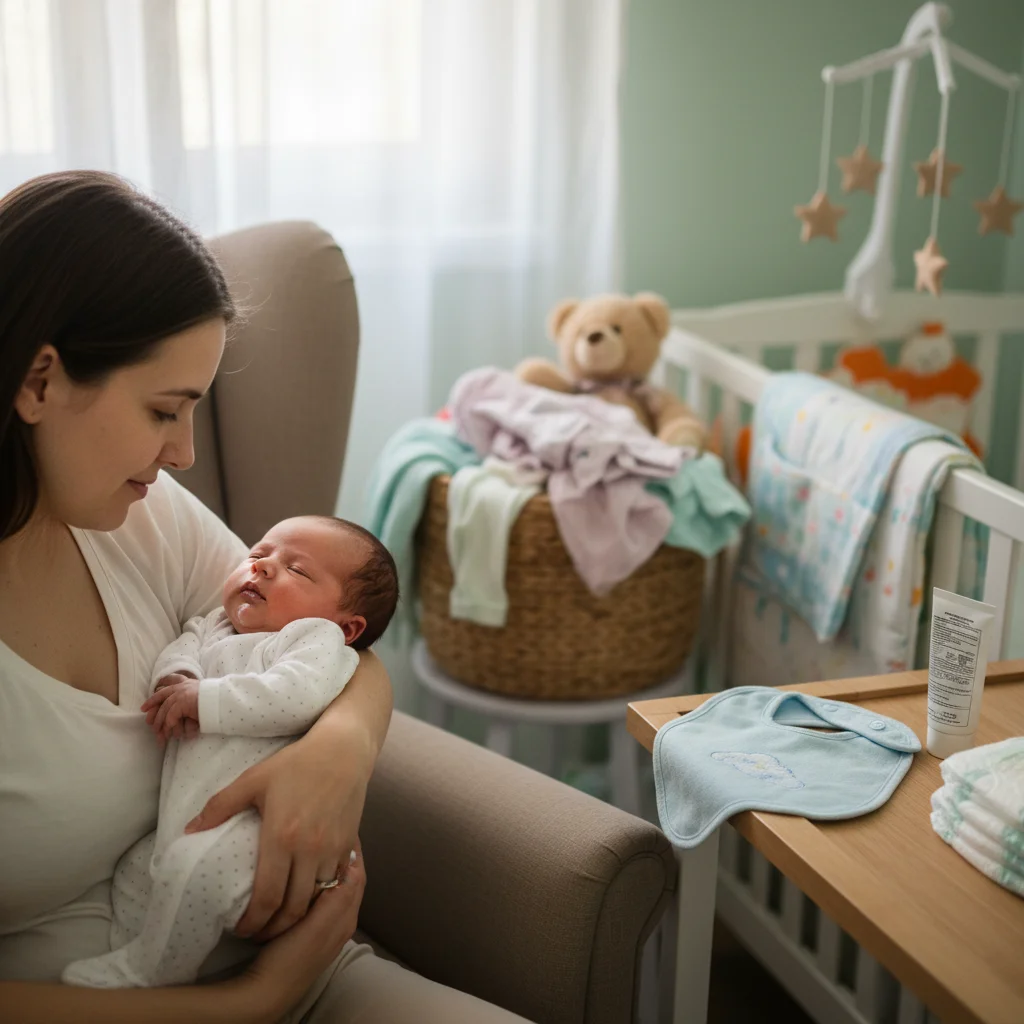
Most newborns don’t need bibs in their first few weeks of life. They nurse or bottle-feed. They sleep about 16 hours a day. The heavy drool phase hasn’t started yet. But things change fast. Spit-up happens without warning. Milk dribbles down those tiny chins more often than you’d expect.
The reality? Parents keep 6–8 bibs on hand for a newborn. That number isn’t random. Babies spit up 5–10 times a day (some even more). You need extras while running laundry cycles.
Baby Bibs Become Useful Fast
Your baby won’t stay bib-free for long. The 0-3 months baby products market is growing through 2030. There’s a good reason for that. Around week 6 or 8, many babies start making more saliva. Some spit up more after feedings. Those cute onesies? Soaked through by mid-morning.
Bibs create a practical buffer zone. They catch drool before it soaks into clothing. They protect outfits during feeding time. Plus, they save you from doing laundry three times a day.
The “Need” Depends on Your Baby
Every baby is different. Some newborns are champion spitters. Others drool very little until teething starts around month four. Watch your baby’s patterns for a week or two. Changing outfits multiple times a day because of wetness? Bibs have earned their place in your routine.
Muslin bibs work well for newborns. They soak up drool and spit-up better than most fabrics. They’re breathable. This prevents that clammy feeling against delicate skin. They’re lightweight too. Tiny babies don’t even notice they’re wearing them.
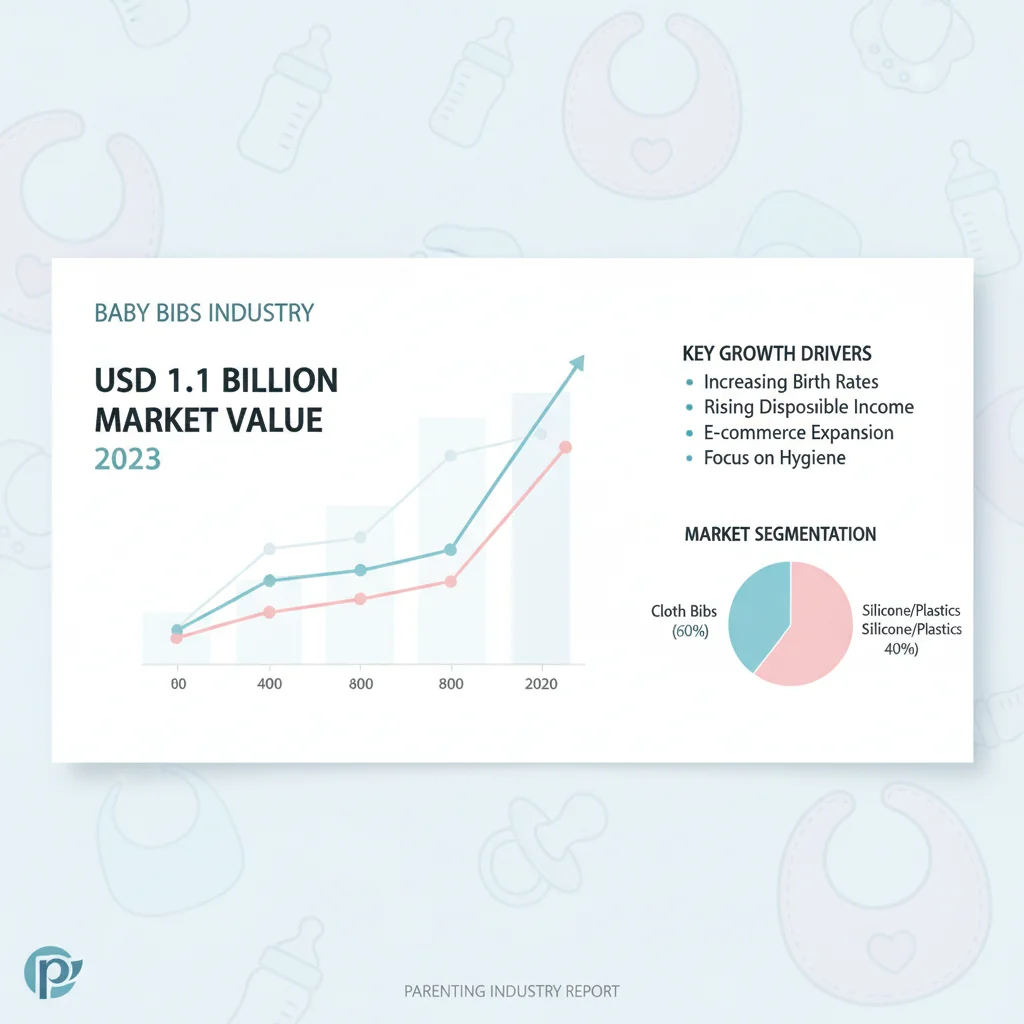
The global baby bibs market hit USD 1.1 billion in 2023. Parents buy bibs because they work, not because they’re trendy.
Does Your Newborn Need a Baby Bib? Age-by-Age Timeline
Babies change fast. What worked last week might not work tomorrow. Their drool habits shift. Their feeding patterns evolve. Here’s what to expect month by month. You can plan ahead without buying too much too soon.
The First Three Months: Light and Optional
Newborns (0-3 months) don’t drool much yet. Their salivary glands are still waking up. But they do spit up. A lot. Those 8-12 feedings each day bring 3-5 spit-up episodes. Some babies have even more.
Keep 6-8 burp cloth-style bibs within arm’s reach. These work better than regular bibs for tiny newborns. They’re soft. They cover more surface area. They tuck under chins during feeds without feeling bulky.
Cotton bibs are your safest bet at this stage. They’re lightweight enough that your baby won’t even notice them. They absorb milk dribbles. They won’t feel clammy against delicate skin.
Months Two Through Four: Things Start Shifting
Around week 8 or 10, something changes. Drooling picks up. Spit-up might increase too. Your baby’s becoming more alert. Their mouth is producing more saliva. Those outfit changes are happening every few hours.
Bibs transition from optional to useful now. You’re still in lightweight cotton territory. No need for heavy-duty gear yet. Just simple cloth bibs that catch drool before it soaks through to clothing.
The Four to Six Month Window: Teething Begins
Bibs become a must-have at this stage. About 70% of infants start teething during these months. Drool appears every 1-2 hours like clockwork. Some babies look like tiny fountains. Others just have damp chins.
Stock 8-12 bibs now. Mix your collection. Get 4-5 silicone pocket bibs for messier moments. Add 4-5 soft cloth options for general drool patrol. Grab 2-3 bandana bibs because they’re cute and functional.
Many parents also start solids around month six. The American Academy of Pediatrics recommends solid foods at this point. You’re dealing with pureed sweet potato on cheeks. Rice cereal in hair. Mashed banana everywhere. Those silicone bibs with deep pockets? They catch food before it hits the floor.
Beyond Six Months: Peak Bib Season
Months 7-12 are the bib Olympics. Your baby eats 3 meals plus 2-3 snacks each day. They’re teething hard. They’re learning to self-feed. Food goes everywhere except their mouth.
You’ll want 12-16 bibs in rotation. Here’s the winning formula. Get 6-8 waterproof or silicone bibs with deep pockets for meals. Add 3-4 smock-style bibs for really messy foods. Keep 3-4 cloth or bandana bibs for drool between meals.
This sounds like a lot. But you’re doing laundry every 2-3 days instead of each day. You need the backup.
Toddler Years: The Wind-Down
After the first birthday, drool decreases. Self-feeding improves (but slowly). You can scale back to 8-10 bibs. Messes still happen. Spaghetti nights require full smock coverage. But the constant drool? It’s slowing down.
Most kids outgrow bibs between 18-36 months. Spoon skills improve. Motor control gets better. Teething wraps up around 24-36 months. One day you’ll realize the bibs have been sitting unused in the drawer for weeks.
The baseline? Start with 8-10 bibs total if you wash each day. Double that if laundry happens every few days. For newborns, soft cotton bibs are optional. Wait until their spit-up or drool patterns show up.
Best Baby Bib Types for Newborns (Material & Design Matter)
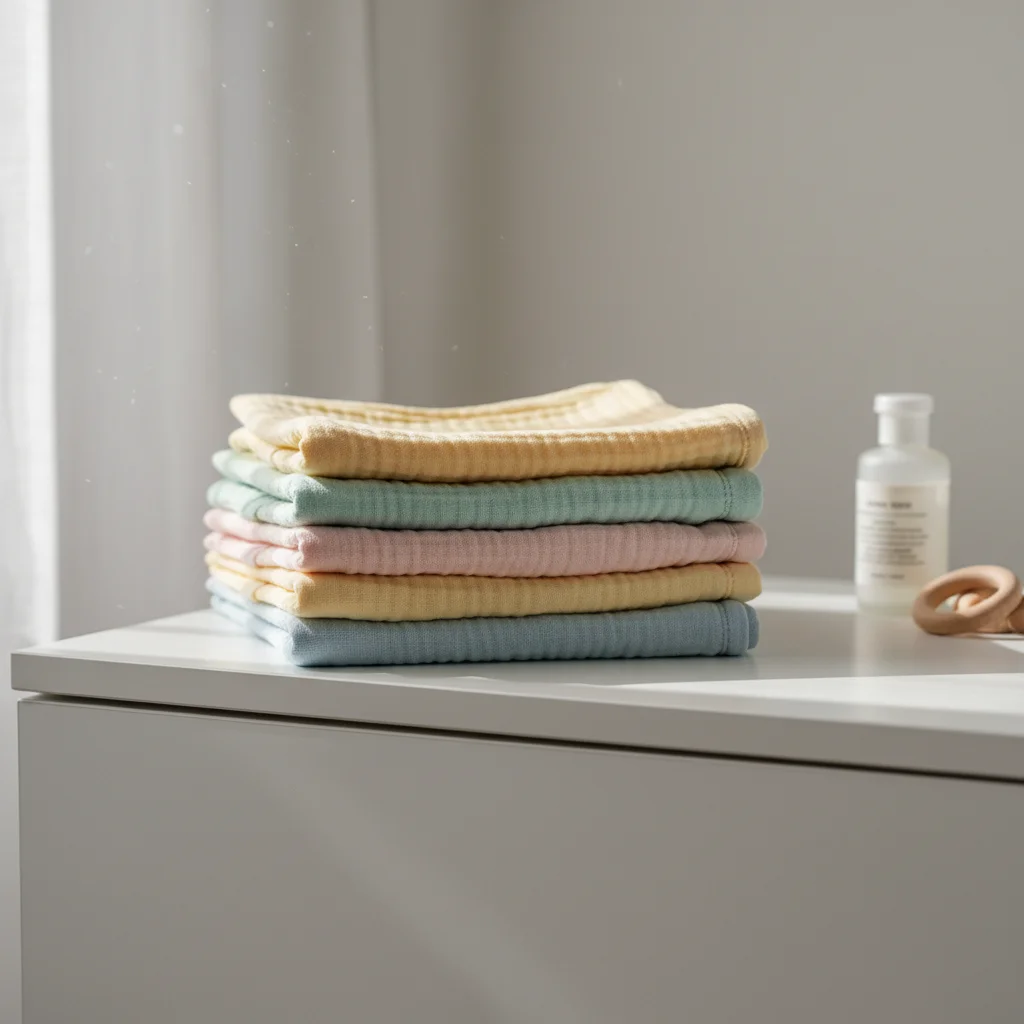
Soft cotton wins for tiny newborns. It’s not complicated. Your baby’s skin is paper-thin and sensitive. They’re spitting up milk, not flinging mashed carrots. They need gentle fabric that absorbs liquid. Not stiff silicone or fancy pockets.
Cotton and natural fiber bibs work best for the 0-6 month stage. They soak up drool and spit-up better than any other material. They breathe well. They don’t irritate delicate neck folds. Plus, they wash in your regular laundry cycle. No special care required.
The Cotton Advantage: Why It’s Perfect for Newborns
Cotton bibs absorb liquid like champions. Multi-layer versions work even better. Terry cloth backing adds extra absorption. They create a soft barrier between wet drool and your baby’s clothing. The fabric breathes too. Synthetic materials make babies sweaty and uncomfortable in warm weather. Cotton doesn’t.
The Babaro Cotton Baby Bib offers 100% soft cotton in nine adorable designs. Think bunnies, foxes, owls. It costs £17.16 and fits newborns through 12 months. Parents love it for drool management. The cotton stays soft wash after wash.
Another standout? Nest Designs Burp ‘n Bib. It transforms from burp cloth to bib with a simple adjustment. It soaks up liquid well. It’s built to last. Many parents call it the most effective option for newborn spit-up.
Burt’s Bees Baby Organic Cotton bibs use 100% organic cotton layers with zero plastic or silicone . They’re soft and natural. The tradeoff? They resist water less than synthetic options. But newborns need comfort over waterproofing. These bibs deliver that.
Basic cotton bibs run £3-8 each. Premium versions like the Babaro climb to £17 or more. That’s still reasonable. You’ll use them multiple times each day.
Material Comparison: What Works and What Doesn’t
Bamboo muslin deserves attention too. It’s softer than cotton. It breathes well. It gets softer with each wash. These bibs contour around a newborn’s tiny neck without gaps. They handle drool like pros. The downside? Many require gentle or hand washing. This adds extra steps to your laundry routine.
Silicone bibs fail newborns in every way. Yes, they’re popular. Yes, you’ll see them everywhere. But they cost £15-30 each and absorb zero drool. They’re rigid and stiff against soft infant skin. That deep pocket everyone raves about? Useless for a two-month-old who drinks milk only. Save silicone bibs for month six. Solid foods start then. Before that, they’re uncomfortable and pointless.
Hypoallergenic properties matter more than you’d think. Cotton rates best for sensitive skin. Bamboo comes close. Food-grade silicone causes reactions in less than 0.5% of babies. But the material itself makes newborns uncomfortable. That’s what matters.
Design Features That Help
Bandana-style bibs with half-moon shapes work well on newborns. They contour the neck without bunching. They come with adjustable snaps that grow with your baby. Look for terry cloth backing. It boosts absorption. Your baby stays drier longer.
Multi-layer construction makes a huge difference. Single-layer bibs get soaked fast. Two or three layers trap liquid before it seeps through. Terry backing prevents that cold, wet feeling against skin. Babies stay more comfortable between changes.
Snap or velcro closures beat ties every time. They’re secure on tiny necks. They don’t loosen on their own. They don’t irritate skin like scratchy ribbons can. The Burp ‘n Bib uses snaps for this reason.
Avoid bibs with wide neck openings. They gap on newborns and let drool slip through to clothing anyway. Skip rigid pockets too. They catch food chunks, not liquids.
What to Buy
Start with 8-12 soft cotton or bamboo bibs. That gives you enough backups. You’ll run laundry every 2-3 days. Choose ones with terry backing for better absorption. Pick adjustable closures that work on small necks. Go for machine-washable options to save your sanity.
Cotton remains the smartest buy. It absorbs the best. It costs the least. It comes in endless patterns. Silicone costs 2-5 times more and offers zero drool protection for infants under six months.
Your newborn needs comfort and function. Not trendy gear that looks cute in photos but fails at its job. Stick with soft, absorbent natural fibers. Save the fancy waterproof bibs for later. Messy solids arrive soon enough.
Smart Shopping: How Many Baby Bibs Do You Need?
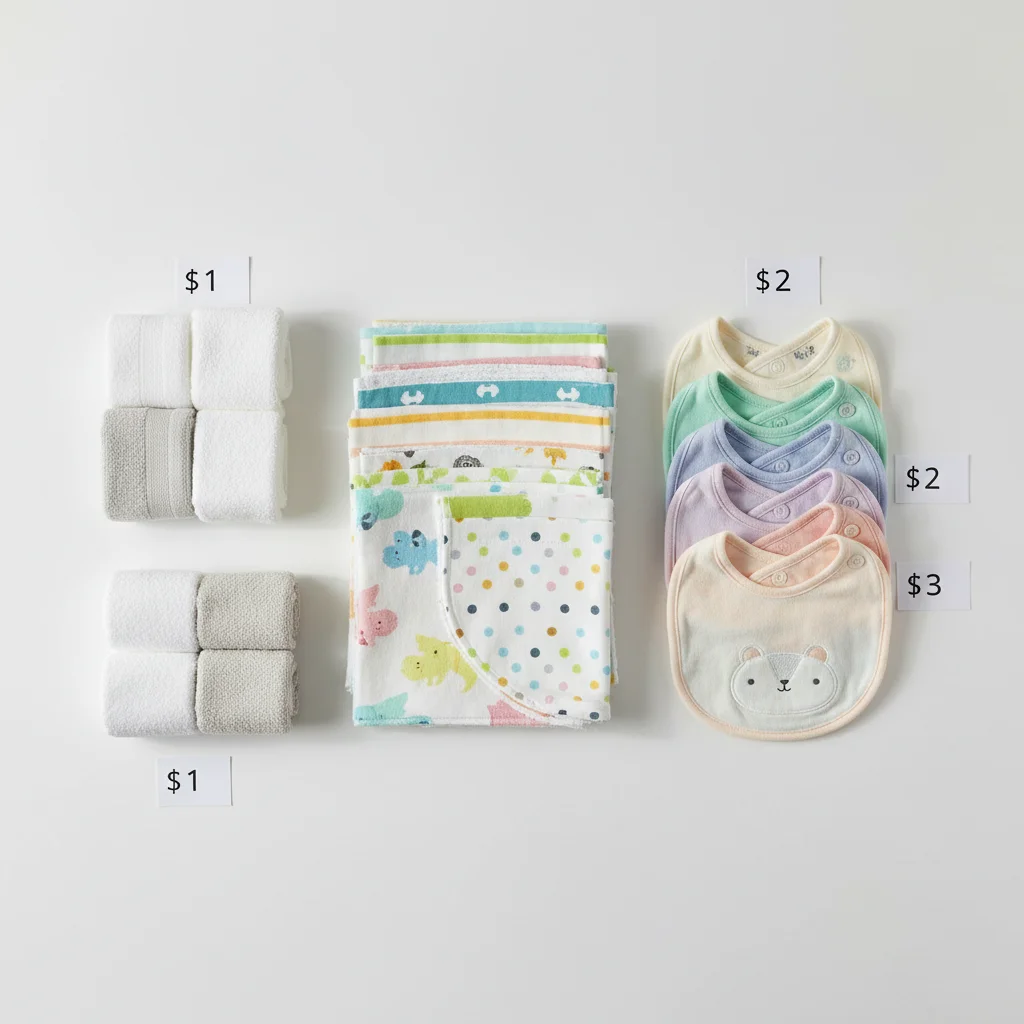
Eight to twelve baby bibs sounds reasonable for a newborn setup. That assumes you’re doing laundry each day. Most parents don’t have that kind of energy on three hours of sleep.
The real number? Twenty to thirty newborn bibs gives you breathing room. That accounts for multiple changes throughout the day. It covers laundry intervals that stretch to every few days. It includes backup stock for spit-up attacks that happen faster than you can keep up.
Breaking Down the Math
Newborns eat 8-12 times each day. Each feeding means one bib. Some babies spit up after every meal. Others drool through bibs between feeds. You’re changing bibs nonstop during those first months.
The laundry interval method shows why numbers climb fast. Washing every two days with 10 bibs used each day? You need 20 bibs minimum. Add extras for emergencies and you’re at 25-30 pieces total.
Washing each day lets you manage with smaller quantities. But who has the bandwidth to wash tiny bibs every single day while caring for a newborn? Most parents don’t.
What Drives Your Number Higher?
Your baby’s drool intensity matters more than generic advice. Some infants produce waterfalls of saliva. Others stay fairly dry until teething hits around month four. Watch your baby’s patterns for a week. Heavy droolers need more bibs in rotation.
Teething phases increase drool output by a lot. Warmer months make babies drool more too. Your feeding schedule plays a role as well. Two-hour feeds mean more bib changes than three-hour routines.
Don’t forget outings. Pack several extra bibs in your diaper bag. Murphy’s Law guarantees your baby will spit up the moment you run out of clean backups.
Matching Baby Bibs to Age and Eating Stage
The 0-6 month window needs regular drool bibs. Babies aren’t eating solid food yet. Soft cotton or bamboo options work well. Stock 15-20 pieces if you wash every few days.
Around months 4-6, transition begins. Solid foods enter the picture. You’ll want feeding bibs with pockets now. Keep 8-10 of these on hand. Maintain 6-8 drool bibs for between meals.
Smock-style bibs with long sleeves become useful later. Independent eaters create big messes. These keep clothes dry during self-feeding sessions. They work for arts and crafts time too. Buy 3-4 once your baby reaches that stage.
Compact roll-up bibs like OXO Tot designs deserve space in your diaper bag. They include pockets for feeding spoons. Quick rinse capability means you can reuse them on the go. Three of these work as excellent backups for outings.
Features Worth Paying For
Absorbent materials protect against spills and spit-up better than cheap alternatives. Multi-layer cotton beats single-layer every time. Terry cloth backing adds extra absorption. Your baby stays drier longer between changes.
Adjustable closures extend use as your baby grows. Snap or velcro options work better than ties. They fit tiny newborn necks. They adjust for chunky six-month-old rolls. You’ll use the same bibs for months instead of replacing them.
Easy-to-clean designs reduce your laundry burden. Machine-washable bibs that hold up wash after wash matter. Delicate hand-wash-only options sound nice until you’re doing it for the fifth time that week.
Why More Beats Minimum?
Baby bibs cost little compared to their value. Spending an extra $20-30 for surplus bibs prevents last-minute laundry panic. You won’t be washing tiny bibs at midnight because you ran out of clean ones.
That buffer matters during unexpected situations too. Your washing machine breaks down. You’re sick with the flu. Your baby has an extra drooly week. Extra bibs sitting in the drawer become lifesavers.
Start with 20 bibs total. Get 15 soft cotton or bamboo options for drool. Add 5 feeding bibs with pockets for when solids begin. Scale up if your baby drools a lot or you wash less often. Scale down if washing each day works for your routine.
The investment pays off in fewer outfit changes and less stress. That matters more than saving $30 on bibs you’ll use hundreds of times.
Skip Baby Bibs: Times You Don’t Need Them
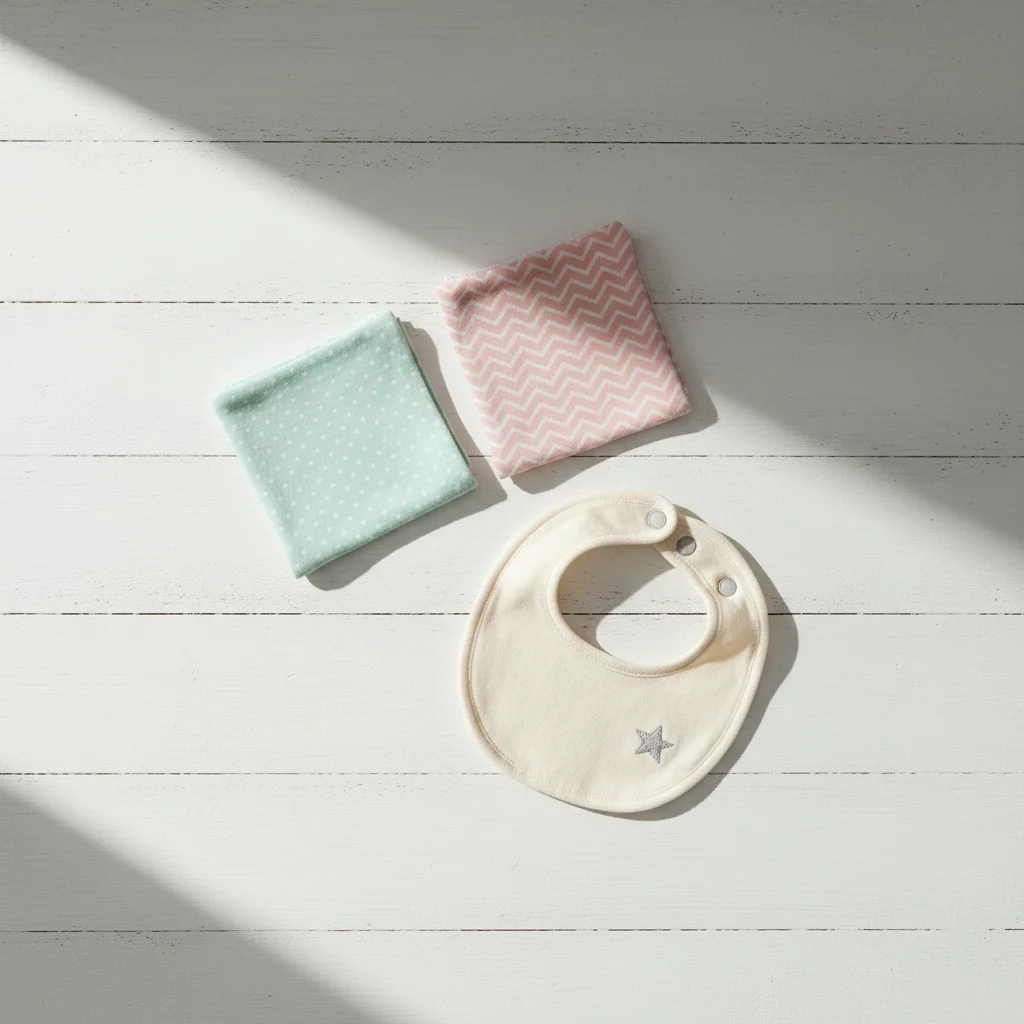
Baby bibs aren’t forever. They’re not even needed for every baby stage. Some phases don’t require them at all.
The first eight weeks pass without bibs for most babies. Newborns produce little drool. Their salivary glands haven’t ramped up yet. Spit-up happens, sure. But burp cloths handle that job just fine. Those tiny bibs sitting in your drawer? They can wait.
Save your money during these first weeks. Your baby won’t notice the difference. You won’t either.
After the First Birthday
Drool drops off after month twelve. Teething slows down. Your baby swallows better. Those soaked bandana bibs that worked overtime for months? They’re collecting dust now.
Many parents stop using drool bibs by 18 months. The constant wetness stops. Your toddler’s shirts stay dry through the day. That pile of 20 bibs you thought you’d use forever? You’re down to maybe two or three for messy snacks.
Self-Feeding Changes Things
Kids develop motor skills between ages two and three. Bibs become less needed. Your toddler grabs a spoon with confidence now. Hand-eye coordination clicks into place. That yogurt makes it from bowl to mouth instead of landing on the floor.
The American Academy of Pediatrics notes self-feeding interest peaks around 18-24 months. Some kids nail it earlier. Others take until age three. Watch your child’s mess patterns. Mac and cheese stays on the plate instead of the shirt? Feeding bibs have done their job.
By age three or four, bibs feel babyish. Most children can eat without creating disasters. They sip from cups without dribbling. They wipe their own mouths (sometimes). The bib phase ends on its own.
Skip Bibs in These Situations
Remove bibs during naps and bedtime. They pose suffocation risks for sleeping babies. Comfort matters too. No one wants fabric bunched under their neck for two hours.
Skip bibs for simple meals after age two. Crackers and cheese don’t require full protection. Plain pasta stays pretty tidy. Save bibs for spaghetti night or berry picking sessions. The rest of the time? Your toddler can handle it.
Breastfed or formula-fed babies under six months don’t need feeding bibs yet. No solid foods means no food mess. Your baby doesn’t spit up much or drool? Regular bibs become optional too. Trust what you see over generic advice.
Some parents never use bibs at all. Their babies stay pretty dry. Their toddlers eat without much mess from the start. That’s your situation? Don’t force gear you don’t need. The right answer depends on your child’s habits, not what other parents do.
Conclusion
Baby bibs aren’t a must for every newborn, but they become useful faster than most parents expect. Start light, watch your baby’s drool and spit-up patterns, and buy only what you need. The right baby bibs at the right time save outfits, laundry, and a lot of daily stress.Looking for custom disposable bibs ? We’ve got you covered.