

Every new parent faces the baby aisle dilemma: when to use bandana bibs. Drooling timelines vary—some babies stop at ten months, others continue into toddlerhood. This guide covers typical stages, how many bandana bibs you need, and when to pack them away, helping you manage drool with clarity and less guesswork, whether you’re expecting or reassessing your routine.
Babies and Bandana Bibs: Starting from Day One (Newborn to 3 Months)
 Newborns don’t need bandana bibs. But they can help from day one. Think feeding mishaps. Spit-up surprises. Formula drops that land on that cute onesie you just changed.
Most babies don’t drool much until 2-4 months. Their salivary glands wake up then and work overtime. Bandana bibs at this stage aren’t for drool. They protect tiny outfits. They stop wet neck folds from turning into rashes.
Getting the Fit Right for Tiny Necks
Adjustable snaps make all the difference here. Quality bandana bibs have nickel-free snaps. These fit babies from newborn through 36 months. For your littlest ones, you’ll want:
- Narrowest setting : Perfect for delicate newborn necks. The bib sits snug without any gaping.
- Normal setting : Works by 6-8 weeks as baby fills out.
The rule of thumb? Slip one finger between the bib and your baby’s neck. That’s the sweet spot. Not tight enough to leave marks. Not loose enough to bunch up or catch on things.
The Practical Reality
Do you need 5-7 bandana bibs for a newborn? You’re dealing with frequent spit-up or messy feedings? Then yes. The thick cotton front absorbs well. But it needs washing. A rotation means you’re not doing laundry nonstop. Your baby won’t wear the same damp bib all day.
Plus, they make sweet photo props. Just saying.
Peak Drooling Phase: 3-6 Months Baby Bandana Bib Usage
Around three months, something shifts. Your baby’s salivary glands flip a switch. They start producing saliva for the solid foods that are still months away. The result? Rivers of drool. Wetness everywhere. Soaked onesies by noon.
This is peak drooling territory. Those glands pump out 2-4 pints of saliva each day. Your baby hasn’t figured out how to swallow it all yet. Their oral muscles are still developing. They won’t master that skill until somewhere between 6-18 months. Meanwhile, the drool flows.
Why Bandana Bibs Become Essential Now?
This phase feels different than the newborn spit-up days. The drool never stops. It pools in neck folds. It soaks through regular bibs in an hour. Bandana bibs with their thick cotton front? They absorb what’s happening.
The drool gets worse during certain activities. Your baby babbles away, testing those new sounds. Tummy time brings more drool as they reach for toys. Hand play creates extra saliva—those tiny fists go straight to the mouth, and the drool follows.
Teething signs often appear now too, even if teeth won’t arrive until six months. The extra saliva soothes irritated gums. It’s your baby’s natural remedy. Your job is managing the overflow.
The Real Story
Expect to change bibs 4-8 times each day. Maybe more on heavy drool days. That damp triangle bib? Swap it out. Leaving it on creates moisture against delicate skin. This leads to neck rashes and general crankiness.
Parents stockpile bandana bibs during this phase. Ten to fifteen bibs sounds excessive. But you’ll go through six before dinner. A solid rotation means clean bibs ready while others cycle through the wash.
Fitting matters more now . Your baby’s neck is growing. Measure around 11-12 inches at this age. Small-size bandana bibs (11.5-inch base) with adjustable snaps work well. Use the two-finger test—slip two fingers under the strap. This is your safety check. Snug enough to catch drool. Loose enough to be safe and comfortable.
The drool marathon has started. Stock up and settle in.
Teething Stage: 6-12 Months Bandana Bib Guide
Teeth are coming. You might not see them yet, but your baby’s gums know. The drool tells the whole story. Constant, steady streams soak through everything. Around 70% of babies start teething between four and seven months. The peak hits right in this six-to-twelve-month window.
Bandana bibs earn their place here. The drool isn’t occasional anymore. It’s relentless. Your baby produces more saliva now. This prepares those gums for the teeth pushing through. You’ll be changing bibs every hour or two. Sometimes more often as a tooth breaks through.
What Makes This Stage Different
The absorbency needs change fast. That single-layer cotton bib from the first months? It won’t cut it anymore. Look for bandana bibs with fleece backing. This layered construction gives you 100% organic cotton front paired with polyester fleece behind. You get serious absorption power. The fleece acts like a moisture barrier. It keeps your baby’s chest dry even during heavy drool sessions.
Quality matters here. Hypoallergenic materials prevent skin irritation. No harmful dyes touch that sensitive neck. Bamboo options with terry backing handle the heaviest droolers well. The fabric stays lightweight. You need machine-washable bibs. You’ll be washing them all the time.
The Practical Setup
Stock 12-16 total bibs for this phase. Break it down like this:
- 3-4 bandana bibs for teething and light drool
- 6-8 waterproof bibs for the three meals each day
- 3-4 cloth or additional bandana bibs for general drool management
- 3-4 smock bibs once self-feeding starts (around 8-9 months)
Medium-size baby bandana bibs with adjustable snaps fit this entire stage. They work for neck sizes from about six months through twelve months. The three-snap settings grow with your baby. The bib starts riding up? The neck strap feels snug even on the loosest setting? Size up.
Replace bibs that feel thin, rough, or stop absorbing well. Quality bandana bibs last six to twelve months with regular washing. Around twelve months, transition to toddler sizes. Keep your total bib collection at 8-10 pieces. Drooling usually decreases by then.
Pairing Bibs with Teething Toys
Bandana bibs catch the drool. Teething toys give relief. Use them together. The bib handles the overflow while your baby gnaws on a chilled teething ring. Save the bandana bibs for general wear and light snacking. Pull out waterproof bibs for meals. Let teething toys handle the gum pain.
This six-month stretch feels long. But it’s temporary. The teeth will come. The drool will slow. Until then, keep those bandana bibs in rotation.
Toddler Period: 12-24 Months Still Need Bandana Bibs?
Your one-year-old just smeared sweet potato across the high chair tray. Again. The bandana bibs that handled drool so well? They can’t keep up anymore.
The toddler bib market tells the story. “1 to 2.5 Years Old Baby Bibs” ranks as the second most popular category after the 3-12 month range. The reason is simple. These little ones are exploring solid foods with their hands. They’re active eaters. They spill. They experiment. A small triangle bib won’t cover what’s happening now.
The Function Shifts
Drool protection matters less around twelve months. Most babies master swallowing by then. Teething drool slows down. But food messes? They’re just getting started.
Your toddler needs bibs for different reasons now:
- Meal protection : Spaghetti sauce, yogurt, mashed bananas—everything ends up on their chest
- Self-feeding adventures : Learning to use spoons means food goes everywhere except the mouth
- Snack time coverage : Crackers crumble, juice boxes leak, fruit gets squeezed
- Art and sensory play : Finger paints, playdough, water tables—bandana bibs double as craft smocks
Some toddlers need bibs well into their third year. There’s no fixed endpoint at eighteen or twenty-four months. Messy foods like spaghetti or ice cream? You’ll be reaching for bibs through age three.
Why Large Bandana Bibs Work Better Now?
Switch to large-size waterproof bandana bibs designed for this stage. They’re built for toddlers. 100% polyester construction means you wipe them clean after meals. No more constant laundering. The wider coverage protects their outfit while they eat.
Magnetic closures make everything easier. Your toddler fights regular snaps? A magnetic latch goes on in one second. They can’t wrestle it off mid-meal. The adjustable neck fits them from twelve months through twenty-four months and beyond.
Look for styles with wide pockets that catch drips and dropped food. This feature alone saves you tons of outfit changes. The pocket sits against their chest. It catches what their hands miss.
Making the Smart Choice
Bandana bibs still work during this phase—but just specific types. You need stain-resistant, durable materials now. Adjustable options cut waste by 60% compared to buying new sizes every few months. Your budget will thank you. The planet will too.
Here’s the practical setup for toddlers:
- 4-6 waterproof bandana bibs for meals and snacks each day
- 2-3 traditional feeding bibs with deep pockets for the messiest foods
- 1-2 smock-style bibs for art time and outdoor play
The decorative appeal matters more now too. Bandana bibs look stylish for outings, gatherings, restaurant meals. They protect and look good at the same time. Parents like keeping their toddler looking neat while staying practical.
Your twelve-month-old is entering the messiest phase of eating. Stock up. The bibs aren’t going anywhere for a while.
Signs Your Baby Is Ready to Stop Wearing Bandana Bibs
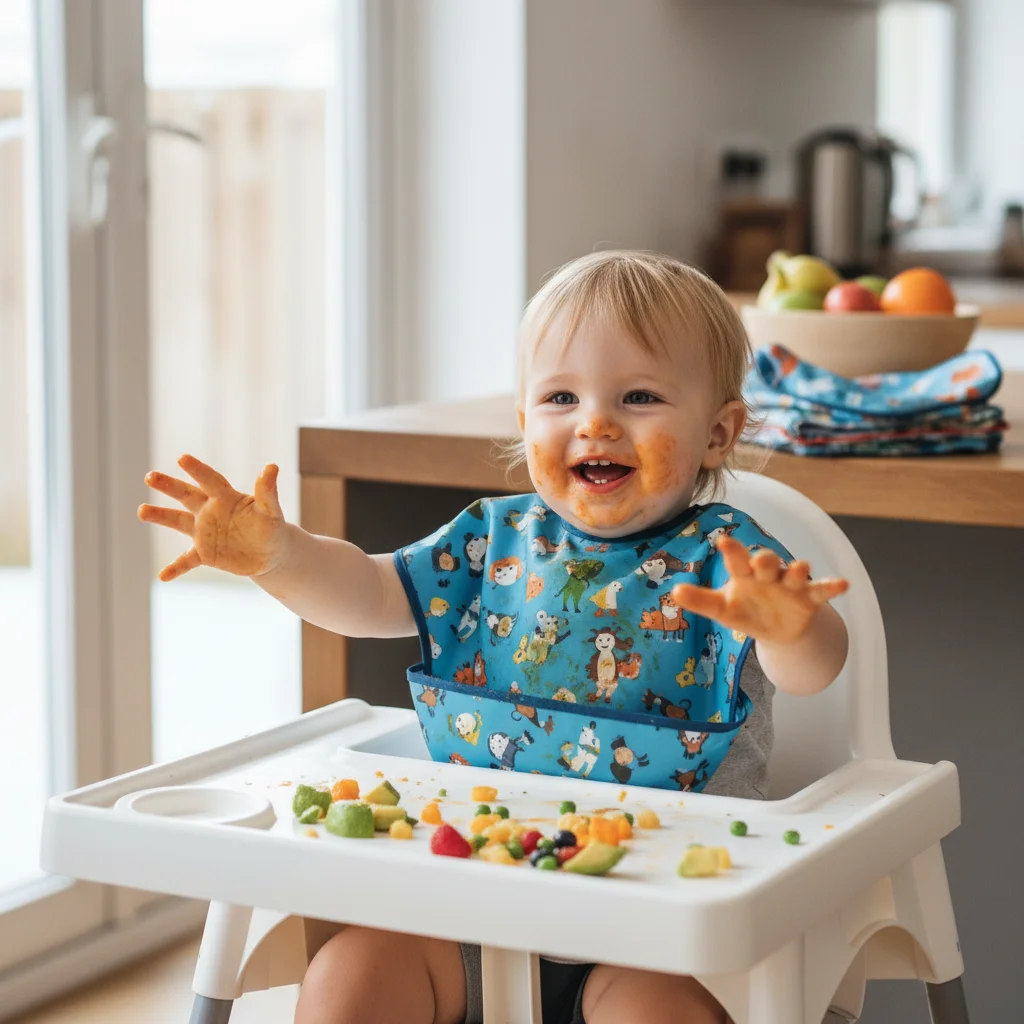 The drool slows down. The bibs stay dry longer. Your toddler pulls them off the minute you turn around. These are your signals.
Most babies reach a turning point around their first birthday. The constant drooling tapers off. You’re not changing bibs every hour anymore. Maybe just twice a day now. Their mouth glands start to match their swallowing skills. The wet chin becomes less common.
The Clear Indicators
Watch for these specific changes between 18-24 months:
Self-feeding gets better . Your toddler grabs the spoon with purpose now. Food makes it to their mouth instead of their lap. The high chair tray looks cleaner after meals. Their collar stays dry during breakfast.
Teething winds down . Most children complete their teething journey by age 2-3 years. The drool that came with each new tooth? It disappears as those molars settle in. You’ll notice the difference. No more damp shirts all the time.
The “nope” phase arrives . Around eighteen months, toddlers form opinions about their clothes. They yank off bibs. They arch away as you try fastening them. This resistance shows they’re ready to go without.
Your bib rotation shrinks . Remember needing 12-16 bibs at peak teething? By age two, you’re down to 8-10 pieces total. You reach for bibs during meals now, not all day long.
Trust what you’re seeing. Bibs feel like overkill rather than necessity? Your baby has outgrown them.
Bandana Bib Size Chart: How to Choose by Age
Size charts look confusing at first glance. All those measurements and age ranges overlap. But here’s the simple truth: your baby’s neck size tells you everything you need to know.
Most newborn bandana bibs come in three standard sizes. Small fits 3-6 months with neck circumferences of 11.5-13.6 inches (29-34.5 cm). Medium works for 6-12 months at 13.6-14.3 inches (34.5-36.3 cm). Large covers 12-24 months with necks measuring 15-15.5 inches (38-39.75 cm).
The Smart Measurement Method
Grab a soft measuring tape. Wrap it around your baby’s neck base, just above the shoulders. Add 1-2 inches for comfort and growth room. A twelve-inch neck? You’re looking at small or medium sizes.
The one-finger test confirms proper fit after you fasten the bib. Slip your finger between the bib strap and your baby’s neck. Too tight causes breathing trouble and skin irritation. Too loose? The bib slips right off.
Why Adjustable Bibs Win?
Adjustable bandana bibs with snap or velcro closures make life easier. One bib works from birth through three years. The neckline adjusts up or down in seconds. SlabEnZo’s small size fits babies from newborn through age three with a 28-32 cm adjustable neck. Their medium stretches from two years through twelve years.
This flexibility cuts waste by 60%. You buy fewer bibs. Your baby wears them longer. The planet benefits too.
Safety Tips for Using Bandana Bibs with Babies
A bandana bib sits around your baby’s neck all day. That demands your attention to safety. The risks exist—choking from detached parts, skin rashes from poor fit, tangling during sleep.
Little Sleepies learned this the hard way. They recalled 450,000 bandana bibs after care labels fell off. These became choking hazards. Two incidents happened before the recall. Those tiny fabric tags looked harmless. They weren’t.
What to Check Every Single Day?
Make bib inspection part of your morning routine. Look for loose threads. Check for weak snaps. Find fraying edges. Spot detaching care labels. Run your fingers along the stitching. Tug on closures. A damaged bib goes straight in the trash—no second chances with baby safety.
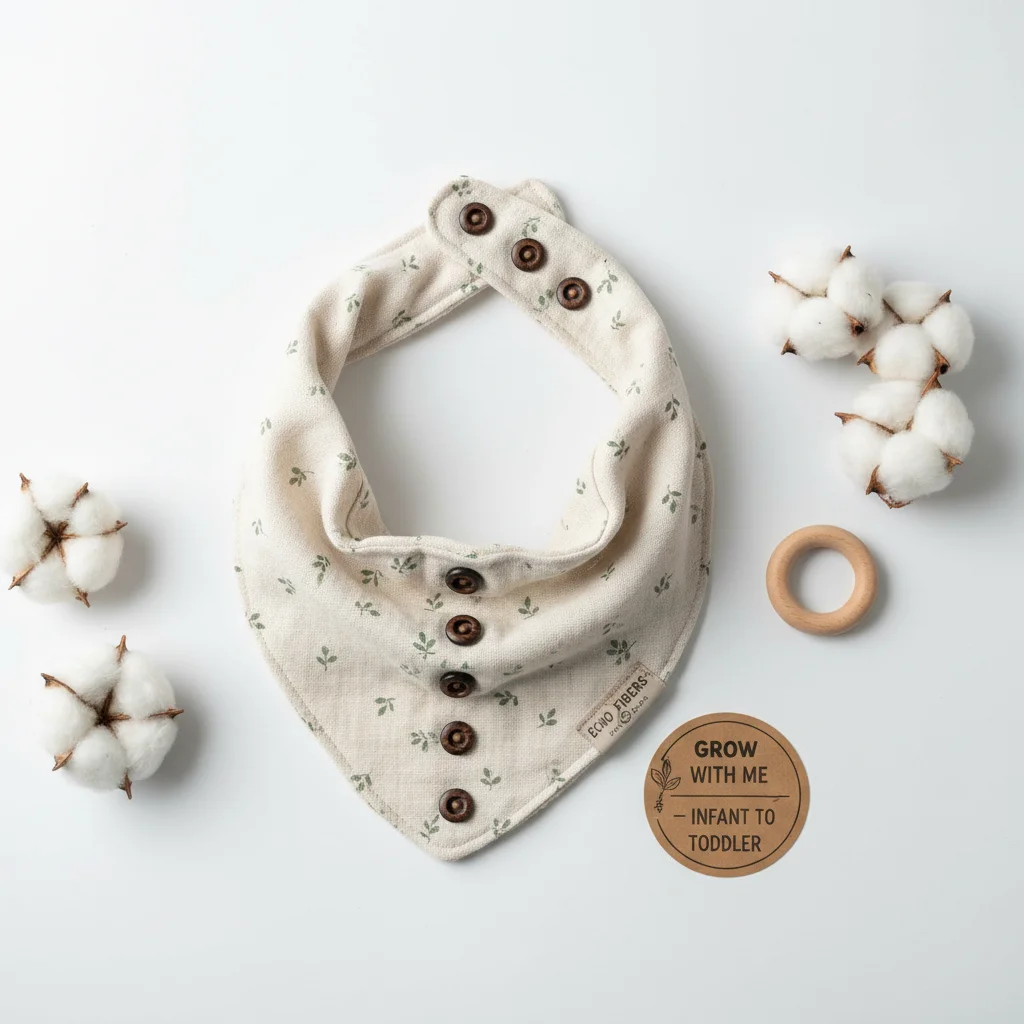
Adjustable closures need special attention. Nickel-free snap systems work best from newborn through toddler years. They’re strong enough that your baby can’t pop them open mid-drool. Cheap snaps break or fall off. Velcro loses grip after washing. Tie closures create tangling risks—skip those.
Getting the Fit Right Every Time
The fit matters as much as the bib itself. Too tight? You’ll see red marks on your baby’s neck. You’ll notice fussiness during wear. Too loose? The bib slides around and bunches up. It poses a choking risk if it catches on crib slats or toys.
Use the two-finger test for newborns through three months. This is peak drool time. Slip two fingers between the bib strap and your baby’s neck. That’s your safety margin. As your baby grows into the 3-36 month range, check the fit each week. Their neck size changes fast during growth spurts.
Material Choices That Protect Skin
Quality materials stop the rashes that come with all-day bib wear. Look for 100% organic cotton on the front layer. This touches your baby’s sensitive skin. The natural fibers breathe better. They cut down on allergy risks.
The backing needs different features. 100% polyester fleece creates a waterproof barrier. It keeps moisture off your baby’s chest. It stops that clammy feeling after hours of drool. This dual-layer design—absorbent front, protective back—keeps skin healthier during peak teething.
Check your baby’s neck each day for redness or texture changes. Adjust or switch bibs right away if you spot issues. Some babies react to certain fabrics. Trust what you see over what the label says.
The Non-Negotiable Sleep Rule
Remove bandana bibs before every nap and bedtime. Every single time. No “just a quick fifteen-minute rest.” No “but they’ll drool all over the crib sheet.” The choking and tangling risks during sleep aren’t worth it. Let the sheets get damp. You can wash those. Swap the bib out for a sleep sack or leave their neck bare.
Smart Stocking Numbers for Safety
Having enough baby bibs in rotation supports safety too. You won’t be tempted to keep using that questionable bib with the loose snap. Stock 8-10 bibs for newborns to cover changes each day plus laundry cycles. Start with 5-7 quality pieces minimum. This gives you room to toss damaged bibs right away without running short.
Watch your baby. Notice if they tug at the bib. See if it shifts position. Check if they seem uncomfortable. Babies can’t tell you what’s wrong. Your attention fills that gap.
Conclusion
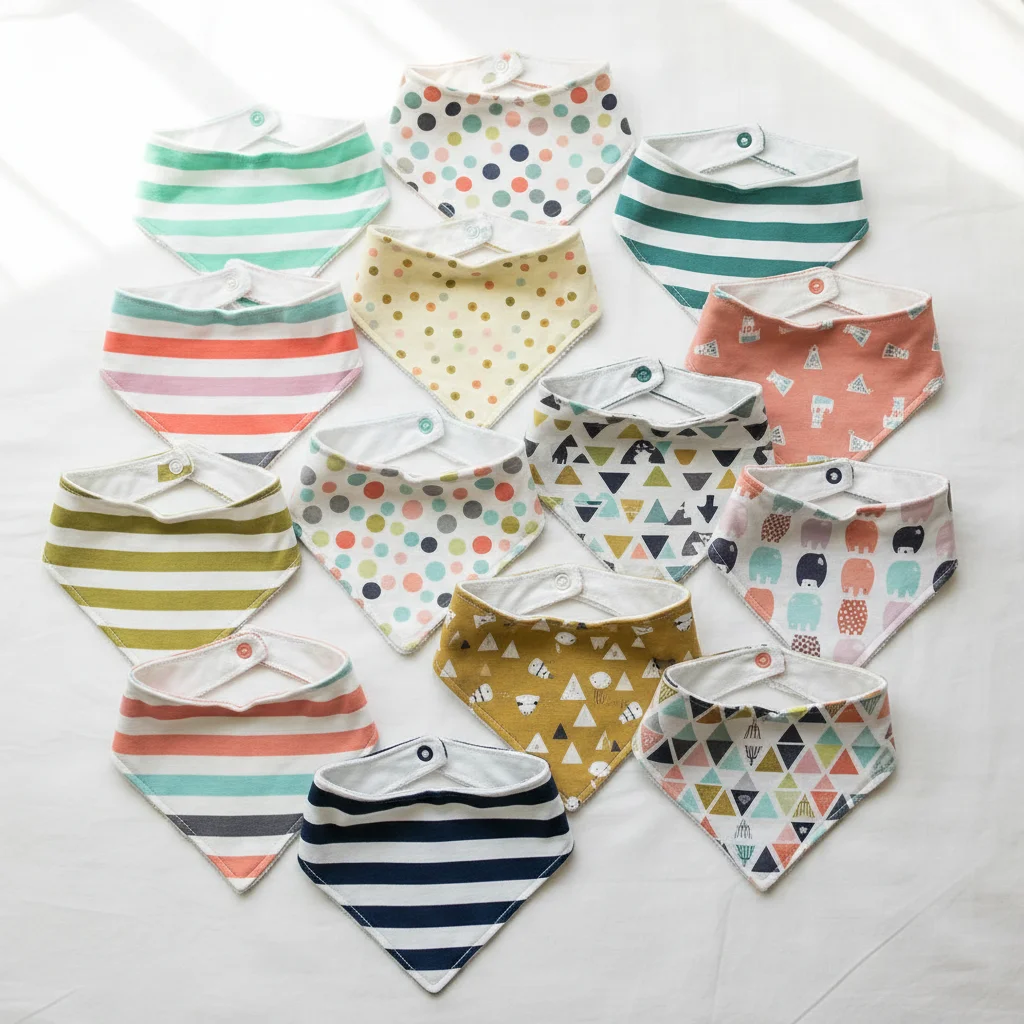 Bandana bibs help manage drool, spit-up, and mealtime mess from newborns through toddlers. Choosing the right size, material, and number of bibs keeps your baby comfortable, dry, and rash-free while making life easier for parents. For customized bibs or bulk orders, contact us for a personalized quote and explore options tailored to your needs.