

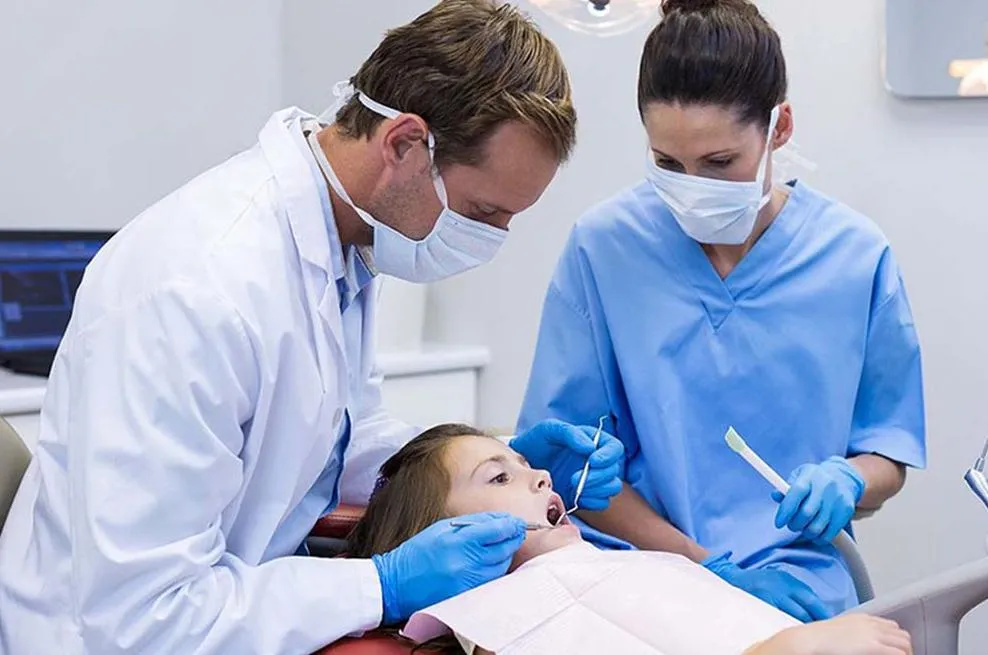
In dental clinics, patients wear disposable bibs. These disposable dental bibs protect against germs, keep patients safe, and help clinics meet hygiene rules. Switching from reusable to disposable reduces cross-contamination and saves costs. They are essential for patient safety and are now standard in modern dentistry.
Dental Bibs: Infection Control and Cross-Contamination Prevention
Dental procedures create a perfect storm for germ spread. Saliva, blood, and aerosols mix during routine cleanings and invasive treatments. These fluids contaminate clothing, skin, and nearby surfaces without proper barriers. Healthcare infections (HAIs) from C. difficile , Staphylococcus aureus , Klebsiella , and E. coli pose serious risks in clinics. Disposable dental bibs serve as your first defense against these threats.
The Science Behind Single-Use Protection
The global infection control supplies market shows clear trends. Worth USD 56.4 billion in 2025, it’s set to reach USD 106.1 billion by 2035. This growth shows healthcare’s shift toward disposable dental products. The logic is simple: items you never reuse can’t spread germs between patients.
Reusable dental aprons create infection risks you can’t avoid. Fabric fibers trap tiny germs between uses, even with thorough cleaning. Laundering adds problems: water temperature varies, detergent strength differs, drying completeness changes, and storage conditions fluctuate. Each step brings chances for contamination. Studies show 30-40% of reusable medical fabrics keep detectable germs after standard washing.
Waterproof dental bibs remove these problems. Each patient gets a clean barrier. After the procedure, the staff tosses it in the biohazard waste. No washing needed. No storage worries. No chance of germ transfer between patients.
Meeting Stricter Global Standards
Rules have gotten much tighter. The WHO IPC Core Components now require structured HAI tracking programs with standard reporting. The U.S. CDC got $2.1 billion through the American Rescue Plan for infection prevention in healthcare. Clinics face steep penalties under CMS rules if they don’t comply.
The WHO’s 2024-2030 Framework sets aggressive targets for infection control in dentistry worldwide. A November 2023 global survey across 150 countries found gaps in minimum IPC requirements. Governments responded with stricter hygiene rules and better tracking systems.
Dental clinics face close inspection during room turnover. Cleaning rules require immediate surface cleaning between patients. Disposable bibs make compliance easier. Staff can remove contaminated items fast without touching infectious materials. This cuts down on hand hygiene failures. Real-time sensors show compliance rates often drop below 60% during busy times, making this critical.
Advanced Protection Through Smart Design
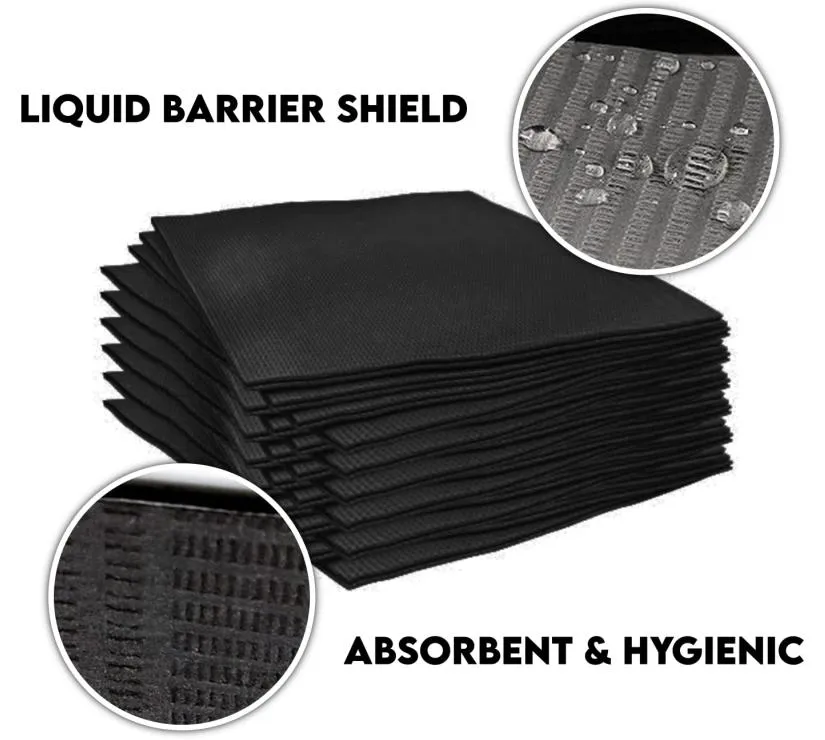
Modern dental bibs use infection control innovations. Multi-layer construction creates fluid-resistant barriers tested to handle procedure splatter. The plastic backing stops fluids from soaking through while staying comfortable for patients. Absorbent top layers catch moisture before it reaches skin or clothes.
These features work with new prevention tech. UV-C light systems and nanotech antimicrobial coatings protect facility surfaces. Disposable supplies protect the patient contact area. Together, they create complete prevention protocols that meet new tracking requirements beyond traditional operating rooms.
Contact tracing now extends to routine dental care. Clinics that use strict single-use policies for patient bibs remove one path for outbreak investigations. Digital tracking tools can focus on other spread routes. Disposable barriers eliminate patient-to-patient fabric sharing from the equation.
Dental Bibs: Patient Comfort and Experience Enhancement
Disposable dental bibs shape how patients view their treatment. A fresh, clean bib shows professional care standards before any procedure starts. This small detail offers instant comfort. Patients see clear proof that nothing from past appointments will touch them.
The Sensory Advantage of Single-Use Materials
Modern waterproof dental bibs use soft fabrics that feel gentle on the skin. Reusable cloth versions get stiff after many washes. Disposables keep the same smooth texture every time. The plastic backing stops moisture from seeping through. It doesn’t make those uncomfortable crinkly sounds that can make anxious patients more nervous.
Temperature matters more than most clinics think. Laundered reusable bibs often feel cold and damp at first. Disposable ones arrive at room temperature. They stay dry through the whole appointment. This stops the sudden discomfort that can stress out nervous patients.
Building Trust Through Visible Hygiene Practices
68% of physicians say modern care tools boost patient experience and clinical results. Opening a sealed disposable bib package shows your commitment to infection control. Patients notice these details. They address worries about cross-contamination without needing extra words.
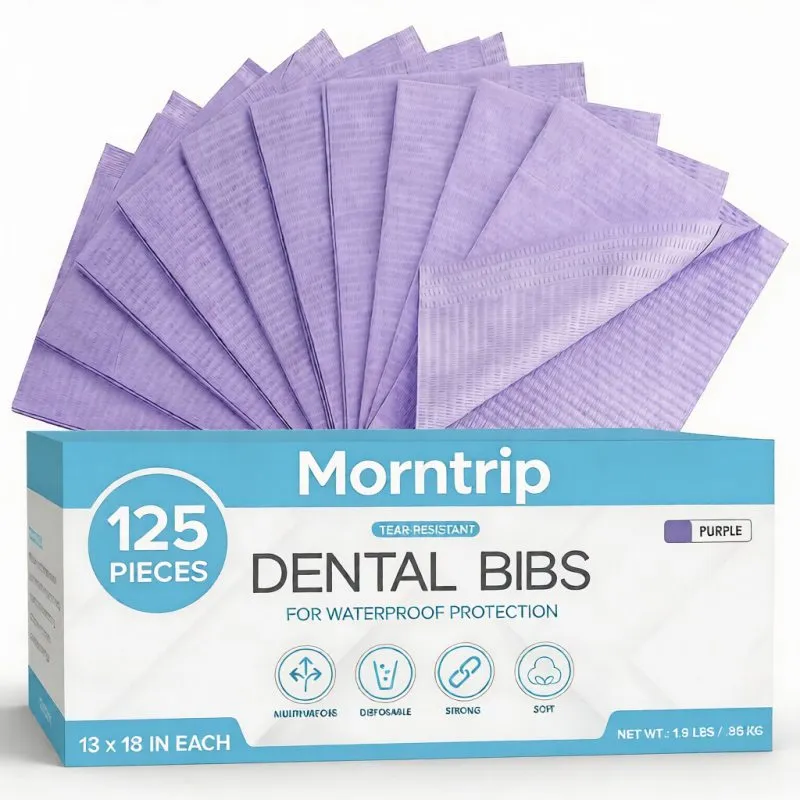
Pediatric dentistry shows this effect well. Children like colorful, patterned disposable bibs that feel soft and look fresh. Parents feel more confident seeing unopened packages. Their safety worries drop. This visual trust matches the evidence. Caregiver presence and comfort steps greatly boost how well children cooperate during dental work.
Supporting Modern Patient Expectations
Patients today want healthcare convenience like other service industries provide. Clinics using disposable dental products show they run efficiently and care about hygiene. This meets the growing expectations from digital health trends. 61% to 75% of hospitals now offer telehealth. Patients value smooth, easy care experiences more than ever.
The disposable approach removes any awkwardness. Patients never wonder if their bib was cleaned well. They don’t think about how many people used it before. This clears mental blocks to relaxing during treatment. It creates the positive experiences that build patient loyalty and referrals.
Operational Efficiency and Cost-Effectiveness for Dental Bibs
Disposable dental bibs cut hidden costs that reusable options create. The math seems simple: buy cloth bibs once versus buying disposables over and over. But the real picture looks different. The true cost shows surprising savings beyond the purchase price.
The Real Cost of Reusable Bibs
Reusable dental bibs carry expenses most clinics miss. Laundering needs water, electricity, detergent, and staff time for sorting and folding. Commercial laundry services charge per pound. They also have minimum order requirements. Storage space for dirty and clean bibs takes up valuable clinic space. Quality drops fast. You’ll replace worn bibs every 6-12 months despite the “reusable” label.
A mid-sized practice with 20 patients each day needs at least 100 cloth bibs in rotation. Staff spend 15-20 minutes per day on laundry tasks. That’s 75-100 hours per year at average dental assistant wages. Add water and energy costs. Add replacement cycles and storage management. The costs pile up fast.
How Disposable Bibs Streamline Workflow?
Single-use bibs boost your efficiency by cutting input costs. Output quality stays the same. Each bib goes straight from sealed package to patient to biohazard waste. No sorting. No washing. No folding. No inventory tracking beyond basic ordering.
Staff productivity jumps across your operations. Dental assistants focus on patient care instead of laundry work. Room turnover speeds up. Disposing takes 5 seconds versus bundling dirty fabrics. This faster pace means serving more patients per day. You don’t need to hire extra staff. Revenue per employee rises as team members drop non-clinical tasks.
Calculating Your Actual Savings
Think about your available clinical time. Disposable bibs give you more of it. The minutes saved per patient add up to hours each week. Those recovered hours mean more appointments and more revenue.
Gross profit margin improves in multiple ways. Lower operating expenses from no laundry costs. Less labor is spent on non-revenue work. Fewer replacement costs from wear and tear. Better infection control cuts liability risks and potential outbreak expenses. Companies with strong operations see 25% higher growth and 75% higher productivity compared to competitors.
Bulk purchasing adds more savings. Volume discounts on disposable dental clinic supplies range from 15-30% based on order size. Automated reordering systems prevent stock-outs. They also improve inventory management. This cuts both storage costs and emergency rush-order fees.
Disposable vs. Reusable Dental Bibs: Full Comparison
Pick between disposable and reusable dental bibs . This choice affects your clinic’s budget, workflow, and patient safety. Each option has clear benefits for different practice needs. You need to balance upfront costs with long-term impact.
Material Types and Performance
Disposable paper-based bibs cost $0.02–$0.05 per unit. They’re lightweight and easy to store. Two layers of tissue absorb basic moisture from routine checkups and simple fillings. The paper shows limits during wet procedures. Saturated paper tears fast. This creates fluid escape routes that reduce protection.
Plastic-backed disposable bibs range from $0.06–$0.09 each. These have a polyethylene waterproof backing that blocks liquids. They work great for high-moisture procedures like ultrasonic scaling or crown prep. ASTM F1671 tested options give you verified fluid resistance. Some patients notice the clammy feel or crinkling sounds. But you get better moisture barriers that stop soak-through to clothing.
Non-woven polypropylene disposables cost $0.08–$0.12 per piece. The soft material feels comfortable on the skin and resists fluids. Latex-free build works well for kids and adults with sensitive skin. The higher price gives you premium comfort features for longer appointments.
Reusable silicone bibs need $8–$15 upfront. They last 1–3 years with proper care. Tough silicone handles repeated cleaning cycles. Adjustable straps and built-in saliva ejector clips make them convenient. High-volume practices focused on green goals find long-term savings here. But the upfront cost and cleaning needs create hurdles for smaller clinics.
Fluid Resistance and Durability
Three-ply disposable bibs beat two-ply versions for extended procedures. The extra tissue layer catches more fluid before hitting the waterproof backing. Oral surgery, extractions, and gum treatments create lots of water flow. Three-ply bibs handle this volume without leaking.
Tear resistance shows which products are quality versus budget. High-grade disposables hold up to minor contact with sharp tools. Flexible materials stop rips at stress points. Horizontal patterns along edges add strength. Poor-quality bibs tear fast mid-procedure. This forces a stop to replace protection and risks fluid exposure.
Clinical Application Matching
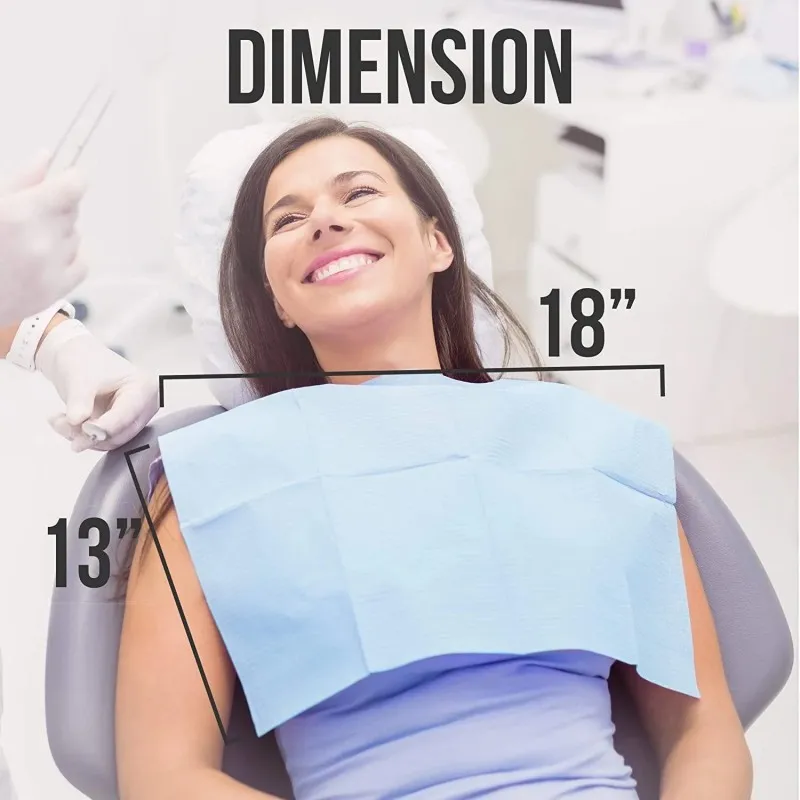
Match bib types to specific procedures for best results. Routine checkups and simple fillings work fine with standard 2-ply disposables. The 13″x18″ size gives good coverage. Cost matters for high-volume general dentistry.
Heavy water procedures need better protection. Three-ply disposables or plastic-backed options stop soak-through during long treatments. High-speed handpiece work creates lots of spray. The shiny polyurethane side faces patients to deflect water. The tissue side absorbs overflow.
Reusable silicone fits eco-friendly practices with steady patient flow. Splash protection and easy cleaning support green goals. Bulkier storage needs and cleaning steps fit practices with dedicated space and systems.
Common Performance Issues
Adhesive tab failure disrupts procedures. Bibs peel away at the wrong time. Quality products use stronger adhesives that stay put through appointments. Standard sizing fails for larger patients sometimes. Extended coverage options stop gaps that expose clothing.
Budget brands show uneven thickness across the bib surface. Thin spots create weak points where fluids get through. Tested, consistent products eliminate these mid-procedure problems that hurt your professional image and patient trust.
Dental Bibs Features and Design Advantages
Modern dental bibs are more than just protective barriers. They’re engineered protection systems. Each design element serves a clear clinical purpose, backed by material science and ergonomic research.
Multi-Layer Construction Engineering
Quality disposable dental bibs use three material layers that work together. The top tissue layer has embossed patterns. These patterns increase surface area by 40%. They catch and spread moisture across a wider zone. This stops pooling, which causes patient discomfort.
The middle layer absorbs fluids. It uses wood pulp fibers treated with superabsorbent polymers—the same technology in medical dressings. These polymers lock away fluid volumes up to 10 times their weight. They don’t release it back toward the patient’s skin.
The bottom polyethylene layer blocks all fluid penetration. Medical-grade plastic measures 0.5-1.0 mil thick. It meets ASTM F1671 standards for viral barrier protection. This thickness gives you flexibility with strong defense. Thinner films tear during placement. Thicker materials feel stiff during long procedures.
Precision Size and Coverage Optimization
Standard 13″x18″ dimensions come from patient body measurement data across diverse populations. This size covers the chest area from the collarbone to the mid-abdomen for 92% of adult patients. Pediatric versions at 10″x13″ fit smaller frames. No excess material bunches around young necks.
Extended coverage bibs reach 16″x20″ or 19″x26″ for bariatric patients and procedures needing broader protection zones. Smart inventory sizing matches actual patient demographics. No more one-size-fits-all approaches.
Attachment System Innovations
Adhesive tab placement affects user comfort and usability. Quality bibs position tabs 1.5″ from the top edge at exact angles. This creates natural draping. No tension across the neck. Medical-grade adhesives maintain 180-degree peel strength of 12-15 ounces through 60-minute procedures. No skin irritation.
Chain-style attachment systems offer reusable alternatives. Metal ball chains with plastic clips adjust to any neck size in seconds. Good ergonomic design eliminates pressure points. Patients don’t fidget during treatment.
Common Questions for Dental Bibs
Dental professionals and procurement managers ask similar questions about disposable dental bibs. Here are answers to the most common concerns.
Are disposable dental bibs more expensive than reusable ones?
The upfront cost looks higher. Disposables run $0.02–$0.12 per unit. Reusable bibs cost $8–$15 each. But the total ownership cost tells a different story.
Consider laundering expenses. You pay for water, electricity, and detergent. Staff spend 75-100 hours each year sorting and folding bibs in mid-sized practices. Reusable bibs need replacement every 6-12 months. Plus, you need storage space.
Most clinics find disposables cut operating costs by 15-25%. They also eliminate wasted labor time.
Can dental bibs be recycled?
Recycling these bibs is tough. They mix different materials. Most disposable bibs combine paper tissue with polyethylene backing. Standard recycling systems can’t separate these materials well.
Only 9% of plastic waste gets recycled globally.
Used bibs get contaminated with blood or saliva. Many jurisdictions classify them as medical waste. This means you need special disposal methods.
Biodegradable options exist. PLA (polylactic acid) bibs break down in commercial composting facilities within 90-180 days. But they cost 30-50% more than standard bibs.
What size dental bib should I order?
Standard 13″×18″ bibs fit 92% of adult patients. This sizing comes from body measurement data.
Stock pediatric sizes (10″×13″) for children. Get extended coverage options (16″×20″ or 19″×26″) for bariatric patients. Some procedures need broader protection zones, too.
Smart inventory works like this: keep 70% standard sizes, 20% pediatric, and 10% extended sizes. Adjust these numbers based on your patient demographics.
Conclusion
Disposable dental bibs are now essential for modern clinics, combining infection control, patient comfort, and operational efficiency. They reduce cross-contamination, simplify compliance, and lower hidden costs while reinforcing patient trust through visible hygiene. If you require customized dental bibs or branded disposable solutions, contact us for tailored options and competitive pricing.