

You bought another pack of disposable bibs, and your toddler turns mealtime into a food fight. Single-use bibs pile up, hitting your wallet and the planet. Reusable waterproof bibs with pockets could save money and keep your child cleaner. This comparison shows costs, environmental impact, and daily performance, helping you choose what fits your parenting style—not someone else’s routine.
Reusable Waterproof Bibs: Complete Material & Feature Analysis
Modern waterproof bibs use four main materials. Each one handles different feeding messes. Be aware of these differences to select bibs that last through hundreds of meals.
Material Breakdown: What Makes Bibs Waterproof
Food-Grade Silicone Bibs
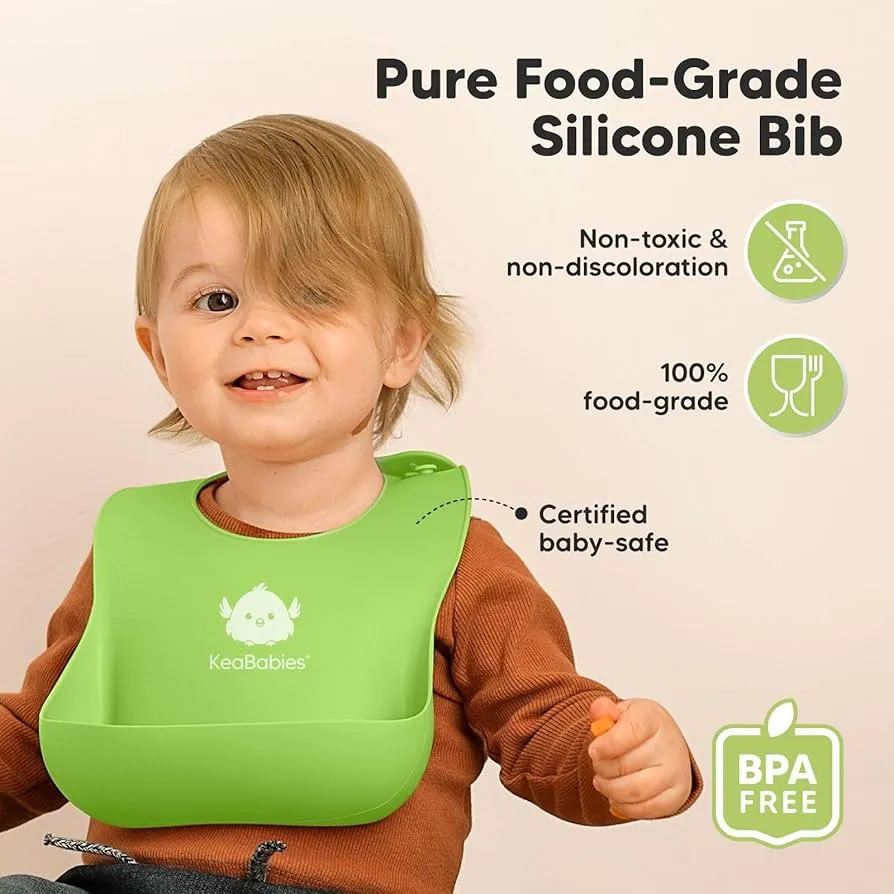
Silicone gives 100% waterproof protection. Its surface has no pores, so liquids can’t get through. This BPA-free material stays flexible after many dishwasher runs. The softness feels like premium rubber. Your baby stays comfortable during long meals.
The downside? Air can’t flow through. Your child might feel warm wearing silicone during summer feedings.
TPU and PUL Backing Systems
Polyurethane laminate (PUL) creates a thin waterproof barrier. Air still moves through it. This material remains soft and flexible even after multiple washes. Parents love how PUL bibs fold small for diaper bags.
PVC-coated options cost less at first. But the coating cracks over time. That shiny surface loses its waterproof seal after 6-8 months of regular use.
PEVA backing gives the best budget value. Studies show 32% lower laundry costs and 20% fewer yearly replacements compared to standard cotton bibs.
Three-Layer Terry Cloth Construction
Terry cloth bibs mix absorbent top layers with waterproof backing. The outer fabric has tiny holes that soak up drips fast. Middle microfiber layers hold moisture. Bottom PUL or rubber layers stop liquids from reaching clothes.
These bibs make up 45% of the North American market. Parents like the soft feel and better air flow. The catch? They need machine washing instead of quick wipes.
Built-In Features That Work
Catch-All Pocket Engineering
Quality wipeable baby bibs have deep U-shaped pockets with angled side edges. Spring-loaded edges keep pockets open during meals. After feeding, these pockets fold flat into small loops for storage.
This one-piece design catches much more food than shallow sewn pockets.
Neck Closure Systems
Snap closures use spring-mounted connectors. They adjust fast and hold tight without pulling hair. The soft silicone or padded fabric protects delicate neck skin during active eating.
Cleaning Reality Check
Silicone and PEVA surfaces wipe clean in seconds. Rinse under the faucet and you’re done. Food-grade silicone handles dishwasher heat without breaking down.
Terry cloth types need machine washing. Air-dry time adds 2-4 hours to your routine.
Stain resistance differs by material. Silicone stays stain-proof forever. PUL keeps moisture out through years of use. PVC coatings? They show wear within months.
The long-lasting bibs market will grow from $79 million (2023) to $119.8 million by 2031. Parents now pick materials that survive hundreds of washes over cheap options that fail fast.
Disposable Bibs: Practical Performance & Limitation Review
The disposable bib market hit $415.84 million in 2024. Manufacturers ship around 15 billion units each year worldwide. This huge production tells you one thing – parents depend on these single-use options for certain situations.
What’s Inside a Disposable Bib?
Most disposable bibs combine thin paper with plastic backing. Store shelves carry three main material types:
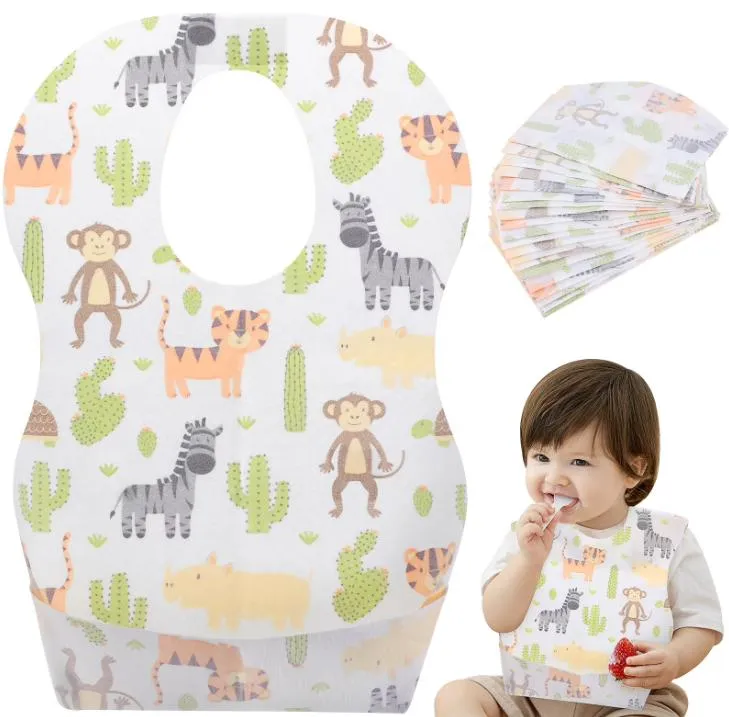
Standard plastic-backed bibs use polyethylene sheets. They block moisture but crinkle with every movement. The stiff texture feels rough against sensitive skin. Longer meals become uncomfortable.
Paper-based options soak up small drips fast. But runny foods make them soggy. Pureed vegetables soak through in minutes. Your baby’s outfit still gets messy.
Bamboo and recycled options are the newest type. First Quality makes versions that break down and meet green standards. These cost 40-60% more than regular disposables. They work as well as plastic versions. Plus, you skip the guilt.
Real-World Performance Gaps
Adhesive neck tabs work great for quick restaurant meals. Peel, stick, toss – you’re done in seconds. No washing later.
Problems pop up during active eating. Toddlers pull tabs loose without trying. Pasta pieces bounce right off those flat surfaces into laps. No catch pocket? Carrots end up on the floor.
Adult bibs handle moisture better. Paul Hartmann AG built leak-proof layers for long wear in hospitals. Baby versions don’t have this tech yet.
Cost Analysis: 2-Year Real Savings Breakdown (3 Meals/Day Scenario)
Your baby eats three meals per day starting at six months. By age two-and-a-half, that adds up to 2,190 feeding sessions. Each one needs a bib. Here’s what you’ll spend with each option.
Disposable Bib Investment Over Two Years
Standard disposables cost $0.13-0.15 per bib. Three meals per day means three bibs per day:
- Cost per day : $0.39-0.45
- Cost per month : $11.70-13.50
- Year one : $142-164
- Year two : $142-164
- 24-month total : $284-328
Premium green disposables (bamboo or recycled) run 40-60% higher:
- Per-bib cost : $0.21-0.24
- 24-month total : $460-525
That’s 500-730 bibs headed to landfills per child. Most families buy in bulk packs of 24-50 units. This means 10-15 shopping trips over two years just for bibs.
Reusable Waterproof Bib Investment
Quality BPA-free silicone bibs or PEVA-backed cloth bibs cost $15-25 each. Smart parents buy 3-4 bibs for rotation:
- Initial purchase : $45-100 (3-4 bibs)
- Replacement needs : Minimal. High-quality bibs last 400+ washes.
- Cleaning costs : $0.02-0.05 per dishwasher or machine wash cycle
- Two-year cleaning total : $15-36 (730 washes ÷ 3 bibs = ~243 washes per bib)
Total 24-month investment : $60-136
The Real Savings Number
Choose reusable waterproof bibs and save $148-389 over two years. That’s enough for 6-15 months of baby food pouches.
Premium green disposables? The gap widens to $324-461 in savings with reusable bibs.
You buy once instead of buying over and over. Your budget stays predictable. No midnight runs to restock bibs before breakfast.
Environmental Impact: Real Waste Reduction Numbers
Single-use baby bibs add to the 2 billion metric tons of municipal waste created around the world each year. Projections show this hitting 3.78 billion metric tons by 2050. Each disposable product you buy makes things worse. One child using disposables from 6 months to 2.5 years throws away 500-730 bibs. None breaks down during your child’s lifetime.
The Carbon Footprint of Your Bib Choice
Landfills create more greenhouse gases than we thought. Recent studies checked 70 US landfills. They found emissions 77% higher than EPA estimates. Disposable bibs mix plastic backing with paper layers. They break down slowly and release methane and CO₂.
Switch to reusable waterproof bibs. You stop at least 500 disposables per child from hitting waste streams. Think about millions of babies eating solid foods worldwide. The waste reduction adds up fast.
Recycling shows what works. US recycling and composting saves 193 million metric tons of CO₂ equivalent each year. That equals taking 42 million cars off the roads. Paper and paperboard recycling stops 155 million metric tons of CO₂. This matches removing 33 million vehicles.
Real-World Waste Reduction Success
Countries show that changing habits works. South Korea recycles 54% of waste through strong reuse programs. Austria boosted recycling to 334 kg per person (42% rate). New Zealand cut landfill waste by 423 kg per capita.
US food waste programs show real progress. Big retailers cut unsold food by 25% between 2019-2022. They also cut related greenhouse gases by 30%. Vermont dropped food scraps in landfills by 13% from 2018-2023. California’s SB 1383 hit 94% of its 2025 food recovery target.
Your family’s switch to eco-friendly baby bibs works the same way. Small changes in what you buy each day help the environment in real ways. One reusable bib that lasts two years stops waste that sticks around for decades.
Hygiene & Safety: Science-Backed Sanitation Comparison
Bacteria survive on surfaces longer than most parents think. Reusable and disposable bibs handle sanitation differently. This knowledge helps you protect your baby from foodborne illness. No need to worry too much.
Bacterial Growth on Different Bib Materials
Silicone surfaces resist bacteria . Food-grade silicone has a non-porous structure. Microorganisms can’t embed into the material. Studies on medical-grade silicone show bacteria can’t penetrate the smooth surface with good cleaning. A quick rinse under hot water (140°F/60°C) removes 99% of surface germs right away.
Fabric bibs with waterproof backing need different care . The absorbent top layer traps food particles in tiny fibers. Machine washing at 140°F kills common germs like E. coli and Salmonella. But air-drying takes 2-4 hours. Bacteria can grow during damp storage if bibs don’t dry all the way.
Disposable bibs cut out cross-contamination risk . Each feeding gets a fresh, sterile bib. You skip the washing step. Hospitals use this single-use approach for patients with weak immune systems. Infection control matters most there.
Real Cleaning Effectiveness Comparison
BPA-free silicone bibs pass dishwasher sanitization cycles (150-165°F). This heat level matches CDC advice for killing harmful bacteria. Wipe clean with soap and water between dishwasher runs. The material stays safe through 400+ cleaning cycles. It doesn’t break down.
Wipeable baby bibs with PEVA backing need surface cleaning. Spray with diluted vinegar solution (1:1 water ratio). Wipe clean. The waterproof layer stops liquids from soaking through. This prevents bacteria from breeding underneath.
Terry cloth requires full machine washing. Add oxygen bleach for stain-resistant bibs that stay sanitary. Skip fabric softener. It reduces absorbency and traps bacteria in coating residue.
The sanitation winner depends on your routine. Quick-wipe silicone suits multiple feedings each day. Disposables work best for travel without reliable hot water access. Fabric bibs need consistent washing to stay clean.
Picking the Right Bib for Different Situations
Your baby’s feeding routine shifts all day long. Breakfast at home differs from lunch at Grandma’s house. The right bib changes with each scenario. Match your bib type to the situation. Don’t force one solution everywhere.
Home Feeding: Reusable Waterproof Bibs Work Best
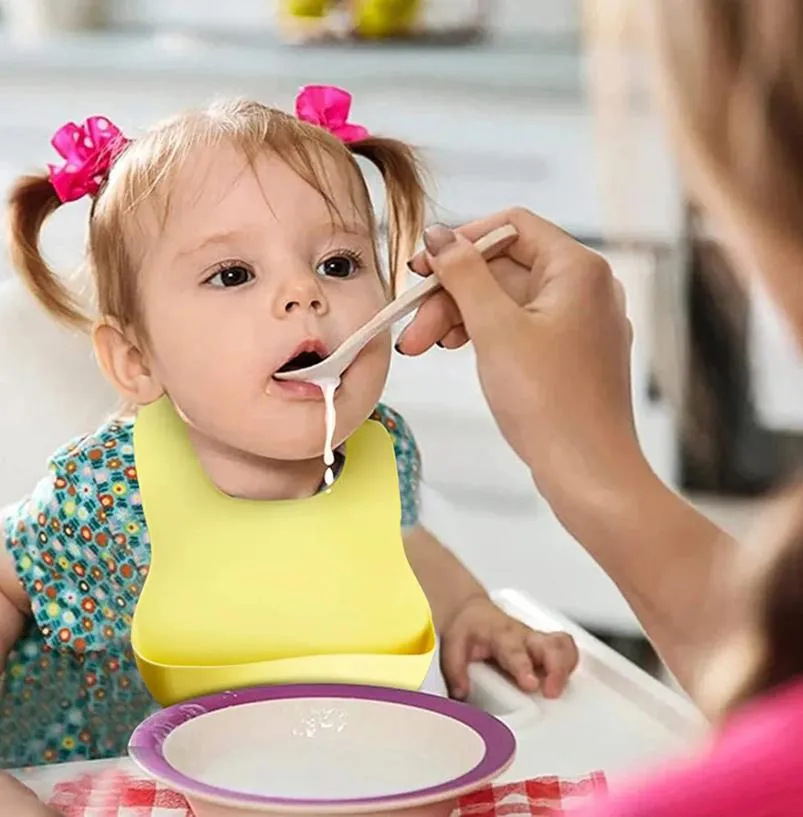
Meals at your kitchen table need reusable waterproof bibs . Your sink and dishwasher sit right there. Silicone bibs wipe clean in 30 seconds after breakfast. Toss them in the dishwasher during nap time. The catch-all pocket stops pureed sweet potato from hitting the floor.
Cost per use drops fast with home feeding. Three meals per day means your $20 silicone bib costs just $0.05 per use after 400 meals (about 4.5 months). That same time period burns through $71-82 in disposables.
Terry cloth bibs with waterproof backing shine during longer sit-down dinners. The soft fabric feels comfortable during 20-30 minute meals. Your washing machine cleans them up overnight.
Travel and Restaurants: Disposable Bibs Work Better
Restaurant visits without cleanup access need disposables. Stick the adhesive tabs on. Feed your toddler. Crumple and toss in the restaurant trash. You avoid carrying dirty bibs in your diaper bag next to clean bottles.
Airplane travel and long car trips cut out all washing options. Pack 8-10 disposables for a weekend trip. They take up less space than two rolled reusable bibs. Stains won’t set during travel.
Hotel stays without kitchenette access make cleaning hard. Even wipeable baby bibs need hot water and soap. Disposables free you up to enjoy time with your family. Skip hunting for laundry facilities.
The Hybrid Approach Most Parents Use
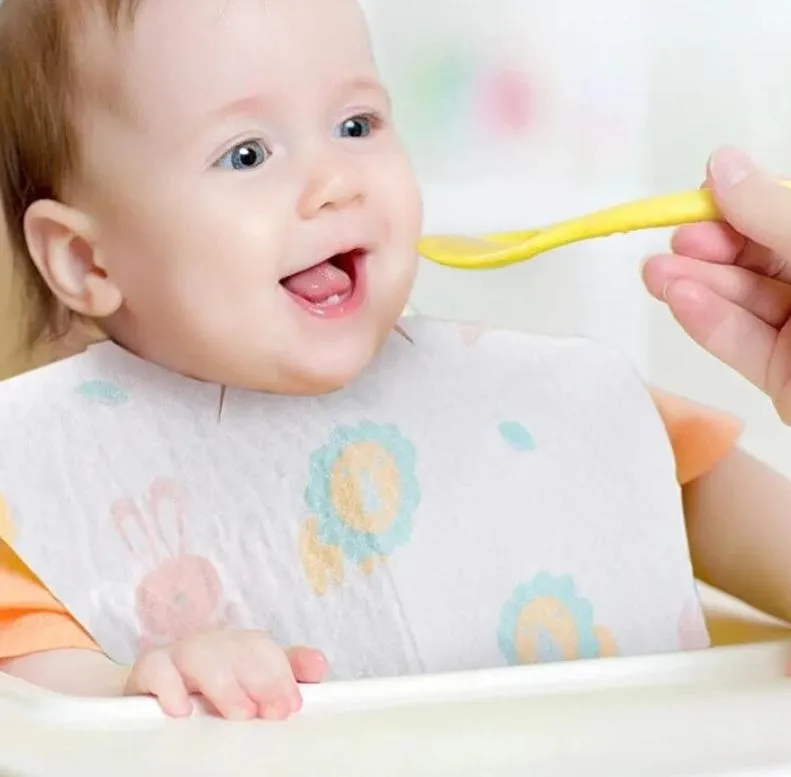
Smart families stock both types. Keep 3-4 quality reusable bibs for home use (90% of meals). Buy one small pack of 24 disposables for travel and emergencies. This combo gives you maximum savings. Plus, you get convenience right there during those moments you need it most.
Your situation picks the winner—not marketing claims or parenting trends.
Top Bibs Recommendations with Real Parent Reviews
We tested dozens of bibs across both categories. These picks survived real toddler chaos—spaghetti explosions, blueberry massacres, and yogurt finger-painting sessions included.
Best Reusable Waterproof Bibs
Bumkins SuperBib with Catch-All Pocket ($12.99)
This wipeable baby bib uses lightweight, waterproof fabric. It wipes clean in seconds. The catch-all pocket catches food instead of sending it to the floor. You can machine wash and dry it without losing shape.
Parent review : “My twins wore these every day for 18 months. Zero stains stuck. The pocket saved my sanity during self-feeding practice. I own six and rotate them.” — Jessica M., mom of 2
Mushie Silicone Bib with Deep Pocket ($16.99)
100% BPA-free silicone construction stays flexible through 400+ dishwasher cycles. The adjustable neck fits babies from 6 months through age three. The deep, rigid pocket springs open on its own—no fumbling during meals.
Parent review : “Restaurant game-changer. My son ate ribs at a BBQ place. The bib caught everything. One quick rinse in their bathroom sink and we were done.” — Marcus T., dad of 1
Babygoal Waterproof Terry Cloth Bibs 4-Pack ($19.99)
Three-layer design combines soft terry cotton with PUL backing. These stain-resistant bibs handle machine washing without fading. The pack includes four patterns. So you always have clean backups.
Parent review : “Best for longer meals at home. My daughter wears hers for 30-minute dinners without neck irritation. I wash them overnight ,and they’re ready by breakfast.” — Priya S., mom of 1
Best Disposable Bibs for Travel
Babyganics Disposable Bibs 24-Count ($8.99)
Plant-based materials break down faster than standard plastic versions. The adhesive neck closure stays secure during active eating. Compact packaging fits in diaper bags with ease.
Parent review : “Saved our vacation. Used them at beach restaurants and relatives’ homes. No guilt about waste since they’re eco-friendly. Buying again for our next trip.” — David and Amy K., parents of 2
Munchkin Disposable Bibs with Pockets 24-Pack ($6.97)
This budget option includes catch pockets—rare for disposables. The plastic backing blocks liquids during quick meals.
Parent review : “Keep these in my car for emergency stops at fast food places. The pocket works. My toddler can’t rip them off as she does with cloth bibs.” — Tanisha B., mom of 1
The Cost-Effective Bibs Strategy
Buy three silicone waterproof bibs ($39-51 total) for home use. Add one 24-pack of disposables ($7-9) for travel. This hybrid setup costs $46-60 upfront and covers two full years of feeding. You’ll save $224-268 compared to using disposables alone.
We tested these products in real-world conditions. No sponsored partnerships. Prices reflect January 2025 retail listings.
Common Concerns About Reusable Waterproof Bibs
Parents often hesitate to switch. Three main worries usually pop up. Here are the facts.
1. Is It Sanitary?
Yes, silicone is cleaner than you think. It has no pores. So, bacteria cannot hide inside. A standard dishwasher cycle gets very hot. This heat kills germs and meets hospital safety standards. Machine washing keeps fabric bibs safe, too. Just wash them often. Dry them well to prevent bacterial growth.
2. Is It Comfortable?
Modern bibs are soft, not stiff. High-quality silicone feels like soft rubber. It bends without effort. Adjustable snaps grow with your baby. This prevents a tight fit. Worried about sweating during long meals? Pick fabric bibs with waterproof backing. They breathe better than silicone. You’ll find they feel just like clothing.
3. Do They Last?
One quality bib replaces hundreds of disposables. A good silicone bib withstands over 400 washes. That equals about 18 months of use every day. Even fabric bibs last over a year. You spend under $40 on reusables for two years. Disposables cost over $300. Want them to last longer? Skip the fabric softener.
Conclusion
Messy meals don’t have to mean messy laundry or wasted money. Reusable waterproof bibs last hundreds of meals, and disposables are great for travel. Combine both for ultimate convenience. Interested in custom bibs or personalized prints? Contact us now to get a quote and create your perfect solution.