

Some people feel unsure about what clothing keeps them safe and comfortable during medical work. They worry about sweat, heat, or clothes that do not meet basic cleanroom rules. This article explains what to wear under a surgical gown so you can stay protected and avoid common mistakes.
Key Factors That Shape What Goes Under a Surgical Gown
I’ve noticed that what medical staff and patients wear under surgical gowns depends on four main things. These are infection control rules, the surgery location, comfort needs, and hospital rules.
Sterility and Infection-Control Standards
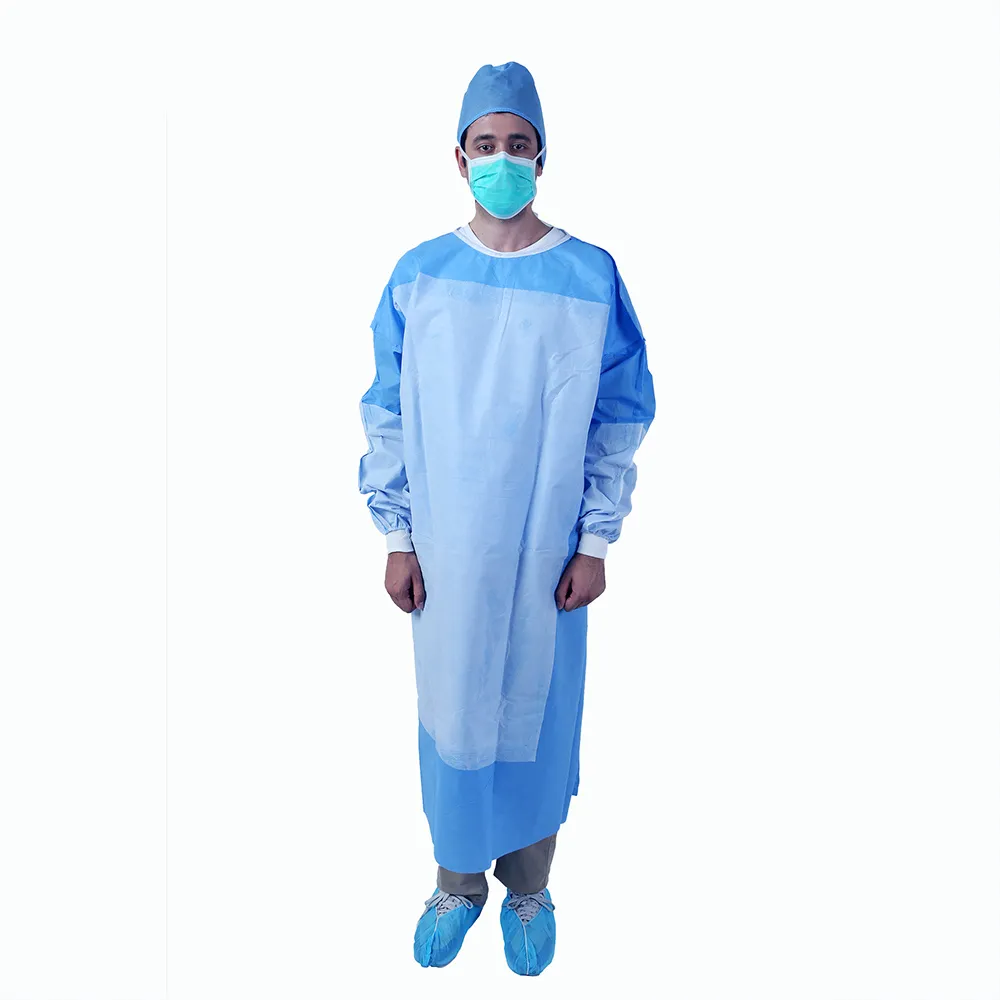
Hospitals ask you to remove personal clothing under the surgical gown. This keeps things sterile. This is most important if blood or body fluids might touch you.
The critical zones of surgical gowns (front and sleeves) must meet barrier standards. Tests like AATCC 42 and AATCC 127 check this.
Hospital-acquired infections (HAIs) are the reason for these rules. About 4 million cases happen each year in developed countries. Reducing HAIs is why I recommend following these restrictions.
Surgical Site and Procedure Considerations
For abdominal, chest, or lower body surgeries, all clothing near the surgery area must come off.
–Example: In a laparotomy, patients wear just the surgical gown and drapes.For local procedures (like arm or leg surgeries), patients can keep their underwear on other areas. This works as long as it doesn’t affect sterility.
–Example: In outpatient hand surgery, a T-shirt is sometimes okay. It must be covered and clean.
Personal Comfort, Mobility, and Modesty
Clothing choices look at ease of dressing and undressing. This matters for long or repeated operations.
Modern gowns use lightweight, low-lint materials. These add comfort and reduce fatigue.
For modesty or special needs, thin cotton undergarments or shorts may work for non-invasive procedures. I see this more with pediatric patients. But sterile options are often better.
Hospital Policy and Industry Standards
Most hospitals ban personal clothing under surgical gowns . This limits infection risk.
Exceptions exist for medical garments (like support or compression wear). Your hospital must approve these.
Policies follow guidelines from the CDC, Joint Commission, and ANSI/AAMI PB70:2012. But there is no universal U.S. standard. Each facility makes its own rules.
Market and Industry Data
The U.S. hospital gown market is worth $743.6 million (2024). The global sector should reach $4.5 billion by 2030. This shows the focus on safety and new gown features.
Restrictions at a Glance
No personal clothing for torso and major procedures
Limited exceptions for minor extremity operations
Religious or medical garments need institutional approval
Barrier standards depend on exposure risk
All practices must meet local infection-control and regulatory requirements
What Kind of Underwear Can Be Worn Under a Surgical Gown?
Hospital policies about underwear under surgical gowns have changed in recent years. I’ve noticed they now try to balance infection control with patient comfort and safety.
Typical Hospital Policies and Guidelines
Underwear Removal: Many hospitals used to require the complete removal of underwear before any surgery. Now, things have changed. For operations not involving the genitals or lower abdomen, some hospitals let patients keep their underwear on.
Fabric and Construction: If underwear is allowed, it must be 100% cotton. Synthetic fabrics like nylon are not allowed. Hospitals worry about static electricity and device interference.
Disposable Options: Some facilities offer disposable briefs or hospital-issued underwear. This improves modesty and hygiene. I recommend asking about these options when the surgery does not involve the pelvic or groin area.
What Is Allowed and What Is Not
Permitted:
– Loose-fitting, breathable cotton underwear. It must be free from metal, seams, or decorations.
– Hospital-provided disposable briefs for certain procedures.

Not Allowed:
– Tight, restrictive undergarments. These could harm the skin or limit access.
– Underwear with metal parts, underwire bras, or extra decorations. These can cause problems during imaging or with surgical tools.
– Multiple layers of clothing. You can wear one simple layer.
– Personal clothing such as pajamas or leggings. Hospitals need to maintain sterility and easy surgical access.
Special Considerations for Upper Body Procedures
Bras: Most hospitals require you to remove bras with metal (like underwire) if the surgery involves the chest. Soft, wireless bras are better. Or you can go without a bra.
Real Cases and Trends
About 40% of U.S. hospitals now allow cotton underwear for surgeries not involving the genital area. But 55% still require removal for all procedures. A small number (5%) provide disposable briefs.
Example: During a knee replacement, a patient wore loose cotton underwear. The area was not near the surgical site. For a cardiac catheterization via the groin, all underwear had to be removed for immediate access.
Advocacy and Patient Comfort
Recommendations: I suggest patients concerned about modesty or comfort ask their doctor or nurse if they can wear underwear during surgery. You can request written permission. Or ask about hospital-issued disposable options.
Hospital Best Practice Summary
- Allowed: 100% cotton, loose, no seams or metal, single-layer underwear. Some hospitals provide disposable briefs.
- Not Allowed: Anything tight, synthetic, double-layered, with metal (for chest access), or personal streetwear.
Most hospitals now allow more comfort and dignity. They offer cotton briefs or disposable options. I like this change. It does not compromise safety or surgical access.
What Should Patients Wear to the Hospital Before Changing Into a Surgical Gown?
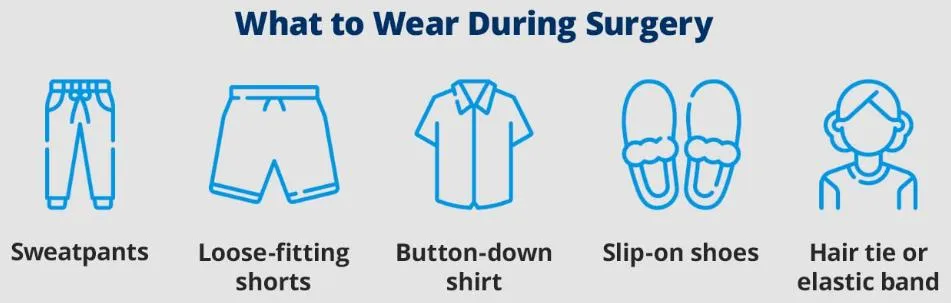
Prepare for the hospital with easy-to-manage clothes. You want comfort for check-in and the trip home. Loose options work best. Pick sweatpants with elastic waistbands. Roomy workout pants sit well without digging into your skin. Having knee surgery? Shorts with wide leg holes make things simple. I prefer button-down shirts. They save you from lifting arms to dress later.
Don’t forget your feet. Slip-on shoes save time. This helps if surgery involves hands or feet. Just slide them on. No help or bending required. You can often keep simple underwear or a wire-free bra on for minor procedures. Listen to the nurses. They guide you on what to remove.
Accessories and Extra Items
Hospitals get cold. Think about extra needs. Warm socks equal cozy feet. A robe adds a layer of warmth while you wait. Bring slippers to walk around in. You stay safe and keep your socks clean. Long hair? A simple tie keeps it back. Religious head coverings are fine. Staff may ask for a bouffant cap over their hair. Leave jewelry and valuables at home, though. They must come off.
Quick Tips for Surgery Day
Wear clean, washed clothes to stop infection. Skip skinny jeans and pantyhose. Avoid outfits with many layers. These are hard to remove and uncomfortable. Pack a small bag with loose clothes and essentials. You stay organized. The whole process feels less stressful.
When Is Nothing Worn Under a Surgical Gown? Hospital Rules & Patient Advocacy
Some surgical procedures require patients to wear nothing under the sterile surgical gown . This happens when doctors need full-body access for sterility or surgical work.
When Complete Undressing Is Required
Here are common situations:
– Insertion of urinary catheters: Doctors need full access to the genital or perineal region.
– Major abdominal or cardiac surgery: Operations like cardiac bypass, hip surgery, or cardiac catheterizations need large prep areas. These often include the groin.
– Gynecological, urological, or colorectal operations: Undergarments would block access. They could also contaminate the sterile field.
Most hospitals use a blanket removal policy. All clothes, including underwear, come off for surgery. This policy applies to all operations. It doesn’t matter if the surgery involves the lower body or genitals.
Rationale and Changing Policies
Original rules focused on fire risks and static electricity from nylon underwear. Hospitals then required 100% cotton. Some chose no underwear at all.
In 2018, some hospitals changed their rules. They allowed cotton underwear during non-genital procedures. But many still insist on complete removal, no matter the surgical site.
The American College of Surgeons’ guidelines do not require underwear removal. The exception is when it interferes with the surgery.
Patient Experience and Dignity Concerns
Many patients wake from surgery fully undressed. This happens even for minor limb surgeries where it wasn’t needed for medical reasons.
This causes embarrassment and a loss of dignity. It’s worse when there is little or no discussion before surgery.
Examples
A 21-year-old woman had a laparoscopic procedure scheduled. Staff told her to remove all undergarments. She was later allowed to keep her bra. This happened after she shared her trauma history. The surgery didn’t involve her genitals.
An employee raised concerns about exposure in shoulder surgery. An Illinois surgeon then created a “Modesty Bra”. This garment offered breast coverage. It still provided proper access for surgery.
How to Advocate for Modesty and Comfort?
I recommend you take these proactive steps:
– Communicate your preferences before surgery. Ask what needs to be removed and why.
– Request information about cotton underwear or dignity garments. Ask if they are allowed for your procedure.
– Note your wishes on the consent form. You can write, “I do not allow removal of underwear for surgeries not involving the genitals.”
– Always request a copy of your signed consent form for reference.
– Some patients have managed to keep an undergarment. They explained a medical or trauma-related need.
Key Takeaways
Total underwear removal is still standard in many hospitals. Some policies are now being reconsidered.
Reasons for the policy may be outdated. There is a growing movement for more patient-centered practices.
Open dialogue and written consent work best for maintaining modesty and comfort.
Modest garments or permission to wear certain underwear may be available. You need to address these needs in advance with your care team.
What Should You Wear After Surgery? Best Recovery Clothing for Comfort, Safety, and Modesty
After surgery, I recommend recovery clothing that offers comfort, easy access for care, and protects your incision sites.
Moving from the Surgical Gown to Recovery Wear
Loose, breathable clothing helps prevent friction and keeps you cool. I suggest loungewear sets, soft robes, or wide-leg pants.
Front-opening tops make it easy to change clothes. You won’t need to reach overhead. Button-up shirts, adaptive shirts with Velcro or snap closures, and wire-free camisoles work well. They also support wound checks.
Elastic waist bottoms reduce pressure on swollen or sensitive areas. Soft sweatpants, shorts, leggings, and tearaway pants don’t rub against surgical incisions.
How Incision Location Affects Clothing Choices?
Abdominal surgery (tummy tuck, hernia repair): Follow your doctor’s advice about compression garments. I recommend layering with loose tops and relaxed pants. Avoid high-rise or tight waistbands. They can hurt your incisions.
Shoulder or arm surgery: Choose shirts with front closures or wide neck openings. Avoid tight sleeves. Adaptive clothing helps you dress with one hand. It won’t irritate your stitches.
Chest/breast surgery (mastectomy, lumpectomy): I suggest camisoles with pockets for drains. Soft tank tops and front-fastening bras are good choices. Skip underwire bras until you heal completely.
Tips for Modesty and Comfort During Recovery
I recommend soft, breathable natural fabrics like cotton, bamboo, or modal. They reduce skin irritation and sweating.
Try special adaptive clothing with magnetic closures, side zips, or open-back designs. These help you stay independent. They make care easier.
Layer lightweight cardigans or long coats for coverage and warmth. They won’t press on your wounds.
Fluffy robes and PJs with front zippers or buttons are ideal. They offer modesty and convenience.
Use compression socks or stockings if your doctor recommends them. They lower the risk of post-surgical blood clots. They also help control swelling.
Most people can move back to regular clothing after 4–6 weeks. But always check with your surgeon first.
Examples of Comfortable Recovery Garments
Flowy button-up dresses
Soft, high-waist jumpsuits
Camisole sets or pajamas with front access
Jerseys and lightweight sweaters or coats
Adaptive shirts and pants with magnets, Velcro, or tearaway seams
Figures and Data
4–6 weeks is the typical time frame before returning to normal clothes. This depends on your surgery and healing process.
Compression socks lower the risk of DVT ( deep vein thrombosis ) after surgery.
Adaptive clothing boosts dressing independence by 30–70% for those with limited mobility.
Key Recommendations
- Avoid clothing that needs overhead dressing. I suggest picking front-opening garments instead.
- Make sure nothing rubs or puts pressure on incisions. Gentle, relaxed fits are best.
- If you need fitted supports or have surgical drains, ask your care team for clothing advice.
- As you heal, switch from recovery wear to usual clothes step by step. Watch for swelling or soreness.
I recommend choosing styles that put comfort, easy access, and incision protection first. This supports a smooth, dignified recovery after surgery.
How To Wear A Surgical Gown?
Wearing a surgical gown correctly helps keep the sterile area clean. Follow these simple steps:
- Wash and dry your hands before touching the surgical gown.
- Pick up the surgical gown from the inside to keep the outside sterile.
- Put your arms into the sleeves of the surgical gown without touching the outside surface.
- Ask an assistant to tie the surgical gown at the back of your neck and waist.
- Pull the cuffs of the surgical gown over your wrists, then put on your sterile gloves.
A properly worn surgical gown should fully cover your clothing and protect the sterile field during medical procedures.
FAQs (Based on What Patients Search)
Can I Keep My Underwear On During Surgery? Hospital Rules, Modesty, and What Patients Experience
Hospital rules about underwear during surgery differ from place to place. Many hospitals ask patients to remove all underwear. This happens no matter where the surgery takes place on your body. Why? Old habits, hygiene concerns, or the need for quick access in emergencies.
But things are changing. Some hospitals now let you keep 100% cotton or disposable underwear on. This works if your surgery is not on the groin or genital area. Synthetic or metallic materials? Those are banned. They can create static electricity. They can also mess with monitoring equipment.
Key Data and Trends:
– A 2022 study showed 31% of patients felt uncomfortable exposing their private parts during prep.
– 54% said modesty protection matters a lot to them.
– Most hospitals require underwear removal for abdominal, urological, or gynecological procedures.
– For knee operations and similar surgeries, cotton underwear may be approved.
– Are you worried about exposure? Ask to note your underwear preference in your consent form for non-genital surgeries.
My Tip: If modesty matters to you, I suggest talking to your surgical team early. You have the right to ask for clear information. You can record your choice in your consent documents.
What Bra Should I Wear Under a Surgical Gown?
Most hospitals require you to remove your bra before surgery. This is true for any procedure above the waist or near the chest. Can you keep one on? If yes, it must be a soft, wireless cotton bra. No metal pieces. No hooks. Some hospitals offer you a disposable bra or a modesty garment. I recommend asking hospital staff about these options ahead of time.

What Clothes Should I Avoid on the Day of Surgery?
Preparing for surgery? Avoid clothing with metal zippers, fasteners, or hooks. These items interfere with imaging or surgical equipment. Don’t wear tight, synthetic, or layered clothes. Instead, I suggest wearing loose, comfortable clothing. A button-down shirt works well. Slip-on shoes are a good choice. Remove all jewelry and piercings before you enter the OR.
Will My Hospital Let Me Wear My Own Pajamas or Sleepwear?
Hospitals rarely allow personal pajamas under the surgical gown during surgery. Are you staying overnight? You might wear your own loose sleepwear later. This happens after your operation. You can do this in the recovery area. Not in pre-op. Not during surgery itself. Some hospitals give you disposable hospital sleepwear or undergarments. But this changes from place to place.
Differences for Outpatient vs. Inpatient Surgery Attire
Outpatient procedures (same-day): Rules are strict. You must remove all personal clothing. This includes underwear and bras. The surgical gown is all you wear.
Inpatient procedures: Similar rules exist. But you might change into your own pajamas or sleepwear later in recovery.
Outpatient specialty surgery centers focus more on patient comfort. They often offer disposable modesty garments. One orthopedic center found 87% of patients reported higher satisfaction when they received modesty undergarments.
More Patient Tips and Statistics
31% of surgical patients report discomfort with exposure in the pre-op area.
54% say modesty protection is important.
22% experience stress or anxiety due to a lack of privacy.
Patient satisfaction triples when hospitals provide modesty undergarments.
If allowed, acceptable materials are 100% cotton, non-metal, and non-nylon.
I recommend arriving without deodorant, lotions, or powders on your skin. This keeps the surgical area sterile. Hospitals ask for this.
Conclusion
Choosing the right attire helps you stay comfortable and safe before your procedure. Stick to loose, breathable fabrics and simple slip-on shoes for a completely stress-free experience. Don’t forget warm socks! If your facility needs top-tier protection, we are here to help. Contact us today for a quote on custom disposable surgical gowns tailored to your team’s exact requirements.