

Some buyers notice that almost every operating room uses the same colors, but they’re not sure what makes them special. The truth is, color affects visibility and accuracy in ways many people don’t expect. Why are surgical gowns blue or green? It is a key topic if you want to choose high-quality surgical gowns. This guide breaks down the science, history, and practical benefits behind these colors.
The Science Behind Blue and Green Colors
Blue and green surgical gowns follow clear scientific rules. These rules boost visual performance in operating rooms. The colors aren’t random fashion picks—they come from color theory, human body science, and years of clinical study.
Complementary Color Relationships Create Visual Clarity
Blue and green sit opposite red on the color wheel. Scientists call this complementary color relationships. This setup creates a strong visual contrast. Surgeons can spot different shades of red and pink tissue with sharp precision. Red blood and organs fill the surgical area. Blue and green backgrounds give the clearest separation.
The Afterimage Effect: A Vision Reset Mechanism
Long procedures cause something called the afterimage effect. Surgeons stare at red organs and bloody tissue for hours. Their vision starts to blur. Colors blend. The eye’s light receptors get tired from seeing constant red wavelengths.
Blue and green solve this problem. Surgeons look away from the surgical site to their blue or green surgical gowns. The complementary colors reset their vision. The eye’s cone cells adjust. Sharp color separation comes back. This stops dangerous visual mistakes. The body’s response keeps surgical precision high through long operations.

Historical Shift from White to Blue and Green
White ruled surgical gowns for decades. Then one big problem showed up: blinding glare under operating room lights. The reflective white fabric caused serious eye strain. Surgeons found it hard to stay focused during long procedures. Vision got worse right when accuracy mattered most.
The 1914 Turning Point
A San Francisco surgeon got fed up with white surgical gowns. He wrote about his frustration. That same year, he switched to green. His reason was simple—green proved “less wearisome to the eyes” and cut glare sharply. This one change started a global shift away from white in surgical rooms. Hospitals saw instant benefits. Surgeons reported clearer vision. They felt less tired. Their focus stayed sharp during operations that lasted hours.
Why Blue Followed Green’s Success?
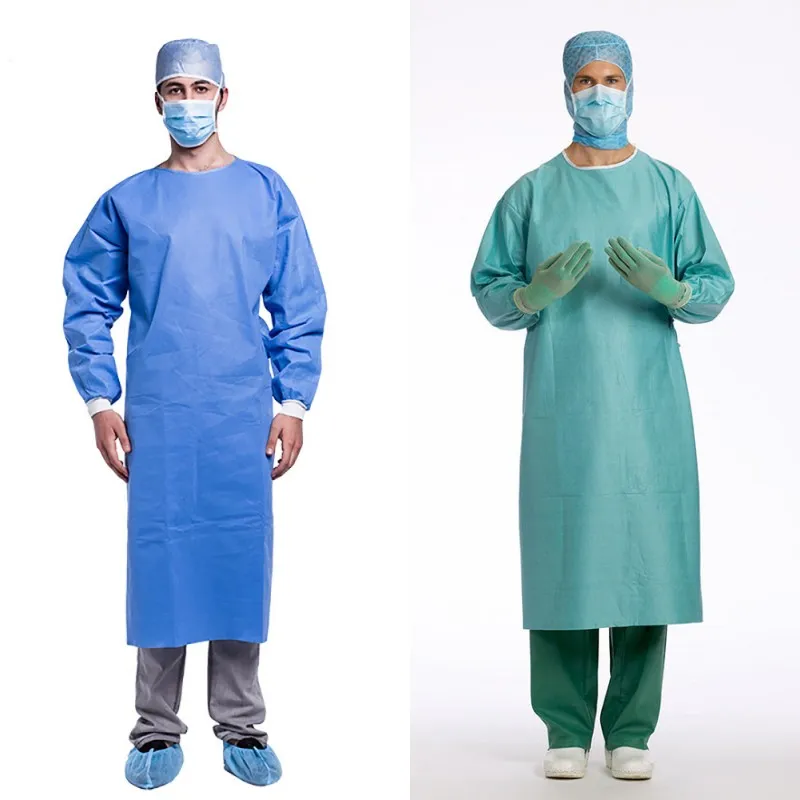
Blue surgical gowns came next. They offered the same visual benefits. Hospitals picked blue for AAMI Level 3 moderate-risk procedures. This included trauma care and ICU settings. The color brought key benefits:
- Less visual fatigue for medical staff
- Less glare under fluorescent and LED lighting
- Better focus during long surgical work
- Calm feelings that eased anxiety in high-pressure moments
Blue worked great in emergency rooms. These places demand quick thinking. Split-second choices save lives.
Material Innovation Accompanied Color Change
The shift meant more than just new fabric colors. Surgical gown materials have changed a lot. They went from basic cotton and linen to advanced non-woven fabrics. Today’s green and blue surgical gowns have CPE coatings. These provide Level 3-4 protection. You get top barrier performance against blood and fluid. White surgical gowns never reached these standards. They lacked the visual clarity modern surgery needs. They also missed the physical protection surgeons depend on today.
Psychological and Symbolic Meanings of Blue and Green
Color choices in surgical settings do more than look good. They shape how people feel, cut stress, and build trust between medical teams and patients. Surgical gowns in blue and green create different mental effects. These effects lead to better results in high-pressure medical spaces.
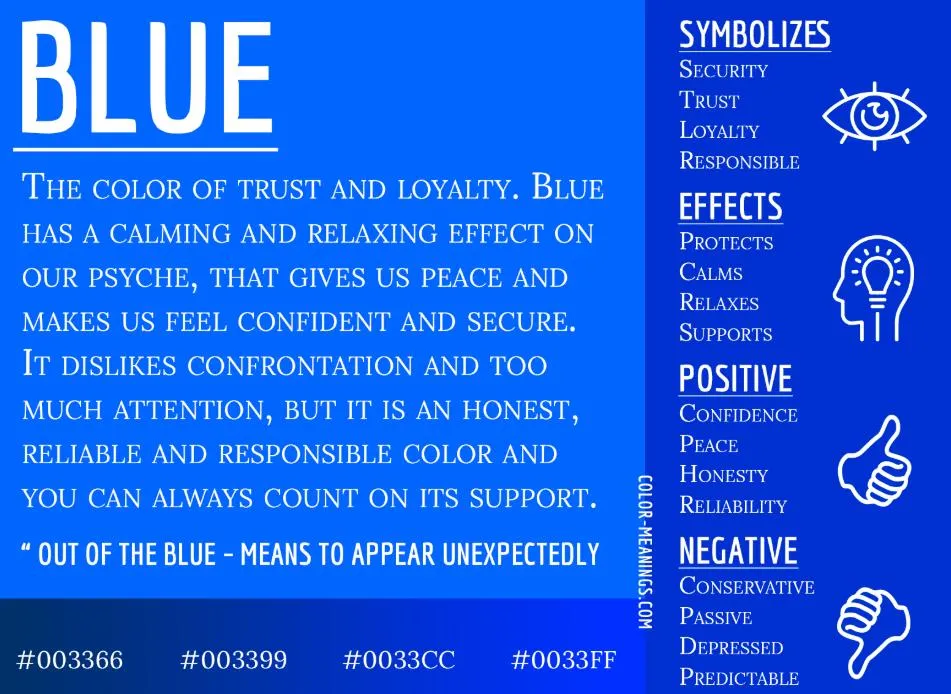
How Blue Calms Medical Teams and Patients?
Blue triggers instant calming responses in the brain. This matters during surgery. Stress runs high. The color eases anxiety for healthcare workers and patients alike. Medical professionals in blue gowns feel more composed. They focus better during tough procedures.
Blue also signals professionalism and trust. Patients see blue medical attire. They feel safer. They trust their healthcare providers more. This mental comfort eases pre-surgery anxiety. Clinical teams gain benefits too. Blue helps them coordinate better. Team members communicate with more clarity. Quick decisions become easier in emergency rooms and ICUs.
Research from Taipei Medical University backs this up. Blue surgical gowns cut visual fatigue by a lot. Surgeons stay focused through procedures that last many hours.
Green’s Dual Role: Vision Support and Healing Symbolism
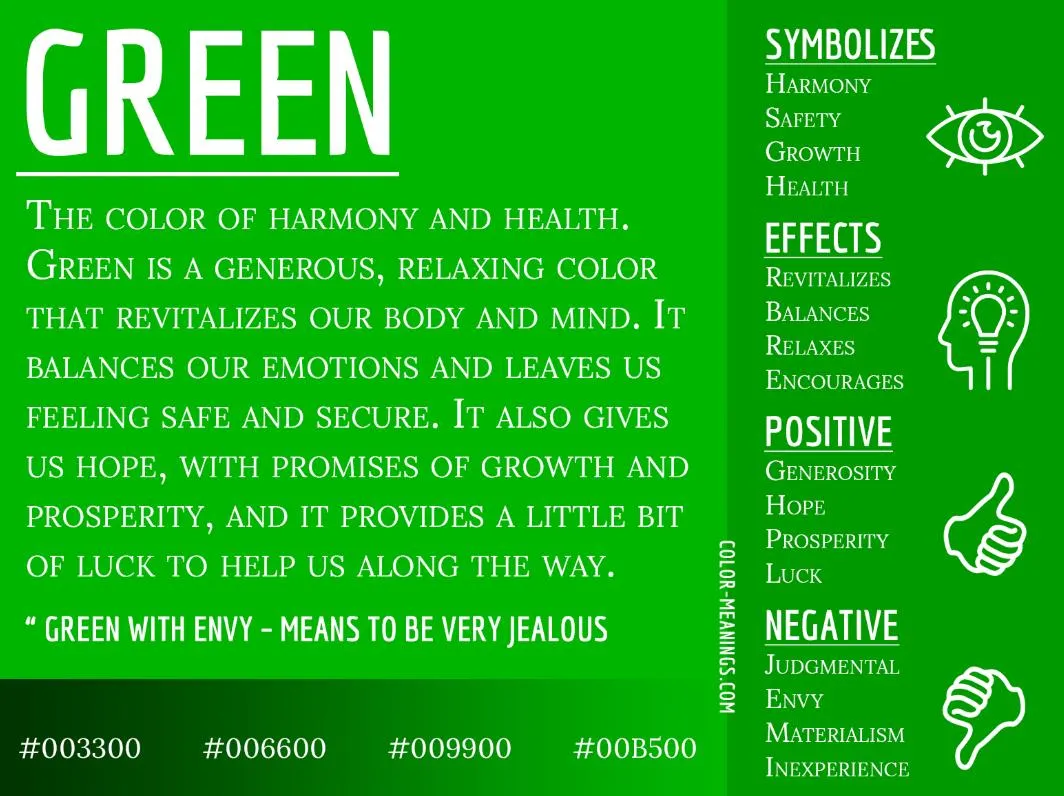
Green carries a strong symbolic meaning in healthcare. The color stands for vitality, healing, and natural recovery. Patients link green with wellness and safety. This builds a healing atmosphere. It supports their mental state during treatment.
The mental connection goes deep. Green reminds people of nature and growth. These links spark feelings of renewal. Patients in green surgical spaces feel more hopeful about recovery. The color becomes part of healing itself.
Green does two jobs at once. It serves its scientific purpose—reducing eye strain and providing red-tissue contrast. At the same time, it delivers these emotional perks. This double function makes green extra valuable in operating rooms.
Practical Benefits in Operating Rooms
Operating rooms need equipment that performs under pressure. Surgical gowns in blue and green solve practical problems that white gowns can’t handle.
Stain Concealment Maintains Professional Appearance
Blood and fluids are constant in surgery. Blue and green fabrics hide these stains far better than white or bright colors. A surgeon working on a 6-hour operation gets visibly contaminated. Dark-toned gowns keep this minimal. This helps the team’s confidence. Patients and families see clean, professional appearances even during long procedures.
White surgical gowns show every blood drop. The stained look creates stress in tense environments. Green and blue keep their professional look through the longest surgeries.
Color-Coded Systems Speed Role Recognition
Different countries use colors to identify roles and risk levels at a glance. The United States relies on blue isolation gowns for non-invasive procedures. Green and blue mark surgical settings. Yellow signals high-risk scenarios with heavy fluid exposure.
The United Kingdom assigns green to surgical theaters. Lilac or pink indicates general patient care duties. Canada uses blue for sterile environments and standard procedures. Yellow warns staff about invasive work with high contamination risks.
These color codes stop confusion during emergencies. Team members spot protective gear levels at a glance. Response times drop. Communication gets clearer in critical moments.
Superior Material Performance Under AAMI Standards
Blue surgical gowns meet AAMI Level 3 standards. They handle moderate-to-high-risk scenarios. The material provides excellent fluid resistance. Critical zones—mid-chest to waist and two inches above the elbow to the cuff seam—get enhanced protection under ANSI/AAMI PB70:2012 requirements.
Green surgical gowns serve as the surgical standard. Their fabric enhances visual contrast for tissue work. Yellow gowns align with Level 1-2 standards. They’re lighter weight but still fluid-resistant for lower contamination risks.
Long-Term Durability Cuts Healthcare Costs
Green and blue fabrics survive repeated washing cycles better than white. Color retention stays strong. Fabric integrity holds up through dozens of sterilization rounds. White gowns yellow over time. They lose their clean appearance fast. This forces earlier replacement.
Reusable surgical gown programs benefit most from blue and green options. Healthcare facilities cut replacement costs by a large margin. The professional appearance lasts longer. These practical savings add up across hundreds of procedures every month.
Optimal Light Interaction Reduces Glare
Operating room lights run at 3000-5000K color temperature. Green and blue wavelengths interact well with this lighting. Reflection and glare drop compared to white fabric. This optical advantage supports surgeons through 4-6+ hour procedures where visual performance can’t decline.
White gowns create bright reflections under surgical lights. Eye strain builds faster. Surgeons lose focus during critical moments. Blue and green eliminate this problem through simple physics.
Why Not Other Colors?
White surgical gowns cause problems in surgery. The fabric bounces bright OR lights right into the surgeons’ eyes. This glare strains their eyes—blue and green stop this. White offers no contrast against blood and tissue. Surgeons can’t see clearly during key moments. The clean look disappears after the first cut. Blood stains show up right away, upsetting everyone in the room.
White works fine in doctors’ offices and patient care areas. It shows cleanliness in safer spaces. But surgery? It fails every test.
Yellow Serves Isolation, Not Surgery
Yellow surgical gowns mark isolation and infection control areas. Hospitals use them in isolation wards, ERs, and high-risk infection units. The bright color warns staff to be careful. They spot contamination risks fast.
Yellow doesn’t work for surgery, though. The thin material only meets AAMI Level 1-2 standards. These ratings cover light fluid exposure. Surgery needs Level 3-4 protection. Yellow gowns don’t cover the critical zones surgeons need.
The color misses the eye benefits of blue and green, too. Yellow doesn’t reduce eye strain during long operations. It gives moderate blood contrast, not the sharp contrast green provides. Surgeons need clear visual separation between tissue types. Yellow can’t deliver that.
Red and Purple Mark Patient Status
Red and purple gowns identify fall-risk or end-of-life care patients in regular wards. These colors tell nursing staff about patient needs. They don’t relate to surgical sterility at all.
Neither color meets AAMI Level 3-4 protection standards for ORs. The materials don’t create proper barriers. They can’t handle repeated sterilization cycles that surgical gowns go through. Red and purple also clash visually against bloody surgical areas. The color mix ruins the contrast surgeons rely on to identify tissue.
Why Blue and Green Dominate Surgical Gown Colors?
Blue and green surgical gowns win out because of solid science, strict rules, and real clinical benefits. White or other colors just don’t measure up.
Color theory explains the basics . Green and blue sit opposite red on the color wheel. This gives a clear visual contrast in surgeries where blood is everywhere. Surgeons can spot different blood shades and tissue types with accuracy. This precision saves lives during tough operations.
Rules back up these color picks . ANSI/AAMI PB70:2012 standards set the bar for protection zones and barrier performance. Blue surgical gowns hit AAMI Level 3 standards for moderate-risk work in ICUs and operating rooms. Green gowns reach Level 3-4 ratings for high-risk surgeries with heavy fluid contact. Both colors meet FDA 510(k) premarket notification rules for Class II medical devices.
Research proves the mental benefits . Studies from Taipei Medical University show blue surgical clothing cuts eye strain under bright OR lights. Green creates calm and helps mental health during stressful surgical moments. These proven effects lead to sharper focus and less anxiety for surgical teams.
Hospital tradition plays a role . Decades of surgical practice made green and blue the OR standard. Hospitals use matching color systems for branding and consistency. This builds smooth training programs and better efficiency across many sites. The colors now represent surgical expertise around the globe.
FAQs About Surgical Gown Colors
Do surgical gown colors affect patient anxiety levels?
Yes. Color psychology affects how patients feel before surgery. Blue surgical gowns calm the brain. Patients see blue medical attire and feel less anxious before operations. The color builds trust. It looks professional. This mental comfort helps patients relax during stressful moments.
Green surgical gowns create feelings of harmony and recovery. Patients link green with nature, growth, and healing. This connection keeps mental states positive during treatment. The color builds recovery expectations without patients even noticing.
Yellow surgical gowns work differently. They signal caution and alert. Medical staff use yellow in isolation wards to show infection risks. This color increases awareness rather than comfort.
How do hospitals choose surgical gown colors?
Hospitals pick colors based on several factors. Protection level needs come first. High-risk surgeries need Level 3-4 surgical gowns . These come in green or blue. Yellow gowns meet Level 1-2 standards for low-risk cases.
Brand identity matters too. Many healthcare systems use the same colors at all locations. This makes training easier. New staff learn protocols faster with uniform colors.
The procedure needs a guide for choices. ICUs and trauma centers use blue for moderate-risk work. Surgical theaters choose green for better visual contrast. Isolation units use yellow to mark contamination zones.
Regions differ around the world. The United Kingdom uses lilac or pink for general patient care. Some Asian hospitals avoid white. It reminds people of mourning. Canada follows the U.S. color systems but adjusts based on climate and washing facilities.
Are there universal color standards for surgical gowns worldwide?
No universal standard exists. Each country follows national or local best practices. The HALYARD Color-Key System guides the industry, but isn’t required. This system uses yellow for basic protection. Green means standard fabric-reinforced gowns. Red indicates maximum high-performance types.
Packaging has color-coded neckbands and tie cards. OR staff spot protection levels at a glance. But hospitals choose their own systems based on local rules and infection control policies.
Can surgeons perform as well regardless of gown color?
Color impacts how well surgeons see. Surgeons in white face too much glare under OR lights. Focus drops during long procedures. Blood stains appear right away. This creates stress.
Blue and green fix these problems. Research from Taipei Medical University proves blue surgical attire cuts visual fatigue. Surgeons stay focused through 4-6-hour operations. Green creates the strongest contrast against red tissue tones. Surgeons can tell blood shades and tissue types apart with precision.
Error rate data isn’t published much, but the link is clear. Less visual fatigue means better decisions. Calmer minds lead to steadier hands and better surgical results.
Conclusion
Understanding why surgical gowns are blue and green improves safety, comfort, and clear vision during long procedures. These colors reduce glare, support better focus, and create a calmer working environment for medical teams. Choosing the right color and protection level also helps hospitals deliver better results. If you need wholesale disposable surgical gowns , feel free to contact us for reliable supply and pricing