
Last summer, wildfire smoke covered my city for weeks, and even my dog didn’t want to go outside. That’s when I realized dogs breathe the same dirty air we do—but without any protection. I started researching the dog N95 mask, and it completely changed how I care for my pet during poor air days. Let me tell you why it’s worth considering.
When Should Dogs Wear a Dog N95 Mask? Air Quality Risks and High-Risk Scenarios
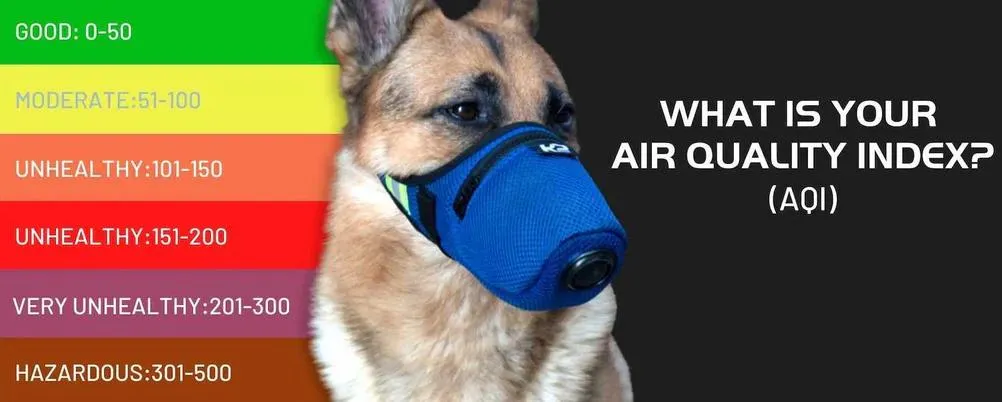
Dogs may need a dog N95 mask when air pollution becomes dangerous. This includes wildfire smoke, heavy urban smog, dust storms, volcanic ash, chemical spills, or high pollen days. The key indicator is the Air Quality Index (AQI):
- AQI above 150: Starts to pose health risks for most dogs.
- AQI 250–500: Marked as “Unhealthy” to “Hazardous.” Keep outdoor time short.
For example, during California’s wildfire season, AQI can spike to 200–400. Even a quick potty break can put dogs at risk.
Which Dogs Are Most at Risk?
Senior dogs
Dogs with weak immune systems
Dogs with existing breathing problems
Brachycephalic breeds (flat-faced, e.g., Pugs, French Bulldogs). I should note that not all masks fit these breeds well.
Symptoms of Dangerous Air Exposure in Dogs
Coughing or wheezing
Hard time breathing
Watery or red eyes
Tired or weak behavior
In severe cases: breathing distress, possible lung damage, or death
Practical Dog N95 Mask Use: How and When
Based on my experience, I recommend these tips:
Use masks for short outdoor periods with supervision. Limit to about 10 minutes per session.
Watch for signs of overheating. Look for heavy panting, glazed eyes, fast heartbeat, or poor coordination.
Never use it as a daily habit. Save it for crisis-level air quality.
Common Situations Requiring a Dog N95 Mask
Walks during wildfire smoke warnings
High-smog days in cities
Dust storms or chemical accidents
Volcanic ash events
Peak pollen seasons for dogs with allergies
Which Dogs Need Extra Protection from Air Pollution?
Poor air quality does not affect all dogs the same way. Some groups face higher risks. I recommend paying close attention to these dogs if you’re thinking about a dog N95 mask.
Age, Size, and Health: Key Risk Factors
Puppies and Small Breeds: These dogs have smaller lungs. They also breathe faster than larger dogs. This means they inhale more polluted air for their body size. In my experience, they are more at risk from airborne toxins.
Pre-existing Health Conditions: Dogs with breathing problems need extra care. This includes chronic bronchitis or a collapsed trachea. Dogs with heart disease are also at higher risk. Their bodies can’t handle extra pollutants in the air as well.
Environmental Exposure: Dogs in busy cities breathe in more pollution. High-traffic areas are worse. Fine particles like PM2.5 are the most dangerous.
Data: Pollution’s Real Impact on Dogs
For every increase of just 1 microgram per cubic meter of PM2.5 over a week, there is a 0.7% uptick in vet clinic visits for dogs.
Meeting World Health Organization (WHO) air quality standards could prevent more than 80,000 vet visits every year in the UK alone—a huge improvement in canine health.
Examples of Vulnerable Dog Situations
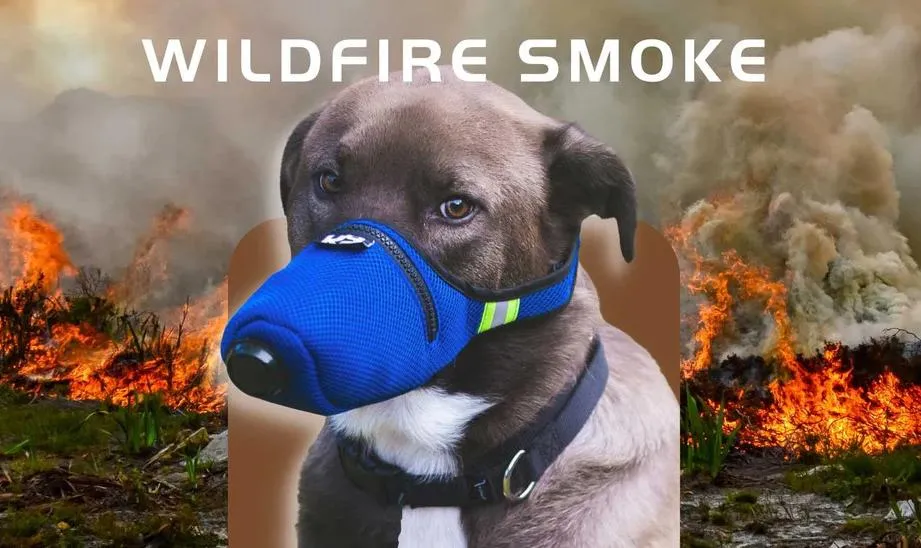
Wildfire Smoke: Even short exposure can cause breathing problems. Dogs with existing lung issues are at even higher risk.
Indoor Air Pollution: Tobacco smoke or burning incense adds to the danger. I suggest avoiding these around dogs with airway diseases.
Main Factors that Increase Vulnerability
- Age: Puppies and older dogs can’t fight off toxins as well.
- Breed Size: Smaller dogs absorb more harmful particles for their size.
- Chronic Health Issues: Breathing or heart problems raise the risk a lot.
- Location and Exposure: Urban areas pose more danger. Wildfire zones and homes with poor air quality mean dogs breathe in more pollutants every day.
Check your dog’s age, health, and living area often. I suggest this as a basic step. Does your dog fit any risk profile above? If so, use a dog N95 mask every time the air quality gets worse. Don’t wait for heavy smog or wildfire events.
How Dog N95 Masks Protect Dogs From Airborne Pollution?
Dogs breathe faster than humans. This makes them more at risk from poor air quality. N95 masks for dogs , like the K9 Mask, use replaceable N95 filters. These filters meet the CDC’s hospital-grade standard. They block at least 95% of airborne particles as small as 0.3 microns. The design protects against wildfire smoke, dust, pollen, mold, bacteria, and some chemical particles. All of these can harm pets.
Why Dogs Are More Sensitive?
Dogs at rest take 15–30 breaths per minute. This increases fast during activity or panting. They may inhale more pollutants compared to humans on similar outings.
Their airways contain up to 300 million scent receptors. This makes their breathing system more sensitive to airborne toxins.
Panting cools dogs down. It moves large amounts of air. An N95 mask with a special exhale valve lets dogs pant while filtering inhaled air. This cuts heat buildup. It also helps maintain oxygen exchange.
What’s Inside a Dog N95 Mask?
Multi-layered fabric and activated charcoal provide 360º snout coverage. This matches human-grade protective standards.
Filters come in two types:
- Extreme Breathe for AQI 250–500 (dangerous conditions)
- Clean Breathe for AQI 100–250 (unhealthy but less severe)
Each filter lasts up to four hours. For safety, I recommend removing the mask every 10–30 minutes. Check your dog’s breathing and comfort.
Fit, Comfort & Limitations
Adjustable straps and a soft, washable mesh exterior keep the mask in place. This works even on active dogs.
Reflective elements help with visibility outdoors.
Not all dogs accept the mask right away. Some may feel anxious or uncomfortable.
N95 masks do not protect against gases, vapors, or toxins absorbed through the skin or eyes. They may not suit flat-faced breeds or dogs with major breathing issues. I suggest consulting your vet before use.
Real-World Uses and Pricing
These masks are popular during severe wildfire seasons in California. Pet owners use them for quick outings like bathroom breaks or evacuation.
Sizes range from small to large. Prices are around $59 per mask. Replacement filter packs (set of five) cost $24.88.
Quick Reference: N95 Mask Protection for Dogs
- Filters 95% of airborne particles 0.3 microns and larger
- Reduces risk from wildfire smoke, PM2.5, dust, pollen, bacteria, and mold
- Integrated exhale valve allows safe panting
- 4-hour filter lifespan per use; frequent monitoring required
- Not effective against toxins via skin contact, ingestion, or eye exposure
Example:
During dangerous wildfire smoke in California, dog N95 masks helped pet owners manage necessary trips outdoors. This reduced emergency vet visits caused by breathing problems.
Medical and Recovery Applications: How Dog N95 Masks Support Canine Health
Dog N95 masks protect dogs facing medical or recovery challenges. I recommend them when air quality becomes a health threat. These masks go beyond everyday use. They’re vital in critical health and rehab scenarios.
Reducing Respiratory Issues and Promoting Recovery
Dogs with existing respiratory problems—like chronic bronchitis—benefit when N95 masks filter out smoke, dust, and pollen. This reduces the risk of breathing distress. It also prevents long-term lung damage.
For dogs recovering from surgery, clean air lowers the risk of breathing complications. It promotes a safer healing space.
Allergy and Pollution Defense for Sensitive Dogs
Masks act as a barrier against allergens such as pollen, mold, and dust mites. Dogs with seasonal or chronic allergies experience fewer symptoms—less sneezing, coughing, and hard breathing—when wearing an N95 mask outside.
In cities with frequent smog or areas with sudden dust storms, these masks offer relief.
Extra Protection for Seniors, Vulnerable Dogs, and Special Breeds
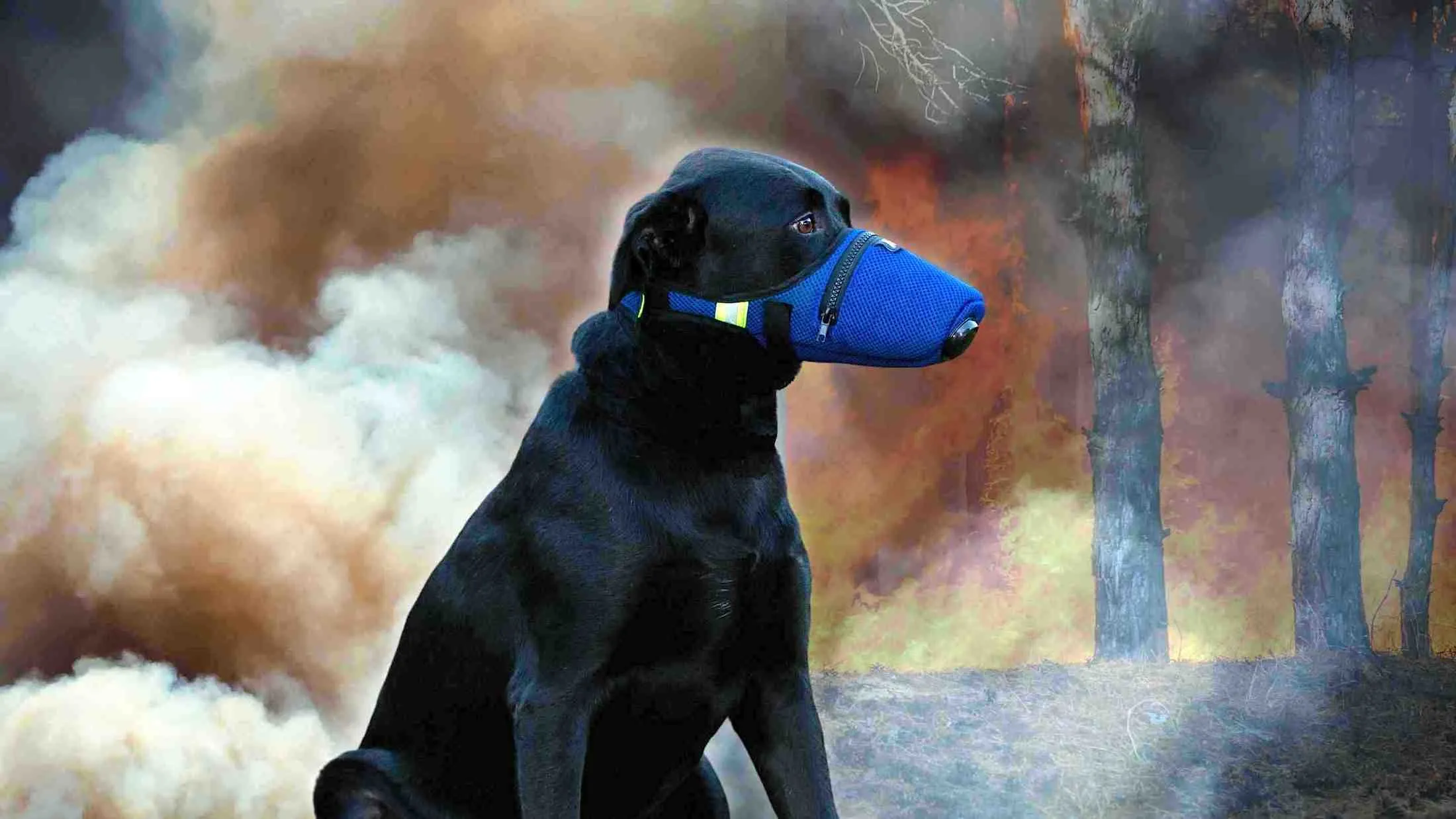
Senior dogs and those with weak immune systems face a higher risk from poor air quality. I suggest using a mask in hazardous conditions. It helps prevent serious health episodes.
Brachycephalic breeds—like Pugs, Bulldogs, and French Bulldogs—struggle more. Their airways are compact. N95 masks support these dogs by filtering out harmful particles. This reduces strain on their breathing in polluted areas.
Filter Options for Various Medical Needs
“Extreme Breathe” Filters: These work best for the highest risk situations (AQI 250–500). They defend against harmful smoke and fine particles. I recommend them during wildfires or chemical pollution events.
“Clean Breathe” Filters: These suit moderate pollution levels (AQI 100–250). They help dogs with chronic conditions during common urban smog or pollen surges.
Real-World Medical Applications
- During wildfire seasons on the West Coast, pet owners use N95 dog masks . They protect dogs from smoke and airborne ash. This is important for dogs with cardiac or lung issues.
- Vets recommend masks as part of a full approach for dogs at risk or in recovery. Based on my experience, their value shows during air quality emergencies.
Tip: For medical or recovery use, consult your vet. Ask for advice on the best mask type and usage schedule to match your dog’s needs.
Practical Tips for Using Dog N95 Masks: Safety, Fit, and Monitoring
I believe safety and effectiveness depend on careful use. Here’s what you need to know as a dog owner:
Safe Usage Time and Monitoring
Time Limit: I recommend limiting mask use to about 10 minutes at a time. Dogs cool themselves by panting. The mask blocks this. This increases the risk of overheating.
Watch Your Dog: Always watch your dog while it wears the dog N95 mask. Look for signs of distress. These include heavy panting, glazed eyes, rapid heartbeat, and trouble breathing. You may also notice tiredness or poor coordination.
Warning Signs: Other danger signs include too much thirst, fever, and dizziness. Watch for heavy drooling, vomiting, or a dark red or purple tongue. Seizures or loss of consciousness are serious. Remove the mask right away if any of these appear.
Temperature and Environmental Cautions
Heat Sensitivity: I suggest extra caution when temperatures rise over 85°F (29°C). Old dogs, young dogs, overweight dogs, or those with heart or lung disease face a higher risk.
Crisis Use: Based on my experience, dog N95 masks are for crisis scenarios. Use them when the Air Quality Index (AQI) exceeds 100. This happens due to wildfire smoke, dust, ash, chemical exposure, or allergens.
Filter and Fit Guidelines
Filter Duration: Each N95 filter lasts up to four hours. I recommend you remove the mask every 10 minutes (heavy filters) or 30 minutes (lighter filters) for a safety check.
Sizing: Choose the right size for your dog’s muzzle circumference:
- Small: 6-10 in
- Medium: 10-14 in
- Large: 14-18 in
- Extra Large: 18-22 in
Proper Seal: The dog N95 mask must fit tightly against your dog’s mouth. This makes it effective. Gaps or leaks reduce protection.
Breed-Specific Restrictions
Flat-Faced Breeds: Current dog N95 mask designs do not fit flat-faced breeds (e.g., Pugs, Bulldogs, French Bulldogs). Their flat faces prevent a proper seal.
Health Conditions: Dogs with breathing problems should use a mask after talking to a vet first. I think this step is critical.
Activity Limitations
Short Outdoor Trips: I suggest using these dog N95 masks for short trips. They are not for long activities or extended walks. They work best for quick outings. These include brief potty breaks. You can also use them to move your dog to safety during poor air conditions. Frequent checks and limited wear time are key.
Best Dog N95 Mask Brands and Product Comparison: Features, Prices, and User Experiences
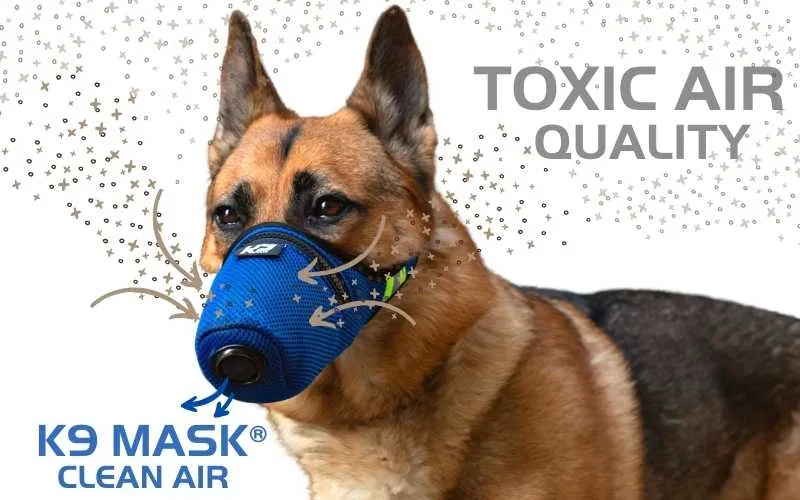
I recommend the K9 Mask ® as the top dog N95 mask for protecting your pet from dangerous air pollution. This mask is made for pets. It offers replaceable human-grade air filters. It also has an adjustable fit for different snout shapes and sizes.
Key Features of the K9 Mask®
Filter Options:
- Extreme Breathe N95 Filters : Best for severe air quality threats (AQI 250–500, marked “Unhealthy” to “Hazardous”).
- Clean Breathe Filters : Best for moderate pollution days (AQI 100–250, “Moderate” to “Unhealthy”).
Filter Lifespan : Each filter lasts up to four hours. Refill packs contain three or five filters. This makes ongoing use easy.
Material and Comfort : The dog N95 mask uses a soft, athletic-flex mesh exterior. You can wash it after removing the filter. Adjustable straps ensure a snug fit across different dog breeds and sizes.
Exhale Valve : Dogs can pant and release heat through this valve. This prevents overheating during short wears.
Visibility : Reflective ribbing makes evening or low-light outings safer.
Safety Standards : PM2.5 micro air filters are tested and proven to work against wildfire smoke, dust, chemicals, allergens, and volcanic ash.
Made in the USA : Produced in Austin, Texas. This ensures consistent quality control.
Design Options : Available in several colors—Blue, Pink, Black, Red, and Orange.
Price and Value
Mask Retail Price : $49–$55 per unit with Extreme Breathe filters included.
Filter Refill Packs : $25 for a pack of five filters.
The mask is designed for short, emergency outdoor trips. I don’t suggest using it for everyday long walks.
Expert and User Feedback
Veterinary Guidance : Consult with your vet before using this mask. This is important for flat-faced breeds or dogs with respiratory conditions.
User Reviews : Pet owners remove the dog N95 mask every 10 minutes with heavy filters. With lighter filters, they remove them every 30 minutes. This ensures their dog’s safety.
Real-World Scenarios : People use this dog N95 mask during wildfire smoke emergencies, volcanic ash fallout, dust storms, chemical spills, red tide events, or days with high levels of airborne allergens or bacteria.
Practical Insights : Some dogs feel anxious at first. But the adjustable fit and breathable fabric help most pets adapt. Based on user feedback, owners appreciate the peace of mind during air pollution spikes. They also report fewer emergency vet visits.
Market Comparison
Competition : K9 Mask® is the major dog N95 mask brand right now. People recognize and review it often. No significant alternatives exist made just for pets. Human N95 brands like 3M are for people, not dogs.
Reputation : Well-known investors on Shark Tank endorsed this mask. People praise it for innovation and effectiveness in protecting pets.
Summary:
I suggest K9 Mask® as the go-to option for dog owners seeking reliable N95-grade protection. It combines high filtration, comfortable design, and proven effectiveness. For dangerous air quality events—from wildfire smoke to chemical incidents—it provides critical peace of mind for pet health and safety.