

Finding reliable bulk manufacturers for disposable shoe covers doesn’t have to be hard. Avoid low-quality vendors and hidden costs. This guide shows where professionals buy medical and heavy-duty covers, compares real pricing, highlights quality markers, and explains minimum orders and lead times to prevent delays and torn booties on the job.
Types of Disposable Shoe Covers Available in Bulk
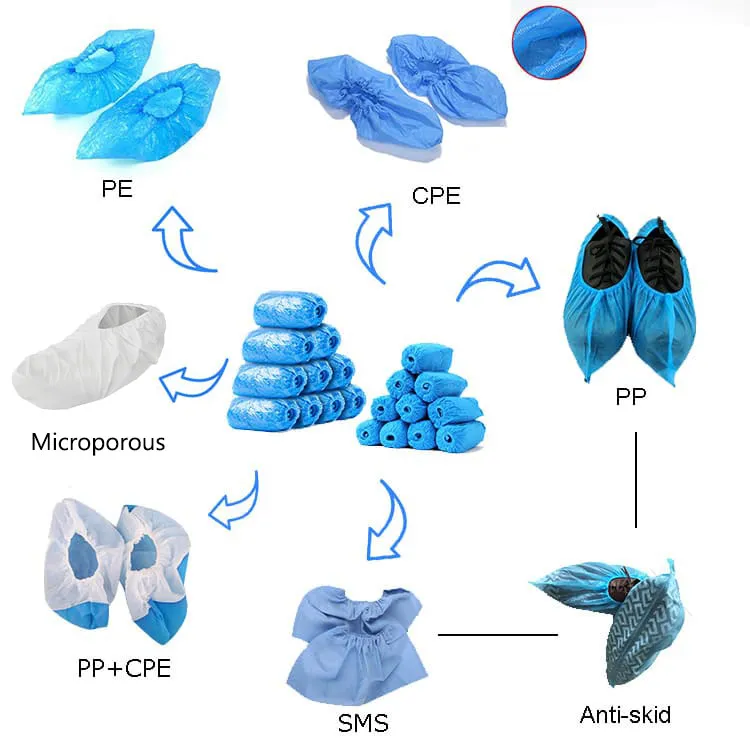
You can find bulk disposable shoe covers in five main material types. Each type serves different workplace needs and protection levels. Your material choice affects how long they last, how well they resist fluids, and what you pay per unit. Cases range from 300 to 1,000+ covers.
Polypropylene (PP) Nonwoven Covers
Spunbond polypropylene shoe protectors are lightweight and popular in medical facilities and labs. These breathable covers use 25–40 gsm fabric weight. They block dry particles well. But they don’t stop the water. Cleanroom-grade versions mix PP with polyester and PE layers. These meet ISO Class 4 (Class 10) cleanroom bootie standards. Standard models come in 500-pair cases.
CPE and Polyethylene Waterproof Options
CPE shoe covers use 100% compressed polyethylene. This gives you better fluid barriers. A typical bulk case holds 1,000 booties at 40 cm length—that’s 500 pairs. Pricing runs $158.35 per case for 1–9 cases. Order 10+ cases? The price drops to $131.96 per case (≈$0.132 per cover). Standard PE covers give basic liquid protection. Heat-sealed seams keep fluids out. You get 500 pairs per case. Both materials don’t lint and let air through despite being waterproof.
SMS Multi-Layer Construction
SMS nonwoven technology (spunbond–meltblown–spunbond) makes ankle-high covers that resist fluids. These covers pass ASTM F1670 synthetic blood penetration standards. Medical-grade work needs this level of protection. Bulk packages hold 300 covers per case. That’s three bags of 100 units each. Dual elastic bands (“over and under” closure) grip better than single-elastic types.
Anti-Skid Specialty Covers
Non-slip shoe covers work well for construction and industrial jobs. They mix spunbond/PE/polyester tops with textured soles. The 300 covers/case setup (three 100-count bags) makes inventory easy to manage. Microporous film versions offer 400 covers per case. These suits control spaces that need some airflow plus particle blocking.
Sizing Across Bulk Types
Universal 40 cm (16-inch) lengths fit most shoes. XL shoe covers bulk options stretch to 40.64 cm. Low-profile PE models stand 14.6 cm tall. Most use elastic ankle closures. Cleanroom boot covers sometimes use tie closures to control contamination better.
Best Places to Buy Disposable Shoe Covers in Bulk
Bulk buyers fall into three groups. Some orders come from general B2B platforms. Others go straight to manufacturers. The rest stick with specialized medical or industrial distributors. Each channel has different pricing structures and minimum order quantities. Your unit cost can swing by 30-50% depending on which route you take.
Direct from Major Manufacturers
Top-tier PPE suppliers ship in pallet quantities. They offer the tightest pricing for repeat orders. 3M, Honeywell, DowDuPont, Kimberly-Clark, Alpha Pro Tech, and Sunrise control most hospital and industrial distribution networks worldwide. These brands run dealer programs. You’ll need a business tax ID. MOQs start at 10 cases minimum. You get net-30 payment terms once you establish credit.
Elimstat uses a clear pricing model for cleanroom-grade covers. Their 100% non-woven compressed polyethylene booties come in cases of 1,000 units (10 bags × 50 pairs). Buy a single case? You pay $158.35 per case. Order 10+ cases? Price drops to $131.96 per case—a 16.7% volume discount. That breaks down to $0.132 per cover. Their 40 cm universal-size covers fit most applications. Blue or white color options ship from U.S. warehouses.
Regional disposable shoe cover manufacturers offer stronger pricing. But they require higher commitments. Pro Shoe Covers, Royal Shoe Covers, AMMEX, Nelson-Jameson Inc., and Protexer Corporation handle North American bulk orders. For export pricing, Indian manufacturers deliver the lowest production costs. Key players include Plasti Surge Industries, Cordova Safety Products, Angiplast Pvt. Ltd., Medilivescare Manufacturing, Kwalitex Healthcare, Premium Health Care Disposables, AdvaCare Pharma, Bellcross Industries, Shree Gajanand Industries, Medx Healthcare, Kiyaan Corporation, Z Plus, and GPC Medical Ltd. India is a growing export hub. Container-load pricing can run 40-60% below U.S. domestic rates. Plan for 45-60 day lead times. That includes ocean freight.
Specialized Industrial and Cleanroom Suppliers
Cleanroom World stocks a wide selection of disposable cleanroom shoe and boot covers. They also offer washable options for controlled environments. Their catalog serves pharmaceutical manufacturing, semiconductor fabs, and biotech labs. Most products meet ISO Class 4 (Class 10) standards. Case quantities range from 300 to 1,000 covers. This depends on material specs.
Thomas Scientific focuses on laboratory purchasing departments. They carry multiple SKUs. This includes ESD-safe and anti-static boot covers for electronics manufacturing. Their pricing works best for mid-volume orders (5-20 cases). You’ll find detailed contamination-control specs and AQL ratings for each product line.
Medical Supply Wholesalers
Healthcare-focused distributors work well with hospital purchasing systems. Plasti Surge Industries, Angiplast, Medilivescare, Kwalitex Healthcare, Premium Health Care Disposables, Bellcross, and GPC Medical operate as medical supply manufacturers. They have export capabilities. They know GPO contracts, HCPCS coding, and FDA registration requirements.
Hospitals are the single largest buyer of disposable shoe covers . Infection-control rules drive this demand. North America holds 35.0% of the global market share in 2025. U.S. healthcare demand pushes this number. Domestic medical wholesalers keep a deep inventory. They also turn orders around faster than general distributors.
B2B Platforms and Export Marketplaces
China and India work as major production and export hubs. Asia-Pacific is the fastest-growing regional market for disposable covers. China’s infrastructure boom helps. India’s low production costs create good conditions for export wholesalers. B2B platforms linking to these disposable shoe cover manufacturers work best for container-load orders (200,000+ units).
PE plastic shoe covers (polyethylene) hold 41.9% market share in 2025. Petroleum-based polymer pricing scales well at high volumes. For maximum volume buyers, PE-based products deliver the lowest cost per unit. You can get prices under $0.08 per cover at 500,000+ quantities. The disposable shoe covers market hit USD 1.40 billion in 2025. Forecasts show USD 2.01 billion by 2032 at a 5.3% CAGR. This growth means competitive pricing as manufacturing capacity grows.
How to Compare Bulk Suppliers of Disposable Shoe Covers?
Smart bulk buyers measure disposable shoe cover suppliers against six hard metrics before placing orders. Price tells you nothing about total landed cost or chain risk. A vendor offering $0.10 per cover with 60-day lead times and 8% defect rates costs you more than one charging $0.14 per unit with 20-day delivery and 0.5% returns. You need a clear comparison system that shows the full picture.
Product Specifications: Material, Thickness, and Performance Data
Request detailed datasheets from every disposable shoe cover manufacturer. Don’t accept vague descriptions. You want exact material makeup—100% HDPE, PP nonwoven, CPE blends, or whatever they claim. Plastic films should list microns (µm) in the 20–200 µm range typical for packaging. Textile-based covers use GSM (grams per square meter) instead. Light nonwoven medical booties run 10–40 gsm. Heavy-duty industrial versions hit >300 gsm.
Waterproofing performance requires test data, not marketing claims. Ask for the hydrostatic head test results. Basic water resistance needs >1,000 mm. Top applications need >5,000 mm. For coated fabrics, get water penetration pressure ratings and seam-sealing methods.
Durability checks matter just as much. Request abrasion resistance scores (Martindale or Taber cycles to failure). Get tensile and tear strength in Newtons or MPa. For flexible packaging, ask for drop test height plus burst strength numbers.
Certifications: Filter Out Unqualified Vendors Fast
Papers separate real makers from backyard shops. Every disposable shoe cover manufacturer should state and prove these certifications:
- ISO 9001 (quality management)—mandatory for OEM chains
- ISO 14001 (environmental management)—common buyer requirement
- ISO 13485 (medical device standard)—required for healthcare use
- CE marking for EU-market products (PPE, machinery, electronics)
- FDA-registered facility for medical or food-contact items
Compare how many relevant certifications each disposable shoe cover manufacturer holds. Check the certification body—known international auditors carry more weight than local ones. Verify expiry dates and scope coverage (which plants, which product lines). Expired or narrow-scope certificates show gaps.
MOQ, Lead Time, Capacity, and Shipping Terms
Collect these commercial terms in standard format:
MOQ (Minimum Order Quantity) : Get piece or kilogram minimums per SKU. Note requirements per color or size variation. Some suppliers offer tiered MOQ structures—normal MOQ 10,000 pieces with extra charges for 5,000-piece runs.
Production lead time : Separate sample lead time (most run 5–7 days) from mass production timelines (25–40 days from deposit to ex-factory). Pin down when the clock starts—deposit receipt or PO approval.
Capacity metrics : Ask for maximum units or tons per month. Clarify peak-season capacity and whether they promise space for your orders. A supplier running at 95% capacity can’t absorb your growth.
Shipping and Incoterms : Make all quotes match one base— FOB works best—for fair pricing. Document typical transit times (sea vs. air), freight cost per kg or cubic meter, and who books shipping. Payment terms vary: 30% deposit + 70% before shipment, Net 30/60/90, or LC at sight. Each structure affects your cash flow in different ways.
Volume-Break Pricing Tables
Get clear pricing tiers showing where discounts kick in:
- 1,000–4,999 units : $X.XX per unit
- 5,000–9,999 units : $Y.YY per unit (often 8–12% reduction)
- 10,000–24,999 units : $Z.ZZ per unit (15–20% off tier-one pricing)
- 25,000+ units : Request custom quote
Calculate the total landed cost at each tier. Include freight, duties, handling fees, and defect replacement costs. The lowest unit price seldom delivers the best total value.
Performance Tracking: On-Time Delivery and Quality Metrics
Ask disposable shoe cover suppliers for their KPIs:
- On-time delivery percentage (target: >95%)
- Defect/return rate (medical-grade should be <1%)
- Order accuracy percentage (correct items, quantities, specs)
- Fill rate (percentage of ordered quantity shipped)
Request reference customers in your industry. Contact them. Ask about delivery consistency, quality issues, and how they handle problems. A disposable shoe cover manufacturer’s own metrics mean nothing without third-party proof.
Risk Assessment: Capacity and Financial Stability
Look at each disposable shoe cover supplier’s reliability profile:
- Maximum capacity per month vs. your projected demand
- Your share of their total revenue (if you represent >20% of their business, your orders get priority—but their financial health depends on you)
- Supplier risk score (credit ratings, years in business, facility ownership vs. leasing)
- Geographic and chain spread (single factory or multiple sites)
Putting 80% of your volume with one disposable shoe cover supplier saves money short term. It creates a massive risk long term. Split orders across two or three qualified vendors.
Benefits of Buying Direct From a Manufacturer
Skip the middleman. You instantly shake off distributor markups of 5–25% . Place recurring bulk or truckload orders. This gets you the lowest unit cost. Plus, your supply chain becomes much simpler.
Measurable Cost Cuts and Stability
Stick with fewer suppliers. You could see 6–27% in sourcing savings. Simplify your specs for another 10–20% cut. Big companies save millions this way. It works. You get stability, not just better prices. Disposable shoe cover manufacturers set fixed volume commitments. This guarantees room for your orders. We call this the “highway” approach. It lowers stock-out risks and cuts logistics costs by about 10%.
Customization and Quality Control
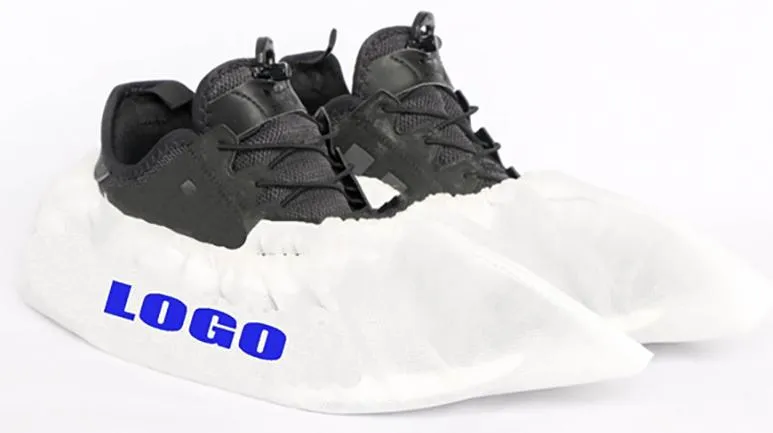
Work right with the factory. You get options that disposable shoe cover distributors just can’t offer. Think material adjustments, custom molds, or private labeling. These changes can save you over 25%. Also, a single quality system keeps things consistent. Direct sourcing cuts out the hand-offs. You see fewer defects. So, inspection costs drop by roughly 20%.
Action Steps for Value
Want maximum savings? Bundle your demand into full-truckload quantities. That grabs an extra 5–10% discount. Lock in long-term deals tied to raw material benchmarks. This keeps your costs predictable.
Bulk Order Tips for First-Time Buyers
First-time bulk disposable shoe cover buyers skip critical validation steps. They pay for it later. Defective shipments happen. Packaging disasters occur. Quality mismatches appear. Don’t trust supplier claims without checking them first. These four checkpoint areas protect your budget and prevent expensive returns.
Always Request Physical Samples Before Committing
Order 2–5 physical samples per SKU before any bulk purchase above 100 units. Sample inspection reveals what spec sheets hide. For textile products like polypropylene shoe protectors, check the GSM rating (grams per square meter). Medical-grade nonwoven covers run 10–40 gsm. Heavy-duty industrial versions hit >300 gsm. Check fabric composition percentages. Check stitching density. Quality construction shows 8–10 stitches per inch at seams.
Packaging materials need board-grade checks. Request samples with exact specs: 3-ply or 5-ply construction, 32–44 ECT rating, and 200–350 gsm board weight. Sample costs run 1–3× the unit price. Good suppliers deduct sample fees from your bulk order.
Lock in your “golden sample” once approved. Take multi-angle photos. Measure exact weight (±2–3% tolerance). Record dimensions in millimeters. Note specific color codes (Pantone/CMYK/Hex). Mass production must match this reference. For orders over 1,000 units, demand a pre-production sample or production proof. This extra step catches problems early. You avoid receiving 10,000 wrong-color blue disposable shoe covers .
Vet Suppliers Through Review Analysis
Platform ratings tell part of the story. Target disposable shoe cover suppliers with ≥4.5/5 average ratings across ≥50–100 verified reviews. Check their on-time delivery rate (target: ≥95%) and response rate (≥90% within 24 hours). These numbers show how well they operate.
Read review content, not just star counts. Watch for repeated mentions of “quality differs from sample,” “short shipment,” or “unexpected fees” in the last 6–12 months. Suppliers showing >5–10% one- or two-star reviews on recent transactions need closer checks. Look for buyer-posted photos and videos showing actual received products. Comments about batch-to-batch differences or arrival damage matter more than generic praise.
B2B platforms offer extra verification layers. Pick disposable shoe cover suppliers with ≥3–5 years operational history. Look for high transaction counts and third-party audit reports. On-site factory checks and verified certifications separate real manufacturers from trading companies.
Lock Down Packaging Specifications
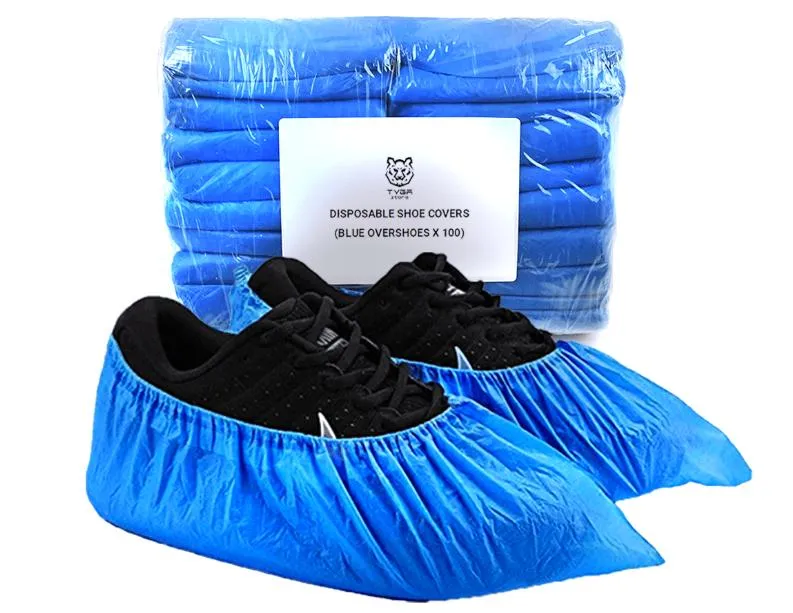
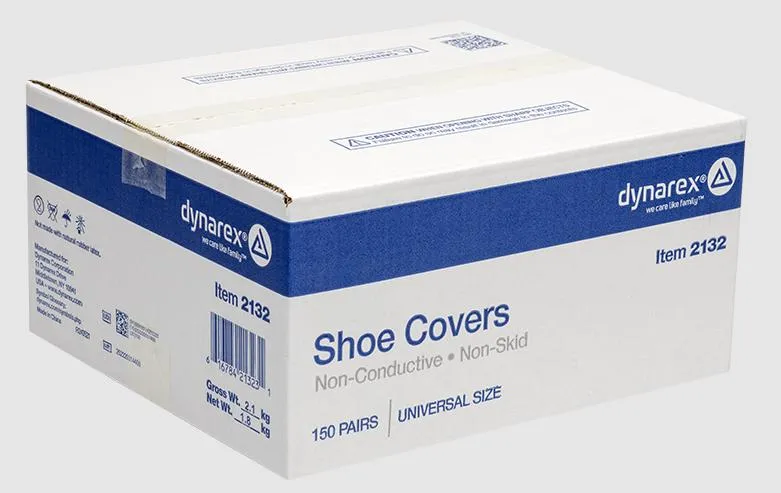
Request detailed packing list templates showing the complete breakdown: units per inner pack (e.g., 50 pairs per polybag), inner packs per carton (e.g., 10 bags), and total units per master carton (e.g., 500 pairs). For XL shoe covers bulk orders, confirm each carton’s physical size (length × width × height in cm/mm) and weights. Write down both net weight (product alone) and gross weight (with packaging) in kilograms.
Manual handling safety limits matter. Keep gross weight per carton at ≤15–20 kg for easy warehouse movement. Never go above ≤25 kg per carton—many markets enforce this as a safety maximum. Carton material specs affect shipping survival rates. Standard shipping needs 32–44 ECT (Edge Crush Test) rated cartons. Double-wall 5-ply construction handles stacking better than single-wall 3-ply for medical-grade shoe covers bulk shipments.
Labels prevent fulfillment chaos. Every carton needs: item name, SKU, color/size, quantity, carton number/total (e.g., 1/50), country of origin, and any required barcodes (EAN/UPC/FNSKU). For waterproof boot covers or fragile items, list inner protection needs: bubble wrap thickness, foam density ratings, and corner protectors. Ask suppliers about their drop test standards—many use 76 cm drop simulations on edges, corners, and faces.
Container optimization affects freight costs. Get calculations for cartons per pallet, pallet dimensions (120×100 cm EU standard or 48×40 inch US), and maximum safe stacking height. For ocean freight, request units per 20GP/40GP/40HQ container plus CBM per carton and total CBM. These numbers show whether you’re paying for air or product.
Define Quality and Return Terms Upfront
Set acceptable defect rate limits before production starts. General consumer goods should stay at ≤1–2% visible defects. Electronics and medical items need tighter limits: ≤0.5–1% DOA (dead on arrival) rates. Write down what happens if defects exceed agreed limits. List remedy options in your contract: full replacement shipments, partial refunds calculated per defective unit, or repair/rework steps with set timelines.
Smart buyers build defect backup plans into first orders. Expect some learning curve with new suppliers. Clear records and strict sample-matching rules cut down expensive mistakes before they grow across multiple shipments.
FAQs
Bulk buyers ask the same questions hundreds of times when talking to suppliers. Here’s what you need to know about minimums, shipping, and quality standards that impact your profits.
What’s the minimum order quantity for bulk purchases?
MOQs change based on supplier type and material. Direct disposable shoe cover manufacturers want 5,000–10,000 units minimum for standard d isposable CPE shoe covers or polypropylene shoe protectors. Medical supply wholesalers let you start smaller—1–5 cases (300–1,000 covers per case). B2B platforms like Alibaba show MOQs from 10,000 to 50,000+ units for export orders.
Custom colors or sizes mean higher minimums. You’ll need 25,000–50,000 unit commitments for private-label non-slip shoe covers or specialized cleanroom booties.
How long does production and shipping take?
Sample lead time: 5–7 days for most suppliers.
Mass production: 25–40 days from deposit receipt to ex-factory readiness.
Add shipping time based on your method. Air freight takes 5–10 days but costs 3–5× more than ocean. Sea freight runs 20–45 days based on the origin port and destination.
Domestic U.S. disposable shoe cover suppliers like Elimstat ship within 5–7 business days from warehouse stock. Import orders need 45–60 days total, including customs clearance.
Can I return defective products?
Most B2B disposable shoe cover suppliers accept returns for manufacturing defects above agreed rates (1–2%). Document defects with photos within 48–72 hours of receipt.
Replacement policies differ. Some cover shipping costs. Others don’t.
Set clear defect definitions before you order: torn covers, missing elastic, and wrong sizing. Medical-grade shoe covers face stricter standards. They often include <0.5% defect guarantees with full replacement for bad batches.
Conclusion
Ensure quality and reliability when buying bulk disposable shoe covers by checking materials, certifications, pricing, and lead times. Direct sourcing often reduces costs and improves consistency. Always verify samples and packaging. For custom sizes, colors, or specialty protective products, contact us today for a personalized quote and expert guidance.