

Every year, head injuries on construction sites send thousands of workers to the emergency room. A significant number of those incidents involve hard hats that passed their safety certifications — and still failed the workers wearing them.
WaveCel hard hats have been showing up on jobsites with a bold claim: they absorb oblique impacts and rotational forces that traditional helmets were never built to handle. Safety managers noticed. They had good reason to.
But here’s the uncomfortable question: is WaveCel technology better than what 3M has been delivering for decades, or is it just better marketing?
This guide cuts straight to the answer. You’ll get a clear breakdown of:
- Real protection differences between the two
- Certification standards each helmet meets
- The exact scenarios where each helmet earns its price — or falls short
WaveCel Hard Hat Technology: How the Honeycomb Impact Absorption System Feels in Real Use
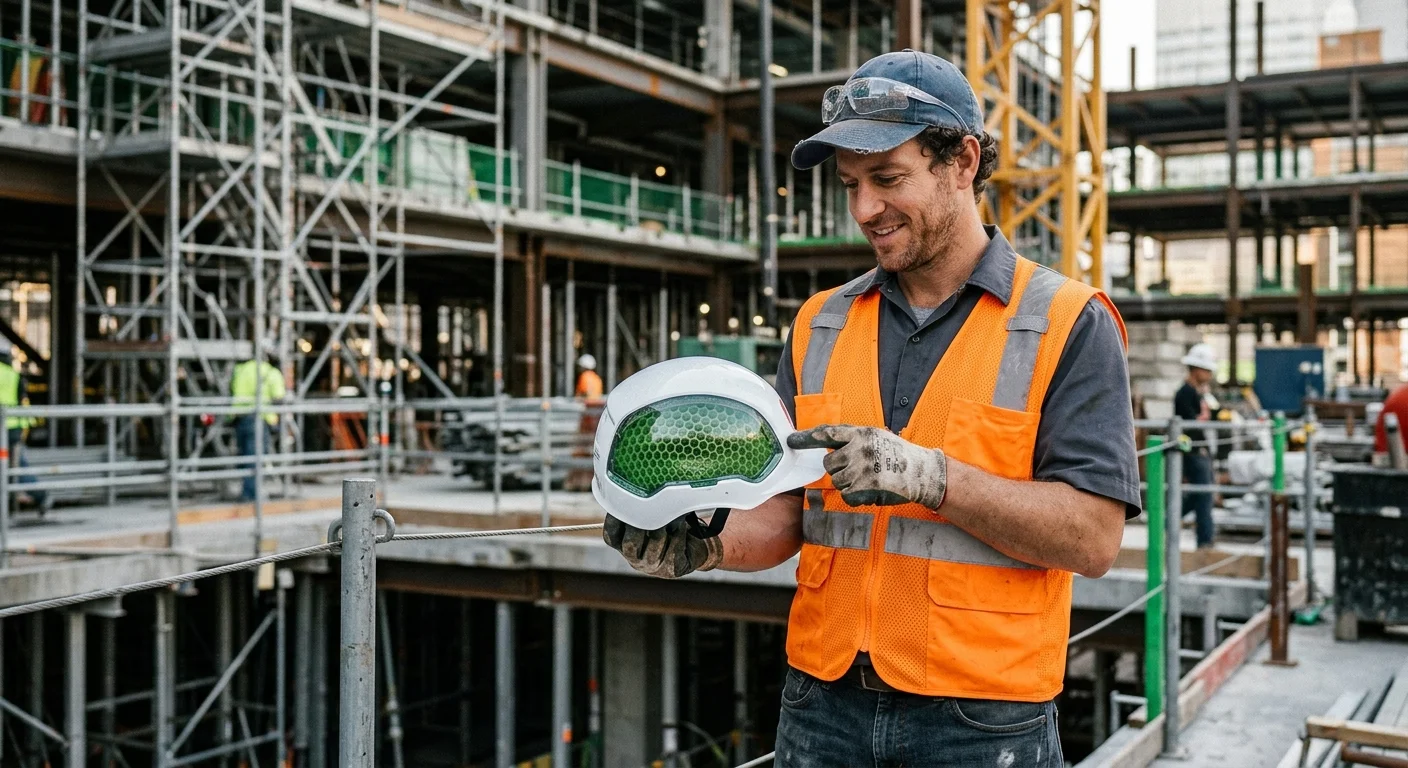 Pick up a WaveCel hard hat for the first time and something feels off — in the best possible way.
It’s heavier in purpose than it looks. The translucent-green honeycomb shell is striking, almost architectural. Run your fingers across it. It feels more rigid than you’d expect from something built to crumple on contact with your skull. That’s not a design flaw. That’s the point.
What does the Honeycomb Structure do?
Traditional hard hat suspension systems create space between your head and the outer shell. That gap absorbs downward force. It’s a decades-old solution to a specific problem. WaveCel was built to solve a different one.
The honeycomb cell structure works through a three-stage sequence on impact:
- Flex — the cells give a little, absorbing initial energy
- Crumple — the structure collapses inward in a controlled way
- Glide — the layers shift sideways, redirecting rotational force away from the brain
That last stage is where traditional helmets go quiet. They were never built to handle oblique impact forces. Those are the forces a falling object creates when it hits at an angle. That’s how most real construction site impacts happen.
So what does the flex-crumple-glide sequence deliver? WaveCel’s hard hat impact absorption is 48 times more effective than standard foam-based systems at reducing concussion risk.
One Critical Trade-Off Worth Knowing
WaveCel runs on a single-impact replacement policy — same as standard EPS foam helmets. Once the cells crumple, they don’t bounce back. The protection is gone, even if the helmet looks fine on the outside.
This has real weight in procurement decisions. Factor replacement cost into your total safety budget. Don’t just look at the upfront price.
3M Hard Hat Technology: Suspension Fit System & Everyday Jobsite Reliability
3M didn’t build its reputation on flashy materials science. It built it on reliability — the kind that makes a safety manager stop second-guessing their purchase at 6 AM on a Monday.
The centerpiece of 3M’s hard hat lineup is Pressure Diffusion Technology. It’s a patented suspension system that does something simple: it fits your head on its own. A ratchet knob at the back adjusts to your forehead shape across a wide range (6¼ to 8 inches / 50–64 cm). It self-corrects as your head position shifts through the workday.
That matters more than it sounds.
What the Suspension System Delivers?
Pressure isn’t just a comfort issue — it’s a fatigue issue. Fatigue is a safety issue. 3M’s SecureFit suspension cuts average pressure by 30% compared to previous 3M hard hat designs. On the X5000 and X5500 models, the 6-point suspension pushes that reduction to 20% versus conventional 3M suspensions.
Key specs worth noting:
- 4-point ratchet suspension (6-point on X5000/X5500) with 15 adjustable positions for height and front-to-back fit
- Low-profile seating on the head for better stability
- Absorbent brow pad for airflow and sweat control during long shifts
- Two height adjustment levels to fit different crown shapes
The result? Workers pick the SecureFit design 9 out of 10 times over conventional hard hats in side-by-side comparisons. That’s not a marketing number — that’s a real preference rate.
Compliance and Smart Features
Every 3M model in this lineup meets ANSI Z89.1 certification. The H-Series non-vented models carry CSA Z94.1 Type 1 Class E/G ratings. The vented H-700 cap-style sits at Class C.
One useful feature stands out: the UVicator sensor, standard on select models. It changes color once UV damage reaches a level that weakens the shell. No guessing — you see it, you replace it.
3M’s edge isn’t in impact physics. It’s in all-day wearability that keeps helmets on heads instead of hanging on a tool belt.
WaveCel vs 3M Hard Hat: Real Jobsite Experience Comparison
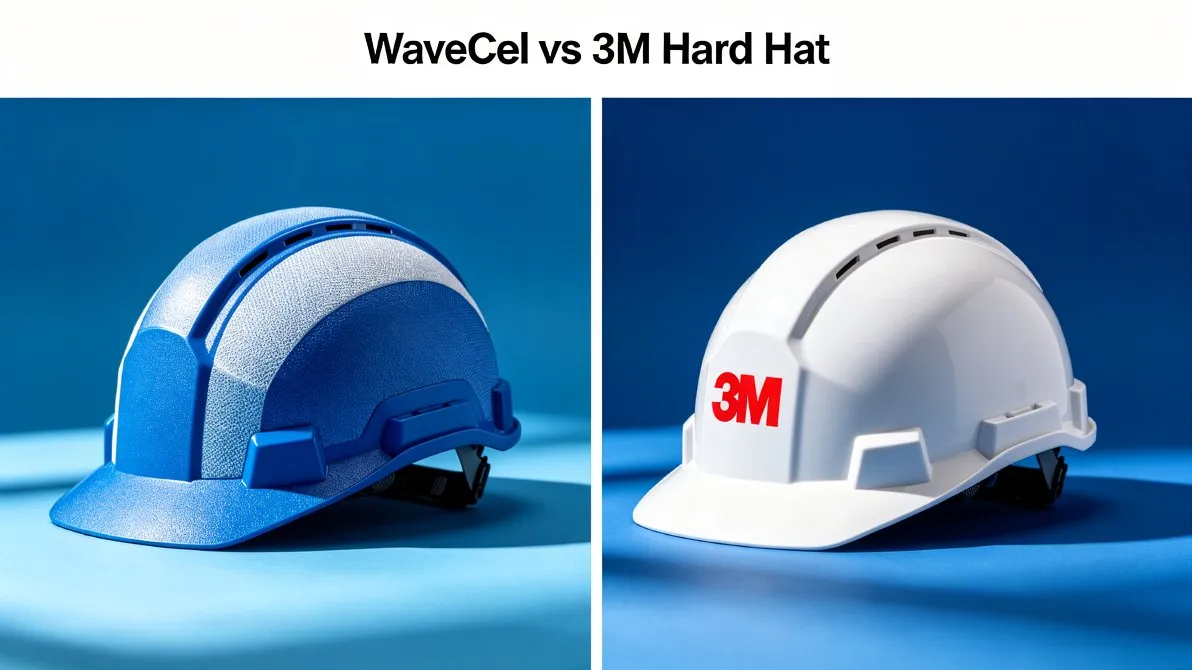 Product specs look great on paper. They mean nothing until someone straps the helmet on and climbs a scaffold in the middle of July.
Here’s what workers report after wearing both side by side.
The Weight Question (And Why It’s a Red Herring)
Most people assume WaveCel’s honeycomb structure adds bulk. It doesn’t. Workers who’ve switched from standard 3M models report nearly the same weight between the two. The real difference isn’t on a scale — it’s in how each helmet spreads that weight across a full shift.
Workers switching from non-vented traditional hard hats — including standard 3M cap-style models — notice a clear drop in sweat buildup. Better airflow means less heat trapped inside. Less heat means fewer breaks, fewer headaches, and fewer moments where someone quietly slides the helmet off and sets it on a beam. That’s not just a comfort issue. That’s a safety issue.
What a Week on the Jobsite Reveal?
One pattern shows up again and again in long-term WaveCel feedback: the helmet takes a beating and doesn’t show it. After a week of heavy use in greasy, dirty conditions, the outer shell wipes clean without staining. The structure still feels as solid as day one. Attachments don’t block airflow. The shell doesn’t flex where it shouldn’t.
The 3M SecureFit suspension has a solid reputation for fit accuracy. But in hot climates or physically hard roles, the lack of built-in airflow becomes harder to overlook — especially once you’ve worn a helmet with airflow built directly into the structure.
What do the Impact Testing Numbers Mean for Your Site?
Field feedback tells one story. Lab data tells another. Both points are in the same direction here, so it’s worth a closer look.
Controlled impact tests at 31 joules of energy — 12 impacts per helmet, oblique drops at 5.5 m/s and 6.8 m/s on angled anvil surfaces — showed a clear pattern:
| Protection Metric | WaveCel (CEL) | Traditional Type I HH |
|---|---|---|
| Side/front/rear acceleration increase vs. crown | Low | Several-fold increase |
| Fall-scenario brain injury probability | No significant increase | Baseline reference |
| Neck compression forces | Lowest recorded | Baseline reference |
Traditional Type I hard hats — the group most 3M models fall into — showed several-fold increases in head acceleration on non-crown oblique impacts. WaveCel held steady across the same tests. For the STAR rating context, 4–5 stars is the recommended minimum for any role with fall hazards. Type II helmets built with a WaveCel-compatible design outperform Type I on both linear and rotational acceleration reduction.
The Price-to-Protection Calculation
WaveCel hard hats run around $130. A basic hard hat runs $25. That’s a real gap.
Run the actual math, though. A single workplace head injury costs an employer an average of tens of thousands of dollars — medical liability, lost productivity, and OSHA reporting exposure combined. That $105 difference looks a lot smaller set against a Type I hard hat that wasn’t built to handle the oblique impact that caused the incident in the first place.
For safety managers buying at scale, that’s not a premium. That’s margin protection.
WaveCel vs 3M: Practical Comparison (Weight, Comfort, Price, Durability)
Four categories. That’s what most procurement decisions come down to after the spec sheets get filed away and the safety meeting wraps up: weight, comfort, price, and whether the helmet survives six months of hard use.
Here’s the honest breakdown.
Weight: Closer Than You Think
The WaveCel hard hat comes in at 250–270g — not the lightest on the market, but a solid mid-range option. Feel those extra grams? That’s the cellular structure working underneath the shell.
3M’s lineup runs a bit lighter. Select models land between 223–265g. On a scale, 3M wins by a narrow margin. On a scaffold after hour six, you won’t notice the difference.
Don’t buy or reject either helmet based on weight alone. The number isn’t what matters. What matters is how the helmet spreads that weight across a full shift — and on that front, the two helmets are much closer than the specs suggest.
Comfort: Two Different Definitions of the Word
WaveCel and 3M take different approaches to comfort. Both get things right.
WaveCel builds comfort into the structure itself. The full-shell design gives you more internal headroom. The Ionic+ antimicrobial lining controls odor through sweat activation — useful on multi-day projects where washing the pads isn’t realistic. The brow pad pulls moisture away well, and the design grabs hair far less than riveted traditional hard hats.
3M’s SecureFit suspension goes a different route. The focus is on precision. A self-adjusting ratchet system spreads pressure across the skull, with plush, removable, washable pads throughout. In hot conditions — where sweat control and all-day wearability are the priority — 3M’s airflow advantage starts to show.
Your workers run hot and pull long outdoor shifts? 3M’s airflow-forward design has a real edge. Odor control and structural headroom matter more on your site? WaveCel earns its rating.
Price: What You’re Paying For
WaveCel hard hats run $130 / £120–£240, depending on the market and model. Premium 3M builds — the SecureFit X5000 series and similar — can hit $300+ at list price. Value-tier 3M options sit closer to the £120 range.
The gap between basic and premium isn’t where the real decision lives. The real question is: what level of oblique impact protection does your worksite need?
- High fall hazard or overhead impact risk? WaveCel’s 5-star Virginia Tech impact rating changes the math fast.
- General-duty site focused on all-day fit and comfort? 3M’s mid-tier options give you strong value without the premium price tag.
Durability: Built for Different Kinds of Punishment
Both helmets hold up well through daily wear and tear. The WaveCel full-shell design resists surface damage — the outer shell wipes clean after heavy use, and the structure stays consistent through normal handling.
The real durability question is what happens after a hard impact. WaveCel’s cellular structure flexes, crumples, and glides on contact. That’s the protection doing its job. Once those cells collapse, the protection is gone. Replace the helmet — even if it looks fine on the outside.
3M’s EPS foam base with suspension system follows the same rule. One significant impact means one replacement. Neither helmet handles repeat trauma.
The practical takeaway : budget replacement cycles for both helmets from the start. WaveCel’s higher upfront cost makes each replacement feel heavier — but for high-risk roles, the oblique impact protection gap justifies that cost.
| Category | WaveCel | 3M SecureFit |
|---|---|---|
| Weight | 250–270g (mid-range) | 223–270g (lighter options available) |
| Comfort | Headroom, odor control, full-shell fit | Plush pads, superior airflow, precision fit |
| Price | ~$130 / £120–£240 | £120 value tier / $300+ premium tier |
| Durability | 5-star impact flex, single-use post-impact | Standard EPS/suspension, single-use post-impact |
Neither helmet wins across all four categories. WaveCel leads in impact engineering. 3M leads in fit versatility and all-day thermal comfort. The right pick comes down to which of those factors matters most on your specific site.
Who Should Choose WaveCel Hard Hat — And When 3M Still Makes Sense
The answer isn’t “WaveCel is better.” It’s “WaveCel is better for specific conditions — and those conditions matter a lot.”
Choose WaveCel If Your Work Involves These Scenarios
High fall hazard or overhead oblique impact risk. This is where WaveCel’s engineering advantage becomes non-negotiable. The flex-crumple-glide cellular structure reduces both linear and rotational forces at the same time. Traditional suspension systems were never built to do that. At oblique impact angles (30°–60°) and speeds between 4.8–6.2 m/s, independent testing at the Legacy Research Institute showed rotational force reductions of 34% to 73% versus standard EPS. That’s not marginal. That’s a different category of protection.
Electricians and Class E compliance roles. WaveCel hard hats carry ANSI Z89.1 Class E ratings — the highest electrical hazard classification available. Your role involves live electrical exposure during a shift? Class E certification isn’t optional. WaveCel gives you that rating without giving up the impact engineering advantage.
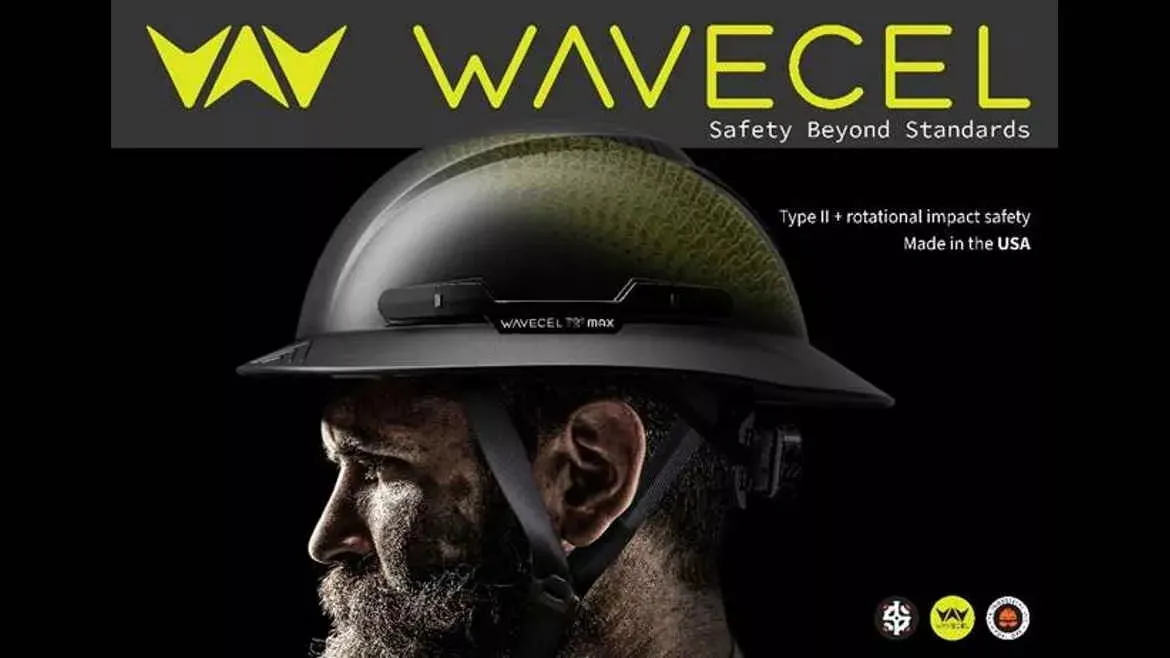
Type II coverage requirements. Workers on elevated platforms, in confined spaces, or in steel erection roles face lateral and rear impact risk. They need Type II protection. WaveCel’s full-brim construction covers that gap.
When Does a 3M Hard Hat Still Make the Right Call?
All-day outdoor shifts in hot climates. WaveCel’s cellular material runs warmer. The structure limits airflow — and that becomes a real problem after hour five in direct sun. 3M’s SecureFit suspension system comes with purpose-built ventilation channels and a washable brow pad. It keeps workers cooler. More than that, it keeps the helmet on their heads instead of hanging off a toolbelt.
Budget-constrained fleet purchases. At scale, the $130-per-unit WaveCel price adds up fast. Your site’s primary hazard is downward linear impact with minimal fall or oblique risk? 3M’s mid-tier options deliver solid ANSI Z89.1 compliance at a fraction of the cost.
The honest bottom line: oblique impact protection is WaveCel’s core advantage. Your site’s risk profile doesn’t center on that specific hazard? 3M’s fit, precision, and thermal comfort may serve your workforce better — for less money.
Real User Experience: What Workers Say After Switching
Specs don’t sweat. Workers do.
The most honest feedback on WaveCel hard hats doesn’t come from lab reports. It comes from ironworkers, electricians, and site supervisors. These are people who’ve worn both helmets through full shifts and made their own call.
The pattern that surfaces most often isn’t about impact protection. It’s about trust. Workers who switch to WaveCel describe a specific moment — around day three — where they stop thinking about the helmet. It disappears into the background. That’s not a small thing. A helmet that feels right stays on. One that doesn’t come off. And a helmet sitting on a beam protects nobody.
The complaints are honest, too. In warm climates, the cellular structure traps heat. Workers coming from vented 3M models feel that difference by midday. That’s a real trade-off, not a marketing footnote.
What shifts opinions is the oblique impact question. Most real-site impacts happen at angles — not straight down. A standard hard hat suspension system isn’t built to handle that. Once workers understand this, the $130 price tag stops feeling like a premium. It starts feeling like math.
The verdict from workers who’ve made the switch is clear: the fit earns loyalty; the technology earns confidence. Those are two different things — and WaveCel delivers both.
FAQ: WaveCel Hard Hat vs 3M — Simple Buyer Questions
 These questions come up every time a buyer is stuck between WaveCel and 3M — purchase order half-signed, not sure which way to go.
Is WaveCel safer than 3M hard hats?
For oblique and rotational impacts, yes. Virginia Tech ran independent tests and gave WaveCel its highest possible safety rating. Most 3M models use a standard suspension design. That design was never built to handle rotational force. So there’s a real gap — not a flaw in the brand, just a difference in design era.
Does WaveCel meet Class E electrical requirements?
Yes. WaveCel hard hats hold full ANSI Z89.1 Class E certification — the highest electrical hazard rating you can get. Electricians don’t have to give up compliance to get better impact protection. You get both.
How long does a WaveCel hard hat last?
Three years under normal conditions. That’s the same as standard foam helmets. One hard impact ends the lifespan, no matter how the helmet looks afterward. Replace it right away, even with no visible damage.
When does a 3M hard hat make more sense?
A few situations favor 3M:
– Hot outdoor job sites where heat buildup is a daily concern
– Large fleet budgets where cost per unit matters more
– Sites where all-day fit comfort outweighs oblique impact risk
3M’s SecureFit suspension does its job well. It was built for comfort and fit — and it delivers on that.
Is the price gap justified?
One head injury at work can cost tens of thousands in liability, downtime, and OSHA exposure. Put the $130 WaveCel price next to that number. It looks very different.
Conclusion
Here’s the bottom line: stop choosing a hard hat based on price tags and brand recognition alone. That’s solving the wrong problem.
WaveCel’s honeycomb impact absorption technology is a real engineering step forward. It targets oblique impacts and rotational forces — the kind traditional suspension systems were never built to stop. Does that make 3M hard hats obsolete? No. Job sites with tight budgets and standard ANSI Z89.1 requirements will still find 3M’s SecureFit lineup a solid, dependable choice.
But working at height changes things. Managing a crew changes things. Being the one responsible for your own skull changes things. Upgrading to a WaveCel hard hat isn’t a luxury at that point — it’s just the right call. One you won’t regret.
Don’t wait for an incident to decide for you.
Ready to choose? Browse our full selection of WaveCel and 3M hard hats and find the right fit for your job site today.