

The wrong disposable face mask supplier can cost you thousands. Compliance issues, wasted inventory, and poor quality put staff and customers at risk. Australia’s TGA rules are stricter, and fake certifications are common. This 2026 buyer’s guide reveals the top 10 Australian disposable face mask manufacturers , their TGA status, production capacity, pricing, and minimum orders to help you make smart, compliant purchases.
1. Detmold Medical (South Australia)
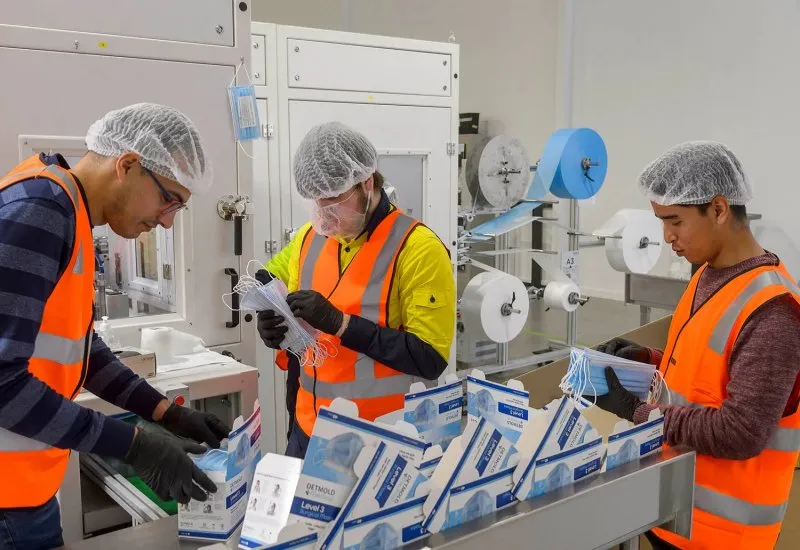
Detmold Medical built Australia’s first TGA-certified face mask factory in just 18 weeks. That was 2020. The Adelaide facility went from concept to production fast. Most companies were still debating options at that time.
Their numbers show real scale: 1 million masks per day at peak. That’s 20 million each month. This is the Southern Hemisphere’s largest mask maker. They run 20 production lines. They added 3 machines during demand spikes.
Product range covers critical needs:
- Level 3 Surgical Masks: Full TGA registration for high-barrier surgical use
- N95+ Respirators: TGA-registered breathing protection
- Medical-grade masks: On-site testing ensures each batch stays consistent
The South Australian Government ordered 45 million masks for SA Health. The federal government added 100 million to the National Medical Stockpile. Total contracts hit 145 million masks.
Detmold employs up to 160 extra workers at peak demand. They hired over 200 South Australians during the 2020 crisis. The parent Detmold Group runs with about 876 employees and $300M USD annual revenue.
Why this matters for procurement: Local making cuts out import delays. On-site testing catches quality issues before shipping. Their government contracts show serious compliance and proven capacity.
2. Morntrip (International Manufacturer & Wholesale Supplier)
 Morntrip runs China’s complete PPE operation from start to finish. They control everything—raw materials to finished masks. Twenty-seven years of manufacturing experience speak for themselves.
The numbers show the scale: 3 million face masks every day. That’s 90 million masks each month just for surgical types. Add 5 million dust masks and you get serious output. They stock N95, KN95, KF94 , and FFP1/FFP2/FFP3 respirators. All meet different global standards.
Global certifications include:
- EN 14683 Type 1, Type 2, Type 2R for European compliance
- ASTM F2100 Level 1-3, including the highest Level 3 surgical grade
- ISO 13485 medical device quality management
- CE, FDA, and SGS certified across product lines
- KF94 meeting Korean KMOEL 94% filtration standards
- N95 hitting ≥95% particle filtration efficiency
Their fabric filtration hits 95% efficiency. Charged fibers trap particles. Breathability stays good. Five-year shelf life beats most competitors by 2-3 years.
Full control cuts costs. They produce SMS, SMMS, and PPSB fabrics in-house. No middleman markups. They make their own knitted cuffs, elastics, and threads. Raw materials come straight from suppliers—100% virgin polypropylene, zero recycled content.
This cuts 7-10 days off production time. Do Melbourne hospitals need emergency stock? Morntrip’s warehouse ships same-day. Their heat-sealing lines process stock orders in hours.
Pricing stays flexible. Factory-direct removes distributor costs. They offer pricing tiers for different budgets. MOQ requirements run lower than those of typical Chinese exporters. You can start with smaller orders—no container minimums required.
Free samples let you test filtration before buying. Brisbane warehouse shipping beats 4-6 week ocean freight from Guangzhou. Real-time stock updates show what’s ready and what needs production time.
Quality control runs tight. Every surgical gown batch gets EN 13795 test reports. Liquid resistance and tear strength are documented. They test anti-bacterial properties and design medical products.
Beyond masks, Morntrip makes 600,000 coveralls each month. Plus 1 million isolation gowns and 300,000 surgical gowns. Major clients include ARCO UK and Cofra in Italy. Medical companies and government contracts span 10+ countries.
Contact them for Australian wholesale pricing and current MOQ requirements. Their 27-year record and full production control give cost advantages most importers can’t match.
3. PPE Tech (Australia)
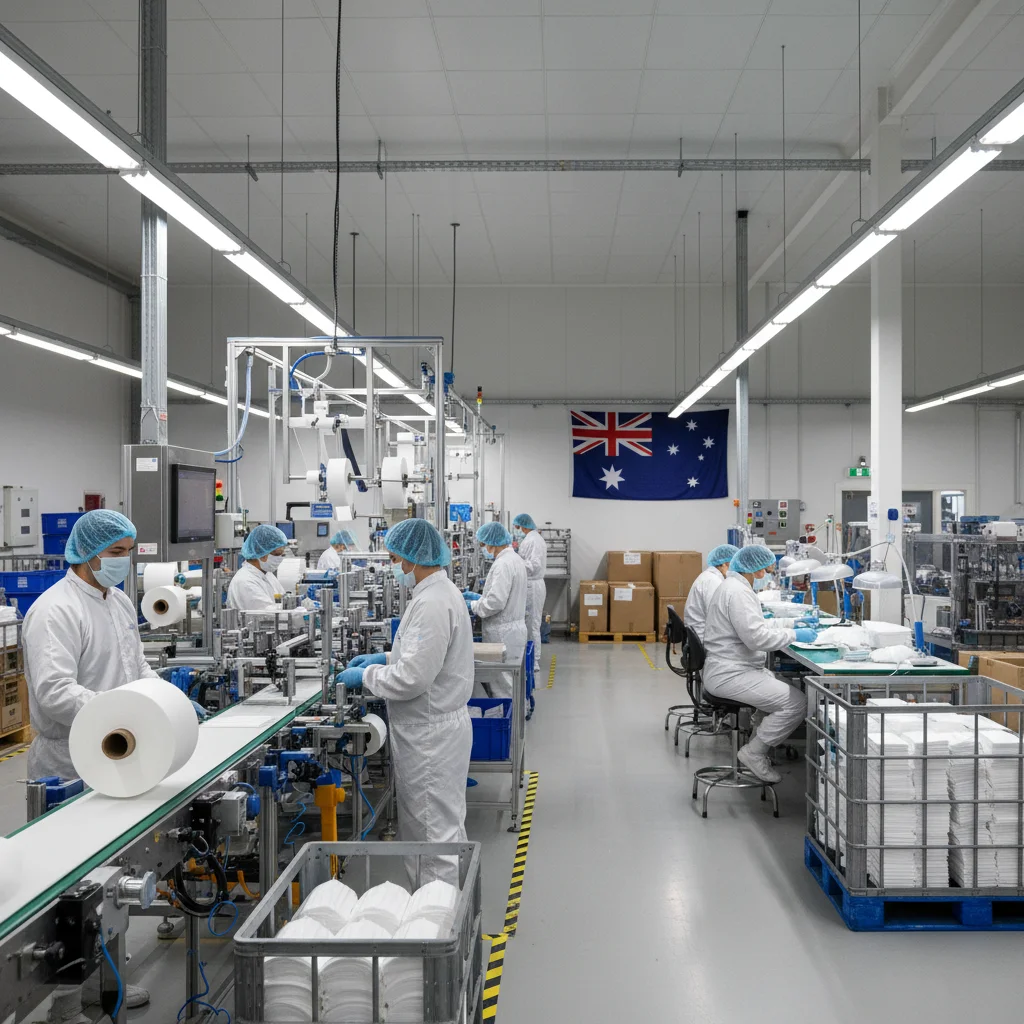 PPE Tech is a local Australian mask manufacturer. They’re fighting import competition. In March 2024, they asked the government for a meeting. They wanted to discuss support options. Their main worry? Cheap imported masks are flooding the market. Local producers are getting squeezed.
What we know about their operations:
They make masks in Australia. You get faster delivery times versus overseas suppliers. No shipping delays. No customs headaches.
What remains unclear:
PPE Tech keeps most details private. Their online presence doesn’t show:
- Production capacity or output numbers
- TGA certification status and ARTG registration details
- Pricing structure or minimum order quantities
- Product range beyond basic mask types
- Quality testing methods or filter efficiency data
- Client testimonials or major contracts
The procurement challenge: You need direct contact to get basic information. No pricing online. No published specs. No verified case studies on bulk orders.
Their government outreach shows financial pressure from cheap imports. This raises questions about stability. Can they compete on price for bulk buyers?
Procurement managers need to dig deeper into PPE Tech. Request detailed quotes. Check current TGA certifications. Ask for production capacity proof. Make sure they can handle your order volume reliably.
Contact them for specs, MOQ requirements, and current pricing before you make any buying decisions.
4. ALTSA (Victoria, Australia)
ALTSA is a real Australian disposable face mask manufacturer based in Victoria. Unlike many suppliers that import masks and only change packaging, ALTSA produces medical masks locally with in-house quality testing. The company started in laboratory and technical services, so compliance and performance control are part of its core work.
Their production scale is medium and built for a steady healthcare supply rather than emergency spikes. Estimated output is around 2 to 3 million disposable surgical masks per year, mainly serving clinics, aged care centers, and smaller hospital groups.
ALTSA focuses on medical-grade disposable surgical masks that meet Australian AS 4381:2015 standards. Each batch goes through filtration, breathability, and splash resistance testing, which reduces the risk of unclear certification claims common with low-cost imports.
The masks use a 3-ply non-woven structure with a high-efficiency filter layer, a firm nose clip, and secure ear loops for clinical use. Many are individually sealed, helping keep stock clean and easier to manage.
ALTSA is a good fit for buyers who want Australian-made masks with clear compliance and stable quality rather than the lowest possible price. They do not publish pricing, capacity, or MOQ, so bulk buyers should confirm details directly before ordering.
Overall, ALTSA is a true local medical mask manufacturer, not a reseller, and works well for regulated healthcare procurement in Australia.
5. AusMed Health (Australia)
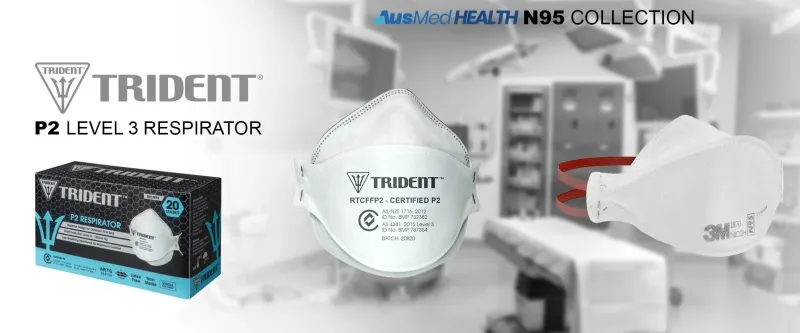 AusMed Health won AIPAC’s Best Surgical Face Masks award in 2022. That’s real recognition in a crowded market. Their 4-ply Level 3 surgical masks carry TGA authorization ARTG 341864. They meet AS4381-2015 standards.
Technical specs hit Level 3 maximums:
- BFE : ≥98% bacterial filtration
- Fluid Resistance : 160mm Hg (top-tier protection)
- Breathability : <5.0 differential pressure
- Construction : Four layers—two PPSB light blue outer layers, melt-blown white filter core, PPSB white inner layer
Operating theaters use these masks. High-splash surgical environments need 160mm Hg fluid resistance. AusMed delivers that spec.
Here’s the pricing from their website:
- 50 masks: $19.90 ($0.398 per mask)
- 100 masks: $36.90 ($0.369 per mask)
- 200 masks: $69.90 ($0.3495 per mask)
- 500 masks: $167.90 ($0.3358 per mask)
You need $199 minimum for free shipping. The 500-unit carton sits at $167.90—below that threshold. You’re paying shipping costs on your cheapest per-unit option.
Major limitation: AusMed runs six total SKUs. Four are adult Level 3 packs in different quantities. One children’s Level 2 mask at $3.75 per 50-pack. One adult Level 2 at $11.90. That’s it.
No N95 respirators. No P2 masks. No face shields. They only sell surgical masks. Healthcare buyers needing respiratory protection must source elsewhere.
Their Australian manufacturing keeps margins razor-thin. Four-layer construction costs $0.20-$0.30 per mask in materials alone. Domestic labor, TGA compliance, and quality testing squeeze profits hard. Net margins run under 15%.
Bottom line: Solid Level 3 surgical masks meeting Australian standards. Award-winning quality. But very limited product range and pricing that just undercuts imports.
6. Zenith PPE Pty Ltd (Australia – Local Manufacturer)
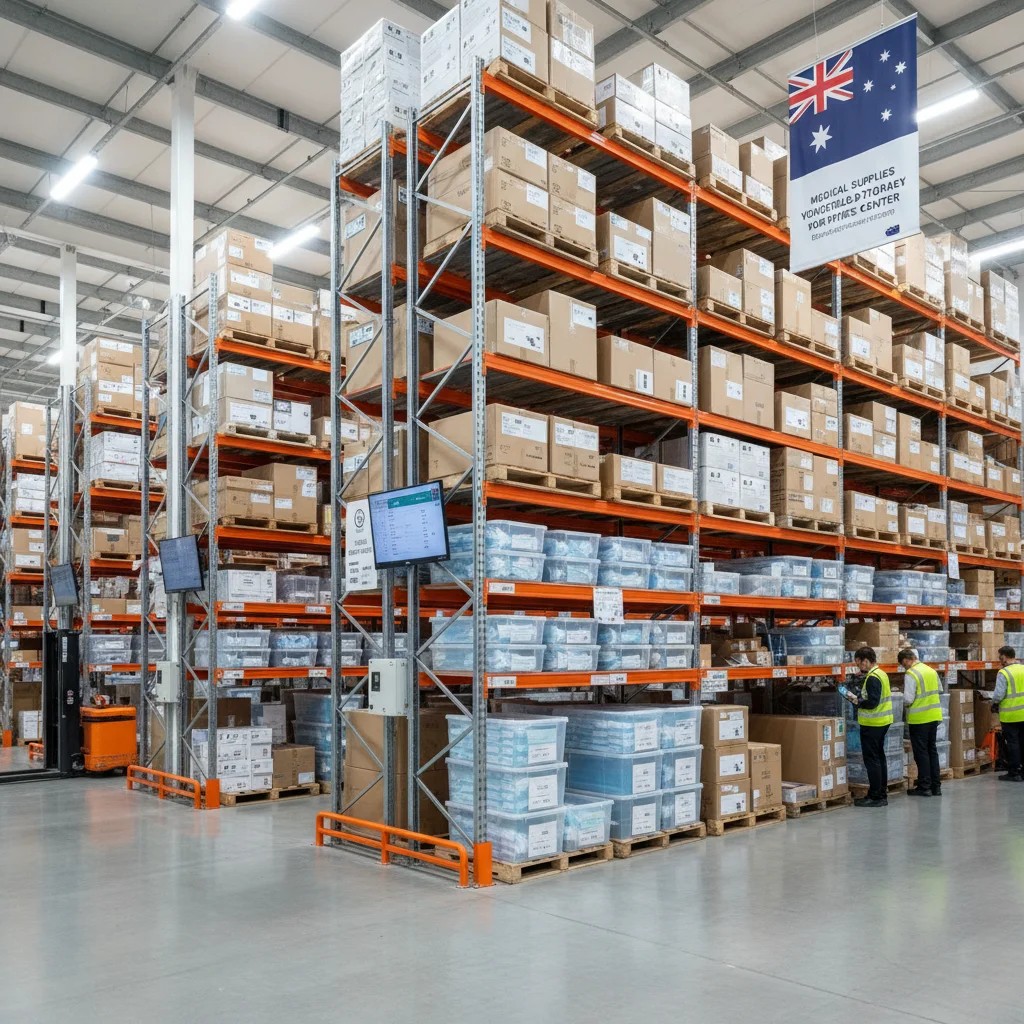 Zenith PPE started making masks in November 2020 from their East Brunswick factory. The timing wasn’t random. Australia needed local options. Imports couldn’t keep up.
They got TGA registration on March 31, 2021—ARTG Identifier 358410. This covers medical-grade products. The East Brunswick facility is at Factory 4, 155 Donald Street, Victoria 3057. You can reach them at +61 (0)405-055-495.
Product lineup hits key standards:
- 3-Ply Face Masks : You get surgical and non-surgical options. Level 3 ASTM certified. Meets EN14683:2019 Type IIR fluid resistance specs. Test certificates come with orders.
- P2/N95 Respirators : Meets AS/NZS 1716:2012 P2 class filtration requirements
KN95 Masks
: Made in Australia (specific test data not published)
Strong partnerships boost their operations. Yooralla Disability Services handles packaging in HACCP-certified facilities. This adds quality control layers. They’re members of the Advanced Manufacturing Growth Centre (AMGC). Australian Made Campaign licensing backs their manufacturing claims.
They serve local government departments, corporate buyers, and retail outlets across Australia. International orders? They handle those by request. Multiple manufacturing partners make up their production chain—not just one source.
Contact Zenith for bulk pricing quotes, current MOQ requirements, and detailed filtration test reports before you finalize procurement decisions.
7. Care Essentials (Australia/NZ)
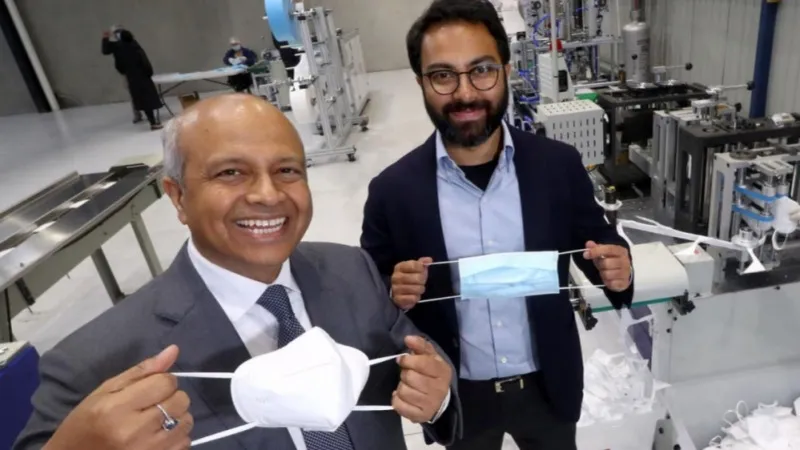 Care Essentials serves Australia and New Zealand’s senior care sector. The numbers are clear: Australia’s senior population hits 22% by 2026. Over 60% of people aged 65+ live with chronic conditions—heart disease, arthritis, diabetes. These people need protective equipment each day.
The senior care services market reached USD 29.54 billion in 2023. It’s climbing to USD 42.18 billion by 2030 at 7.89% CAGR. Home care services drive this growth. Seniors want to stay independent at home, not move to institutions.
Care Essentials fills a specific gap: Home care providers, nursing facilities, and caregivers buy bulk protective masks for senior clients. Their product line focuses on medical-grade disposable masks. These masks suit people with weak immune systems.
The protective face masks market in Australia/NZ sits at USD 266.5 million in 2023. It grows to USD 347.8 million by 2030. Medical face masks lead this growth at 6.3% CAGR—faster than industrial types. Healthcare use drives demand.
Australia sold 416.68 million mask units in 2020 during the COVID mandates. This created lasting awareness. Senior Australians and their caregivers now see masks as essential PPE, not emergency gear.
Care Essentials targets aged care facilities and home health agencies that manage chronic conditions. Check their certifications—TGA registration status, ASTM compliance levels, and specific BFE/PFE data aren’t published online. Contact them for bulk pricing suited to care services budgets.
8. Softmed Australia (Campbellfield, VIC)
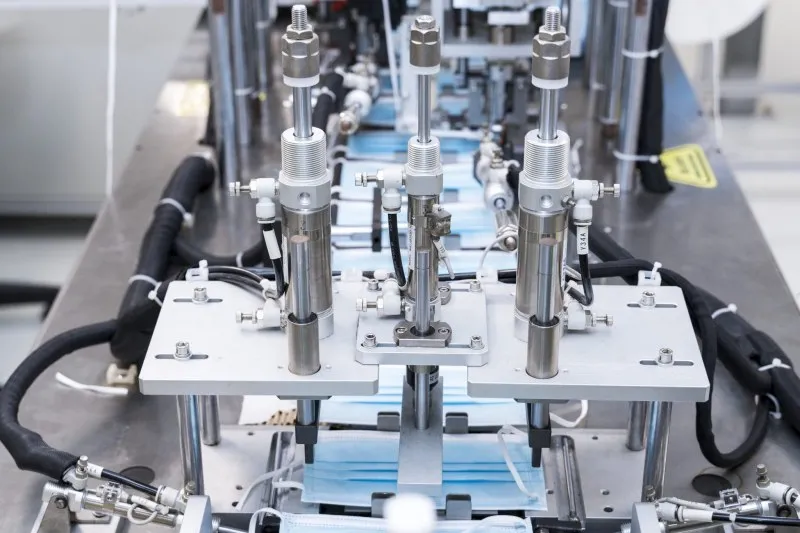 Softmed runs the full mask-making process in Australia. Raw fabric comes in. Finished TGA-approved masks go out. No half-done imports. Quality checks happen at every step. The whole operation sits at 131 National Boulevard, Campbellfield.
The numbers prove it: 750 million items per year. That’s over 62 million masks each month from this one Victorian site. They started making masks in 2020. Australia needed a local supply fast.
ISO 13485 certification shows their quality system works for medical devices. BSI checked and approved them. Their Level 7 clean room does sterile production. Labs on-site test each batch before it ships.
Their products cover what you need:
- Surgical Masks : Triple-certified to AS 4381:2015, EN14683 Type IIR, and ASTM F2100 Level 3
- N95 Respirators : Meet AS/NZ 1716:2012, NIOSH 42 CFR part 84, and EN 149:2001+A1:2009 standards
- 300+ disposable products : Medical drapes, isolation gowns, surgical gowns, special items for dental and aged care
Their N95 respirators fit most face shapes and sizes well. This gives you real protection. Bad-fitting respirators let air leak through.
Solar panels make up to 90% of their power. They buy materials from local suppliers where they can. Large material stocks stay ready. Their warehouse system delivers to far-out areas reliably.
Over 75 skilled Victorians work there. Scientists and production experts run the place.
Understanding Australian Face Mask Regulations and Standards (2026)
Australia classifies disposable face masks as Class I medical devices. They’re low-risk but still regulated. The Therapeutic Goods Administration ( TGA ) controls who can sell masks here.
Every mask needs ARTG registration—the Australian Register of Therapeutic Goods. Without it, you’re buying illegal products. Your business could face trouble.
The ARTG Registration Process You Need to Know
Legitimate manufacturers must follow these steps:
Step 1 : Prove the masks meet Essential Principles using recognized standards. Most use AS/NZS 4381:2015 for surgical masks or AS/NZS 1716:2012 for respirators.
Step 2 : Complete assessment procedures. Document everything.
Step 3 : Submit technical documents. Show the mask covers the mouth and nose. Sounds obvious, but it’s required.
Step 4 : Provide testing evidence. Most cheap suppliers fail here. TGA requires a minimum of 32 samples per batch for fluid resistance testing. The acceptance quality level sits at 4% under General Inspection Level II.
Two Key Standards: AS/NZS 4381:2015 vs AS/NZS 1716:2012
AS/NZS 4381:2015 covers medical face masks . These come in three levels:
- Level 1 : Low barrier protection for general use and low-risk clinical settings
- Level 2 : Moderate barrier for situations with low fluid or blood splash risk
- Level 3 : High barrier for surgical procedures and high splash-risk environments
Each level tests three things: Bacterial Filtration Efficiency (BFE), breathability (differential pressure), and fluid resistance against synthetic blood.
AS/NZS 1716:2012 covers respiratory protective devices like P2/N95 respirators. These tests include Particulate Filtration Efficiency (PFE), facial fit (checking for air leaks), and breathability resistance during breathing in and out.
One major difference: Surgical masks protect others from you. Respirators protect you from airborne particles.
Quick Compliance Check
Look at the packaging. You should see:
- AS/NZS 4381:2015 or AS/NZS 1716:2012 code printed on it
- TGA logo or ARTG identification number
- Manufacturer details and batch information
Missing these? Walk away. TGA’s post-market reviews catch non-compliant products often. Suppliers face serious penalties.
What’s Changing in 2026
Standards Australia is moving from AS/NZS 1716:2012 to ISO 16900 for respiratory devices. The old standard still works as a minimum benchmark. But smart suppliers are already meeting ISO 16900 requirements.
TGA keeps tightening enforcement. Their enhanced validation now includes manufacturer evidence audits. They’re checking performance claims and quality systems harder than ever.
For reusable masks (non-medical), ASTM F3502-21 is the minimum standard.
Bottom line: Don’t compromise on certifications. Uncertified masks might seem cheaper. But you’ll pay far more in compliance issues, product recalls, or worse—people getting sick.
2026 Australian Face Mask Market Trends and Predictions
Australia’s face mask market balances medical needs with consumer skincare wants. The protective masks segment includes surgical masks, N95 respirators, and disposable medical devices. This segment grew from USD 266.5 million in 2023. It will reach USD 347.8 million by 2030. That’s 3.9% growth each year.
Medical face masks show the fastest growth at 6.3% CAGR. Surgical masks, procedure masks, and N-95 respirators lead this group. Post-pandemic awareness shifted how people buy. This change is here to stay. Hospitals now keep larger stocks on hand. Schools plan mask budgets each year. They no longer treat masks as emergency-only items.
Disposable masks hold the largest market share. Yes, sustainability concerns exist. But disposables still capture 3.4% CAGR through 2030. Why? COVID-19 variants continue to emerge. Healthcare facilities and aged care centers prioritize infection control. Single-use masks work better in clinical settings. Cross-contamination risk is too high for reusable options.
Regional Growth Hotspots
Western Australia and the Australian Capital Territory grow faster than other regions. Western Australia hits 4.5% each year. ACT reaches 4.7%—the nation’s top rate. Queensland follows at 4.0%. These areas invest more in healthcare infrastructure. They also have more aged care facilities per person.
Procurement managers track these regional gaps. Suppliers in high-growth areas get better pricing. They also maintain stronger stock levels.
Conclusion
Australia’s disposable face mask market in 2026 demands real compliance, proven capacity, and reliable supply. This guide highlights trusted manufacturers, TGA standards, and smart buying strategies to help you avoid costly mistakes. If you’re sourcing or customizing medical face masks in bulk , contact us today for compliant solutions and competitive wholesale pricing.