
Our goal is to help you find the perfect insulated coveralls for cold-weather work in 2025. In this article, we cover key features, top-rated brands, and practical advice for staying warm, safe, and comfortable. You’ll also learn how to select insulated coveralls based on insulation, durability, and your work environment, ensuring you are fully prepared for freezing conditions.
Why Insulated Coveralls Are Essential for Cold Weather Work?
Working in freezing temperatures puts your body at risk of serious cold-related illnesses like hypothermia and frostbite. Your body tries to maintain a core temperature of about 98.6°F (37°C) to keep organs functioning well. But cold air steals heat from your body through radiation, conduction, convection, and evaporation. When your body loses heat faster than it can make it, your core temperature drops, slowing down vital processes.
Risks of Hypothermia and Frostbite
Hypothermia:
This happens when body temperature falls below 95°F (35°C). It affects your heart, brain, and muscles, making it dangerous to work in freezing environments without proper gear.
Frostbite:
Freezing damages skin and tissues, especially on fingers, toes, ears, and nose. Frostbite can start within minutes at sub-zero temperatures and may cause permanent injury.
How Insulated Coveralls Protect You Better Than Jackets?
Full-body insulation:Unlike separate jackets and pants, insulated coveralls provide continuous warmth from head to ankle. They seal areas like the waist, wrists, and ankles that jackets and pants might leave exposed.
Warm air trapped efficiently: One-piece design keeps trapped warm air close to your body, blocking cold drafts better.
High-tech insulation materials: Many coveralls use materials like Thinsulate, quilted polyester, or down. These materials have very low thermal conductivity (around 0.035–0.045 W/m·K), meaning they stop heat from escaping.
Extreme cold rated: The best insulated coveralls keep you warm down to -20°F (-28.9°C) or even colder for hours, if you stay active and block the wind.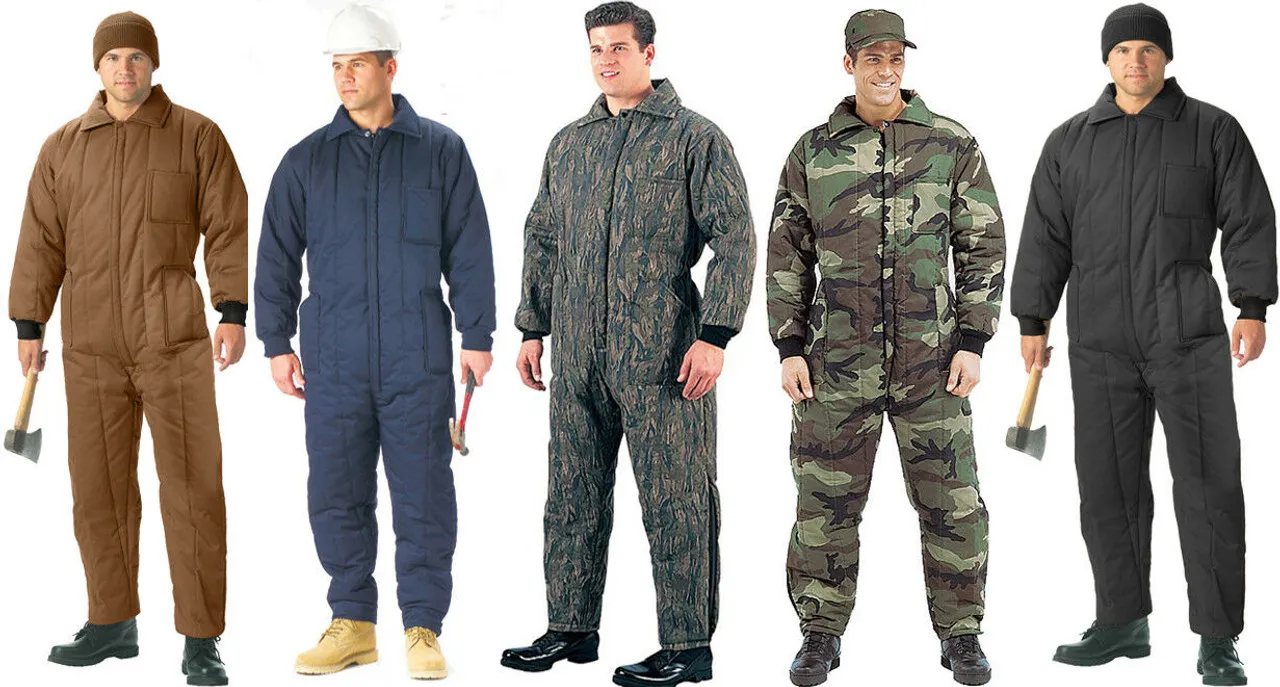
Performance Benefits in Cold Stress
When it’s cold, your body tries to generate extra heat by shivering, which uses more oxygen and energy. Good insulated coveralls prevent quick skin cooling and reduce the need for shivering. This helps you conserve energy and stay comfortable during low-activity work.
Top Examples of Insulated Coveralls for Extreme Cold
Carhartt Men’s Arctic Quilt: 100 g insulation with heavyweight nylon lining, tested to keep warm down to -15°F.
RefrigiWear Iron-Tuff: Uses 11.25 oz high-loft insulation and windproof shell, rated for temperatures as low as -50°F.
Dickies Classic Insulated: Poly/cotton shell with multiple layers, suitable for cold work environments between -10°F to 0°F.
Quick Facts on Heat Loss and Safety
- Insulated coveralls can cut total heat loss by up to 30% compared to jackets and pants worn separately.
- Frostbite risk at -20°F with little wind can start in 30 minutes, but proper coveralls extend safe exposure time to over 2 hours if you stay active.
In summary, insulated coveralls are vital gear for cold weather workers. They offer superior protection against hypothermia and frostbite, improve thermal efficiency, and keep you safer and more comfortable in freezing conditions.
Top 12 Insulated Coveralls for Cold Weather Work in 2025
When selecting insulated coveralls for cold-weather work, experts emphasize key features such as superior warmth, durability, weather resistance, and adaptability for different tasks. Here are the top-rated insulated coveralls recommended for 2025:
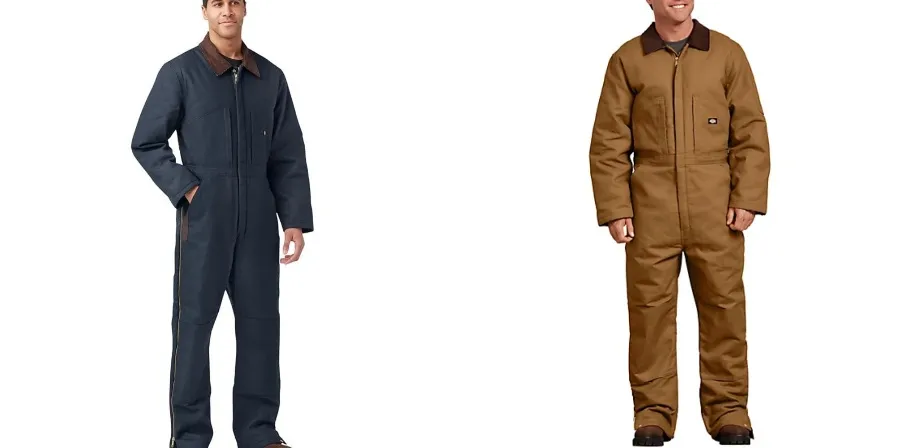
1: Dickies Men’s Premium Insulated Coveralls
Material & Insulation: Lightweight cotton shell with a polyester brush tricot lining for consistent warmth.
Features: Triple-needle felled seams, heavy-duty brass zipper, water-repellent treatment for added protection.
Weight & Size: Weighs 2 lbs; dimensions approx. 13 x 8 x 1 inches.
Performance: Known for long-lasting warmth and reinforced durability. Ideal for cold weather, offering comfort as the fabric softens over time.
2. Carhartt Arctic Quilt-Lined Insulated Coveralls
Material & Insulation: Durable Cordura nylon outer shell with Arctic quilt lining (smooth nylon outside, extra warm polyester inside).
Features: Ankle-to-waist two-way zippers for easy layering, abrasion-resistant construction for rugged use.
Weight & Size: Heaviest at 6.35 lbs; compact size 5 x 5 x 0.7 inches.
Performance: Best for extreme cold environments with roomy fit and superior protection against harsh winter conditions.
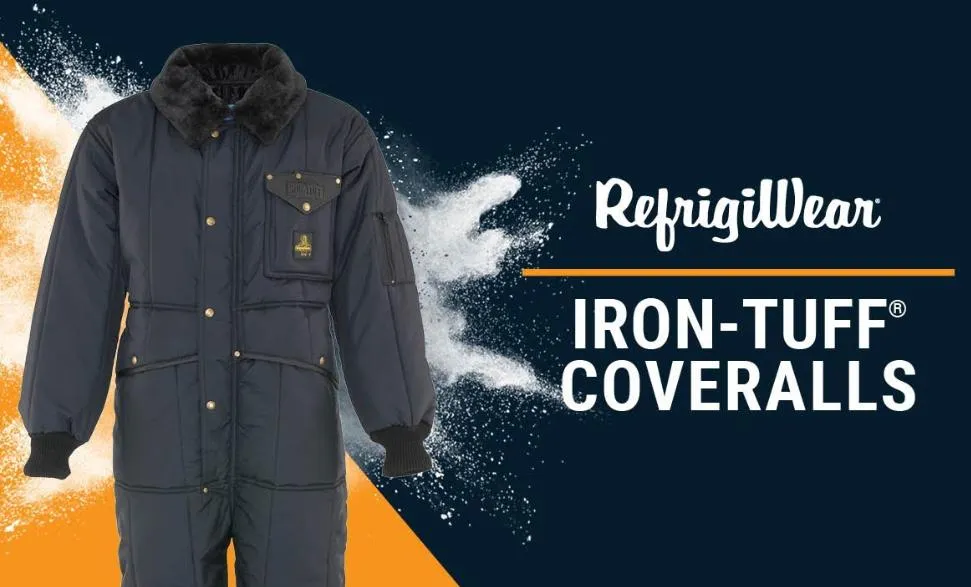
3. RefrigiWear Iron-Tuff Insulated Coveralls
Material & Insulation: Denier nylon shell with 11.25 oz RefrigriFill insulation rated for temperatures as low as -50°F.
Features: Fleece-lined hood with wind seal, bound seam design, snap-reinforced brass rivets, water-repellent finish.
Weight & Size: Weighs 4.8 lbs; dimensions 25 x 17 x 5.5 inches.
Performance: Designed for freezer and arctic work, offering top insulation but some mobility restriction due to heavy lining.
4. Berne Heritage Insulated Coveralls
Material & Insulation: Pure cotton with triple-stitched seams for durability and flexibility.
Features: Bi-swing back for freedom of movement, corduroy collar for added comfort.
Weight & Size: Weighs 2.2 lbs; approx. 11 x 15 x 5 inches.
Performance: Provides ergonomic fit for all-day wear in cold weather, though not water-repellent.
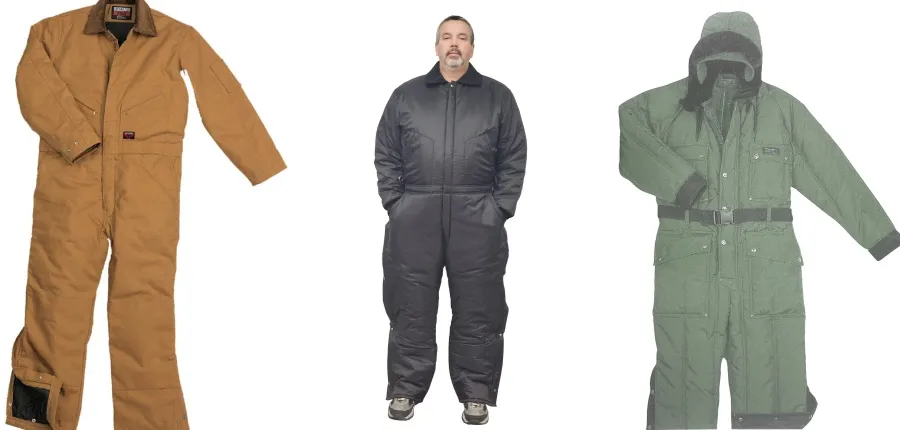
5. Walls Blizzard Pruf Insulated Coveralls
Material & Insulation: Durable cotton-poly blend with synthetic insulation for moderate cold.
Features: Wind-resistant, reinforced knees, adjustable cuffs, and zippered pockets.
Weight & Size: Weighs 3 lbs; dimensions approx. 12 x 9 x 2 inches.
Performance: Excellent for windy outdoor work, keeping core warm while allowing easy movement and daily wear.
6. Key Apparel Insulated Duck Coveralls
Material & Insulation: Heavy-duty duck cotton with polyester fill for dependable warmth.
Features: Multiple tool pockets, reinforced stress points, and durable zipper closure.
Weight & Size: Weighs 2.5 lbs; approx. 12 x 10 x 2 inches.
Performance: Affordable and durable, suitable for general outdoor work and extended cold-weather use.
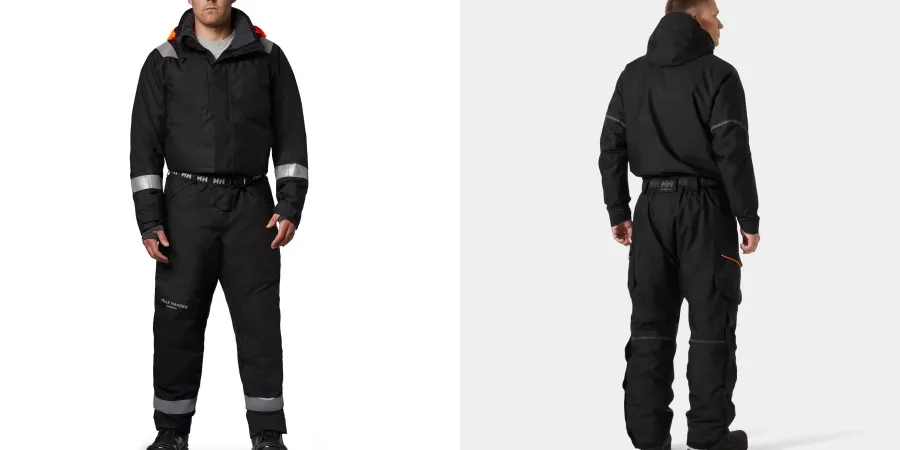
7. Helly Hansen Impertech Insulated Coveralls
Material & Insulation: Waterproof nylon shell with breathable synthetic lining to retain warmth and dryness.
Features: Fully waterproof, adjustable hood, zippered chest and side pockets, reinforced stitching.
Weight & Size: Weighs 4 lbs; dimensions 14 x 9 x 2 inches.
Performance: Ideal for cold, wet climates; protects against wind, rain, and snow while maintaining comfort.
8. Red Kap Heavy Duty Insulated Coveralls
Material & Insulation: Sturdy cotton-poly blend with light insulation for general cold weather.
Features: High abrasion resistance, triple-stitched seams, practical zipper closure, and multiple pockets.
Weight & Size: Weighs 2.8 lbs; approx. 13 x 8 x 1.5 inches.
Performance: Durable option for industrial work, offering protection, warmth, and reliable wear during long shifts.
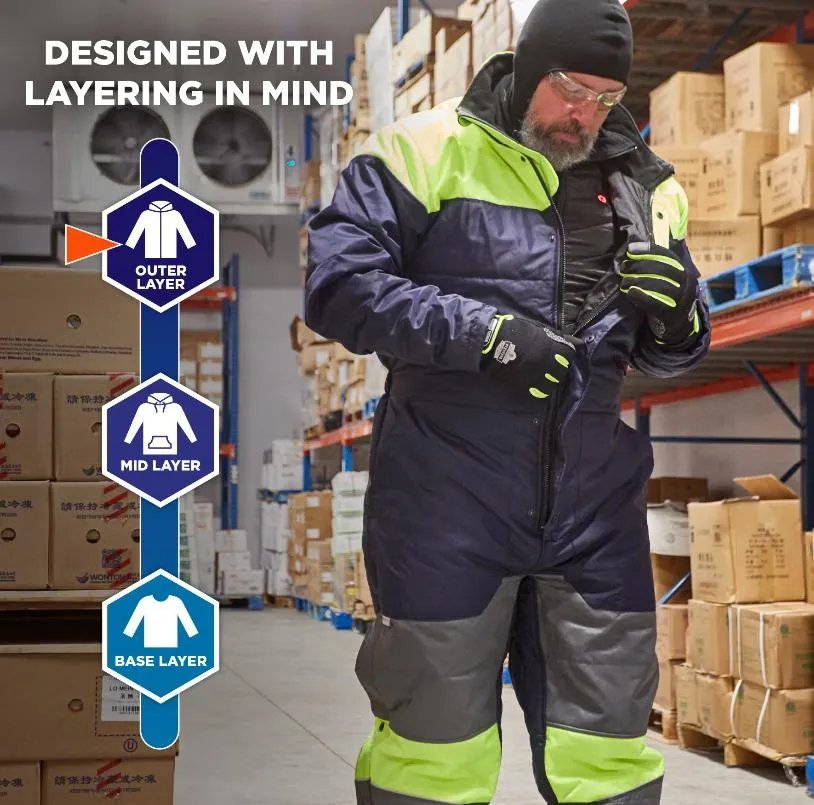
9. Ergodyne N-Ferno Insulated Coveralls
Material & Insulation: Lightweight polyester shell with thin synthetic insulation for moderate cold.
Features: Ventilation points for breathability, reflective accents for visibility, and elastic cuffs.
Weight & Size: Weighs 1.8 lbs; dimensions 11 x 7 x 1 inches.
Performance: Perfect for active workers needing lightweight, flexible cold-weather gear with mobility and visibility.
10. Bulwark FR Insulated Coveralls
Material & Insulation: Flame-resistant cotton blend with thermal lining to maintain warmth.
Features: Meets FR standards, reinforced seams, zippered front, multiple utility pockets.
Weight & Size: Weighs 3.2 lbs; approx. 12 x 8 x 1.5 inches.
Performance: Designed for high-risk jobs with fire hazards, keeping the wearer warm, safe, and comfortable for long shifts.
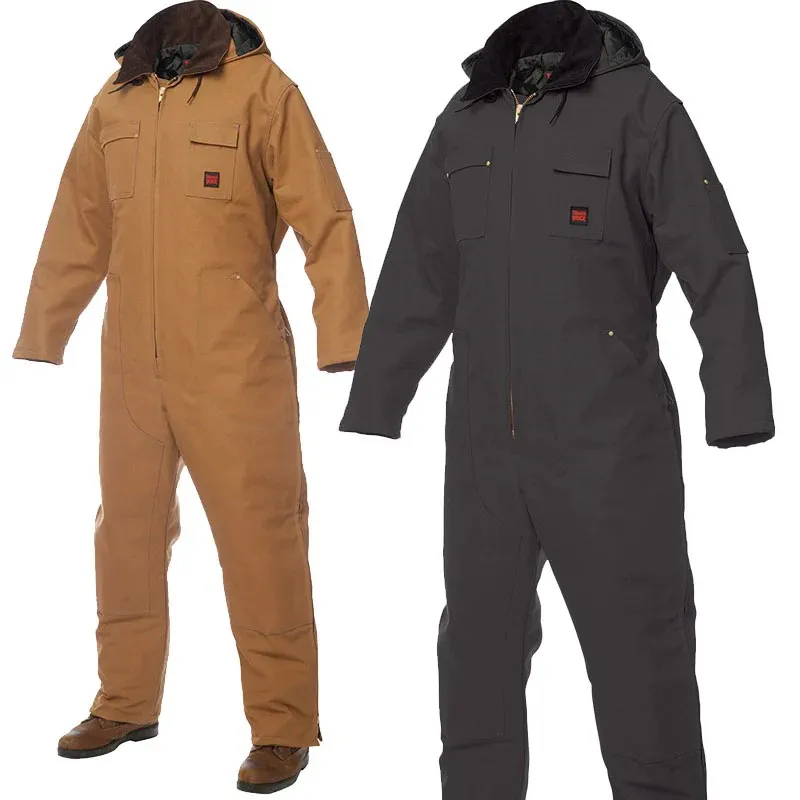
11. Tough Duck Polyfill Insulated Coveralls
Material & Insulation: Heavy-duty duck cotton with polyfill insulation for cold conditions.
Features: Multiple reinforced pockets for tools, triple-stitched seams, durable zipper, and hardware.
Weight & Size: Weighs 3 lbs; dimensions 13 x 9 x 2 inches.
Performance: Ideal for tool-heavy jobs and long shifts outdoors, offering warmth, durability, and utility.
12. Caterpillar Heavyweight Insulated Coveralls
Material & Insulation: Cotton-poly blend with thick thermal lining for maximum cold protection.
Features: Ergonomic design, reinforced knees, adjustable cuffs, and multiple storage pockets.
Weight & Size: Weighs 3.5 lbs; approx. 14 x 10 x 2 inches.
Performance: Built for demanding work; provides long-lasting warmth, comfort, and flexibility during extended outdoor use.
Key Takeaways for Choosing Insulated Coveralls in 2025
Look for temperature ratings matched to your work environment, from cold weather to extreme cold (-50°F).
Durable materials like Cordura nylon and triple-stitched seams improve longevity and resistance to wear.
Water-repellent and wind-resistant treatments add essential weather protection.
Ergonomic features such as bi-swing backs and two-way zippers help maintain comfort and mobility.
Multi-pocket designs and safety features (flame resistance, abrasion resistance) cater to job-specific needs.
Choosing the Right Insulation for Cold Weather Coveralls
When selecting insulated work coveralls for cold weather work, the type and weight of insulation are critical to staying warm and comfortable.
| Insulation Type |
Warmth-to-Weight |
Moisture Resistance |
Durability |
Best Use |
Notes |
|---|---|---|---|---|---|
| Thinsulate |
High | Moisture-resistant | Good | Active jobs, wet/cold | Lightweight, retains warmth even if wet |
| Polyfill |
Medium | Moderate | Good | General outdoor work | Affordable, easy care, slightly bulky |
| Down |
Highest | Poor in wet conditions | Moderate | Dry cold, low activity | Excellent warmth-to-weight, compresses easily |
| Synthetic fibers |
Medium | High | High | Active outdoor jobs | Retains warmth when wet, breathable |
| Quilted linings |
Moderate | Good | High | Harsh winter, static work | Layered stitched design, small cold spots possible |
| Thermal linings |
Lower | Excellent | Moderate | Active work requiring flexibility | Continuous fabric, better ventilation |
| Waterproof coatings (PU/DWR) |
Varies | Excellent | High | Wet/cold climates | May reduce breathability |
| Flame-resistant (FR) |
Varies | Good | High | Oil, gas, and electrical work | Meets NFPA/ASTM standards |
Insulation Weight Recommendations:
- 150–200g: Mild to moderate cold, active jobs
- 400g+: Extreme cold, may reduce mobility due to bulk
Tip: Always balance warmth and mobility, looking for adjustable straps, side zippers, and articulated knees for flexibility.
Industry Applications of Insulated Coveralls
Different industries require specific insulated coverall features to match their work environment.
| Industry |
Recommended Insulation |
Material |
Notes |
|---|---|---|---|
| Construction | 200–400g | Nylon/polyester, reinforced knees | ANSI/EN certified, durability |
| Farming | 150–300g | Breathable, water-resistant | Suitable for -20°C (-4°F) |
| Oil & Gas | 200–400g | Flame-resistant, anti-static | NFPA/EN standards required |
| Warehouse | 150–200g | Lightweight, flexible | Emphasis on mobility |
| Cold Storage | 150–200g | Synthetic insulation | Low activity, easy movement |
| Extreme Cold Research | 400g+ | Down or high-loft polyester | Arctic or polar conditions |
Practical examples :
Construction crews in northern regions: Carhartt insulated coveralls for warmth and mobility
Farmers: Berne insulated coveralls for moderate cold, breathable for active work
Freezer warehouse staff: RefrigiWear Iron-Tuff synthetic coveralls for constant cold exposure
Oil and gas workers: Bulwark FR or Carhartt FR Arctic for flame-resistant cold protection
Proper Care and Maintenance of Insulated Coveralls
Taking good care of your insulated coveralls is key to keeping them effective and lasting longer, especially in cold weather work.
Washing Tips for Insulated Coveralls
Wash your coveralls only every 2-3 weeks to protect insulation and waterproof coatings.
Use warm water under 104°F and a mild detergent. Wash coveralls separately from other clothes.
Select a gentle machine cycle and avoid fabric softeners—they can reduce flame resistance and insulation quality.
For tough stains, pre-treat: use dish soap on oil marks and baking soda on grease stains before washing.
Avoid industrial washers since they are too harsh and can damage insulation.
Drying Guidelines for
Insulated Coveralls
Dry coveralls in a machine for no more than 10 minutes on low heat to fluff insulation fibers.
After that, air dry in a well-ventilated spot away from direct sunlight or heat.
Do not exceed 10 minutes of heat drying, as over-drying can ruin insulation and waterproofing.
To refresh water repellent coatings (DWR), tumble dry for 15-20 minutes on low to medium heat after washing.
Proper Storage Practices for Insulated Coveralls
Store insulated coverall s completely dry to prevent mold.
Close all zippers and fasteners before storing.
Keep in a cool, dry place away from sunlight, with good air circulation.
When to Replace Your Insulated Coveralls
Outer fabric shows thinning or damage.
Insulation no longer bounces back after washing and drying.
Waterproof coating fails to bead water.
Lingering bad odors after cleaning.
ANSI high-visibility features may fade after about 25 washes, dropping below safety standards.
Additional Maintenance of Insulated Coveralls
- Regularly check seams for splits and zippers or fasteners for working condition.
- Limit industrial washing; if used, keep temperatures below 165°F to avoid damaging the fabric and insulation.
Following these care steps will help your insulated coveralls stay warm, durable, and safe throughout the cold weather work season.
Where to Buy Insulated Coveralls for Cold Weather Work in 2025?
Finding the right cold weather insulated coveralls is easier when you know where to shop. Here are some of the best online and direct sources to buy quality insulated coveralls in 2025.
Major Online Retailers
Amazon: Offers a wide variety of insulated coveralls from popular brands like Kolossus, Dickies, Carhartt, Arctix, Red Kap, and Walls. Amazon features customer reviews, fast shipping, and sometimes multi-pack or bulk discounts.
Walmart: Stocks key workwear brands and provides accessible pricing options. Walmart is a reliable retailer for individual buyers and small businesses.
Bulk Purchasing Options
For companies outfitting crews, most brands and specialty suppliers provide:
- Tiered pricing for large orders (usually five dozen or more).
- Custom embroidery services for company logos.
- Sample orders and sizing kits to check fit before buying in bulk.
- Business account support for easy procurement.
Amazon also offers some bulk purchase options suitable for small businesses needing a reliable workwear supply.
Example Products and Price Range
- Dickies Men’s Premium Insulated Duck Coverall
- Kolossus Men’s Long Sleeve Cotton Blend Work Jumpsuit
- Carhartt Men’s Quilt-Lined Zip-to-Thigh Bib Overalls (R41)
- Walls Men’s Zero-Zone Duck Insulated Coverall
Typical prices range from $80 to $300+, depending on insulation, fabric, and safety features.
Key Buying Features to Look For
Wide size and color selection
Easy online ordering with shipping options
Manufacturer warranties and satisfaction guarantees
Custom sizing and embroidery for bulk orders
Summary
In 2025, insulated coveralls will remain essential for anyone working in cold environments. They protect against hypothermia and frostbite, improve thermal efficiency, and offer comfort for long hours of demanding work. From extreme arctic conditions to moderately cold outdoor jobs, choosing the right coveralls ensures safety, mobility, and durability. For businesses or individuals looking for customized insulated coveralls, please contact us for a quote to get a solution tailored to your needs.