
Every welder’s gear carries the marks of experience — scorched sleeves, worn knees, and seams tested by heat and time. In 2025, flame-resistant (FR) coveralls continue to evolve, blending advanced protection with ergonomic design. To understand how today’s top models perform where it matters most — under real welding conditions — our team conducted a detailed evaluation of ten leading FR coveralls, assessing their comfort, durability, and compliance with certified safety standards.
Introduction to various types of FR coveralls
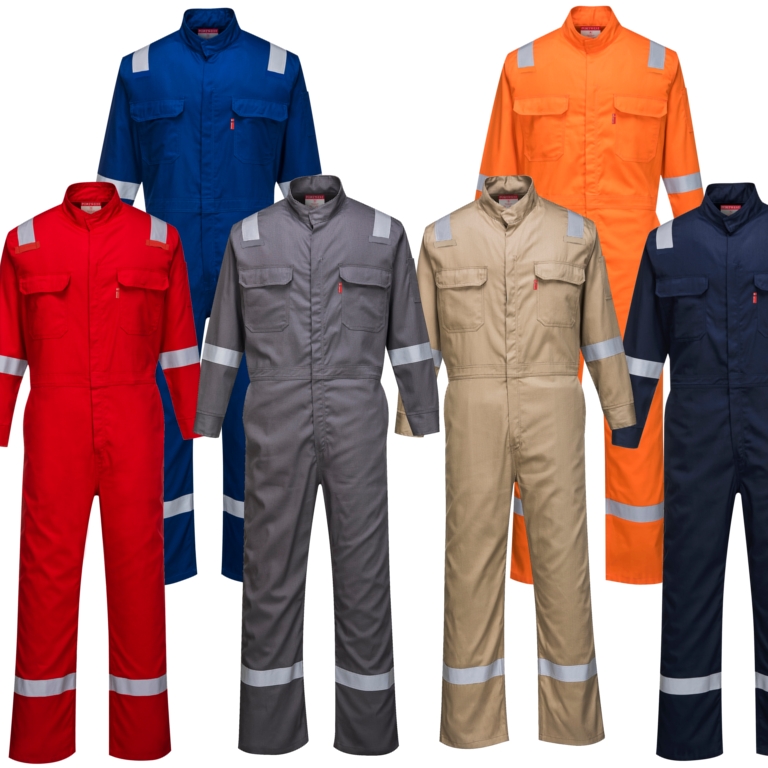
Types of FR Coveralls and Their Certifications
| Fabric Type | Best Use Case | Certification Examples | Key Benefits |
|---|---|---|---|
| FR cotton | Light heat, indoor welding | ISO 11611 | Lightweight, breathable, cost-effective |
| Nomex® / Kevlar® | High heat, outdoor welding | NFPA 2112, EN ISO 11612 | Durable, tear-resistant, superior protection |
| Leather | Extreme spatter and sparks | Not always certified | Maximum protection but less breathable |
Top 10 FR Coveralls for Welders: Stay Cool Under Pressure in 2025
1. Bulwark FR Coveralls – Durable Protection for Heavy-Duty Welding

Bulwark coveralls are made from a tough fabric blend of 88% cotton and 12% nylon. This combination offers strength and comfort for welders facing high heat. They meet key safety standards like NFPA 2112, NFPA 70E, and ASTM F1506, ensuring reliable flame resistance.
Key Features:
– Action back and elastic waist allow good movement.
– Multiple utility pockets and sturdy brass zippers enhance convenience.
– Sizes range from 36 to 60, including tall and big sizes for taller welders.
Pros:
– Trusted for excellent heat protection.
– Durable enough for everyday welding.
– Praised for comfort and fit after breaking in.
Cons:
– Can feel stiff initially.
– Heavier fabric may be warm in summer.
2. Carhartt FR Coveralls – Rugged Flexibility for Tough Jobs
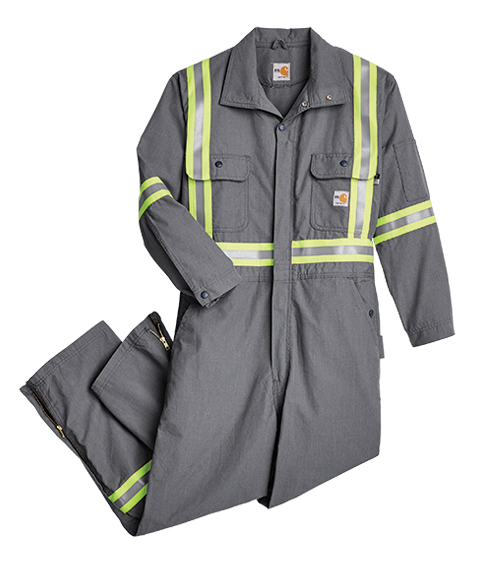
Carhartt FR coveralls come in 100% cotton duck or fabric blends. They feature triple-stitched seams and brass zippers for durability, with some models offering Rugged Flex technology that improves movement.
Key Features:
– Complies with NFPA 2112, NFPA 70E, and UL classifications.
– Elastic gussets and pleated back for greater flexibility.
– Sizes available from S to 5XL, including tall and big options.
Pros:
– Outstanding durability and fit.
– Insulated versions available for cold environments.
– Excellent for heavy-duty welders in harsh conditions.
Cons:
– Pricey, generally between $280 and $310.
– Requires break-in for best comfort.
– A heavier weight can feel warm.
3. Dickies FR Coveralls – Affordable and Convenient

Dickies coveralls often combine polyester and cotton (around 65% polyester and 35% cotton) and still meet important safety certifications. They are designed with reinforced knees and moisture-wicking liners, making them easier to maintain.
Key Features:
– Rated for NFPA 2112 and ASTM F1506 Cat 2.
– Features a bi-swing back and long sleeves.
– Sizes span 36 to 60 with regular and tall fits.
Pros:
– Budget-friendly, priced around $50 to $100.
– Roomy and comfortable.
– Easy to wash and care for.
Cons:
– Not as durable for rigorous welding jobs.
– Pockets are less reinforced.
– May feel stiff initially.
4. ML Kishigo FR Coveralls – Best for Lightweight Breathability

ML Kishigo focuses on high-visibility FR coveralls with modacrylic blends. Their gear is UL-certified and designed to keep welders cool in hot, outdoor environments.
Key Features:
– ANSI 107 reflective tape for visibility.
– Mesh vented back and adjustable cuffs.
– Sizes from M to 4XL, regular and tall.
Pros:
– Lightweight and breathable for summer.
– Highly visible for safety in outdoor and high-traffic areas.
Cons:
– Premium price point.
– Limited insulation.
– Less rugged for heavy welding.
5. Red Kap FR Coveralls – Lightweight and Affordable Option

Red Kap offers 100% cotton or blended FR fabrics that are lightweight and suitable for warm climates. They meet NFPA 2112 and ASTM standards.
Key Features:
– Elastic waist and action back for comfort.
– Multiple pockets with concealed snaps.
– Sizes range from 34 to 60.
Pros:
– Affordable and lighter weight.
– Good for entry-level welders and warm settings.
Cons:
– Less durable under heavy use.
– Lighter fabric may wear faster.
6. Walls FR Coveralls – Classic Fit with Affordable Pricing

Walls coveralls use mid-weight FR fabrics treated for flame resistance. They feature a traditional fit with adjustable wrist and ankle snaps.
Key Features:
– Meets NFPA 2112 and NFPA 70E.
– Pass-through pockets for easy access.
– Sizes S to 5XL, including tall.
Pros:
– Inexpensive and straightforward design.
– Comfortable layering over clothes.
Cons:
– Minimal stretch or advanced comfort features.
– May shrink after washing.
7. Lakeland FR Coveralls – Industrial Safety with Ventilation

Lakeland employs Westex UltraSoft fabrics blending cotton and high-tenacity nylon, known for durability and breathability.
Key Features:
– Certified to NFPA 2112 and ASTM standards.
– Gusseted underarms and mesh ventilation.
– Sizes S to 6XL with tall options.
Pros:
– Extra ventilation is ideal for the petrochemical industry.
– Durable and safe for industrial welding.
Cons:
– Higher price.
– A heavier feel might be tiring outdoors.
8. Ansell FR Coveralls – Ergonomic and Lightweight for Confined Spaces
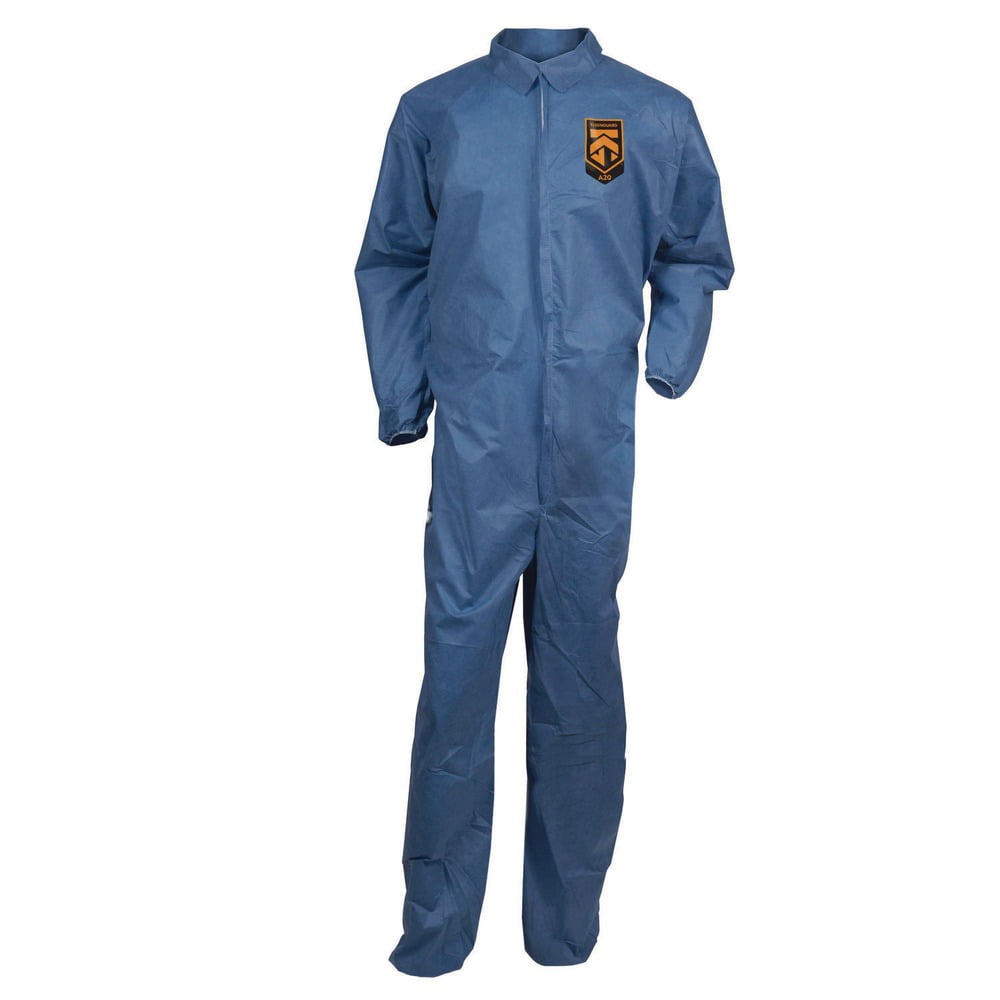
Ansell coveralls are made from modacrylic blends or cotton-rich fabrics with a focus on comfort and ergonomic fit.
Key Features:
– NFPA 2112 and EN ISO 11612 certifications.
– Pleated knees and large pockets.
– Sizes M to 5XL.
Pros:
– Lightweight and flexible.
– Ideal for confined spaces and heat stress.
Cons:
– Lower abrasion resistance.
– Thinner fabric than other heavy-duty options.
9. Cintas FR Coveralls – Customization and Rental Options for Large Crews

Cintas offers a range of cotton blends, UltraSoft, modacrylic, and Nomex fabrics with rental and managed uniform programs.
Key Features:
– NFPA 2112 and ASTM F1506 certified.
– Snap and zip closures with pass-through pockets.
– Sizes up to 5XL.
Pros:
– Custom branding and uniform management.
– Reliable for job site needs.
Cons:
– Basic comfort features compared to premium brands.
– Sizing may differ by fabric range.
10. Tyndale FR Coveralls – Premium American-Made with Comfort Focus
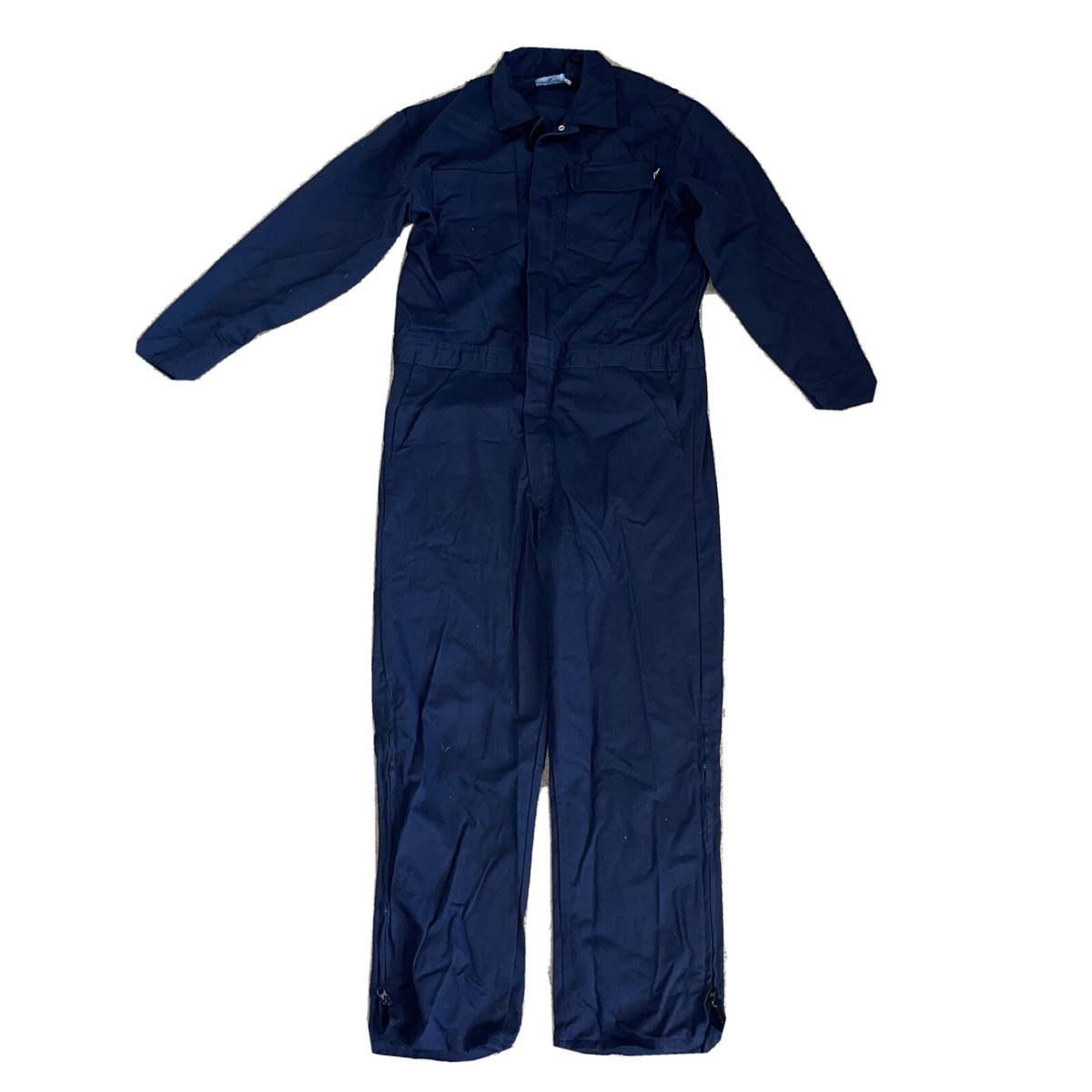
Tyndale uses proprietary cotton or modacrylic blends with moisture-wicking and reinforced stress points.
Key Features:
– NFPA 2112, ASTM F1506, and ARC2 certified.
– Gusseted crotch and multi-pocket design.
– Sizes S to 5XL, regular and tall.
Pros:
– Soft fabric and flexible fit.
– Widely used by American welders.
Cons:
– Higher cost, especially for custom orders.
– Limited availability outside North America.
Comprehensive evaluation of the above brands
Price ranges:
Budget options like Dickies and Red Kap typically cost $50–$100. Premium coveralls, such as Carhartt and Bulwark, range from $200 to $350.
Sizing:
Tall sizes (especially in Carhartt and Bulwark) fit welders over 6’2” best, offering better mobility.
Summer welding:
ML Kishigo and Ansell are top choices for heat stress due to their breathable, lightweight fabrics.
Safety Compliance:
NFPA 2112 certification is mandatory on most U.S. oil and gas sites, with about 90% compliance reported among welders.
Durability:
For heavy-duty welding, Carhartt, Bulwark, and Lakeland are preferred. For lighter, hot conditions, Ansell and ML Kishigo stand out.
Value:
Walls and Dickies provide solid performance at budget prices.
Custom programs:
Large crews often select Cintas or Tyndale for uniforms with branding and rental management.
Choosing the right FR coverall depends on the welding environment, climate, and budget. Balancing durability, comfort, and certified protection will keep welders safer and cooler under pressure in 2025.
Proper Washing and Storage Practices for FR Coveralls

Maintaining your flame-resistant (FR) coveralls properly ensures they stay effective and last longer. Here are the best practices to keep them in top shape.
Washing Tips to Preserve Flame Resistance
Use a mild, dye-free detergent without fabric softeners, bleach, or added scents to protect the FR properties.
Wash coveralls in warm water under 140°F (60°C) on a gentle cycle.
Always wash FR coveralls separately and inside out to avoid damage and contamination.
Add an extra rinse cycle to remove all detergent residue that might increase flammability risk.
Dry on low heat (max 140°F/60°C) or line dry out of direct sunlight.
Remove coveralls promptly from the dryer to prevent wrinkles and shrinkage.
Iron only if necessary, using a low setting without steam, and follow care label instructions.
Inspect and Repair for Safety
Check coveralls regularly for holes, fraying, thinning fabric, and broken stitching, especially at elbows, knees, and seams.
Ensure pockets, closures, and reflective strips are intact.
Repair small damages promptly with flame-resistant thread and patches—avoid non-FR materials.
Replace coveralls immediately if the damage is severe or the flame resistance seems compromised.
Best Storage Practices
Always clean coveralls before storing to remove dirt and contaminants.
Store in a cool, dry place, away from humidity and mildew risk.
Keep out of direct sunlight to prevent fabric fading and weakening.
Hang or fold neatly, avoiding tight spaces that cause creases or damage.
Use labeled storage spaces for easy organization and rotation, especially if you have multiple sets.
Recommended Detergents and Repair Supplies
For washing, consider mild detergents like Tide Free & Gentle or All Free Clear—verify no bleach, dyes, or softeners are included.
Use FR-certified sewing kits and patches for repairs from specialized safety apparel suppliers.
For storage, breathable garment bags or dedicated lockers are ideal, especially in industrial settings.
Price Ranges and Value of FR Coveralls for Welders in 2025
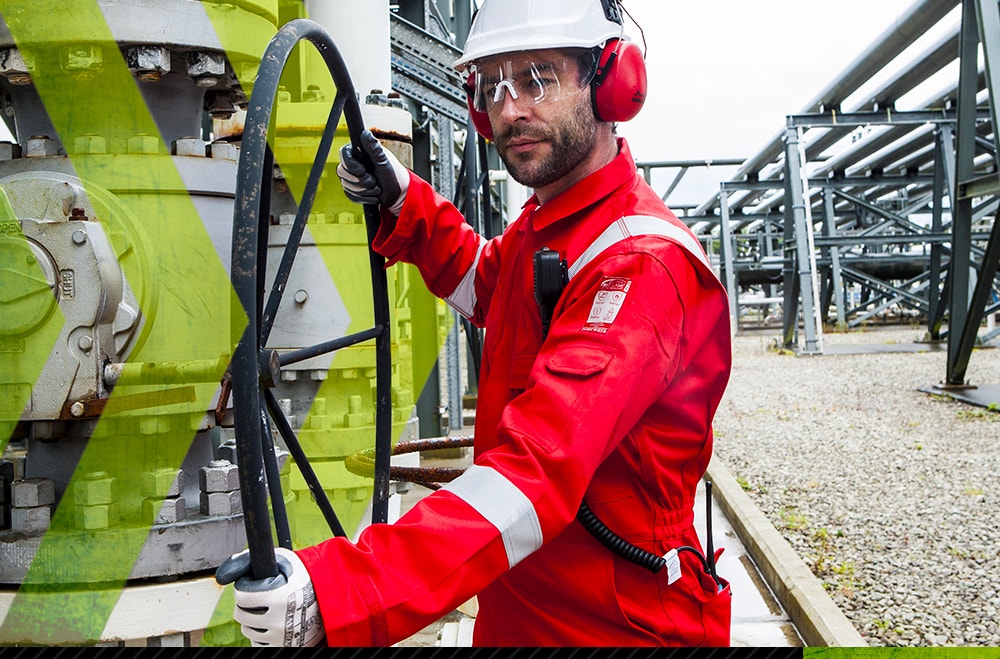
When choosing FR coveralls for welding, understanding the price ranges and balancing cost with protection is key. Here’s a breakdown to guide your decision:
Price Tiers of FR Coveralls
Budget Options (FR-treated cotton): Basic models start around $48.75 and typically range from $48 to $80. These coveralls often contain 88% cotton and 12% FR-treated fabric. They offer essential flame resistance but may lose effectiveness after 50+ washes.
Mid-Range Models: Coveralls made with reinforced cotton/nylon blends or with extra features like reflective tape and added pockets cost about $100 to $140.
Premium Brands: Made from inherently FR materials like Nomex or advanced fabric blends, these provide permanent flame resistance and additional arc/flash protection. Prices start around $135 and can exceed $200. For example, the Pioneer 4481 Flash-Guard® Hi-Vis coveralls cost about $199.22 and are highly rated for safety and visibility.
Disposable FR Coveralls: Rare in welding due to comfort and durability concerns, disposable options can cost between $130 and $320 each.
Balancing Price and Protection
Always look for certified standards such as NFPA 2112, CGSB 155.20, or specific ARC ratings on tags to ensure real protection.
Material choice matters: Inherently FR fabrics keep their protective properties indefinitely. FR-treated cotton might lose flame resistance after repeated washes.
Basic, certified coveralls provide adequate protection for most welding tasks. Premium coveralls add comfort features, better durability, or hi-visibility elements, which may be worth the extra cost depending on your needs.
A well-fitting and durable coverall may cost more upfront but will last longer, offering better protection and reducing replacement frequency.
Avoiding Risks with Counterfeit Gear
Never buy uncertified or suspiciously cheap FR coveralls. Counterfeit products may fail to protect, especially after washing.
Check for clear certification labels and buy from reputable brands and trusted sellers only.
Long-Term Value Considerations
Inherently, FR coveralls are more expensive but worth the investment for long-term use because they don’t lose flame resistance.
Features like high-quality stitching and reinforced areas extend the life of the garment.
Pioneer’s “The Rock” FR-TECH® coveralls are a great example—they are guaranteed for the life of the garment with no loss of flame resistance.
When you factor in durability, a $150 premium coverall lasting three times longer than a $60 treated-cotton one gives a similar yearly cost but better ongoing protection.
Quick Tips for Value-Minded Buyers
Always insist on proper safety certification.
Balance the initial price with the expected lifespan to find true value.
Prioritize fit and comfort to ensure safety during work.
Avoid deals that seem too cheap to be true to prevent counterfeit gear.
If you wash coveralls often, invest in inherently FR fabrics for lasting protection.
How to Choose the Best FR Coveralls for Welding in 2025
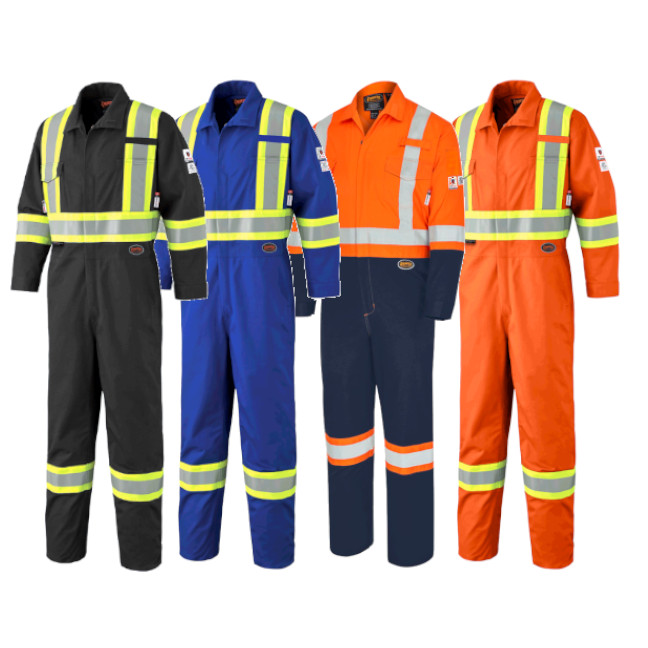
Choosing the right flame-resistant (FR) coverall is essential for welders to stay safe and comfortable. Focus on three main factors: safety certification, comfort, and durability. The key is to match the coverall type to your welding environment:
For indoor, light welding tasks, choose FR-treated cotton coveralls. They offer comfort and breathability.
Outdoor, high-heat, or industrial settings: Opt for coveralls made from Nomex® or Kevlar® blends. These materials provide stronger protection and durability.
Balance Protection, Mobility, and Breathability
When selecting FR coveralls, look for certified safety standards like ISO 11611, EN ISO 11612, and NFPA 2112. These certifications ensure the garment performs well during flame and heat exposure. Also, ensure the coverall fits properly—not too tight, not too loose. Use manufacturer sizing charts to pick the right size.
Look for features such as:
– Adjustable straps for a personalized fit
– Elastic waistbands for comfort during movement
– Reinforced knee pads for protection when kneeling
Consider Durability and Laundering Needs
Insulated fr coveralls should handle multiple washes and repeated heat exposure without losing protection. Materials like Nomex® and aramid fibers keep their flame resistance after many washes. Coveralls certified to NFPA 2112 or ASTM F1506 meet strict testing requirements for flame and thermal protection.
Additional Functional Features for Welders
To improve safety and convenience, look for coveralls with:
Pockets with flaps to keep sparks out and secure tools
Double stitching for long-lasting durability
Reflective stripes for better visibility in low-light or outdoor conditions
Reinforced knees for added comfort during prolonged kneeling
Final Tips for Welders
- Always verify certification labels before buying.
- Choose coveralls that fit your specific work environment.
- Balance protection with comfort to stay cool and safe on the job.
The right FR coverall becomes more than just gear—it’s your daily shield in the welding world. It moves with you, breathes with you, and stands firm against heat and sparks. Whether it’s a lightweight cotton suit for quick indoor jobs or a rugged Nomex® blend for high-intensity work, the perfect coverall keeps you cool, confident, and protected every time you strike a spark. I hope this guide helps you find the FR coveralls that truly fit your work, your comfort, and your safety—because the right gear doesn’t just protect you; it works with you, every step of the way.