
I wear a mask for many hours each day while traveling, working, and spending time in public spaces. Over time, I noticed the same problems with most options. Ear discomfort, fogged glasses, and poor airflow made long wear difficult.
To see if daily use could be improved, I tested the Moldex Mask for 30 days in real situations. Some features performed better than expected, while others showed clear limits. The sections below explain what worked, what didn’t, and which models make the most sense for everyday wear.
Moldex Mask Product Line for Daily Wear
Moldex Masks models designed for daily wear fall into three clear categories, each balancing comfort and protection differently.
The 2200 Series: Medical-Grade Daily Protection

The 2200 Series focuses on medical-grade protection for extended wear. These surgical N95 respirators filter ≥95% of non-oil particles with high bacterial filtration efficiency and offer the highest ASTM fluid resistance rating.
I wore this Moldex Mask through multiple long flights. The Dura-Mesh shell never collapsed against my face, even in pressurized cabins. The soft foam nose cushion stayed comfortable for hours, without hard creases pressing into the bridge of my nose. This series makes sense for users who need reliable protection during long, uninterrupted wear.
The 4800 AirWave Series: Breathability for Active Use
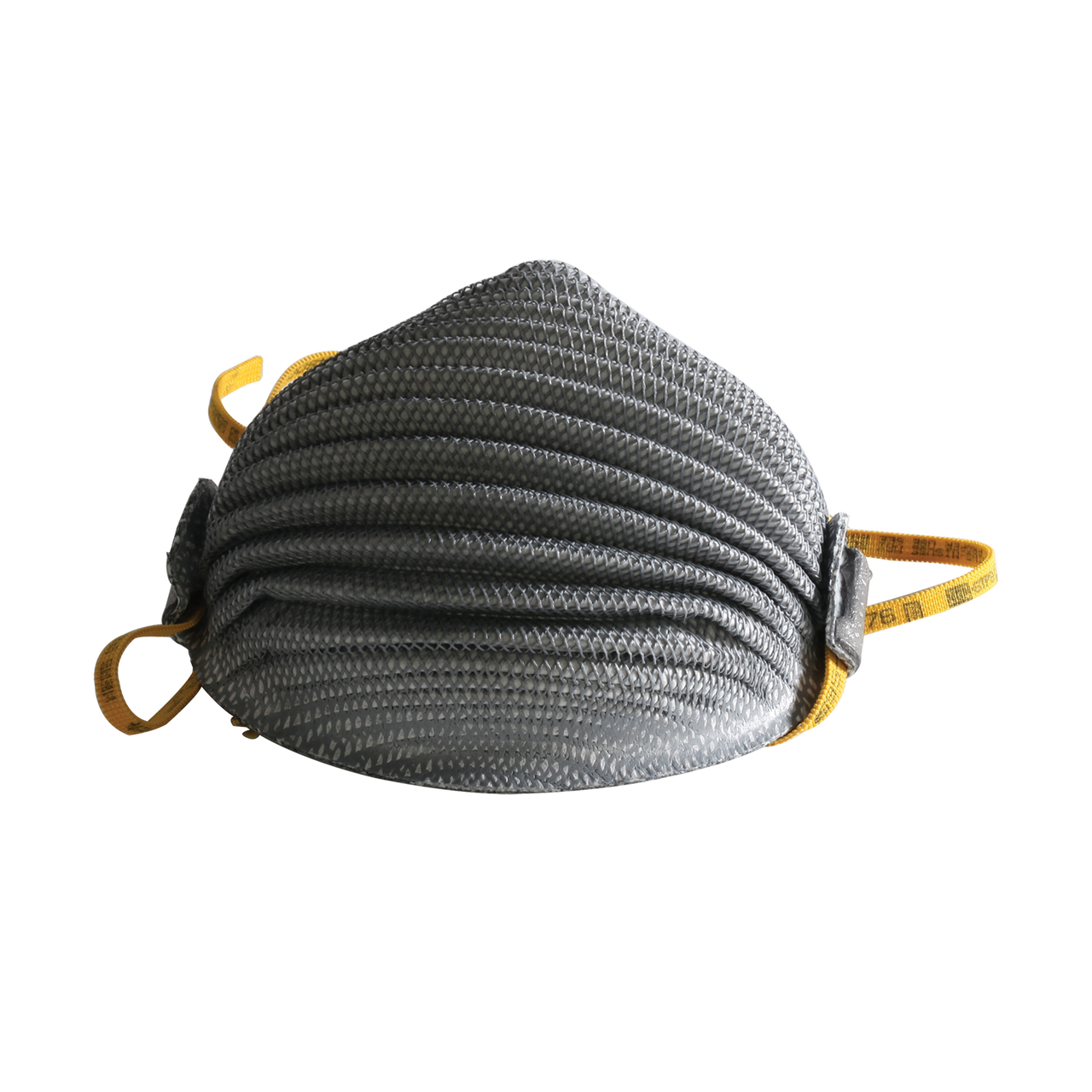
The 4800 AirWave Series prioritizes airflow and lower breathing resistance. Its wave-pleated structure increases surface area compared to flat designs, which noticeably improves breathability during movement.
I tested this Moldex Mask during a dusty hike, where the Ventex valve vented hot air quickly enough to keep my glasses clear. For users who move frequently or spend time outdoors, this series feels easier to breathe through than traditional cup-style masks .
The 2700 N99 Series: Higher Filtration with Easy On-Off
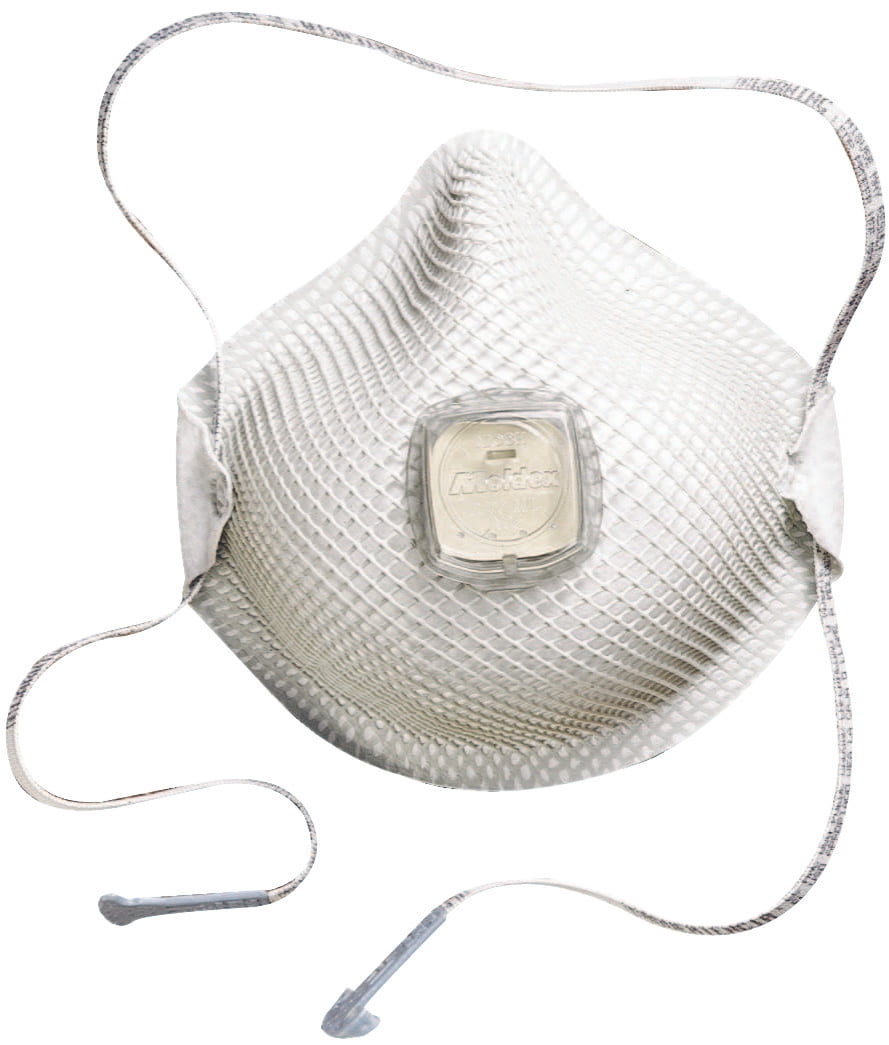
The 2700 N99 Series increases filtration to ≥99% for environments with heavier particulate exposure. A single cloth strap allows the mask to hang around your neck between uses, which reduces the hassle of repeated removal.
This Moldex Mask works best in dusty urban settings or during allergy season , where higher filtration matters more than compact storage. It’s less about convenience in your pocket and more about quick, repeated use without losing the mask.
My 30-Day Experience Wearing a Moldex Mask Each Day

Day 1: First Impressions
Day 1 felt immediately promising. The foam nose cushion rested softly against my nose bridge with no pressure points. By hour four on a cross-country flight, I noticed what wasn’t happening—the urge to rip the mask off. My ears didn’t ache, and my glasses stayed clear as the Ventex valve pushed moisture outward instead of up.
Week 1: Long Stretches of Daily Wear
Week 1 was the real test. I wore the same Moldex Mask (1512, medium) through multiple 8-hour stretches—airport terminals, taxi rides, hotel lobbies. The Dura-Mesh shell never collapsed against my face, even when leaning back in an airplane seat. Other masks I’d tried would cave in with each breath. This one stayed rigid.
The HandyStrap quickly became my favorite feature during security checks. I let the mask hang around my neck instead of stuffing it into a pocket or fumbling in my bag.
Week 2: Rotation and Breathability
By Week 2, I rotated between the 1512 and the 4800 AirWave. The wave-pleated design on the 4800 made a noticeable difference during a steep hike. More surface area meant less breathing resistance. I could talk without gasping between words, and the cloth strap felt cooler against my skin than standard elastic loops.
Week 3: Fit Degradation Appears
Week 3 revealed the limits of daily reuse. After about 18–19 wears, the fit began to break down. The straps stretched slightly, and the foam nose cushion lost some of its spring. During a basic seal check—cupping my hands around the edges and breathing hard—I felt air leaking near my cheeks.
This matched what research shows: fit quality drops with repeated reuse. Some studies report up to 60% of users failing fit tests after just two one-hour sessions with certain N95 models .
Week 4: When to Retire a Moldex Mask
By Week 4, I retired my first Moldex Mask. It lasted 23 wears over 30 days. Moldex recommends disposal within 30 days of first use or after eight hours in greasy environments. I pushed that limit. The mask still looked fine, but the seal was no longer reliable.
For daily travel, I found it smarter to replace masks every two to three weeks instead of waiting for visible damage. Fit fails before materials do—and once the seal is gone, protection drops fast.
Comfort Analysis: How a Moldex Mask Feels on Your Face
Foam Nose Cushion and Pressure Relief
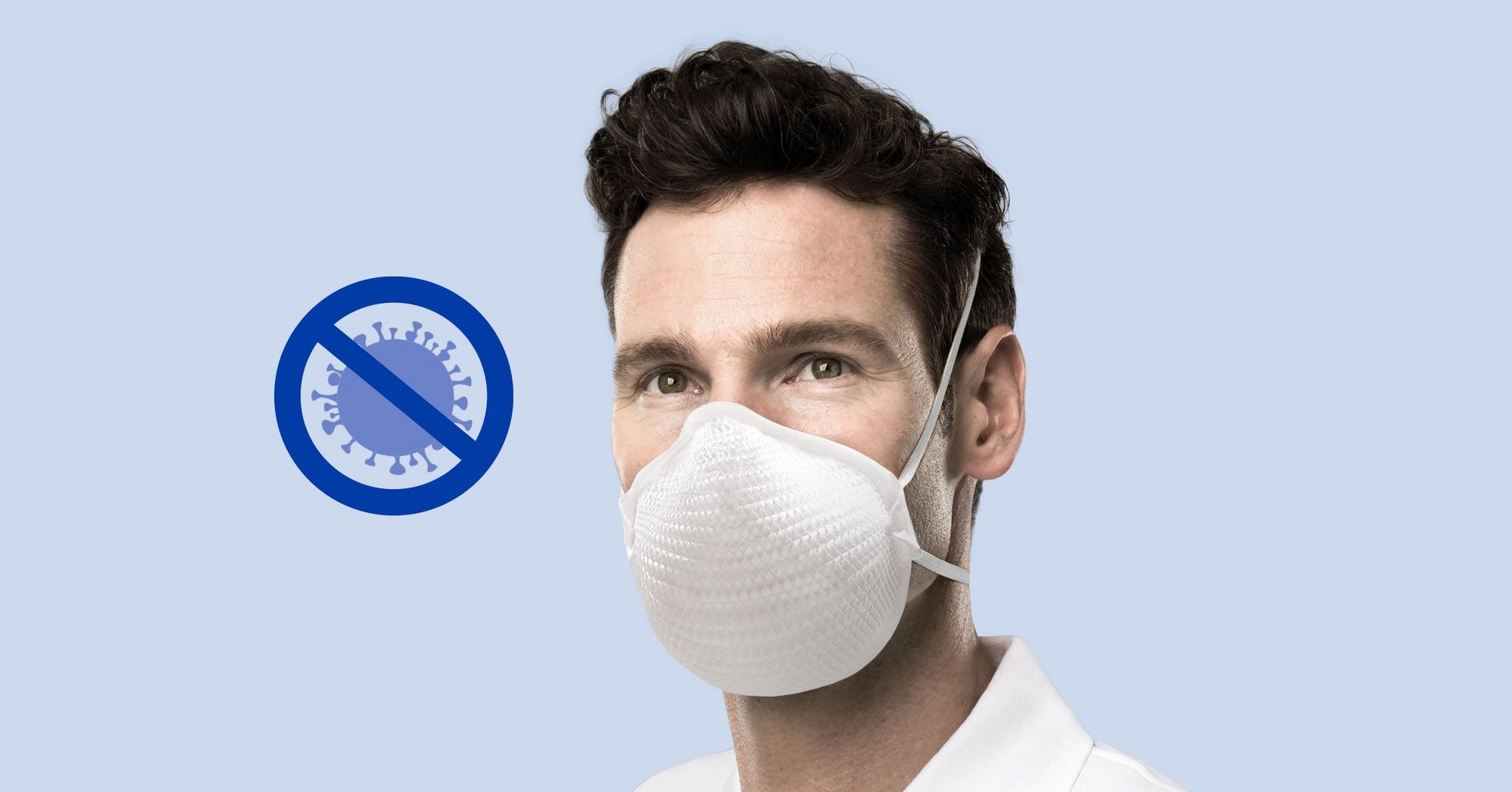
The foam nose cushion is where a Moldex Mask immediately feels different. Most masks dig a hard crease into your nose bridge after an hour. Moldex avoids that problem. The soft foam rests against the skin without pressure points. I wore mine through multiple eight-hour flights and never ended up with the familiar red indent.
Molded Nose Bridge and Seal Stability
The molded nose bridge seals without any metal adjustment. No pinching, bending, or constant fiddling. It simply sits in place and holds. This matters more than it sounds. Wire nose strips on other masks often poke through the material after a few wears. The molded bridge on a Moldex Mask stays smooth and keeps its seal over time.
Strap Design and All-Day Comfort
Strap design plays a huge role in long-term comfort. The SmartStrap uses adjustable cloth instead of elastic, which feels cooler and softer against the back of the head. You can fine-tune the fit without the stretched-out tension elastic loops create.
The HandyStrap buckle lets the mask hang around your neck between uses. This is far more practical than stuffing it into a pocket. Both strap systems are latex-free, which helps avoid skin irritation during long wear.
Cup Shape and Structural Rigidity
The cup-shaped design keeps the mask off your mouth and cheeks. The Dura-Mesh shell resists collapse even in heat and humidity. During a humid Florida layover, the mask stayed rigid against my chin and cheekbones. Breathing never pulled the material inward as it does with softer masks.
Ventex Valve and Heat Buildup
The Ventex valve reduces heat buildup by directing exhaled air outward, rather than trapping it inside the mask. Studies show valved N95 masks reduce CO₂ buildup by roughly 3 mmHg compared to non-valved designs. In practice, this meant cooler breathing and fog-free glasses during extended wear.
Fit Across Face Shapes and Skin Types
Moldex Mask models are available in multiple sizes to accommodate different face shapes. X-Small and Small options work better for narrower faces, while Medium and Large sizes suit broader profiles. The Softspun inner lining feels gentle against the skin, and models with a full face flange keep contact points comfortable during long hours of wear.
Fit and Seal Quality of a Moldex Mask: Does It Actually Protect?

Why Seal Quality Matters More Than Comfort
A comfortable mask means nothing if air leaks around the edges. Real protection depends on seal quality, not just filter material. This became clear to me quickly. A Moldex Mask can feel great on your face, but if the seal fails, filtration ratings stop mattering.
The Limits of User Seal Checks
Like most people, I ran a user seal check every time I put on my Moldex Mask. Hands cupped around the edges, sharp inhale, hard exhale—no obvious leaks. It feels reassuring, but the method is far from reliable.
Research shows user seal checks reach only about 70–80% accuracy. In other words, up to one-third of masks that “pass” still fail professional fit tests. Agreement between self-checks and formal testing is low, close to random chance. A mask can feel sealed and still leak in real conditions.
What Professional Fit Testing Shows
Formal fit testing tells a clearer story. Studies on comparable N95 respirators show first-try pass rates around 65–77%. Moldex Mask models tend to land toward the higher end of that range. Most users can find at least one Moldex Mask that fits them well after trying two models.
When fit is good, protection is strong. Typical fit factors for quality Moldex N95 masks fall between 120 and 140 out of a maximum of 200. Higher numbers mean less leakage. Movement matters, though. Head turns and nodding reduce fit quality, and only about half of users pass every movement test on the first attempt.
How Reuse Affects the Seal
Seal quality degrades with repeated wear, even when the mask still looks fine. My experience matched the data. After about 18–19 wears, small leaks started appearing near my cheeks. The foam nose cushion compressed, the straps loosened, and the molded edges lost some grip.
Studies show roughly 90% of users maintain proper fit early on, but pass rates drop into the mid-80% range after a few weeks of regular use with cup-style designs like Moldex. The material outlasts the seal.
Moldex Mask vs Lower-Quality Alternatives
The difference becomes clear when compared to cheaper options. KN95 masks often show extremely low fit scores, translating to major leakage. In contrast, a properly fitted Moldex Mask routinely achieves fit factors above 100, with many users reaching near-perfect seals.
The takeaway isn’t that Moldex masks never fail—it’s that when sized correctly and replaced on time, they deliver far more consistent protection than lower-grade alternatives.
What This Means for Daily Use
A Moldex Mask starts with a strong seal, but it isn’t permanent. Proper sizing, regular checks, and timely replacement matter more than squeezing extra days out of a worn mask. Once the seal degrades, protection drops quickly, even if the filter material still looks intact.
Who Should (and Shouldn’t) Wear a Moldex Mask

Who a Moldex Mask Works Best For
A Moldex Mask makes the most sense for people who face real, measurable airborne risks. If you’re dealing with dust, fine particles, or crowded indoor environments, the added protection and seal quality justify the upgrade.
Industrial workers and healthcare professionals get the most value. Moldex N95 respirators are designed for occupational exposure to airborne particles, infectious aerosols, and biological contaminants. Surgical N95 models in the 2200 Series provide ≥95% filtration with >99.9% bacterial filtration efficiency and high fluid resistance, which matters in medical and industrial settings where splashes or aerosols are common.
Urban commuters in high-pollution areas also benefit. Cities with consistently poor air quality expose residents to diesel exhaust, construction dust, and wildfire smoke. In these conditions, the tighter seal and higher filtration consistency of a Moldex Mask outperform basic disposable options.
Frequent travelers fall into this group as well. Crowded airports, long flights, and poorly ventilated terminals increase exposure risk. When worn correctly and rotated on schedule, Moldex disposable masks offer reliable protection at a reasonable cost per wear.
When a Moldex Mask Is Probably Overkill
For low-risk situations, a Moldex Mask may be more than you need. Casual indoor use, short errands, or environments with good ventilation rarely justify a medical-grade respirator. In these cases, standard disposable masks are often sufficient and more convenient.
People who rarely wear masks for more than an hour at a time may also find Moldex models unnecessary. Their benefits show up during longer, repeated wear—not quick, occasional use.
Who Should Avoid Moldex Disposable Masks
Some users are better served by alternatives. Moldex disposable masks use fixed half-mask designs with limited adjustability. If you’ve experienced pressure sores or fit issues in the past, reusable respirators with adjustable straps and replaceable seals may provide a better fit.
Moldex N95 masks are not designed for chemical or vapor exposure . They filter solid and liquid particles, not gases or VOCs. If you work with solvents, paints, or industrial chemicals, you’ll need a respirator with appropriate cartridges instead.
Environmentally focused users may also want to look elsewhere. Disposable masks, even when rotated efficiently, generate waste. If long-term reusability or sustainability is a priority, washable or cartridge-based respirators are a better match.
How to Decide if a Moldex Mask Is Right for You
A Moldex Mask excels when protection needs are real and recurring. It delivers strong filtration, consistent sealing, and good comfort for long hours. But it’s not a universal solution.
If your exposure is low, your wear time is short, or your main concern is sustainability or chemical protection, other options make more sense. Match the mask to your actual environment—not your worst-case fears—and you’ll get better results with less hassle.
My Final Verdict: Is the Moldex Mask Worth It for Daily Wear?

Overall Rating for Everyday Use
For daily wear, a Moldex Mask earns an overall score of 8/10. It delivers strong particle protection and reliable sealing, with comfort limits that show up during very long or repeated use.
Protection: Strong and Consistent
Protection is the strongest point. Moldex Mask models with NIOSH N95 certification provide 95%+ filtration against non-oil particles, supported by solid fit performance in controlled testing. Surgical N95 options in the 2200 series add high fluid resistance, which matters in medical and industrial environments where splashes or aerosols are a concern.
In real use, seal quality stayed high through early wear cycles. Protection only dropped once reuse began to degrade the fit, not because the filter material failed.
Comfort: Good, but Not Unlimited
Comfort scores slightly lower at 7/10. Features like the contoured cup shape, foam nose cushion, and Softspun lining reduce pressure points and skin irritation. Adjustable cloth straps feel better than standard elastic during long sessions, and AirWave designs noticeably reduce breathing resistance during moderate activity.
That said, comfort declines with extended reuse. Fit failures become more common after long daily wear or multiple weeks of rotation. A Moldex Mask is comfortable enough for full workdays, but not designed to be worn indefinitely without replacement.
Value: Strong Cost per Wear
Value lands at 8/10 based on cost per wear. At roughly $1–2 per N95 unit, rotating multiple masks allows 18–40 total wears before seal degradation. This keeps the daily cost low while maintaining protection, especially compared to basic disposables that offer no safe reuse window.
For users who rotate masks correctly, Moldex disposable masks last longer than most alternatives before fit drops to unacceptable levels.
Matching the Mask to Your Use Case
A Moldex Mask works best when exposure is real and recurring. Short commutes or moderate daily travel favor N95 models like the 151X or AirWave series. Frequent on-off situations benefit from designs with neck-hanging straps. High-pollution environments or dusty outdoor work may justify stepping up to reusable respirators.
Sensitive skin users tend to do well with Moldex materials, especially models with soft inner linings and latex-free components.
When Moldex Isn’t the Right Choice
Moldex masks are not designed for chemical or vapor protection. If your work involves solvents or VOCs , you’ll need a cartridge-based respirator. Users focused on long-term sustainability may also prefer reusable options over disposables.
The Bottom Line
A Moldex Mask offers reliable particle protection at a reasonable cost per wear, especially for people who face real airborne risks during travel, commuting, or work. It outperforms cheap disposable masks in fit consistency and durability, but it isn’t indestructible.
Rotate masks every two to three weeks, check the seal before each use, and replace them once breathing resistance increases or leaks appear. If you need dependable protection and plan to wear a mask for hours at a time, a Moldex Mask is worth the upgrade. If your risk is low and wear time is short, simpler options will do the job just fine.
After a month of daily use, one point stood out clearly: comfort determines whether protection actually works. A mask that irritates your skin or restricts breathing will not be worn correctly for long.
Moldex offers real advantages in breathability and fit, especially for long travel days. Those benefits come with a higher cost, so these masks make the most sense for frequent wear, not casual use. Test fit before buying in bulk. When the right Moldex mask disappears on your face, it’s doing its job.
If you have requirements for customized protective products, including specific materials, packaging, or bulk specifications, feel free to contact us for pricing and lead-time details.