
Choosing the right workwear can feel overwhelming when every job involves different temperatures, tools, and hazards. Not all gear withstands long shifts, sharp surfaces, or constant exposure to oil and fluids. Mechanic coveralls help solve these challenges by providing consistent protection and durability. In this article, you’ll learn how to compare materials, features, and types to find the best pair for your work environment.
Why Mechanic Coveralls Matter?
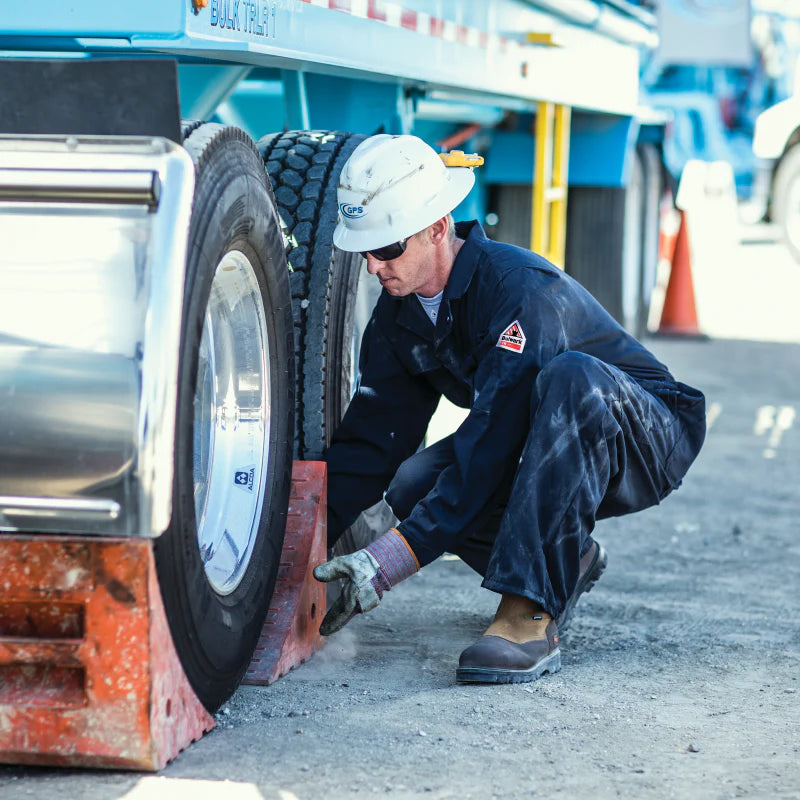
Mechanic coveralls play a key role in protecting workers during automotive and mechanical tasks. High-quality mechanic coveralls for men and women create a reliable barrier against oils, grease, brake fluid, solvents, and other irritants that can cause skin problems or long-term health issues. For anyone comparing options or searching for where to buy mechanic coveralls , understanding their protective function is the first step. By preventing direct contact, these garments help reduce the risk of dermatitis, irritation, and chemical-related injuries.
Safety Benefits
Proper coveralls help prevent cuts, scrapes, and burns caused by tools, hot surfaces, and machinery. Research shows that mechanics who regularly wear protective gear experience up to 40% fewer skin-related injuries. Some workplaces also provide youth mechanic coveralls for apprentices or younger trainees to build safe habits early and meet OSHA requirements.
Efficiency and Professionalism
Coveralls keep personal clothing clean and dry, reducing distractions and minimizing downtime from changing or cleaning clothes. Many shops now use mechanic coveralls with name customization to improve team identification, customer trust, and workplace professionalism. For example, Ford Motor Company reported a productivity increase after standardizing and personalizing coveralls across its assembly lines.
Material and Features
Most mechanic coveralls use durable cotton, polyester, or polycotton blends to balance comfort and protection. Some mechanics prefer vintage mechanic coveralls for their heavier cotton feel and classic durability, especially in traditional automotive shops. Disposable options work well for heavy contamination, while high-visibility designs enhance safety in low-light or high-traffic environments.
Key Factors When Choosing Mechanic Coveralls
Choosing the best mechanic coveralls starts with selecting materials and features that match your work environment. The right fabric affects durability, comfort, and overall safety, so understanding each option ensures better performance on the job.
Material Options
Cotton/Polyester Blends
Polycotton blends provide a good balance of comfort, breathability, and durability. They resist wear and often include UV protection like UPF 40+, making them suitable for outdoor or long-hour work.
Microporous Fabrics
Ideal for dusty or chemical-prone environments. These fabrics offer strong liquid and particle resistance while still allowing airflow during long shifts.
Tyvek and Nylon
Lightweight and highly protective, these materials resist water, chemicals, and fine particles. They are commonly used in wet or harsh conditions.
SMS Fabrics
Breathable yet resistant to light liquids, SMS fabrics are often used in food processing and pharmaceutical settings.
Durability and Reinforcement
Mechanics work around rough surfaces and tools, so durable construction is essential.
Reinforced stitching: Double or triple-stitched seams prevent tearing in high-stress areas.
Abrasion-resistant fabrics: Polycotton blends generally withstand friction better than pure cotton.
An example is the Dickies Men’s Short-Sleeve Coverall, which uses reinforced twill fabric for demanding automotive tasks.
Fit, Mobility, and Comfort
Coveralls should support natural movement throughout the workday.
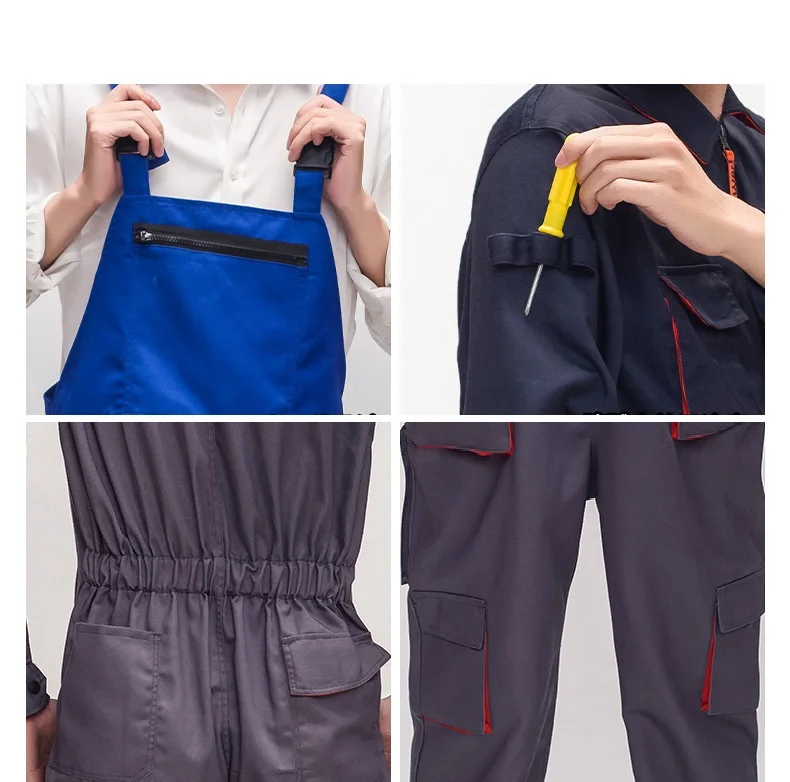
Action-back or bi-swing designs: Improve shoulder flexibility for reaching and crouching.
Elastic waists and adjustable cuffs: Enhance overall comfort and fit.
These features help when working in tight or awkward spaces.

Breathability and Climate Considerations
Climate also influences the best fabric choice:
Hot environments: Cotton, high-cotton blends, microporous, or SMS fabrics reduce heat buildup.
Wet or chemical environments: Tyvek and nylon provide better waterproof or chemical-resistant protection.
Humid climates: Polyester dries quickly but may feel warmer.
Safety Features to Match Your Work Environment
Some tasks require added protection:
Flame-resistant fabrics: Needed for welding, sparks, or flammable materials.
High-visibility elements: Important for roadside or low-light areas.
Chemical and oil resistance: Essential when handling hazardous fluids.
Summary
When choosing mechanic coveralls, focus on:
Durable materials such as polycotton
Flexible designs that support movement
Breathable fabrics suited to your climate
Safety features like FR, antistatic, or waterproofing
Examples like Portwest C802 for outdoor tasks and Dickies coveralls for heavy-duty work demonstrate how materials and features meet different job needs.
Types of Mechanic Coveralls
The right type of mechanic coveralls depends on your work environment and the level of protection required. Some styles—such as lightweight or stretch-fit options—are particularly suitable as female mechanic coveralls , offering better mobility and comfort for different body shapes.
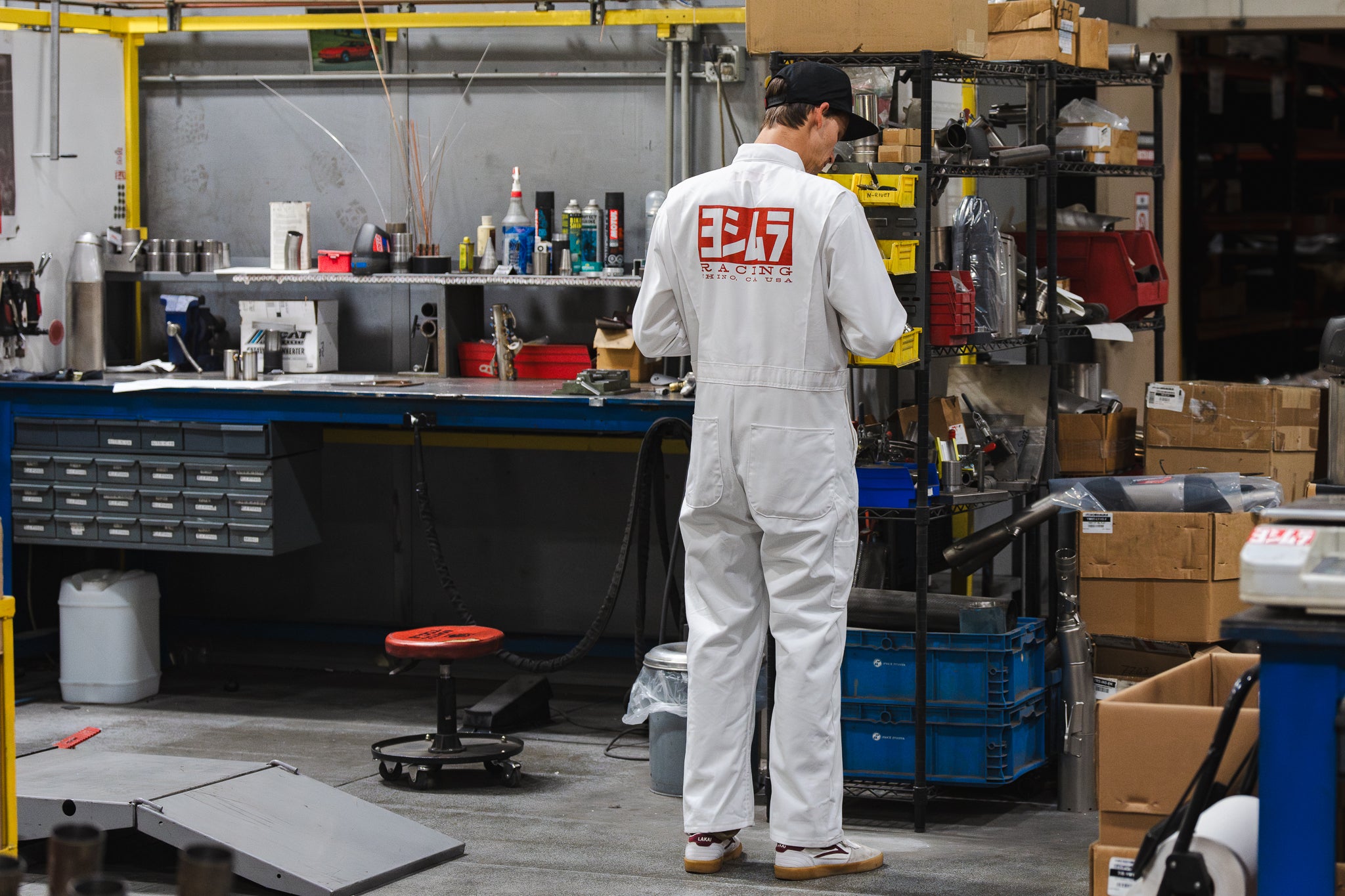
Basic Coveralls : Affordable and Comfortable
Price: $49–$58
Materials: 100% cotton or poly/cotton blends
Best for: Daily automotive work and general maintenance
Pros: Easy to wear, comfortable, budget-friendly
Cons: Limited chemical protection; not suitable for extreme cold or heavy-duty work
Insulated Coveralls : Warmth for Cold Conditions
Price: $250–$270
Materials: Nylon outer shell with polyester quilted lining
Best for: Outdoor mechanics or cold workshops
Pros: Excellent warmth, wind, and water resistance, durable
Cons: Bulkier, less breathable, higher cost
Hi-Vis Coveralls : Safety in Low-Light Environments
Materials: High-visibility neon fabrics with reflective bands
Best for: Roadside, night shifts, or dimly lit workplaces
Pros: High visibility and enhanced safety
Cons: Typically more expensive; may lack insulation or heavy-duty reinforcement
Lightweight Coveralls : Breathable and Flexible
Price: $53–$58
Materials: Polycotton or synthetic blends, often with stretch or OilBlok features
Best for: Hot climates, long shifts, fast-paced shops
Pros: Breathable, stain-resistant, good flexibility
Cons: Less abrasion and chemical resistance; may wear faster under heavy use
Heavy-Duty Coveralls: Built for Tough Jobs
Price: Around $119
Materials: Reinforced cotton blends with triple stitching and knee reinforcements
Best for: Crawling, rugged conditions, demanding mechanical work
Pros: Highly durable, functional pockets, boot-friendly leg zippers
Cons: Heavier, stiffer, requires break-in; higher cost
Specialty and Flame-Resistant Coveralls: For Hazardous Work
Price: $280–$310
Materials: Treated cotton or aramid blends meeting NFPA 70E standards
Best for: Electrical work, welding, or fire-risk environments
Pros: Flame and electrical hazard protection; added ergonomic features
Cons: Most expensive; less comfortable for long-term wear
Disposable Coveralls : Temporary Single-Use Protection
Price: $3–$15 each
Materials: Tyvek, SMS, or polypropylene
Best for: Chemical splash, biological hazards, or extremely dirty jobs
Pros: Lightweight, hygienic, strong barrier protection
Cons: Not reusable; minimal durability
Choosing the right mechanic coveralls ensures comfort, safety, and better performance. Insulated options like the Carhartt Yukon suit cold climates, while lightweight models such as Red Kap Performance Plus work well in hot environments. For hazardous conditions, flame-resistant or disposable coveralls offer the necessary protection.
Top Materials Used for Mechanic Coveralls
Choosing the right material is one of the most important steps in selecting mechanic coveralls. Each fabric offers different levels of durability, comfort, and protection, making certain materials better suited for specific work environments.

Cotton Coveralls: Comfort and Breathability
Best for: Hot climates and long shifts
Pros:
Highly breathable and comfortable
Good moisture absorption
Soft feel; some treated options offer light flame resistance
Cons:
Less resistant to abrasion
Prone to shrinking
Wears faster with frequent washing
Ideal for: Light-duty auto work, general maintenance, and warm environments.
Polycotton Blends: Balance of Comfort and Durability
Common blends: 50/50, 65/35, 80/20 polyester/cotton
Pros:
Breathable and durable
Resists tearing, shrinking, and staining
Easy to wash and cost-effective
Widely used in: Workshops, manufacturing, and construction.
100% Polyester Coveralls: Tough and Fast-Drying
Pros:
Very durable and wear-resistant
Stain- and shrink-resistant
Quick-drying, ideal for humid or wet conditions
Cons:
Less breathable and can feel warm
Can generate static
Ideal for: Heavy-duty mechanics, outdoor work, and frequent washing.
Nylon Coveralls: Flexible and Scratch-Resistant
Pros:
Lightweight, stretchable, and strong
Resistant to scratches and mild chemicals
Offers excellent mobility
Ideal for: Outdoor tasks and jobs requiring flexibility.
Special Materials for Specific Needs
Canvas:
Heavy-duty cotton blend with strong abrasion resistance. Suitable for rugged mechanical work and construction.
Microporous Films:
Provide liquid and particle resistance while remaining breathable. Used in chemical or pharmaceutical environments.
Tyvek®:
Lightweight with high particle protection. Great for hazardous dust, paint spray, or contamination control.
SMS Blends:
Balanced breathability and liquid resistance. Common in cleanrooms and hygiene-sensitive industries.
Summary Table of Mechanic Coverall Materials
| Material | Breathability | Durability | Washability | Protection | Best Use Cases |
|---|---|---|---|---|---|
| Cotton | High | Low | Low* | Low | Hot climates, light work |
| Polycotton Blends | Medium | Medium | High | Medium | Workshops, general industry |
| Polyester | Low–Medium | High | Very High | High | Outdoor, wet, heavy-duty jobs |
| Nylon | Medium | High | High | High | Flexible, outdoor environments |
| Canvas | Medium | Very High | Medium | Medium | Construction, heavy-duty work |
| Microporous/Tyvek/SMS | Medium | High | Disposable | High | Hazardous, pharmaceutical, cleanrooms |
*Cotton may shrink if untreated.
Final Tips
For everyday mechanic work, 65/35 polycotton offers the best mix of durability and comfort.
For hot environments, choose cotton or breathable materials like SMS.
For heavy-duty or wet conditions, go with polyester or nylon.
For hazardous chemicals or dust, use Tyvek or microporous fabrics.
Selecting the right material ensures your mechanic coveralls deliver long-lasting protection, comfort, and performance.
Essential Features to Look For
When choosing mechanic coveralls, focus on features that enhance durability, comfort, mobility, and safety. The right design elements help improve performance and protection during daily mechanical tasks.
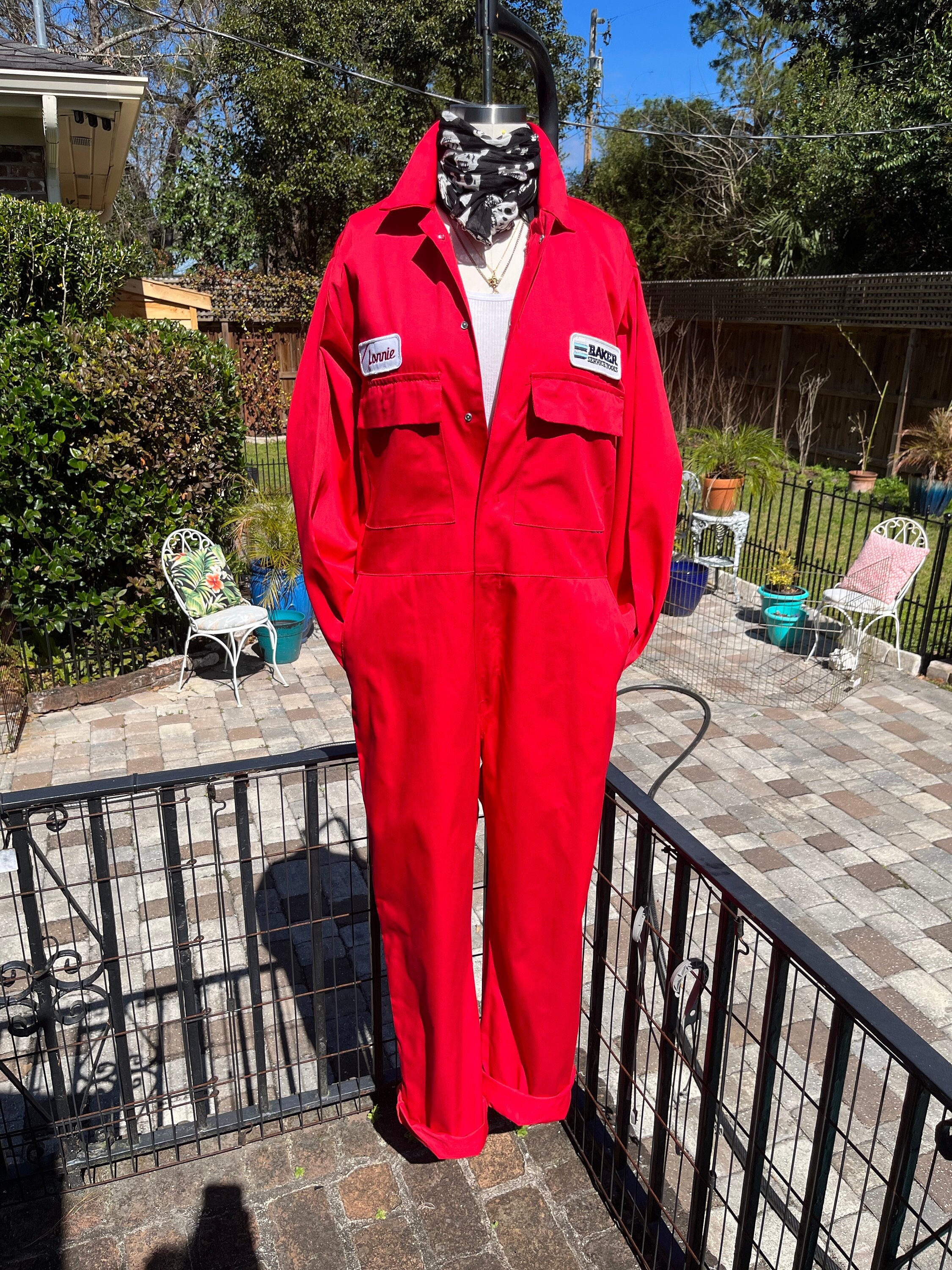
Reinforced Stitching for Durability
Features such as reinforced stitching, breathable fabrics, and ergonomic cuts help define the best coveralls for mechanics . These elements ensure durability and comfort during demanding mechanical tasks. Brands like Dickies and Colossus use reinforced stitching to extend garment life.
Multiple Pockets for Efficiency
Practical pocket layouts help keep essential tools within reach. Look for chest pockets, sleeve pockets, knee pad pockets, and rule pockets. Models such as the Portwest C802 include multiple pockets to reduce unnecessary trips to the toolbox.
Ventilation and Breathable Fabrics
In hot workshops or outdoor settings, breathable fabrics make a major difference. Polycotton blends, mesh panels, or moisture-wicking materials help increase airflow and keep workers cool and dry during long shifts.
Elastic Waist and Ergonomic Cuts
Elastic waists, articulated knees, and ergonomic cuts improve freedom of movement and reduce fabric bunching. Designs from Regatta Professional or JCB Trade offer better flexibility for bending, reaching, and working in tight spaces.
Waterproof and Protective Materials
Water-repellent or waterproof fabrics protect against spills, fluids, or wet environments. For short-term or very messy work, disposable waterproof coveralls offer simple, full-coverage protection.
Safety Enhancements
High-visibility stripes or reflective details improve safety in low-light areas or roadside environments. These features help increase visibility to drivers, coworkers, and equipment operators.
Additional Useful Features
Knee pad pockets for extended kneeling
Action-back designs for better overhead mobility
Abrasion-resistant polycotton for added strength
Flame-resistant options for spark or heat exposure
Choosing mechanic coveralls with the right combination of these features helps ensure proper protection, comfort, and performance across various work conditions.
Best Coveralls for Different Needs
Choosing the best mechanic coveralls depends on your work environment, climate, and daily tasks. Different styles offer specific advantages to help keep you comfortable, protected, and efficient throughout the day.
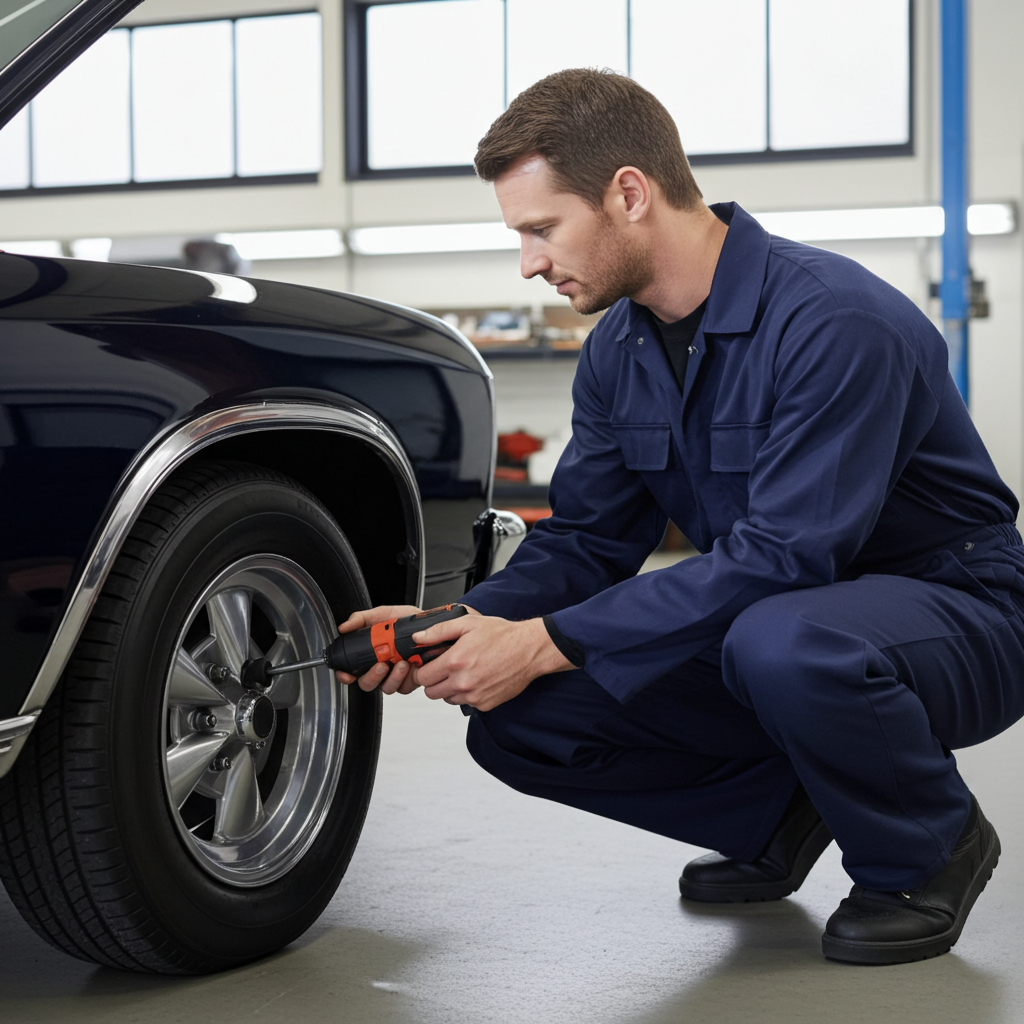
Best Coveralls for Hot Climates
Lightweight, breathable coveralls made from cotton or polycotton blends are ideal for hot workshops or outdoor work. These fabrics improve airflow and help reduce heat buildup.
Red Kap Performance Plus Lightweight Coverall
Ventilation panels and moisture-wicking fabric enhance comfort in high-temperature environments.
Portwest C802 Standard Coveralls
Includes UPF 40+ sun protection and a half-elastic waist, suitable for long hours in warm conditions.
Big Bill® Super Lightweight Coveralls / Portwest S996 Short Sleeve Coverall
Lightweight designs with concealed zippers and anti-static properties for added safety.
Best Coveralls for Cold Weather
Insulated coveralls provide warmth without restricting movement. Look for durable shells and quality insulation.
Carhartt Yukon Extremes Insulated Coverall
Features 150g 3M™ Thinsulate™, a tough Cordura® shell, water-repellent finish, and full-length side zippers.
Big Bill® Hi-Vis Ultrasoft Insulated FR Coverall
Combines insulation with high-visibility features for winter outdoor jobs.
Best Budget Coveralls for Mechanics
Affordable options can still offer durability and comfort for everyday work.
Portwest C802 Standard Coveralls
Durable polycotton blend, five pockets, UPF 40+ protection, and a half-elastic waist—solid value for daily tasks.
Best Coveralls for High-Visibility Work
For roadside work or low-light conditions, reflective and bright-color coveralls enhance safety.
Big Bill® Hi-Vis FR Work Coverall (ANSI Class 3)
Provides flame resistance and strong reflective striping.
Big Bill® Westex Ultrasoft® Hi-Vis FR Coverall
Offers enhanced visibility and FR protection for hazardous areas.
Best Coveralls for Durability and Heavy Use
For demanding tasks, reinforced stitching and rugged fabrics are essential.
Blaklader 6166 Industry Overall Stretch
Made with a cotton-stretch blend for durability and flexibility.
Mascot Akron Boilersuit Kneepad
Triple-stitched seams and reinforced knees make it suitable for heavy-duty use and industrial laundering.
Some specialized environments—such as military repair units or field maintenance—may require army mechanic coveralls , which offer reinforced durability, flame resistance, and tactical-grade protection for harsher conditions.
Choosing coveralls suited to your specific work conditions ensures better comfort, improved safety, and higher productivity throughout your workday.
Sizing and Fit Guide
Choosing the correct size for mechanic coveralls ensures comfort, mobility, and safety. Accurate measurements help prevent issues like tightness, snagging, or excess fabric that can interfere with work.
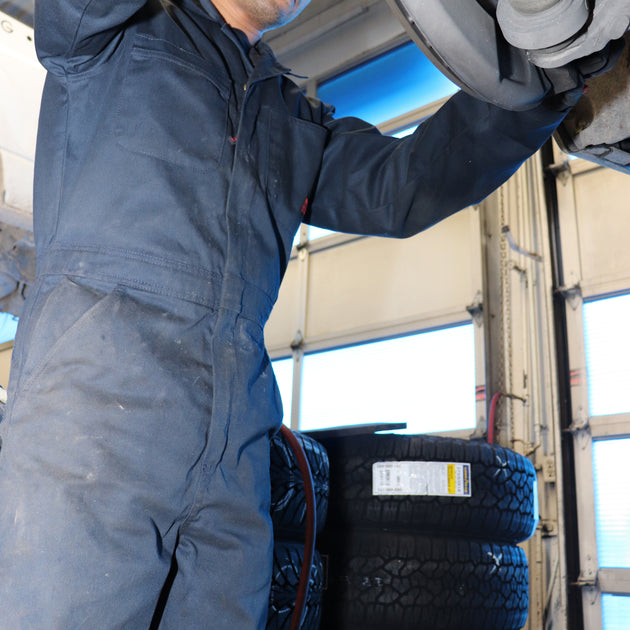
How to Measure for Coveralls
Chest:
Measure around the fullest part of the chest, under the arms, with the tape snug but not tight.
Waist:
Measure around the natural waistline, usually just above the hips.
Inseam:
Measure from the crotch to the ankle to avoid dragging or riding up.
Torso Length:
Measure from the base of the neck to the crotch—important for one-piece coveralls to ensure a comfortable vertical fit.
Sleeve Length:
Some brands measure from the center back of the neck to the wrist. Follow brand guidelines when applicable.
Sizing Examples and Options
| Size | Chest (cm) | Waist (cm) | Inseam (cm) | Height (cm) |
|---|---|---|---|---|
| Small | 88–92 | 76–80 | 74–76 | 160–170 |
| Medium | 96–100 | 84–88 | 78–80 | 170–180 |
| Large | 104–108 | 92–96 | 82–84 | 180–190 |
| XL | 112–116 | 100–104 | 86–88 | 190–200 |
Short, tall, and extra-tall sizes adjust torso length to fit different body proportions more accurately.
Tips for Best Fit and Comfort
Add 5–10 cm to the chest and waist if wearing thick layers underneath.
Size up if your work involves frequent bending, stretching, or overhead reach.
Choose tall sizes if your torso measurement is longer than average.
Avoid overly loose coveralls to reduce the risk of fabric snagging on tools or machinery.
Example
A mechanic with a 104 cm chest, 90 cm waist, and 180 cm height will generally fit a Large. If their torso is longer than average, a Large Tall offers a more comfortable fit.
Always check the brand-specific size chart, as sizing and fit can vary between manufacturers.
Maintenance and Care Tips
Proper maintenance helps mechanic coveralls last longer and maintain their protective performance. A consistent cleaning routine preserves fabric strength, color, and safety features.
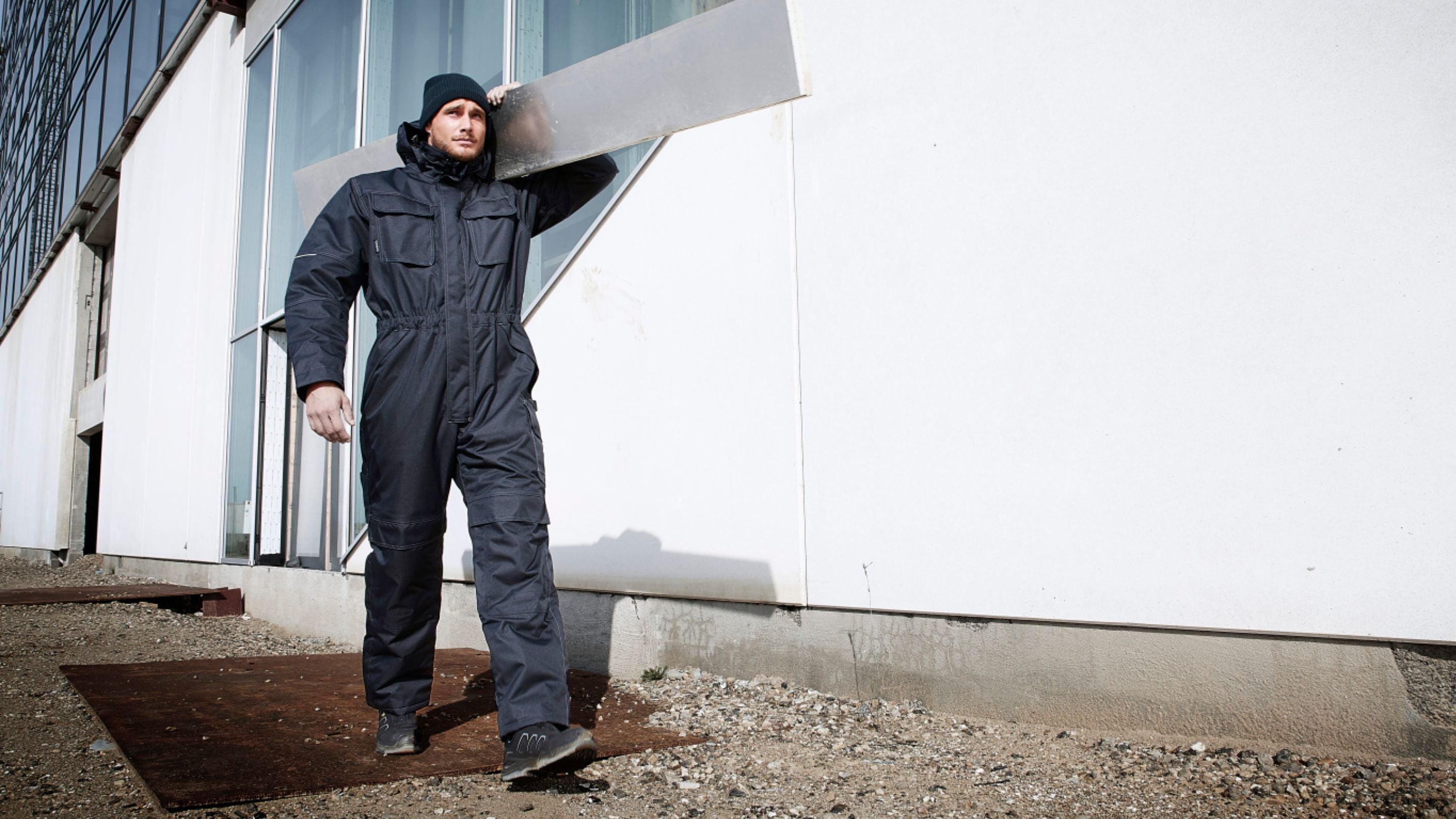
Essential Cleaning Steps
Regular washing:
Use a heavy-duty cycle with hot water and industrial detergent to remove grease and oil.
Pre-treat stains:
Apply stain remover or degreaser for at least 15 minutes.
Scrub oil stains with baking soda paste or dish soap.
For heavy black grease, use dish soap first, then follow with Marseille soap, diluted lemon solution, and vinegar.
Pre-soak heavily soiled coveralls in OxiClean or Dawn before washing.
Wash separately:
Keep coveralls away from regular clothing to prevent grease transfer. Sort colors properly to avoid dye bleeding.
Do’s and Don’ts
Do:
Air-dry coveralls to protect the fabric and avoid setting stains.
Don’t:
Avoid fabric softeners, bleach, or peroxide—they weaken fibers.
Avoid starch or DEET on flame-resistant (FR) coveralls; always use approved FR repair materials.
Storage and Repairs
Proper storage:
Hang clean and dry coveralls to prevent wrinkles and mildew.
Routine inspections:
Repair small rips (under 3 inches) and patch small holes promptly, using FR thread for flame-resistant garments.
Rotation:
Rotate between multiple pairs to reduce wear and extend overall lifespan.
Additional Tips
Reapply water-repellent treatments when needed, especially for waterproof styles.
Use baking soda and vinegar rinses—or professional cleaners—to remove fuel or hydrocarbon odors.
Regular care ensures mechanic coveralls stay protective, comfortable, and durable over the long term.
Mechanic coveralls do more than keep you clean—they protect you from heat, chemicals, sharp surfaces, and everyday wear in the workshop. Choosing the right material, features, and fit can greatly improve your comfort, mobility, and safety on the job. Whether you work in hot conditions, cold weather, or high-risk environments, the right coveralls help you stay focused and productive. Investing in quality gear simply means working smarter—and safer—every day.