
Half face masks cover nose and mouth, good for sanding or painting. Full face masks protect eyes and face, handle chemicals and high contaminants. Choosing isn’t just budget—consider comfort, safety, and long-term value. Whether for a pro workshop, home project, or team PPE, pick the mask that fits your hazard, not just your face.
What Are Half Face Masks and Full Face Masks?
Respiratory protection equipment falls into two main types based on what they cover.
Half-face respirators seal around your nose and mouth. Your eyes stay exposed. They guard your breathing passages while keeping your field of vision clear. The market offers two types: disposable dust masks that trap larger particles, and elastomeric masks with replaceable filter cartridges that you swap out when needed.
Full-face respirators work differently. They cover your entire face—eyes, nose, and mouth—behind a clear shield. The elastomeric full facepiece acts like a half-mask but adds eye protection through a transparent face shield.
Coverage Creates the Core Split
Coverage difference drives everything else. Half-masks protect your breathing system from airborne threats. They block dust, dirt, fiber particles, and minor splashes. They work best in low-to-moderate dust or fume exposure.
Full face masks protect your breathing system and your eyes at the same time. They defend against particles, gases, vapors, liquid splashes, and irritating fumes. No facial skin exposure means less risk of chemical irritation. Their stronger, thicker air filters block more dangerous chemicals, particles, toxins, and vapors than half-masks can.
This goes beyond just adding eye protection. Sealing makes the real difference. Full face masks seal around your entire face edge, not just the nose-and-mouth area. This creates a better barrier against contaminated air sneaking past the mask edges.
Coverage and Structural Differences (Protection Scope Comparison)
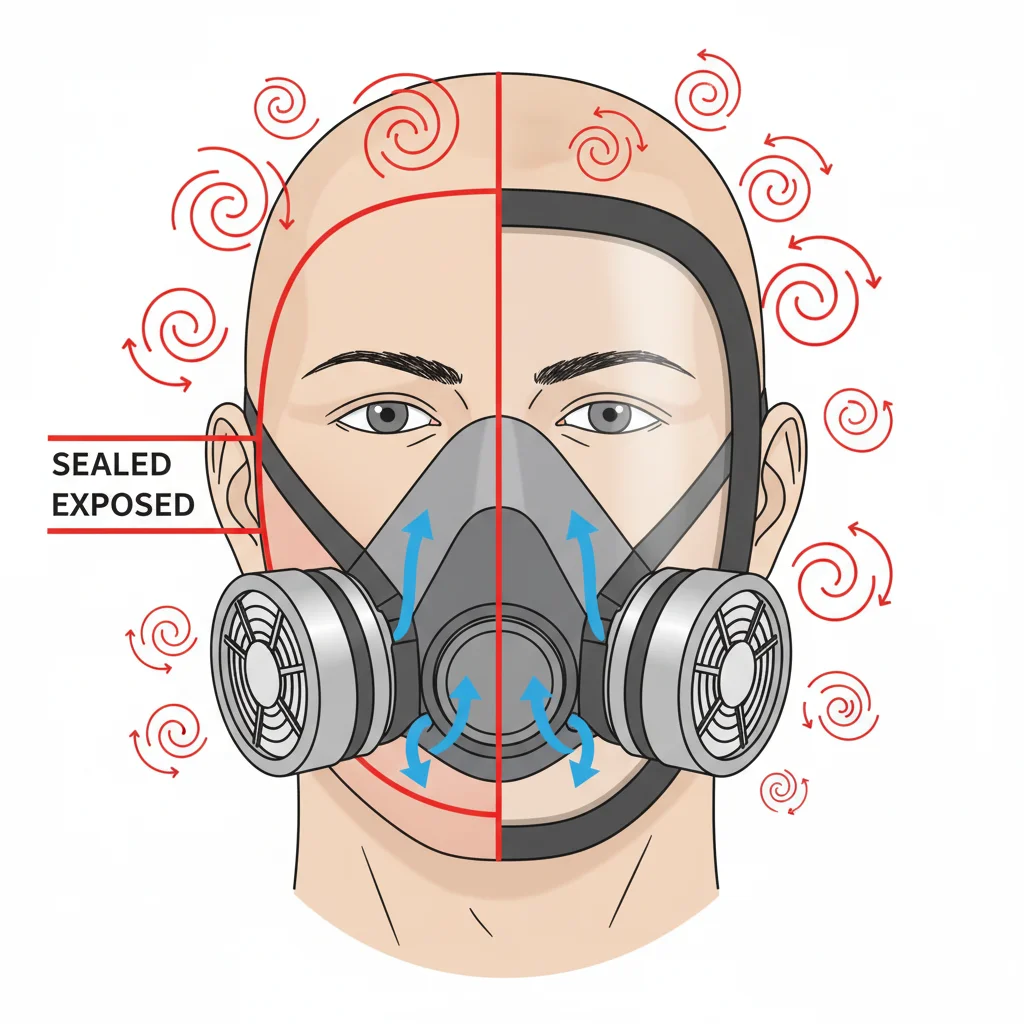 The face seal decides what stays out and what gets through. Half-face respirators seal tight from your nose bridge down to below your chin. Air flows through the cartridge filters before you breathe it in. Your eyes, forehead, and upper face stay exposed to whatever’s floating in the air.
Full face masks extend that protection zone. The seal runs along your entire face. It crosses your forehead, down past your temples, under your jaw, and back up the other side. The clear visor becomes part of your breathing chamber. Nothing touches your facial skin. Nothing reaches your eyes unless it comes through those filter cartridges first.
The Hard Line Between Breathing Protection and Total Face Protection
Here’s what this structural difference means on the job:
Half-face masks handle:
– Wood dust from sanding or cutting
– Metal grinding particles
– Paint overspray (non-toxic types)
– Construction dust and debris
– Light chemical vapors (depends on cartridge type)
Full face masks handle everything above, plus:
– Chemical splashes that could burn or irritate skin
– Toxic vapors at higher levels
– Environments where eye irritation can be dangerous
– Fine mists or aerosols that stick to skin on contact
– Jobs needing both NIOSH-approved respiratory protection and ANSI Z87.1 eye protection in one piece of gear
The coverage gap shows up fast in spray painting jobs. Half-mask wearers still need separate safety goggles. Full face mask wearers already have impact-resistant eye shields built in. Same goes for anyone working with acids, caustic cleaners, or agricultural chemicals. The liquid droplets don’t care about your breathing. They’ll burn whatever skin they touch.
Seal Quality Drives Real Protection
Full face masks create negative pressure inside the facepiece. You inhale, and that wider seal spreads the suction force across more surface area. Less chance of bad air sneaking past a loose spot. Half-masks push that same negative pressure on a smaller seal zone around your nose and mouth. Facial hair, movement, or talking can break the seal faster.
The structural design also affects fit testing rules. OSHA requires annual fit testing for both types in most industrial settings. But full face masks often achieve higher fit factors . That’s the ratio of outside contaminant level to inside level. A half-mask might hit a fit factor of 100. A full face mask can reach 500 or higher. That number means the difference between 1% leakage and 0.2% leakage. Small percentages matter with very toxic substances.
Protection Level Comparison (APF and Safety Performance)
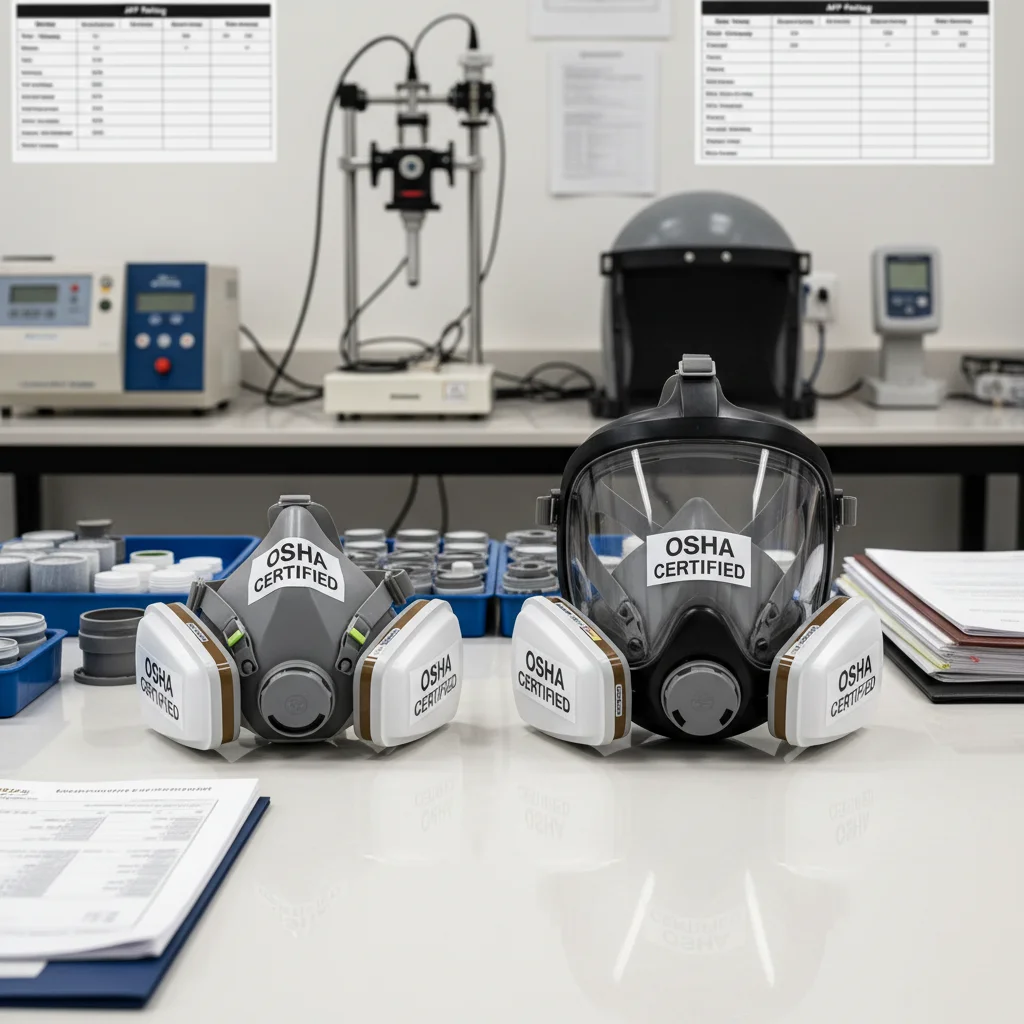 OSHA assigns each respirator type an Assigned Protection Factor (APF) . This number shows the maximum contamination level the mask can handle. Think of it as the respirator’s official strength rating.
Half-face masks earn an APF of 10 . They reduce your exposure to airborne contaminants by a factor of 10. The air around you has 100 particles per cubic meter? You’ll breathe in no more than 10 particles. This rating covers both disposable filtering facepieces (like N95s) and reusable elastomeric half-masks with replaceable cartridges.
Full face masks jump to APF 1,000 with power. A powered air-purifying respirator (PAPR) with a full facepiece handles contamination levels 1,000 times higher than what you’d breathe without protection. The same full facepiece on a loose-fitting PAPR drops to APF 25. That still beats the half-mask rating by 2.5x.
Real Performance Data Shows the Gap
Lab testing reveals what these numbers mean in practice. Research measured Simulated Workplace Protection Factors (SWPF) . The study compared N95 and P100 filters on both disposable and elastomeric masks.
N95 filtering facepieces showed geometric mean protection factors around 110-114. Not bad—that’s 10x better than OSHA’s minimum APF requirement. But 13-20% of test samples fell below a protection factor of 50. Against ultra-fine nanoparticles (40-200 nanometers), some N95 models dropped below the APF 10 threshold.
P100 filtering facepieces crushed those numbers. Geometric means hit 4,571 to 9,420—up to 10 times higher than N95s. The 5th percentile protection factor stayed above 100. Just 1.4% of samples fell below 10, compared to 0% for most P100 models tested.
Elastomeric half-masks with P100 cartridges performed better. Fifth percentile values reached 1,598 to 2,344—over 100 times the minimum APF. N95 elastomeric masks scored 41 to 111. They cleared OSHA’s APF 10 bar but nowhere near P100 performance.
Workplace Reality Hits Different
Lab numbers look clean. Workplace data gets messy. Studies tracked actual worker protection. About 30% of half-mask users got protection factors at or below 100 during real tasks. Physical activity breaks the seal. Talking loosens the fit. Sweat makes the mask slip.
Full face masks keep tighter seals under the same conditions. That wider face gasket spreads pressure across more area. More surface contact means fewer leak points. You move, bend, or talk on the job—the seal holds.
European safety standards set higher APFs for powered respirators—400 to 500 for some models. They acknowledge workplace variability but still set these numbers. The research backs up this confidence. Full-face PAPRs beat half-masks in field testing. Workers push the equipment hard, and these respirators still deliver.
Comfort, Wearability, and User Experience (Long-Term Use)
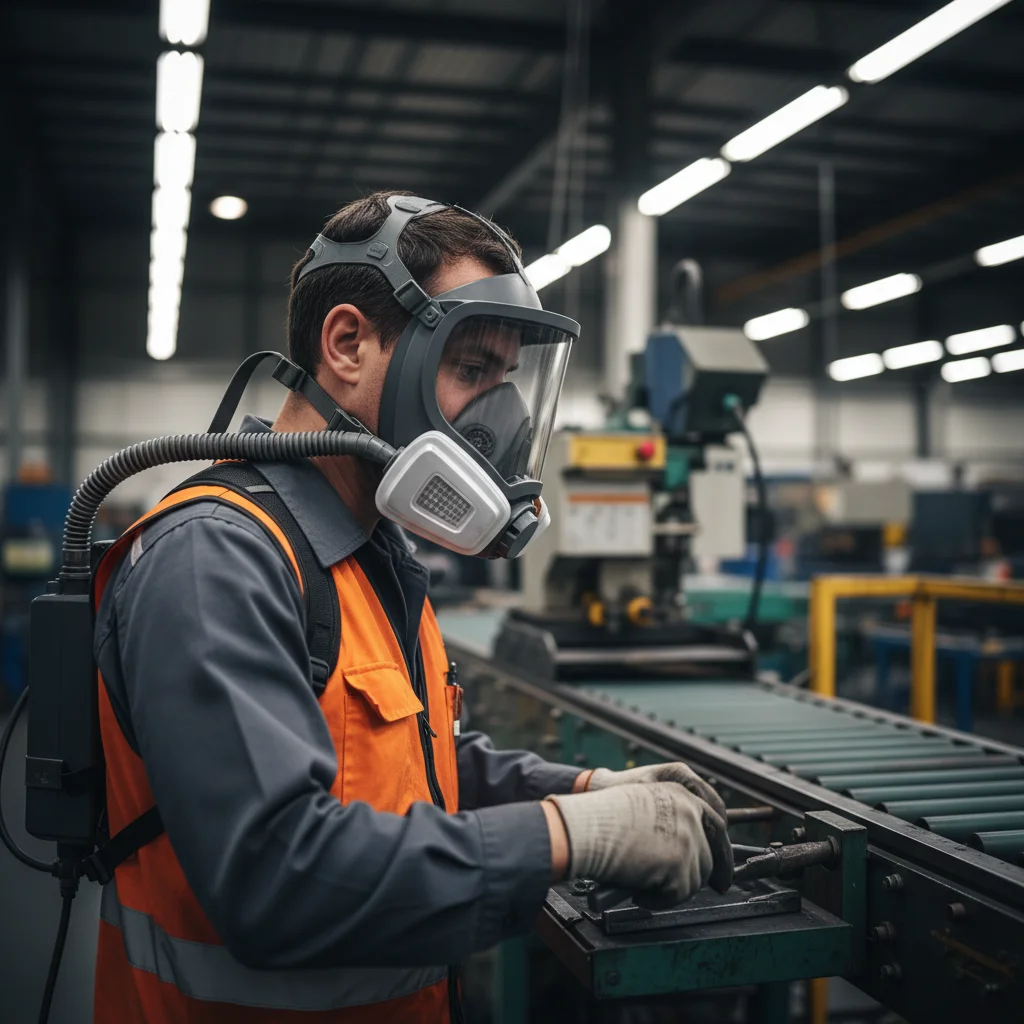 Your face bears that weight all day. Price is a factor, of course. But comfort is the real reason you keep protective gear on.
Half-face masks act as the lighter choice. They weigh 200–500 grams with everything attached. Your forehead stays open. This gives you a better side view and fits safety glasses easily. Be careful with long shifts, though. The bridge digs into your nose. Plus, talking makes the mask slip, so you have to move it back in place often.
Full-face respirators add bulk. Expect weights from 600 to over 1,000 grams. That mass presses on your forehead, temples, and jaw. The sealed chamber traps heat and dampness, too. The lens fogs up, and you sweat hard. These physical pains make people quit. In 2023, 17% of users gave up. Some studies even show a 50% drop rate after just one year.
The Reality of Daily Use
Usage varies a lot between the two. You’ll find half-masks fit right away. Full-face models need practice. You must position your chin and tighten the harness just right for a safe seal. Talking brings another challenge. The voice port on a full mask makes speech harder than a half-mask does.
Experienced users use practical tricks to handle the strain:
- Half-Mask Strategy: Swap between two units. This lets the rubber gaskets dry out between shifts. Also, change head straps every 3–4 months. It keeps tension right without overtightening.
- Full-Mask Strategy: Wipe anti-fog treatments on the inside of the visor. Upgrade your head harness while you’re at it. Six-point adjustments spread the weight better than the standard four-point ones.
The comfort difference never disappears, but you get used to it. The first week feels awkward. Stick with it. Most regular users stop feeling the weight after about 18 months. It just becomes part of the job.
Filter and Cartridge Compatibility (Selection Essentials)
Cartridges aren’t universal batteries. You can’t just plug in whatever fits. Match specific filter media to your environment. A wrong choices risks breathing contaminated air. The hazards will pass right through the filter.
Match the Threat to the Filter
- Particulate Filters: These handle solids. N-series stop non-oil dust. P-series handle both oil and non-oil. The number (95 or 100) indicates efficiency. N95 stops 95% of particles. P100 stops 99.97%.
- Gas & Vapor Cartridges: Carbon inside traps specific chemicals. Organic vapor blocks paint and solvents. Acid gas targets chlorine. Multi-gas options exist. They work well but weigh more and cost more.
- Combination Cartridges: Great for complex jobs like spray painting. They stack a particulate pre-filter on top of a carbon layer. The top catches overspray. The bottom traps fumes.
Lifespan and Flow Realities
Chemicals and moisture break filters down fast. Gas cartridges seldom show visual wear. So, stick to OSHA schedules. Smell or taste chemicals? Swap the cartridge right away. Check breathing resistance for particulate filters. Keep filters until it gets hard to pull air in. That typically happens after 40–80 hours. Then toss them.
Physical exertion changes the math. Climbing ladders or lifting heavy loads? This doubles your breathing rate. Pick pleated cartridges here. You get more surface area than depth filters. This keeps airflow manageable. You won’t gasp inside the mask. Depth filters cost less and handle waxy dirt well. But they clog faster under heavy strain.
Compatibility and Ratings
Brand ecosystems are closed. 3M filters won’t fit MSA masks. Stick to one brand. It simplifies inventory. Watch the retention ratings too. Absolute ratings (99.98% capture) are mandatory for critical toxic work. Nominal ratings (85% capture) work for general construction. Dealing with heavy debris? Add a coarse pre-filter (30-50 microns). This extends the life of your expensive fine filters.
Cost Comparison and Total Ownership Cost
Sticker shock hits when you compare respirator prices side by side. Half-face masks start at $25-40 for basic models. Full face masks jump to $150-400. But that upfront number hides the real money you’ll spend.
Total Cost of Ownership (TCO) shows what you spend over the respirator’s life. The formula is simple: Initial cost + Maintenance costs – Residual value = TCO . Maintenance includes filter changes, cleaning supplies, fit testing fees, and lost time from gear failures.
The Math Behind Multi-Year Ownership
Run a half-face elastomeric mask through a 3-year cycle:
- Purchase : $35 (one-time)
- P100 cartridge pairs : $18 × 26 replacements = $468
- Cleaning wipes : $12 × 12 boxes = $144
- Annual fit testing : $75 × 3 = $225
- = TCO : $872
Compare that to a full face mask over the same period:
- Purchase : $280 (one-time)
- P100 cartridge pairs : $32 × 26 replacements = $832
- Face shield replacements : $45 × 2 = $90
- Cleaning supplies : $15 × 12 = $180
- Annual fit testing : $75 × 3 = $225
- – Residual value : $80 (higher resale)
- = TCO : $1,527
The full face mask costs $655 more over three years. But that premium buys eye protection worth $120-200. You won’t need separate safety goggles. It gives higher APF ratings. This might prevent medical costs from exposure incidents. OSHA mandates full-face protection in chemical environments. Cost comparison doesn’t matter there—you buy what compliance requires or you don’t work.
Hidden Costs That Shift the Calculation
Downtime destroys budgets faster than purchase prices. A construction crew stops work. Someone’s half-mask seal failed during asbestos abatement. The delay costs $500-1,000 per hour in idle labor and missed deadlines. That single incident erases all savings from choosing cheaper respiratory protection.
Full-face respirators cut downtime risk. The seal stays reliable. Cartridges last longer. The wider face gasket holds position during physical work. Combination cartridges handle multiple contaminants. No mid-shift swapping needed. These factors don’t show up on price tags. But they show up in productivity numbers.
Training time adds indirect costs. Half- masks take 10-15 minutes to teach. Cover proper donning and seal checks. Full-face respirators need 25-35 minutes. You cover visor care, voice diaphragm function, and emergency removal. Do the math by team size. A 20-person crew costs an extra 6-7 hours of training labor for full-face models. That’s $150-350 in wages before anyone starts working.
Smart buyers track TCO in spreadsheets. Log every cartridge purchase. Log every fit test. Log every hour of gear-related downtime. After 6-12 months, patterns emerge. Your team might replace half-mask cartridges twice as often as manufacturers estimate. Heavy dust levels cause this. Full-face respirators might last five years instead of three. Clean, controlled work environments extend their life. Real data beats manufacturer estimates every time.
Typical Use Cases and Industry Applications
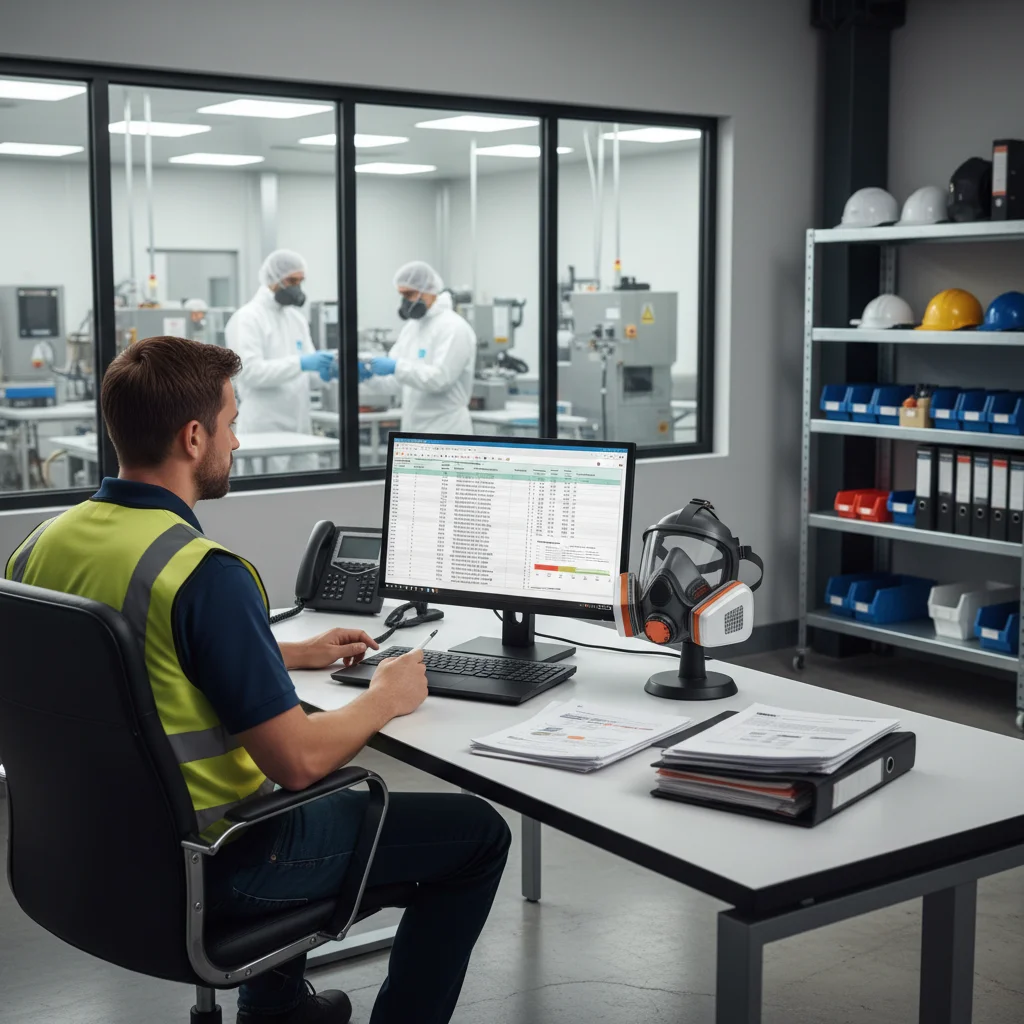 Chemical plants run on strict protocols. One breach of containment means workers face burns, respiratory damage, or worse. Full face masks with combination cartridges are the go-to here. Pharmaceutical manufacturing has the same needs. Cross-contamination can ruin entire production batches. It also sickens workers who handle active ingredients.
Spray painting operations use different respirator types. Coating toxicity determines which one. Automotive body shops spray solvent-based clear coats. These shops need full face protection. The EPA and OSHA classify those vapor levels as dangerous to health (IDLH) at high exposure. Furniture makers face different conditions. They apply water-based stains in well-ventilated shops. Half-masks with organic vapor cartridges work fine there.
Construction and Demolition: Dust Level Determines Protection
Asbestos abatement teams always wear full face respirators. Period. OSHA ‘s 29 CFR 1926.1101 requires this. The cancer risk from breathing asbestos fibers is too high. No shortcuts allowed. Lead paint removal follows the same rules. Dust samples showing lead above 2.5 micrograms per cubic meter trigger a requirement. You need full face gear at that point.
General construction dust poses less risk. Concrete cutting or drywall sanding creates this dust. Half-mask respirators with P100 filters handle silica dust during typical 8-hour shifts. Demolition work is different. Old insulation gets disturbed. Mystery chemicals from decades-old spills kick up into the air. Smart contractors choose full face protection for this work.
Welding creates metal fumes. These fumes irritate eyes and lungs at the same time. MIG and TIG welders often use half-masks with separate welding helmets. This setup works well. Then they switch to flux-core arc welding. Those thick smoke clouds need more protection. Full face respirators with specialized welding hoods built into the facepiece become necessary.
Agriculture Chemicals Meet Strict Application Standards
Pesticide applicators face tight respiratory protection rules. These are some of the strictest outside industrial settings. The EPA’s Worker Protection Standard sets clear equipment needs. Pesticide toxicity ratings determine the requirements. Restricted-use pesticides like paraquat or methyl bromide require full face respirators. This applies during mixing and application.
Crop dusting operations expose pilots to concentrated chemicals. Enclosed cockpits trap these chemicals. Pilots wear full face PAPRs rated for agricultural chemicals. Ground crews mixing tank loads follow the same requirement. The liquid concentrate splashes. The vapors rise. Both exposure routes happen at once.
Greenhouse workers spray fungicides or insecticides. Their protection levels change throughout the year. Light maintenance spraying of broad-spectrum products allows half-mask use. Fogging entire greenhouse bays with systemic pesticides requires an upgrade. Full face gear becomes the standard for that task.
How to Choose Between Half Face Masks and Full Face Masks?
 Ignore the budget for a moment. Focus on the hazard. What is trying to hurt you? That answer picks your gear, not your wallet.
The 3-Step Evaluation Framework
1. Are your eyes at risk?
Dealing with chemical splashes, corrosive mists, or flying debris? You need a Full Face mask. You get built-in eye protection and a tighter safety seal (Fit Factor ≥500). No eye hazards present? Maybe you use separate goggles. A Half Mask works fine for most dusts and vapors.
2. How toxic is the environment?
High toxicity needs a rock-solid seal. Full face respirators spread pressure across your forehead and jaw. This creates much higher fit factors. Half masks offer a weaker seal (Fit Factor ~100). They often slip during active work.
3. Can you handle the bulk?
Full face masks weigh more (often 600g+) and trap heat. Half masks feel lighter (200-350g) and cooler. But don’t swap safety for comfort. A comfortable mask that leaks helps no one.
Quick Decision Matrix
- Go Half-Face If: Dust levels stay low. You have separate eye protection. You need better side vision or must talk often.
- Go Full-Face If: You face chemical vapors, eye irritants, or splash hazards. Your job might demand a high Fit Factor (>500). Dual NIOSH/ANSI compliance also makes this mandatory.
Testing and Reality Checks
Don’t guess—measure. Face shapes differ a lot (a 3mm nose difference changes everything). A “felt” seal lacks reliability. Get Quantitative Fit Testing (QNFT) done every year. Check again after big physical changes like weight loss or dental work.
Upgrading Your Gear: Skip the makeshift fixes. Double-masking might help with basic dust. But it gives zero protection against chemicals. Hazards changed? Eyes irritated? Switch to full-face protection right away. Adapting keeps you safe.
Conclusion
Half face and full face masks address different risk levels. Dust and light fumes suit half masks, while chemicals, splashes, and high toxicity require full face protection. Always match the respirator to the hazard, not comfort or price.
Need wholesale respirators or masks? Contact us at inquiry@morntrip.com for bulk supply and professional support.