
I’ve lost count of how many N95 masks I’ve bought in a month. They don’t last long, and the cost keeps adding up. Then I started hearing about reusable ones that promise better value. But are they really worth it? In this post, I’ll break down the truth about disposable vs reusable N95 Masks, comparing cost, protection, and hygiene to help you pick the smarter option.
Protection Effectiveness: How Well Do Disposable vs Reusable N95 Masks Work?
I’ve tested both disposable N95 masks and reusable N95 masks for protection. Both types filter at least 95% of airborne particles. This includes viruses, dust, and other harmful materials. I recommend understanding this high filtration rate if you work in healthcare or high-risk environments.
Disposable N95 Masks: Strengths and Weaknesses
High Initial Filtration : Disposable N95 masks achieve at least 95% filtration when new. I like this strong starting performance.
Performance Declines with Reuse : Based on my experience reviewing the data:
- By day 3 of use, 33.3% of disposable masks failed fit tests.
- By day 5 or later, 50% failed. This shows a fast drop in effectiveness.
Fit Reliability : Don’t trust your own judgment about mask fit. It can mislead you. Personal checks catch actual fit failures just 33.3% of the time.
Practical Use : Hospitals favor disposables for quick, single-use protection. They reduce cross-contamination risk. But you must replace them often to stay protected.
.jpg)
Reusable N95 Masks: Steady and Custom Protection
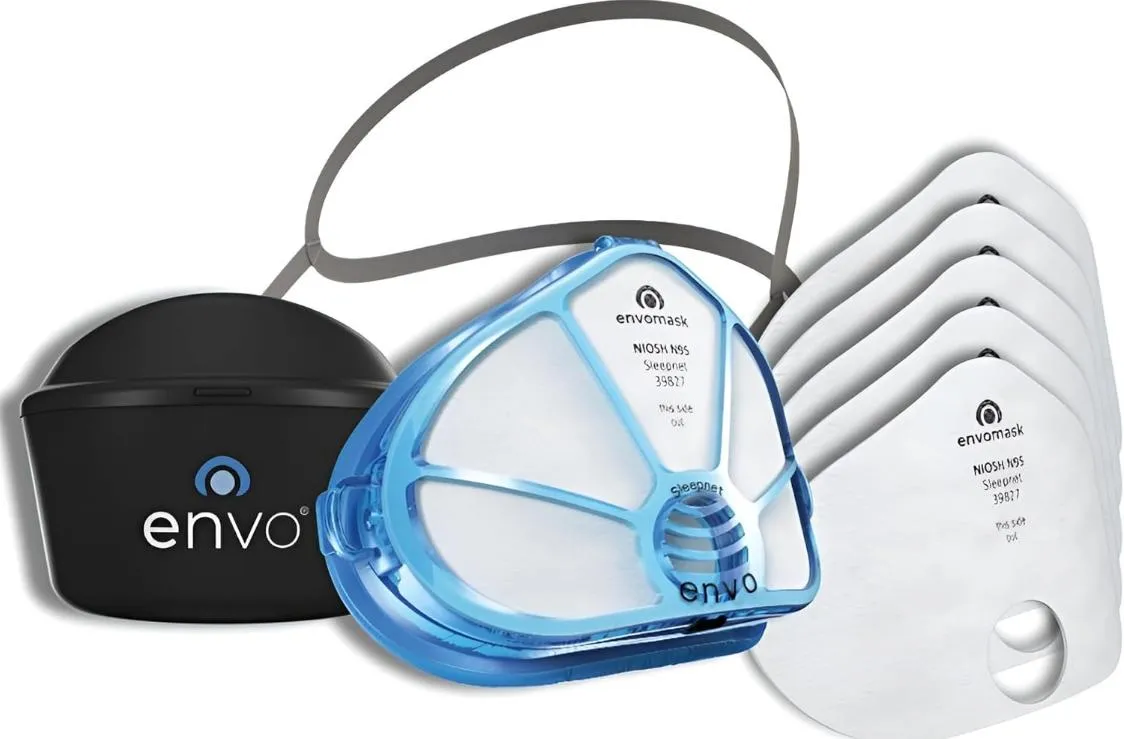
Comparable Filtration : I suggest using reusable N95 masks with new filters. They match the 95% efficiency of disposables.
Long-Term Use : These masks last up to a year. You need routine maintenance and filter changes.
Fit and Comfort : Reusable options let you make personal adjustments. This makes them more comfortable. Based on my experience, you’ll wear them more often over long periods.
Use Cases : I recommend reusables for agriculture and tough workplaces. They handle frequent use and rough conditions. They keep their protective quality if you care for them properly.
Key Data Table: Comparing Protection and Use
| Feature | Disposable N95 Masks | Reusable N95 Masks |
|---|---|---|
| Protection Efficiency | 95% (new) | 95% (with new filters) |
| Failure Rate Over Time | 33.3% fail by day 3, 50% by day 5+ | Low, with proper filter replacement |
| Fit & Comfort | Less customizable | Adjustable for improved comfort |
| Typical Use Duration | A few days | Up to a year (with maintenance) |
Real-World Applications
Healthcare: I’ve seen hospitals prefer disposable masks for high-turnover, short-use scenarios. They work well for quick changes between patients.
Agriculture & Industry: Workers value reusable masks for durability. They offer extended protection in challenging settings. I suggest these for long-term use in demanding conditions.
Cost Comparison: Disposable vs Reusable N95 Masks
I recommend comparing the cost of disposable N95 masks to reusable N95 respirators. The difference shows up clearly over time.
Disposable N95 Masks :
Each mask costs around $0.50 to $1.
You can wear it once. Each time you need protection, you must use a new mask.
Over 6 months of regular use, you need about 186 masks. This totals $93 to $186.
In major healthcare settings, workers use a disposable mask for every patient. This means billions of masks and billions in spending. One US healthcare model shows the need for 7.41 billion masks in 6 months. The cost? $6.38 billion.
Reusable N95 Masks :
The upfront cost is higher, at $5 to $10 per mask.
Each mask lasts for 6 months or even longer with regular care.
You can replace filters. Over time, this costs less than buying new masks every day.
For hospitals and clinics, the savings are huge. One model shows that giving healthcare workers reusable respirators and disposable filters cuts total costs to $1.24 billion over six months. That’s far below the cost of disposables.
Using reusable masks with filter cleaning brings costs down even more. Projected costs drop to $831 million—the lowest option available.
Savings and Environmental Impact
Based on my research, a manufacturer (Dentec) calculates up to 90% cost savings after switching from disposables to a reusable system with filters for a year.
Reusable masks also create up to 95% less waste within a year. This cuts both costs and environmental harm.
When Each Option Makes Sense
I suggest Disposable N95s for short-term, low-frequency use.
Reusable N95 respirators are my clear choice for long-term, routine use. They work best in demanding environments or large organizations. They cut ongoing costs and waste. In my experience, they’re smarter for sustained protection needs.
Environmental Impact of Disposable vs Reusable N95 Masks
I think the environmental impact is a key factor when you compare disposable and reusable N95 masks.
Medical Waste from Disposable Masks
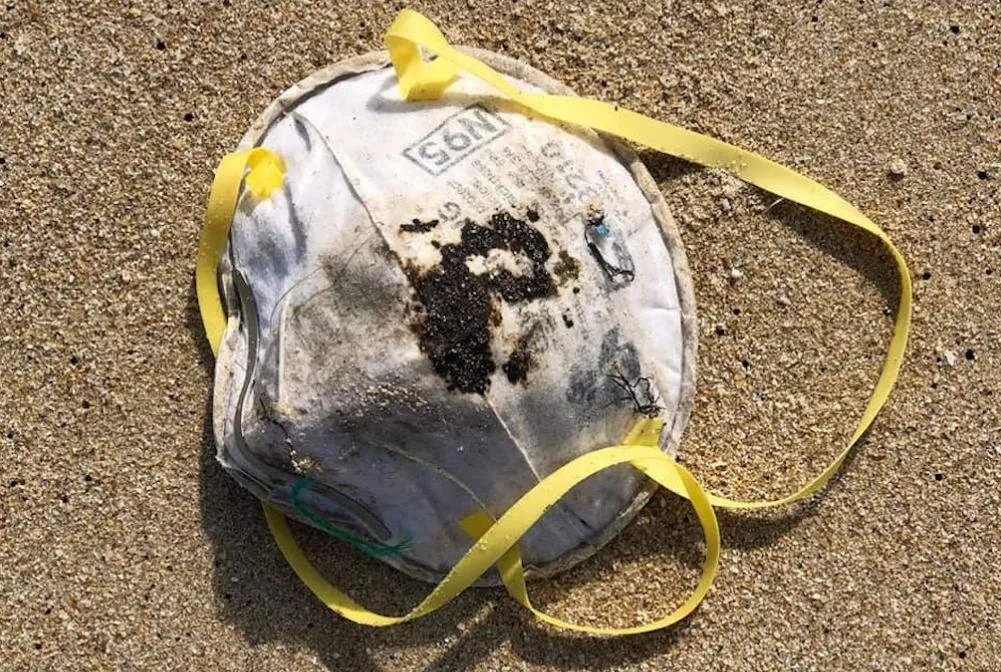
During the COVID-19 pandemic, up to 7,200 tons of medical waste were created per day. A large part of this is disposable mask s.
Single-use masks do not break down fast. They sit in landfills for years. This creates growing waste problems.
Waste Reduction with Reusable N95 Masks
You can clean and reuse N95 masks. This cuts medical waste by at least 75%. I compare this to tossing a mask after each patient visit.
Reusable silicone N95 masks offer even better waste cuts. If we make these easy to get, they could drop six months of mask waste to 1.6 million kilograms. That’s about the weight of five Boeing 747 airplanes.
Comparing Mask Materials and Environmental Impact
Reusable fabric masks made from synthetic materials create less harm than single-use masks over time. I’ve seen this proven in studies.
Synthetic masks last longer. You can reuse them more often. Making synthetic fibers uses more energy and resources than cotton. But you replace them less often. This balances out the impact over time.
Ongoing Innovation and Future Solutions
Companies and researchers create better reusable N95 masks. Silicone models are a great example. These fight both waste and wear issues.
The shift to more sustainable materials continues. I believe the goal is simple: combine strong protection with low environmental costs.
Key Takeaway
I recommend reusable N95 masks. Next-generation options like silicone models offer clear benefits. They cut waste and help the environment over time. Hospitals and workplaces should move from single-use to reusable mask systems. Based on my experience, this change shrinks your environmental footprint.
Practical Convenience: Disposable vs Reusable N95 Masks in Everyday Life
Which N95 mask type fits your routine? I suggest you weigh ease of use and maintenance needs.
Disposable N95 Masks: Ready-to-Use Simplicity
Instant Accessibility: Disposable N95 masks are ready for use straight out of the pack. No setup needed. No special storage. No cleaning.
One-Time Use, Easy Disposal: After wearing, remove the mask by the ear bands or loops. Avoid touching the mask’s front. Throw it away. This cuts contamination risk.
No Prep Needed: In high-traffic, fast-paced environments, disposables help you respond to changing needs fast. No downtime.
Broad Availability: You can find these masks in most home improvement stores, safety outlets, and online retailers. Restocking takes little effort.
Reusable N95 Masks: Routine Maintenance and Planning Required
Regular Cleaning is a Must: Before and after each use, reusable N95 respirators need thorough cleaning. This takes time. You’ll need proper cleaning products. That’s a big difference from disposables.
Less Immediate Readiness: Unlike disposables, reusables aren’t always ready to grab and go. You need to clean and dry them before storage. I recommend having extras on hand. One for the morning. One for later in the day. Another after lunch, for example.
Washing Routines Matter: For reusable cloth masks, machine washing with hot, soapy water is much easier than hand-washing. I like to wash them with my household laundry. Masks should be dry before you store them in a sealable bag. Use air or a clothes dryer.
Comfort, Size, and User Experience
- Weight and Bulk: Reusable respirators often weigh more and feel bulkier than disposables. This can mean some discomfort if worn for long periods.
- Fit and Comfort Adjustments: Reusable masks are heavier, yes. But they have adjustable straps and softer materials. Based on my experience, these features make them more comfortable for prolonged use.
- Cost Consideration: The initial price is higher. But reusable masks prove cost-effective over time. You don’t have to replace them after every use.
The convenience of grabbing a disposable N95 for quick, single-use needs is hard to beat. I like disposables for short tasks. But if you’re willing to invest time in maintenance for long-term savings and comfort, I recommend reusable options. Proper planning and hygiene are key to making reusables work in your routine.
Lifespan and Durability: How Long Do Disposable and Reusable N95 Masks Last?
I recommend thinking about lifespan and durability when you choose between disposable and reusable N95 masks.
Disposable N95 Masks: Limited Use and Short Durability
Shelf Life: Most disposable N95 masks last about 2 to 5 years if you keep them sealed and store them well.
Designed for Single Use: These masks work for one-time wear. Some healthcare rules allow short-term reuse if you disinfect them the right way.
Performance Over Time: Disposable N95s keep their high filtration power even after longer use—up to 40 hours of wear. But don’t wash them. Washing reduces their protection.
Expired Masks: Research shows that masks stored for 10 years lose around 1% of their filtration power. That’s minimal.
Environmental Impact: You throw them away after a single use or limited use. This creates more medical waste.
Reusable N95 Masks: Built for Multiple Uses and Longevity
Reusable Design: Clean and care for your reusable N95 masks. You can use them many times.
Usage Life: Replace your reusable N95 mask or its filter when it gets dirty or damaged. Also, replace it if breathing becomes hard.
Consistent Protection: These masks give you high performance. Make sure filters stay intact and the fit stays good.
Sustainability: I suggest using reusables if you care about waste. They reduce waste and help the environment over time.
Key Durability Data Table
| Feature | Disposable N95 Masks | Reusable N95 Masks |
|---|---|---|
| Shelf Life | 2–5 years | Multiple uses |
| Usage Life | Single/short-term use with possible disinfection | Until dirty or damaged |
| Performance | High for up to 40 hours (no washing) | High if you maintain them well |
| Waste Impact | High waste after each use | Lower waste with responsible reuse |
Your choice depends on your needs. Disposables offer quick, short-term protection and convenience. Reusables give you extended lifespan, steady performance, and a smaller environmental footprint. Based on my experience, I recommend reusables for long-term use.
Maintenance and Care: How to Maintain Disposable vs Reusable N95 Masks
Good maintenance affects how well N95 masks work. It also affects their cost. Let me show you how cleaning and care differ between disposable and reusable types.
Disposable N95 Masks: Low Maintenance, High Turnover
No Maintenance Required
Disposable N95 masks are for one-time use only. You don’t need to clean them. After wearing one, dispose of it right away. Put the used mask in a plastic bag. Throw it away. Wash your hands.
Cost Over Time
Each disposable face mask is cheap. But replacement costs add up fast. You dispose of them often. This means you spend more time than with disposable masks.
Reusable N95 Masks: Regular Cleaning and Fit Checks
Cleaning and Disinfection
Reusable N95 masks need regular cleaning. I recommend several disinfection methods:
- Vaporized Hydrogen Peroxide (VHP): This kills viruses well. It preserves filter strength.
- Dry Heat: Heat masks at 70°C (158°F) for 60 minutes. This kills viruses. It keeps 98.5% filtration efficiency. Good for up to 24 hours of mask use.
- Ultraviolet (UV) Light: Suitable for disinfection. You need proper UV equipment.
- Boiling or Steaming: Boiling water keeps filtration at 92.4%. Steam cleaning at 125°C (257°F) for 5 minutes works too. Filtration stays between 91.7% and 98.5%. Don’t steam too long. It may damage the mask.
Durability and Cost
Reusable masks cost more at first. They last much longer with proper care. I suggest regular maintenance. It makes them cost-effective over time.
Fit Testing
The fit of reusable masks can change over time. You need regular fit testing. This ensures your protection continues.
Key Maintenance Practices
- Check masks often for damage. Pay attention to elastic bands.
- Store masks in a cool, dry place.
- Train users on cleaning and disinfecting. Teach them to check identification marks and fit.
Comparison Table: Maintenance Approaches
| Aspect | Disposable N95 Masks | Reusable N95 Masks |
|---|---|---|
| Cleaning Needed | None (dispose after use) | Required after each use |
| Disinfection | Not applicable | VHP, dry heat, UV light, boiling |
| Durability | One-time use | Multiple use, regular inspection |
| User Training | Minimal | Essential for cleaning/fit checks |
| Storage | No special requirements | Cool, dry place |
Routine care is simple for disposables. Just throw them away. For reusable N95 masks, I recommend investing time in cleaning and checks. This gives you reliable protection. You also save money over time.
Best Use Scenarios: Disposable vs Reusable N95 Masks
You need to pick between disposable and reusable N95 masks. Your choice depends on your needs, your environment, and how much you care about sustainability. Here’s my breakdown:
Disposable N95 Masks: Healthcare and High-Risk Settings
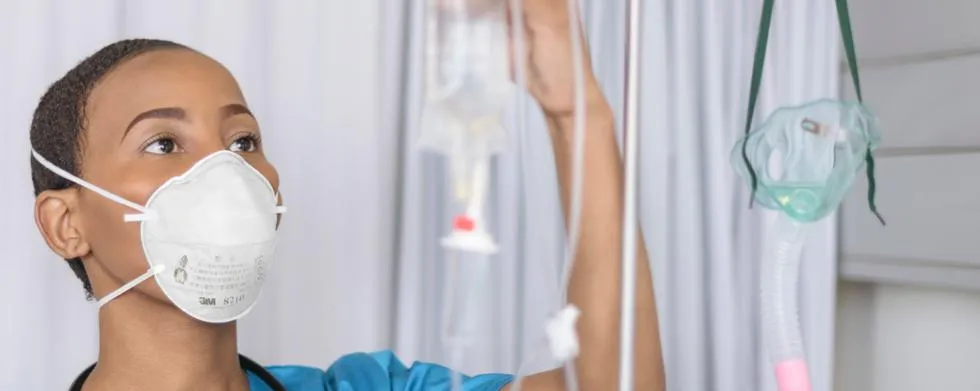
Best for strict infection control: I recommend disposable N95 respirators in hospitals and clinics. Use them during aerosol-generating procedures. Use them when treating patients with COVID-19, tuberculosis, or measles.
Single-use protocol: These masks are made to be thrown away after one use. Throw them away if exposed to blood or respiratory secretions.
Re-use guidelines (crisis situations): During emergency shortages, you may reuse disposable N95s up to five times. But inspect them for damage or contamination before each use.
Limitation: I don’t suggest repeated use in high-risk environments outside crises. The fit and filtration decline over time.
Reusable N95 and Cloth Masks: General Public and Lower-Risk Workplaces
Ideal for routine use: I like elastomeric reusable N95 masks or high-quality reusable cloth masks for the general public. Use them for commuting, shopping, and workplaces where aerosol-generating procedures are not performed.
Comfort for long wear: These masks are more breathable and comfortable for all-day use. They work better for an extended time in public spaces.
Cloth mask value: Well-fitted cloth masks with multiple synthetic layers meet most protection needs. I suggest using and washing them 10–20 times.
Limitation: I don’t recommend them in high-risk healthcare. They must meet the same filtration and fit standards as disposable N95s.
Conclusion
Both disposable and reusable N95 masks offer strong protection, but the smarter choice depends on how often you use them. Disposable N95s are simple and convenient for short-term or medical use, while reusable models save money, reduce waste, and last much longer. If you’re looking for bulk or custom-made disposable N95 masks for your business or healthcare needs, contact us today for a competitive factory quote.