

Your gloves gave out again — mid-shift, mid-job, mid-frustration.
Cheap gloves aren’t just an inconvenience. They’re a hidden cost. They drain your budget and leave your hands exposed at the worst moments. Hard, physical work every day makes this painfully clear.
That’s why Superior Glove is a name worth a closer look.
Are these gloves built to survive real hard work? Or is the reputation just clever marketing?
This review digs into the materials and ANSI ratings behind their construction. It covers how they hold up in welding bays, construction sites, and warehouse floors. Plus, it stacks them up against competitors like Mechanix and Carhartt. You get honest, data-backed answers — before you spend a dollar.
Are Superior Gloves Durable for Hard Work?
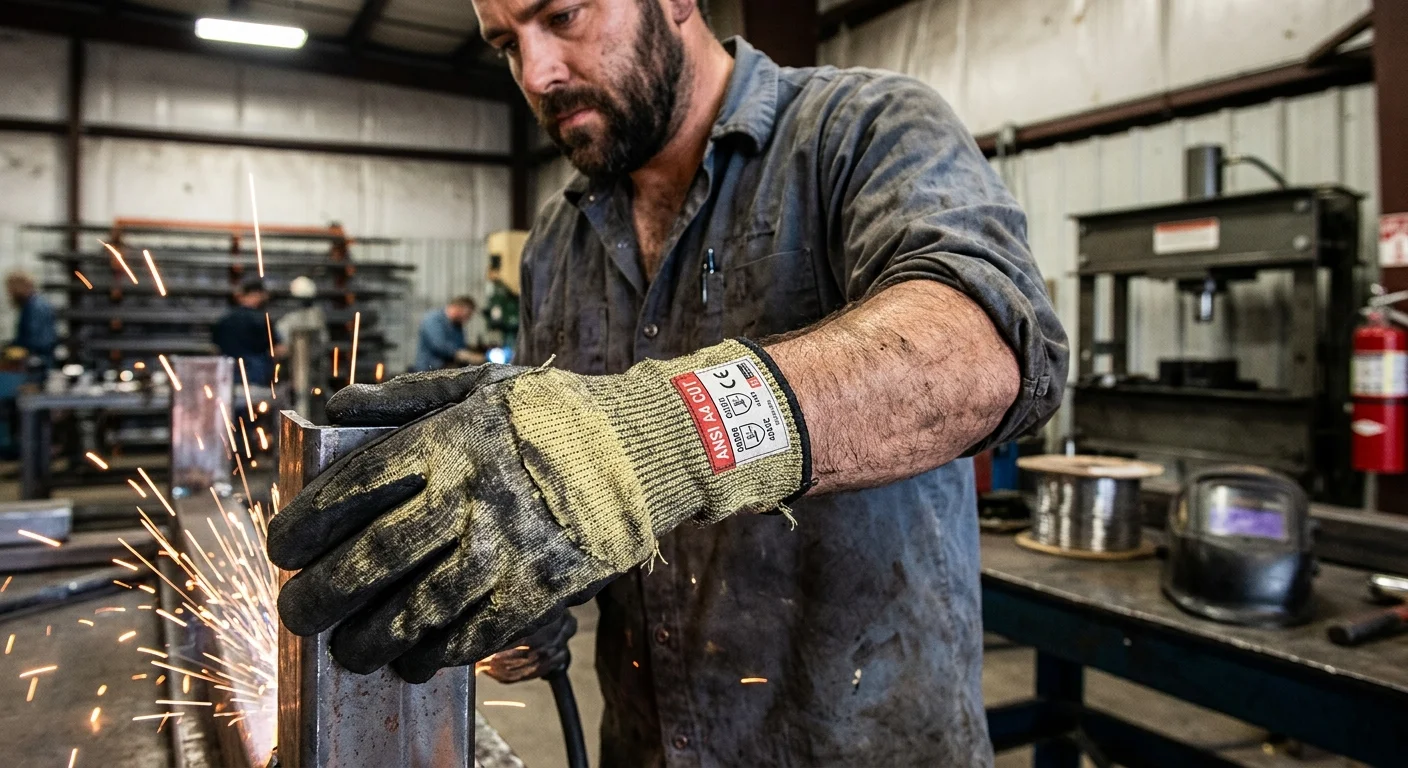 The short answer: yes — and the data proves it.
Superior Glove’s Kevlar® models last twice as long as cotton gloves and three times as long as leather. Yes, the upfront price is higher. But documented trials show a 25% total cost savings. You spend less on replacements. Plus, zero hand injuries were recorded during testing.
These aren’t marketing numbers. They come from controlled durability testing.
What does the Testing Show?
Superior Glove runs what they call a “torture chamber” test. Gloves tumble inside a razor-blade drum filled with abrasive beads. Kevlar® models outlasted cotton and leather at a 20:1 ratio. That’s not a small edge. That’s a completely different league.
Wash durability matters too. 100% Kevlar® gloves hold full cut resistance after 10 wash cycles. Most standard gloves break down well before that point.
The S21TX TenActiv™ line reaches ANSI A9 cut protection — the highest rating available. It stays thin enough for a precision grip, too. Thicker models come with palm coatings that push wear life even further under rough, abrasive conditions.
Here’s a useful benchmark to keep in mind:
- 3 out of 12 pairs develop holes after a single shift
- That’s a 25% scrap rate
- That’s a clear sign your current gloves aren’t built for the job
Superior Gloves are.
What Makes Superior Gloves Built to Last: Materials & Construction
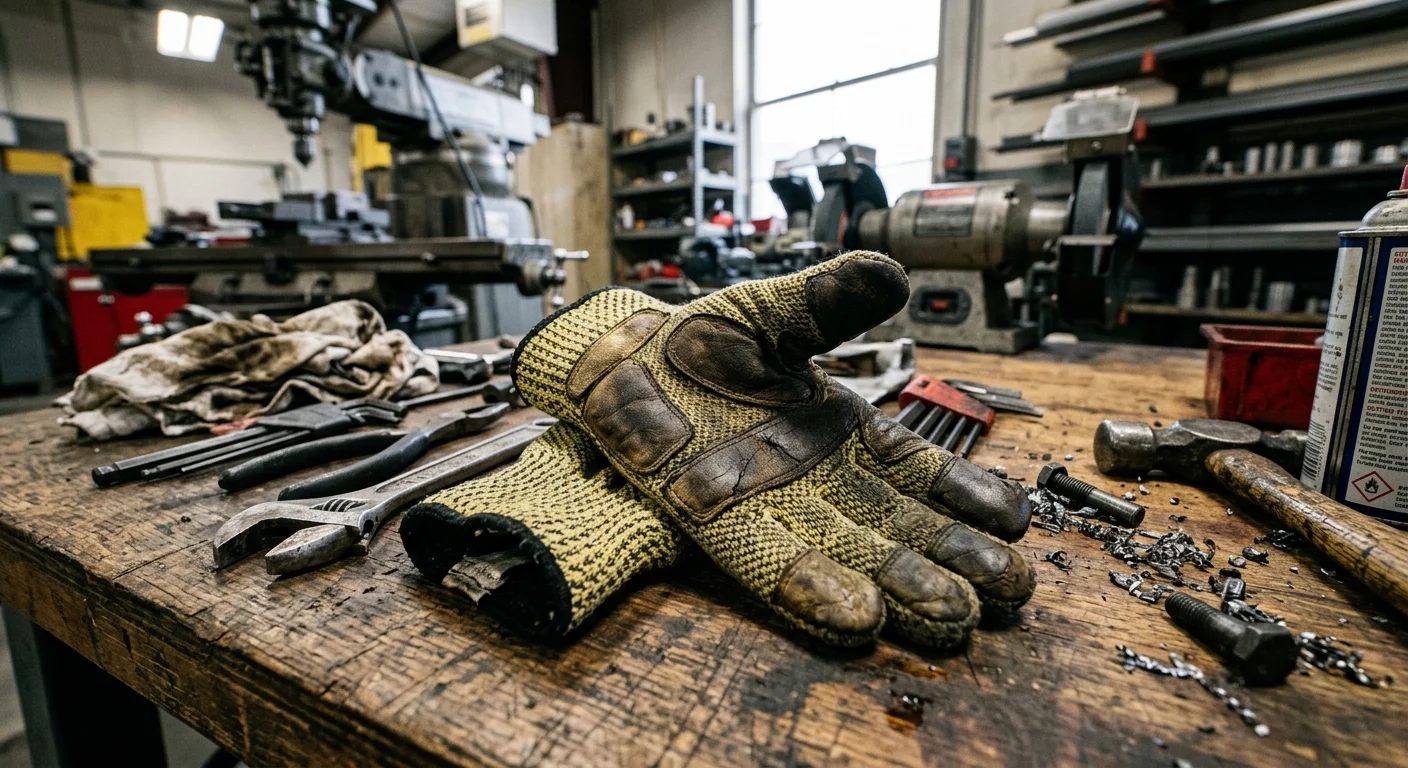 Superior Glove doesn’t build its gloves around comfort first. They build them around survival.
That distinction matters more than most buyers realize. A glove that feels great on day one but falls apart by week three isn’t a work glove — it’s a liability. Superior Glove stands apart from other industrial work gloves through specific material choices and construction decisions. These happen long before the glove reaches your hand.
The Materials Doing the Heavy Lifting
Kevlar® is the backbone of Superior Glove’s most demanding product lines. You already know it’s used in body armor. That same toughness carries over into cut-resistant gloves. These gloves resist fraying, tearing, and the slow breakdown that ruins cheaper gloves after a few hard shifts.
But Kevlar® isn’t the whole story. Superior Glove stacks multiple layers of engineering:
- Reinforced palm zones built from high-friction-resistant materials. They take punishment from tool handles, rough surfaces, and repetitive gripping — without scuffing through
- Palm coatings — nitrile, polyurethane, or latex, depending on the model — are bonded onto the surface to extend wear life under abrasive conditions
- Tight, reinforced stitching at stress points where most gloves fail first: the thumb saddle, fingertip seams, and cuff edges
These aren’t cosmetic choices. Each one adds real, measurable length to your work glove lifespan.
How Does the Construction Hold Up in Real Use?
Here’s something most Superior Glove reviews miss: the break-in behavior.
Most industrial work gloves go one of two ways. They stay stiff and uncomfortable, or they soften fast and lose all structure. Superior Glove leather gloves and their synthetic counterparts land in a different spot. They break in at a steady pace and mold to your hand without thinning out or going limp.
After heavy use day after day:
- Palm material holds up instead of scuffing through at contact points
- Grip coatings keep their surface texture even after repeated flexing and tool contact
- The glove holds its shape, so it still fits snugly rather than sliding around on your hand
That structural consistency isn’t luck. It comes from abrasion-resistant gloves engineering that puts long-term performance ahead of short-term softness.
Why Construction Quality Translates to Real Cost Savings?
Better materials and tighter construction mean one thing for the worker buying them: fewer replacements.
A glove that holds its palm, keeps its grip coating working, and stays fitted through weeks of hard use means you’re not back at the supply cabinet every other week. That’s the real payoff from Superior Glove’s construction quality — and it’s what heavy-duty workers need most from their hand protection.
Superior Gloves Durability by Work Scenario: Which Situations Show Their Strength?
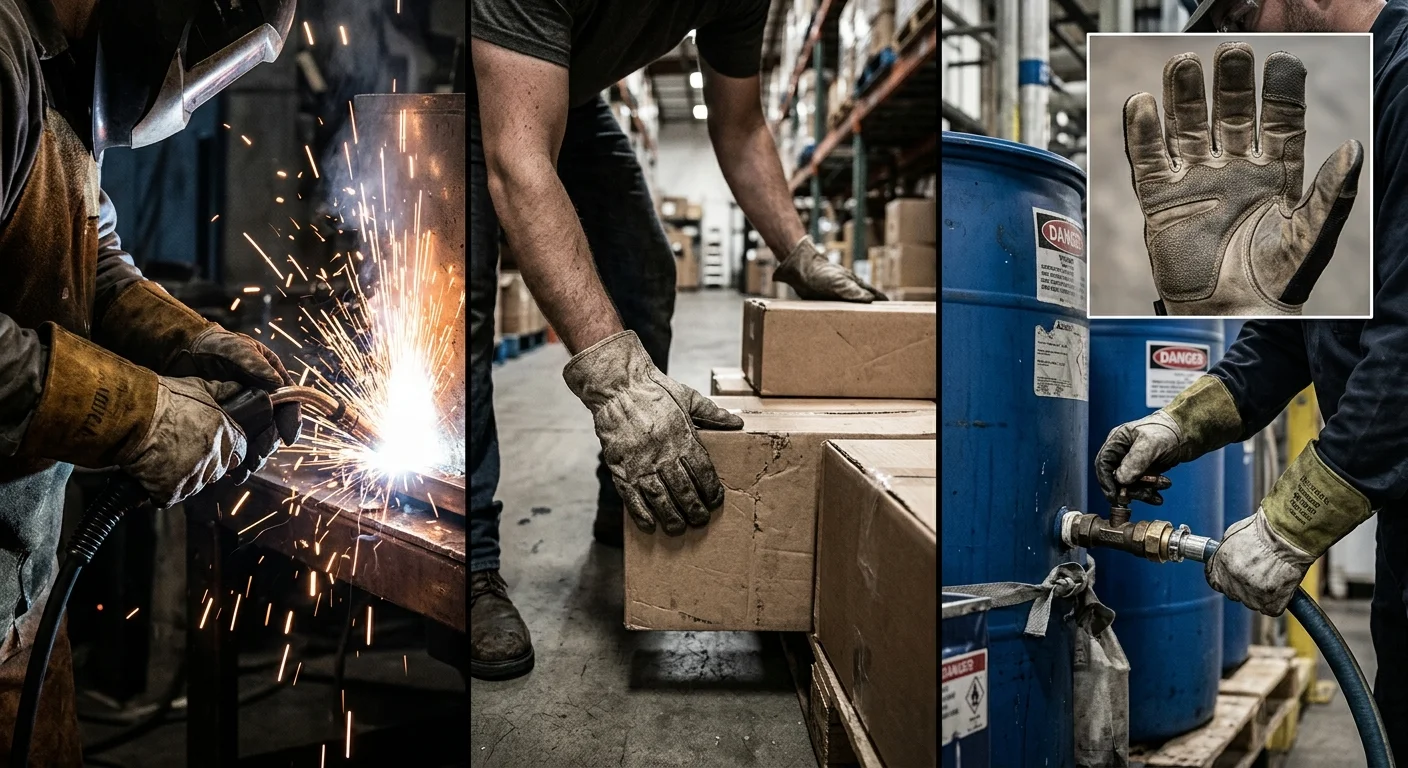 Different jobs destroy gloves in different ways. A welder burns through them. A warehouse worker grinds them down. A chemical handler exposes them to invisible damage that shows up long after the shift ends. Superior Glove doesn’t offer one universal solution. They engineer specific durability for specific scenarios. Here’s where their gloves prove themselves.
High-Cut-Risk Environments: Construction and Metal Fabrication
Sharp edges, steel banding, sheet metal — these are glove killers. Standard cut-resistant gloves handle light contact. They don’t survive repeated exposure to slicing hazards.
The TenActiv™ line is built for this kind of punishment. It hits ANSI A9 cut protection — the highest rating on the scale. You also get 360-degree coverage that wraps protection around the entire hand, not just the palm. The back-of-hand impact resistance reaches ANSI Level 2. That matters when materials shift or machinery kicks back without warning.
For workers handling cuts on a regular basis, this isn’t overkill. It’s precision engineering matched to real-world risk.
Welding and Heat Exposure: Where Most Gloves Quit Fast
Heat degrades gloves from the outside in. Sparks burn through the surface. Long exposure to radiant heat breaks down the internal structure. Most gloves that aren’t purpose-built for welding become liabilities within weeks.
The Endura® 365GC MIG welding gloves are built for extended wear under these conditions. Heat resistance and spark protection are part of the core construction, not surface treatments that wear off over time. For welders logging long shifts, that structural durability means a longer work glove lifespan without losing protection.
Wet and Cold Conditions: Warehousing, Logistics, and Outdoor Work
Wet gloves kill grip. Cold hands lose dexterity. Both are safety and productivity problems. Cheap gloves make both worse.
TenActiv™ tackles both. The double-dipped micropore latex palms hold grip in wet and dry conditions with no drop-off. The thermal range reaches -5°C / 23°F, so hands stay functional in cold storage, outdoor winter work, and refrigerated logistics. Select models also feature water-resistant leather treatments that push liquid resistance further — without sacrificing flexibility.
Heavy Abrasion: Mechanical Work and Construction
Rough surfaces — concrete, steel grating, tool handles — wear gloves down slowly. They grind through palm material over dozens of shifts until grip and structure are gone.
Superior Glove’s leather hierarchy matters here. Water buffalo leather outperforms cowhide, horsehide, and sheepskin in heavy-duty abrasion resistance. For workers doing mechanical repairs, demolition, or grinding, this material choice is the difference between a glove that lasts a season and one that fails in a week.
Palm coatings add another layer of protection on top of that structural base:
- Nitrile — handles oils and rough surfaces
- Latex — strong grip in wet conditions
- Polyurethane — lighter abrasion resistance with better feel
Each option extends wear life right where the punishment is severest.
The pattern holds across every scenario: Superior Glove builds durability into the right layer for the right threat. That’s what separates targeted engineering from generic hand protection.
Real User Experiences: How Long Do Superior Gloves Last?
Lab test numbers tell one story. Real people putting these gloves through hard, daily use tell another.
Here’s what users are reporting — and the patterns are clear.
The Workers Putting in the Miles
One motorcycle rider logged 6,000+ miles per year wearing Superior Gloves for 85% of that riding time. Over seven years. That’s not a casual endorsement. That’s thousands of hours of friction, vibration, and exposure — with the same brand earning trust, year after year.
That kind of long-term loyalty doesn’t come from a glove that fails after one season. It comes from a glove that keeps performing long after cheaper alternatives hit the trash bin.
The Break-In Payoff
The Endura Goatskin Leather gloves with Kevlar have a story worth hearing — especially for first-time buyers.
Out of the box, they’re stiff. There’s a real break-in period that catches some buyers off guard. Push through it, and the experience shifts. Users past the break-in stage describe fantastic durability paired with dexterity that doesn’t sacrifice protection. That thick construction — the part that felt rigid at first — is the exact reason these Superior Glove leather gloves hold up under hard, extended use.
That break-in curve isn’t a flaw. It’s a signal. Gloves that go soft right away do so because the structure is already weak.
Durability Beyond Heavy Industry
Superior Gloves hold up in lighter-demand settings, too. One user put the Superior Grant Style boxing gloves through 1.5 months of straight training and reported zero structural issues — no pressure points, no breakdown in feel or softness.
Fencing gloves used for drilling held their shape and comfort across long sessions as well.
The point is simple: Superior Glove safety gloves deliver across use cases — not just in the toughest industrial environments. Logging miles, grinding through shifts, or training hard day after day — these gloves stay in rotation longer than most alternatives on the market.
Superior Gloves vs Competitors: Mechanix, Carhartt & Others for Heavy-Duty Work
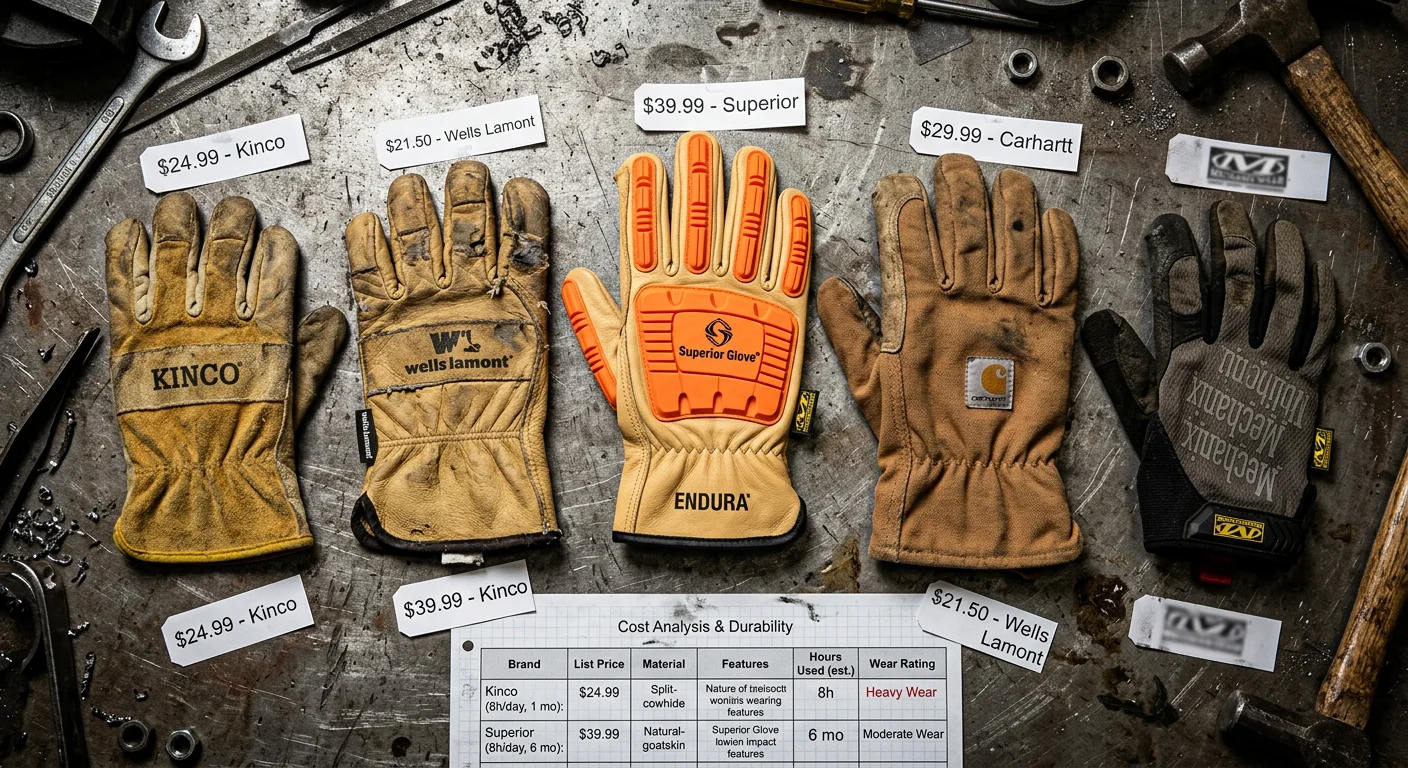 Most work glove comparisons get this wrong. They stack brands side by side on price and call it analysis. Price is the least important number here. The number that matters is the total cost over a full work season.
Here’s how the market breaks down — and where Superior Glove fits.
What does the Competition Offers?
Mechanix Wear Original is a solid glove for light mechanical work and regular site tasks. It has a CAD-engineered fit, a synthetic leather build, and a steady presence in 2026 contractor roundups. It earns its reputation for light-to-medium use. No cut rating. No heavy abrasion engineering. It’s a daily driver, not a demolition tool.
Carhartt Work Flex does comfort well. All-day flexibility, reliable for general construction and maintenance. It shows up in top-15 lists for good reason. But again — no ANSI cut rating. Push past “general contractor” territory, and Carhartt falls behind fast.
Ironclad Heavy Utility (GUG) raises the bar with a Duraclad palm lining rated 8x more abrasion-resistant than standard synthetic leather. TPR knuckle reinforcement adds impact protection. It earned a CPR score of 9.6/10 across 3,885 reviews. Solid numbers. But Ironclad has a known failure pattern: fingertips and the thumb saddle wear out first under hard, heavy-duty tasks. That’s the spot where real work hits hardest.
For extreme cut hazards, Schwer ProGuard PR3326 hits ANSI A9 and earned “Best Overall Protection” in 2026 editor testing. MAGID TRX400 took “Best Impact Protection” with its TPR knuckle guard and NitriX grip coating. Both are built for fabrication and high-impact zones.
The Real Dividing Line
This isn’t a contest where every brand loses. Some competitors are enough for the right job.
| Scenario | Sufficient Choice | Why Superior Tier Wins |
|---|---|---|
| Light construction, regular maintenance | Mechanix, Carhartt | No advantage needed |
| General warehouse, logistics | Ironclad GUG | Adequate until fingertip failure |
| Steel handling, glass, rebar | Neither | ANSI A9 required minimum |
| 8–10 hour shifts, wet/oily conditions | Neither | Grip failure becomes a safety incident |
| Cut = recordable incident environments | Neither | Compliance risk eliminates budget options |
Contractors using a 2026 scoring framework put safety and performance specs at 35 % of total value — more than fit, durability, and price combined . That weighting exists for a reason. One cut becomes a recordable incident. A $20 pair of gloves just turned into a $2,000 liability.
Where Superior Gloves Separate Themselves?
The average heavy-duty work glove in 2026 costs $19.80. The range runs from $3.99 to $44.85. Budget gloves feel like savings — until they tear mid-project. Then the replacement cycle kicks in, and those “savings” disappear fast.
Superior Glove’s TenActiv™ S21TX reaches the ANSI A9 ceiling. Among competitors, only Schwer gets there. Superior Glove goes further: 360-degree cut coverage, thermal performance to -5°C, and double-dipped micropore latex grip. That grip holds in wet conditions where Ironclad and Mechanix lose traction.
Documented trials show 25% total cost savings over replacement-heavy alternatives — even with a higher upfront price. That’s not a marketing claim. That’s the replacement-frequency problem fixed at the source.
Bottom line: Mechanix and Carhartt work fine for moderate, regular use. Ironclad handles medium abrasion until the fingertips give out. Your work involves real cut hazards, sustained abrasion, or conditions where hand protection failure has direct safety consequences? Superior Glove isn’t competing with the mid-market. It’s operating above it.
Are Superior Gloves Worth the Investment for Hard Workers?
Let’s talk numbers, because numbers don’t lie.
A single hand injury costs between $540 and $26,000. Severe cases climb to $730,000. That’s one incident. One shift. One moment where the wrong glove — or no glove — changed everything.
At that price tag, Superior Glove’s higher upfront cost looks different. It’s not an expense. It’s insurance with a real, measurable return.
Here’s the math on record: Kevlar® models cut total costs by 25% compared to cotton and leather alternatives, based on a $2,904 baseline. You get fewer replacements. Zero recorded injuries during controlled trials. Those savings aren’t on paper — they show up in your budget at the end of the quarter.
But not every worker needs the premium tier. That’s worth stating straight out.
Low-risk, general handling tasks? Standard cotton or leather gets the job done. Paying for Kevlar® in those environments is overkill — the injury ROI isn’t there.
The math shifts for high-exposure roles:
- Meat processing — cut hazards on every shift
- Metal stamping and glass manufacturing — OSHA data shows hands account for 23% of all injuries, with 70.9% preventable through proper glove selection
- Chemical handling — invisible exposure builds delayed damage over time
For these workers, Superior Glove isn’t a premium choice. It’s the practical one.
The pre-purchase step most buyers skip: run a structured trial. Test 12 pairs per shift. Flag any pair that develops holes — 3 failures out of 12 means a 25% scrap rate. Your current gloves are letting you down. Superior Glove offers a trial chart and free samples straight from their team — worth requesting before you commit.
Hard workers don’t need the most expensive glove. They need the one that stops draining their budget. Superior Glove proves it fills that role, job after job.
Conclusion
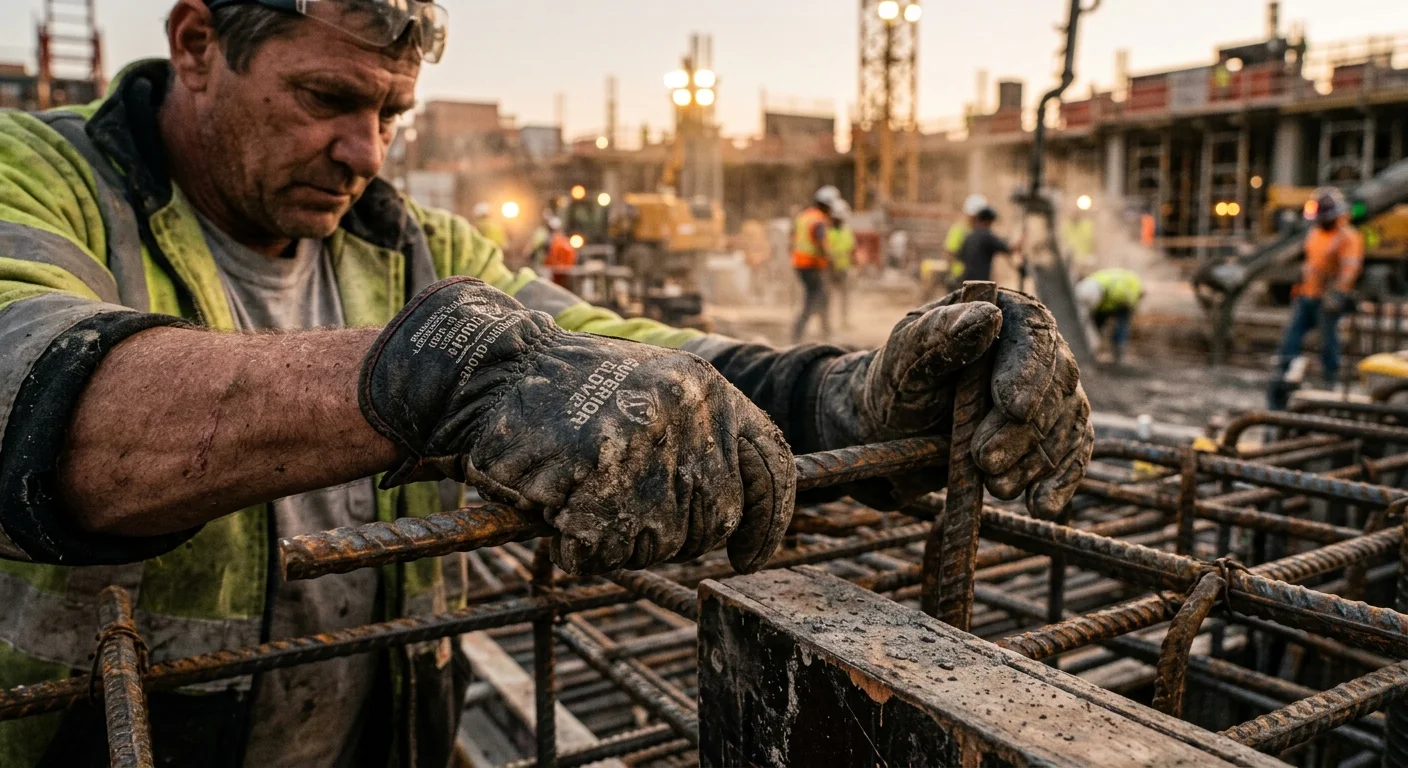 The verdict is in — Superior Gloves aren’t just surviving hard work, they’re engineered for it.
These industrial work gloves carry ANSI-rated cut resistance and battle-tested leather construction. They outlast cheaper alternatives on real job sites — by a wide margin. Workers in construction, welding, and heavy manufacturing aren’t swapping them out every week. They’re getting months of use before needing a replacement.
Here’s what that does for your bottom line:
- Fewer replacements
- Lower long-term costs
- Hands that stay protected through the toughest shifts
Still wearing gloves that shred after two weeks? You’re not saving money — you’re burning it.
Ready to upgrade? Browse the Superior Glove lineup. Match the right model to your work environment. Stop treating hand protection like an afterthought.
Your hands do serious work. Give them serious protection.