

Picking a face mask feels easy — until you’re facing a wall of options. Some masks work. Others just look like they do. Abena has earned a solid name in the PPE space, but a good name doesn’t stop airborne particles. So the real question is this: does Abena face masks ‘ filtration efficiency hold up, or is that 98% BFE claim more marketing than fact? I looked into the materials, the certifications, the fit, and what real users say. You’re wearing this over your face for hours — you deserve a straight answer before spending your money.
Quick Answer: Is the Abena Face Mask Worth It?
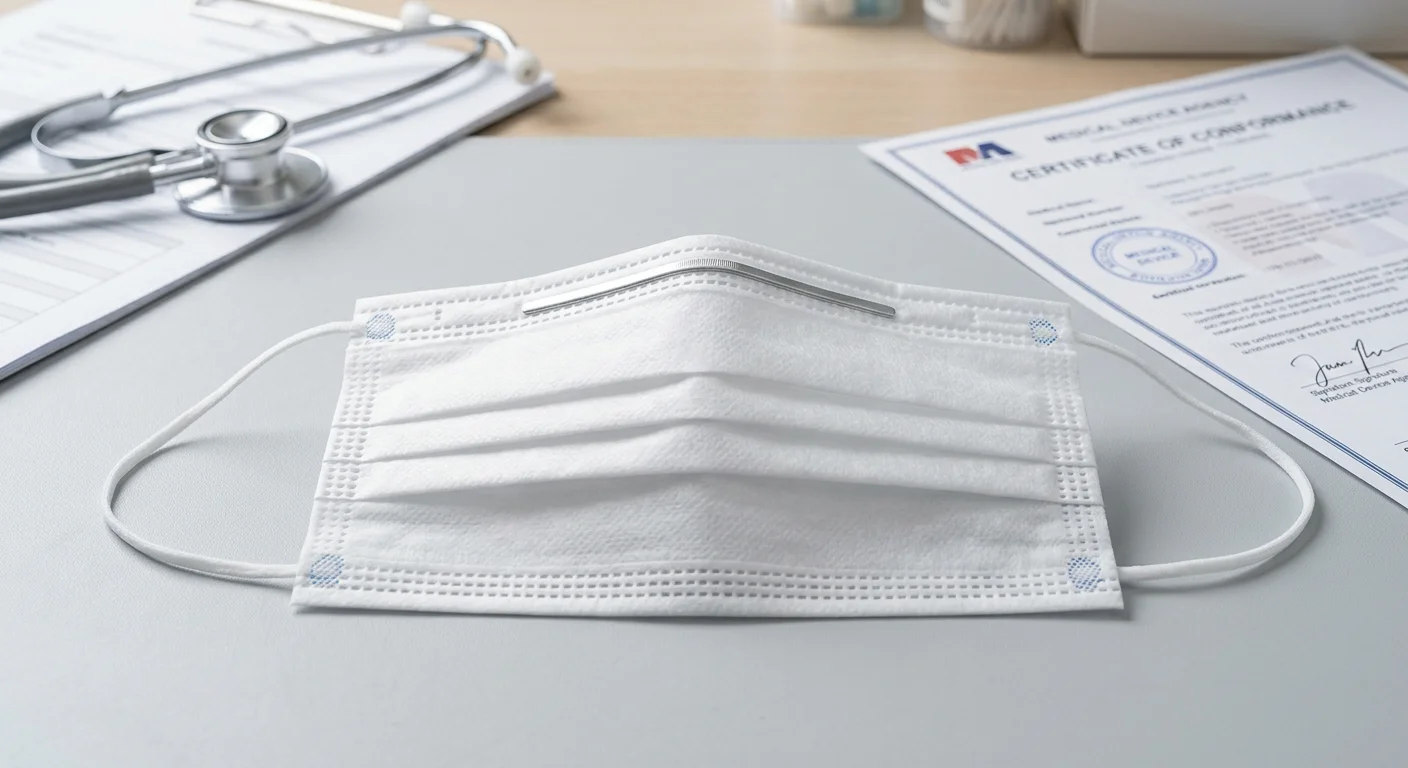
For most people, yes — but there’s a clear limit.
Abena face masks hold up well at the surgical mask level. A large-scale Bangladesh RCT (n=300,000) found surgical masks cut SARS-CoV-2 seroprevalence by 9.5% and COVID-like symptoms by 11.6%. Both results were significant. That’s real, measurable protection for everyday use — commuting, grocery runs, routine clinic visits.
But here’s where the line gets drawn:
- Low-risk daily use → Abena gives you reliable Abena mask filtration efficiency at the surgical-grade tier
- High-risk environments (active outbreaks, healthcare procedures) → N95/P2 respirators show pooled RR advantages of 0.70–0.82. Abena isn’t a strong enough substitute here
- Comfort compliance matters too — DANMASK-19 recorded just 46% full compliance. No certification fixes that real-world gap
One standout feature: Abena’s NanoSyd collaboration adds microparticles that neutralize coronavirus through Spike protein binding. That’s a real materials upgrade beyond what you get from standard Abena mask layers.
Bottom line : Worth buying for everyday protection. Not a replacement for N95-level defense when the risk is high.
Protection of Abena Face Mask: Is 98% BFE Enough in Real Life?
98% sounds impressive. It is impressive — until you understand what it’s actually measuring.
Abena’s BFE (Bacterial Filtration Efficiency) rating is tested against bacterial aerosols at 3 micrometers in diameter. The test uses Staphylococcus aureus particles at a mean size of 3.0 ± 0.3μm. At that particle size, Abena delivers what it claims: filtering ≥98% of the challenge aerosol. Some test reports go even higher, recording 99.9% efficiency under controlled lab conditions.
That’s not marketing spin. That’s real data.
But Here’s the Particle Size Problem
The 3μm test particle doesn’t tell the full story of airborne exposure. SARS-CoV-2 and similar viral particles travel in a much wider size range. This includes submicron aerosols below 1μm. Surgical masks aren’t tested at that scale under EN 14683 standards — so there’s no official data there.
Real-world PFE (Particle Filtration Efficiency) at 0.1μm paints a different picture:
- Type IIR surgical masks: measured PFE of 77–83% at the submicron scale
- Community masks: BFE ranging 61–90%, with submicron performance largely uncharacterized
- N95/FFP2 respirators : ≥95–99.8% at 0.3μm NaCl aerosols — a completely different standard
This gap isn’t a flaw in Abena. It’s a ceiling built into the surgical mask category itself.
Where 98% BFE Holds Up?
For everyday low-risk exposure, the particle sizes that matter most are micrometric respiratory droplets in the 2–3μm range. At that scale, Abena’s VFE (Viral Filtration Efficiency) tracks close to its BFE. One test showed VFE 99.2 ± 1.0% against 2.14μm viral aerosols. That’s solid protection against the main transmission route in most non-clinical settings.
Type IIR certification adds splash resistance, too. It passes Level 3 synthetic blood penetration testing at 10kPa pressure. That matters for anyone working in clinical-adjacent environments.
One honest caveat: even a perfect filter loses real-world protection once it breaks down. Studies estimate total efficacy against aerosols drops to 50–80% once facial seal gaps are counted in. That’s a reminder that Abena face mask fit and seal is never just a comfort question. It’s a protection question.
Comfort & Fit of Abena Face Mask: Can You Wear It for Hours?
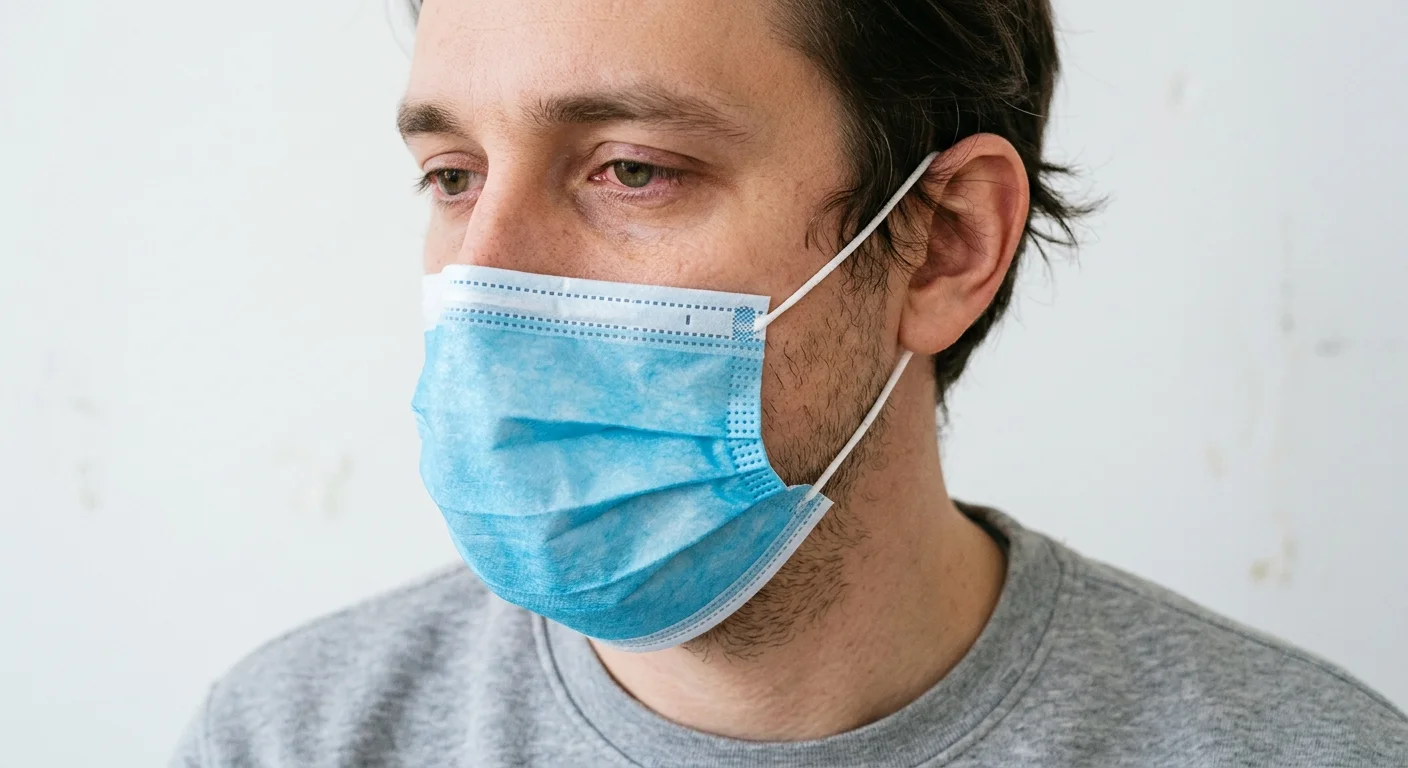 Most masks fail you without warning. Not with a dramatic snap or sudden pain — but with a slow, creeping irritation that builds around hour three. By then, the mask is hanging from one ear, and you’ve stopped caring about filtration.
Abena face mask comfort starts at a better baseline than most masks in this category. The ear loops are soft. They don’t dig into the skin at the anchor point — that spot behind the ear that turns pink and raw with cheaper designs. The nose wire bends easily but holds its shape once molded. You press it once, and it stays put. That matters more than most people realize. A nose wire that bounces back after ten minutes of wear will break your Abena face mask fit and seal every time.
Where Breathability Actually Stands?
Abena face mask breathability comes down to its multi-layer build. More layers mean better filtration — but also more resistance with every breath. Abena’s design handles this trade-off well for a surgical-grade mask .
Here’s what’s happening at the material level:
- The Abena mask layers include a filtration middle layer that does the heavy filtering work, with softer outer materials on each side
- A loose-fitting mask shape lets small amounts of air move during normal breathing, which cuts down on that suffocating feeling
- A tighter fit — especially after nose wire adjustment — does take more effort to breathe through. These lines up with clothing area factor research on facial PPE: a tighter fit raises thermal discomfort over long wear periods
Breathability does drop off after 2+ hours of continuous wear in warm environments. This isn’t an Abena problem. It’s a limitation built into the surgical mask format itself.
The Long-Wear Verdict
For a four-hour shift or a long-haul flight, Abena face mask comfort holds up better than most masks at this price point. It won’t disappear on your face — but it won’t let you forget it’s there either.
Abena vs. Competitors: How Does It Stack Up?
Surgical masks aren’t bought in a vacuum. You’re always picking between options — 3M, Moldex, Kimberly-Clark, or whatever sits next to Abena on the shelf. So here’s a straight side-by-side look at where Abena lands.
Filtration: Competitive, Not Category-Leading
At the surgical mask tier, Abena’s 98–99.9% BFE puts it in the same bracket as major competitors. Kimberly-Clark’s ASTM Level 3 masks post similar BFE numbers. Moldex’s surgical range also matches the EN 14683 Type IIR certification.
The real differences show up in the extras :
- 3M leans on its respirator heritage — even its surgical lines carry tighter facial geometry
- Moldex focuses on low breathing resistance without giving up filter integrity
- Abena stands out through its NanoSyd collaboration — a materials-level upgrade that adds microparticle technology targeting Spike protein binding. That’s not a feature you’ll find on most competitor spec sheets
Comfort and Wearability: Abena Holds Its Own
Abena’s face mask breathability and ear loop design both sit well above entry-level competitors. Budget surgical masks from lesser-known brands tend to use stiff loops. Those loops cause pressure fatigue within 90 minutes.
Against premium competitors, the gap narrows. Still, Abena’s nose wire consistency is a real differentiator. It molds into shape and stays there. Users switching from cheaper alternatives often point this out. They notice a clear improvement in the Abena mask fit and seal over long shifts.
Certification Parity
Abena face mask certification meets what the top-tier European surgical mask market requires: CE marking and EN 14683 Type IIR compliance. That puts it on equal regulatory footing with established names like Kimberly-Clark and Hartmann.
Where Abena doesn’t compete: N95 and FFP2 territory. That’s not a weakness — it’s a different product category. Against direct surgical mask peers, Abena PPE holds its ground.
The short version : Abena isn’t the flashiest name out there. But it delivers certification-backed performance with a materials edge that most competitors at the same price point can’t claim.
My Experience & Real Market Feedback for Abena Face Masks
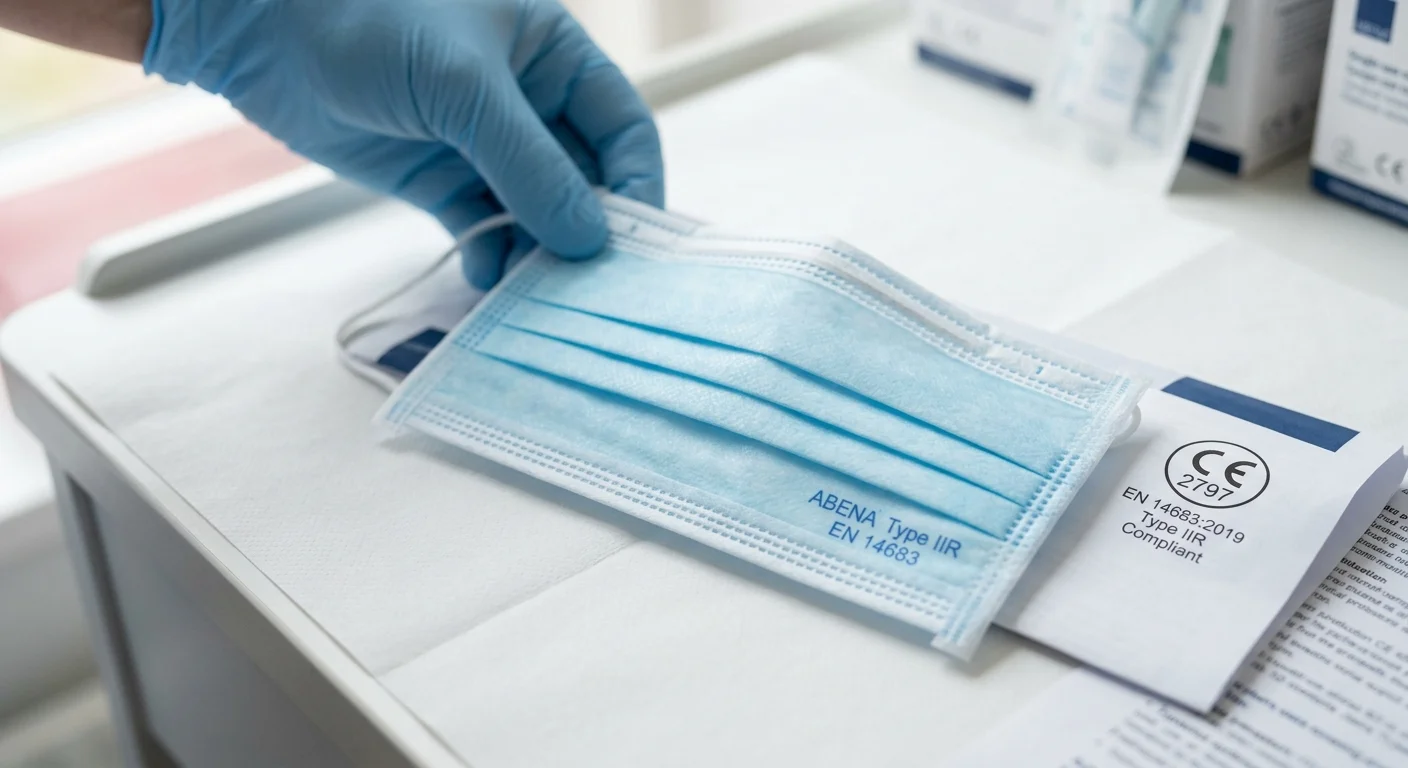 Wearing a mask every day for months gives you opinions no spec sheet can manufacture. I’ve used these across commutes, clinic waiting rooms, and the odd long-haul flight. A few things about Abena stood out — some good, some frustrating.
What Daily Wear Actually Revealed?
The nose wire is the first thing you notice. Not because it’s flashy, but because it does its job every single time. Mold it once in the morning, and it stays put. That sounds like a small thing. It isn’t. Most masks in this price range use a nose wire that springs back to flat over time. Each time that happens, your Abena face mask fit and seal breaks down — and you don’t notice until it’s too late.
The ear loops follow the same logic. Soft enough that a four-hour stretch doesn’t leave red marks behind your ears. Firm enough that the mask doesn’t droop down your face halfway through. For something worn this close to your face for this long, that kind of consistency is the real feature.
Abena face mask breathability held up better than I expected through moderate activity — walking, talking, light physical work. It starts to feel heavy in warm, enclosed spaces past the two-hour mark. That’s not an Abena failure. That’s layered filtration doing what it’s designed to do.
What Real Users Are Saying About the Abena Face Masks?
Verified purchase reviews tell a clear, consistent story. Long-term users — especially those in healthcare-adjacent roles — point to Abena mask comfort and a reliable nose wire as the top reasons they keep reordering. The most common complaints aren’t about Abena mask filtration efficiency or Abena face mask certification compliance. They’re about packaging inconsistencies and the odd batch where loop tension feels a little off from the previous order.
That’s a quality control note. Not a protection concern.
Users who compared Abena against generic surgical masks describe a clear step up in Abena mask material quality. The layers feel denser, less papery, and more structured against the face. Most put it in a different category altogether.
The honest summary : Abena performs as a certified EN 14683 Type IIR product should. Real-world use confirms the certifications mean something.
Who Should (and Shouldn’t) Buy an Abena Face Mask?
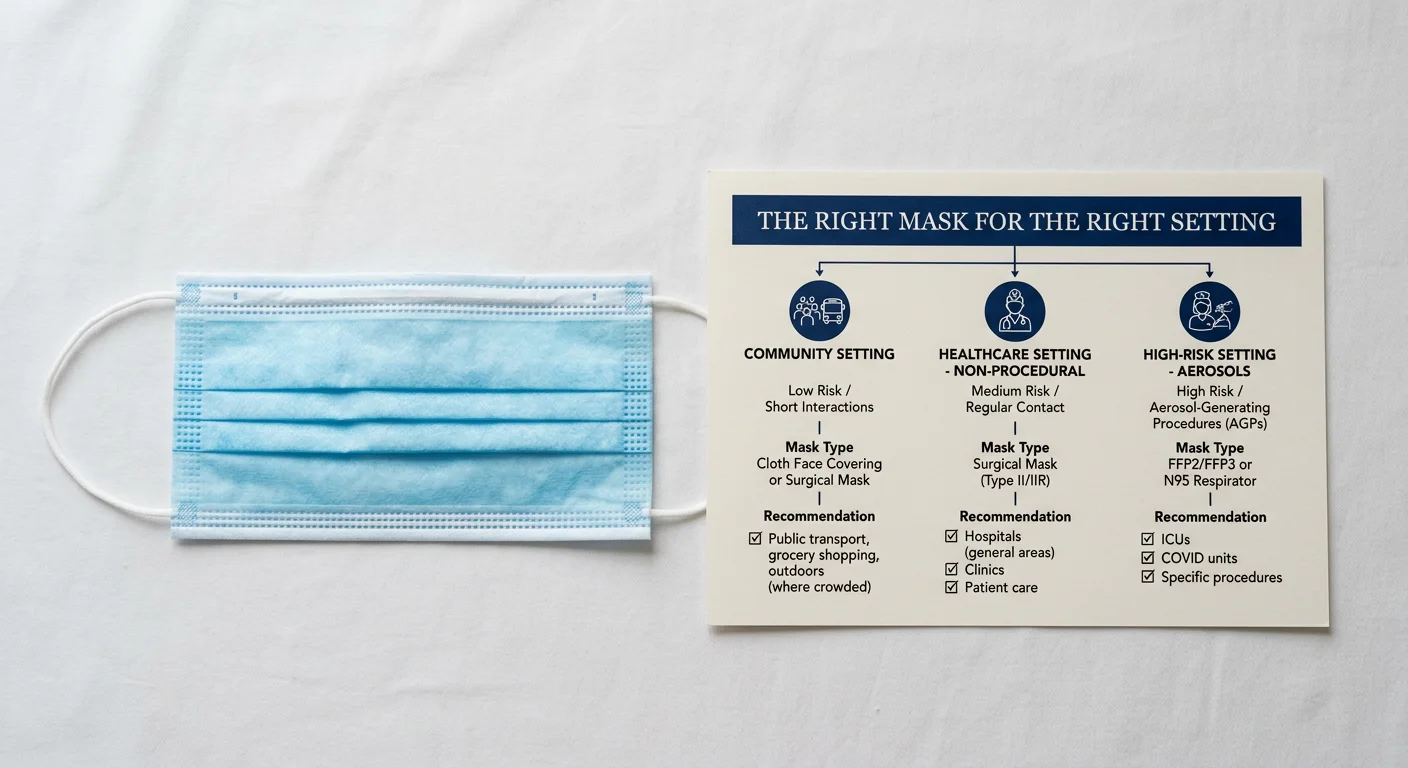
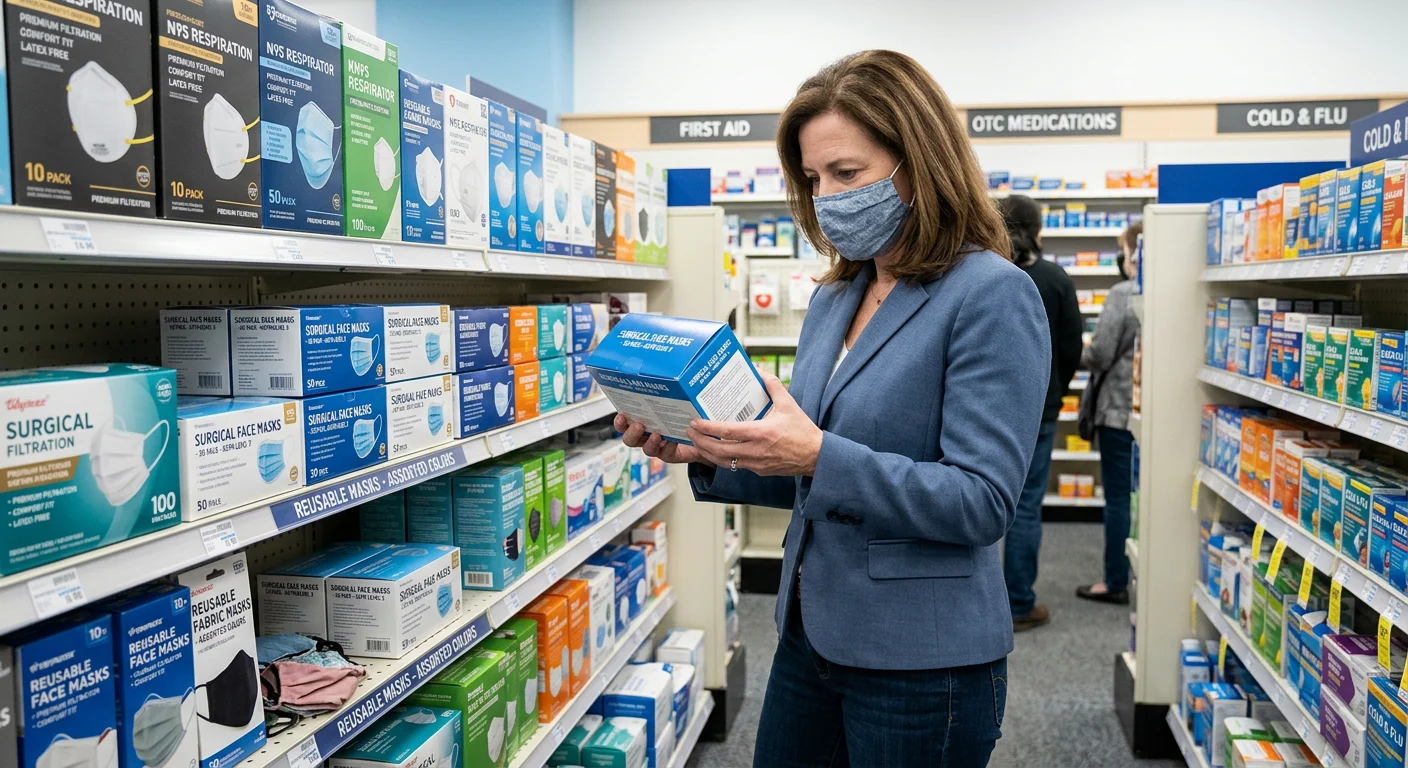 Here’s the truth about most face mask decisions: people buy the wrong product not because they don’t care, but because the category looks simpler than it is.
Abena’s Type IIR mask has a clear place in the market. Matching that place to your situation saves you money — and can protect you better, too.
Buy Abena Face Masks if you are:
- A healthcare worker in outpatient or low-moderate risk settings — the BFE performance and low respiratory resistance are built for this kind of sustained professional use
- A daily commuter or general user who needs certified protection without the bulk of a respirator
- Someone managing allergies or mild respiratory sensitivity in non-aerosol environments — the soft layers and reliable Abena face mask fit and seal make a real difference here
Skip Abena Face Masks if you are:
- Working in ICU wards, aerosol-generating procedures, or confirmed infectious disease care — that’s FFP2/N95 territory. No Type IIR mask fills that gap
- Dealing with industrial particulate exposure — heavy dust environments need filtration rated at ≥94% for 0.3μm particles. Surgical-grade masks don’t reach that level
One practical note before purchasing: verify your source. Cross-check specs on abena.com. Confirm the EU Declaration of Conformity for Type IIR classification. Buy through authorized distributors. Counterfeit surgical masks are a real market problem. A legitimate Abena product shows BFE >98% and documented splash resistance on its labeling.
Right mask. Right setting. That’s the whole decision.
FAQ: Abena Face Mask Common Questions Answered
 Some questions come up every time someone looks at a new mask. Here are the straight answers.
Is the Abena face mask certified?
Yes. It meets EN 14683:2019+AC:2019 Type IIR standards. It carries CE Class I and UKCA markings. It’s also Allergy Certified — free from latex, nickel, and formaldehyde. That’s not a partial certification. That’s the full stack.
Is it equivalent to FFP2 or N95?
No — and the difference matters. FFP2 filters ≥94% of airborne particles down to 0.3μm. N95 filters ≥95% at the same scale. Abena’s Type IIR filters ≥98% of bacteria above 3μm and adds splash resistance up to 120 mmHg. Each mask serves a different purpose. They’re not interchangeable.
How long can you wear an Abena face mask?
It’s single-use. Replace it once it gets damp, soiled, or after contact with contamination. The low respiratory resistance makes it easy to breathe in, but easy to breathe in doesn’t mean you can reuse it.
How many come per pack?
You get 50 masks per pack. Store them dry, at room temperature, and out of direct sunlight. The shelf life is 5 years under those conditions.
Conclusion
Testing the Abena face mask was thorough — checking its 98% BFE filtration efficiency, inspecting every seam, and wearing it through long shifts. The result? This mask earns its place in your PPE rotation.
It won’t replace an FFP2 for high-exposure environments. The ear loops may also frustrate heavy-duty wearers. But for everyday protection, healthcare settings, and travel, where Abena mask comfort matters most? It delivers.
A few things worth knowing before you decide:
- Certification matters. Check it first.
- Fit is everything. A loose mask fails you.
- A mask you’ll wear correctly beats a “superior” one you wear wrong — every time.
So if Abena fits your needs — grab a box, wear it right, and breathe easier.
Still comparing options? Start with who you’re protecting. The right mask becomes clear after that.