

Finding a good shower cap supplier is hard for hotels, spas, and B2B buyers. Alibaba listings are confusing and often unreliable. We reviewed certifications, MOQs, quality, and response speed to save you time. Here are five verified 2026 shower cap suppliers with clear pricing and real feedback—helping you quickly choose the right partner with confidence.
1. Morntrip (China)
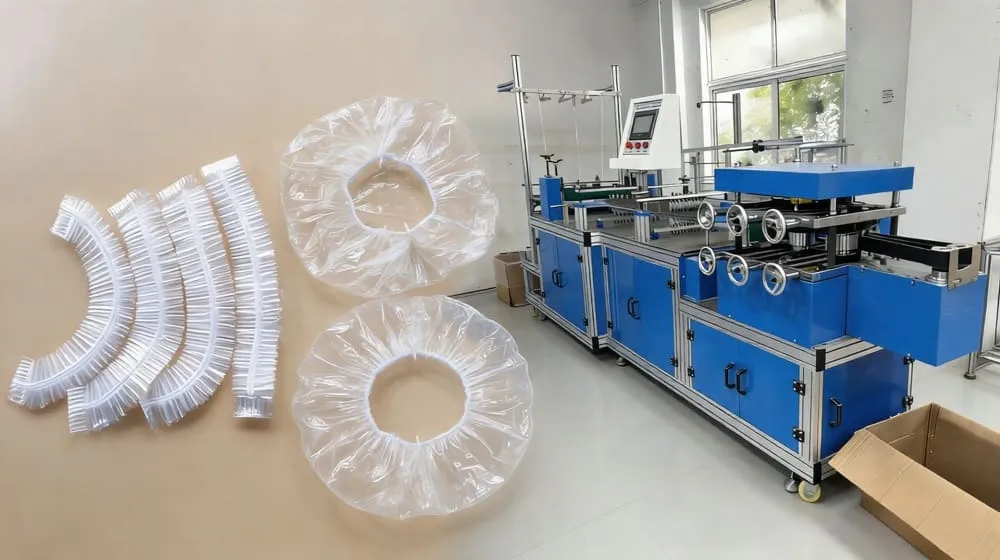
Twenty-seven years in business says something about survival. Morntrip has survived market crashes and pandemic surges. They don’t just follow trends—they make 2 million disposable caps daily. That’s 60 million monthly. Your hotel chain needs 100,000 units before peak season? These numbers matter.
What they make:
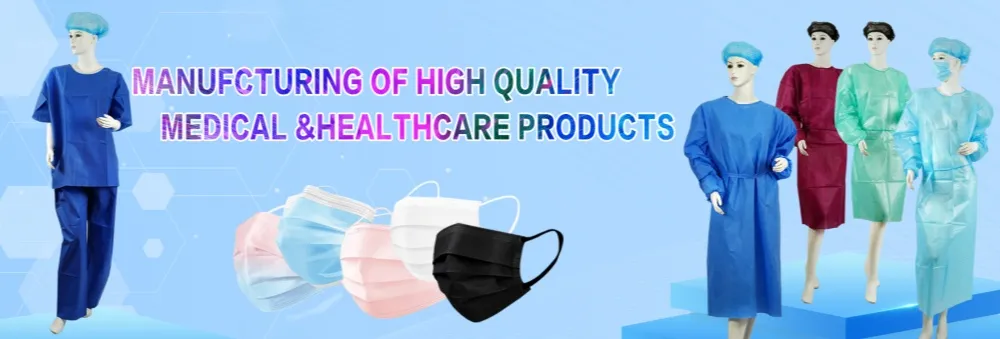
– Shower caps, bouffant caps, surgeon caps, mop caps
– Face masks (flat, N95, KN95, KF94)
– Protective coveralls and isolation gowns
– Lab coats, shoe covers , gloves
This isn’t small-batch production. Morntrip runs 80 automatic mask-making machines. They pump out 5 million surgical masks daily. This scale keeps pricing stable. Raw material costs spike? They’ve already locked in inventory at lower rates. Your unit cost stays predictable.
Custom branding is simple:
– Pre-production samples arrive in under 5 days for caps
– Logo printing, custom packaging, private labeling—all standard
– Low MOQs welcome (Amazon and AliExpress sellers can start small)
Certifications : ISO 13485, CE, FDA 510K, NIOSH N95, EN 14683, ASTM F2100. Buyers in regulated markets need this proof. Morntrip has it ready.
Production takes 20-30 days for bulk orders. They ship to 120+ countries. Established routes cover North America, Europe, and Asia-Pacific. Partners include ARCO (UK) and Cofra (Italy). These distributors check their suppliers hard.
Contact : inquiry@morntrip.com. Free samples are available. Send your quote request with volume and customization needs. State them up front. Their team sends back specific pricing. No vague ranges.
2. Xianmengprotect (China)
Hubei Xianmeng started making disposable protective products in 1996. They rebranded in 2003 but kept all production strength. Today they run a 50,000 m² facility with Class 100,000 clean workshops. Making medical-grade supplies? You can’t risk contamination. This setup prevents that.
Their team has over 1,000 workers. Assets exceed 1 billion. This scale keeps your orders flowing steady. One production line stops? Backup capacity kicks in right away. Your hotel group gets consistent stock through busy summer seasons.
What they produce:
– Non-woven masks (Model XM20130004): 3-layer, flat ear-loop, PP/SMS materials
– Protective clothing (Model XM20130029): SMS/microporous fabrics
– Sizes S to 5XL available
– Standard colors: white, blue, green
Certifications : ISO 13485, BSCI, FDA, CE. Their lab tests every batch before it ships. Healthcare buyers need proof of quality. They provide full test records.
They ship to 80+ countries . Twenty years of exports taught them customs rules inside out. Their paperwork clears ports fast. No delays from missing documents.
Contact details : Search “Hubei Xianmeng Health Protection Products” for official contact info. Tell them your order size and industry type right away. Medical-grade specs are different from hospitality supplies. Clear requirements help them quote accurately.
3. Betty Dain Creations (USA)
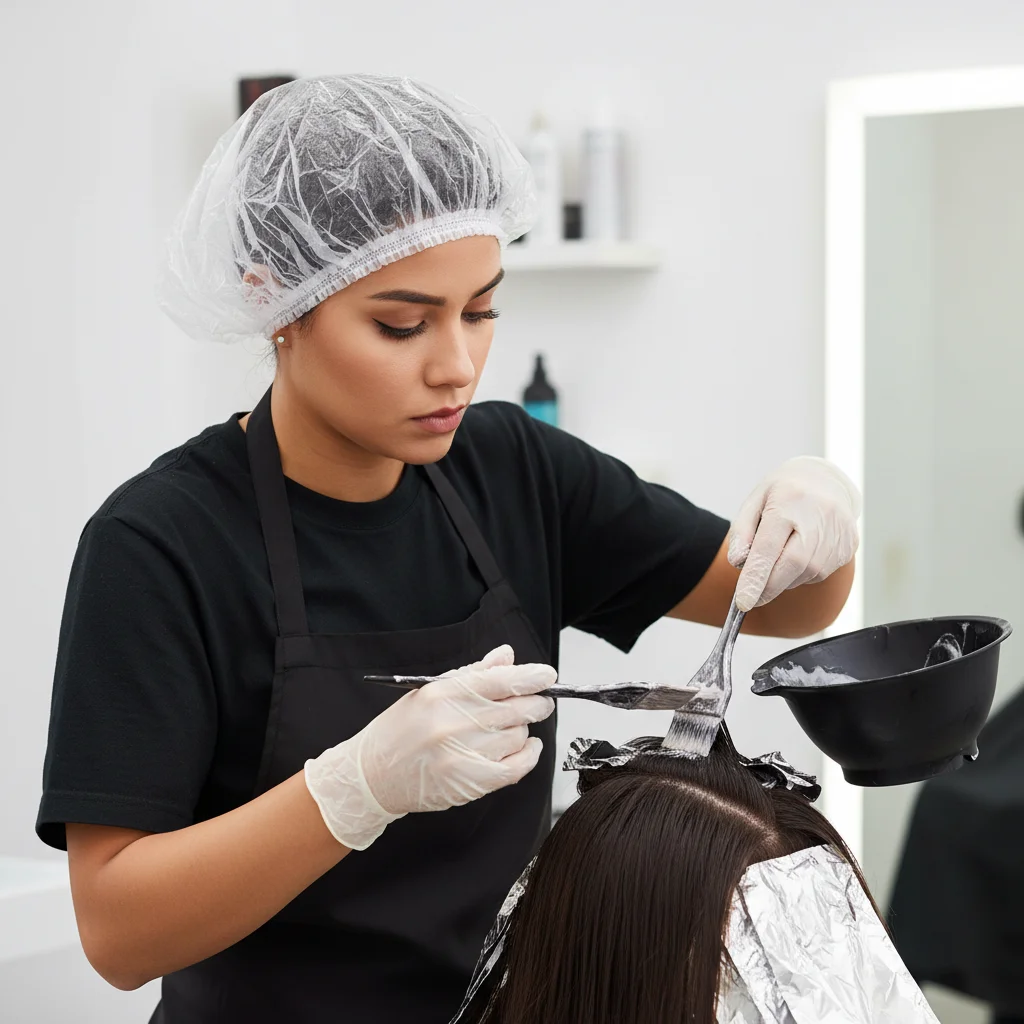
Betty Dain has been making salon professionals’ lives easier since 1948. That’s 78 years of knowing what stylists need. Picture them elbow-deep in color treatments at 2 PM on a Saturday. Their Miami headquarters ships shower caps built for commercial beauty environments—not flimsy hotel freebies that rip after one use.
Revenue sits between $24-25 million with a lean team of 100-250 employees. They generate $182,400 per employee. This efficiency means competitive wholesale pricing. Beauty distributors and salon chains stick with them. Product quality stays consistent, batch after batch.
What sets them apart:
– Salon-grade durability : Thick elastic bands that don’t snap mid-shampoo
– Chemical-resistant materials : PE and reinforced fabrics survive bleach splatter
– Professional sizing : Fits all hair volumes, from pixie cuts to waist-length extensions
– Dual distribution : Residential retail (bettydain.com) and commercial wholesale channels
Their Colortrak brand dominates hair coloring tool markets. Stylists trust the name. Those same pros need bulk shower caps for spa services or retail shelves. Betty Dain’s reputation carries weight here too.
Leadership includes VP of Marketing Leah Davis and Product Development Director Justyna Zajac. This team gets beauty industry buying cycles. Prom season hits. Wedding months arrive. They know you order heavy before these peaks.
Contact : Call (305) 769-3451 or email through bettydain.com. Request wholesale pricing sheets. Tell them if you’re stocking salon retail. Or maybe you need custom branding for spa amenities. Their Miami facility ships across North America. They have established distributor networks ready.
4. Kimirica (India)
Kimirica’s numbers tell a growth story most startups dream about. They launched with Rs 32 lakh in Year 1. Fast-forward to FY25: Rs 300 crore in revenue. Their target for FY28? Rs 1,000 crore. This isn’t luck. It’s planned growth across hospitality and retail.
What makes them different:
– 70% hospitality revenue comes from partnerships with 10,000+ luxury hotels and airlines
– Marriott, Hilton, Hyatt, Accor, Leela, and Air India stock their amenities
– 2,500-3,000 hospitality SKUs (adding 500 more)
– 15 in-house R&D scientists create premium vegan formulas
Their 3 lakh sq ft Indore facility is expanding by 8 lakh sq ft with a Rs 60 crore investment. A new 6 lakh sq ft hotel amenities plant targets Rs 2,000 crore potential. This capacity backs their 40% year-over-year growth. They maintain 20% EBITDA margins at the same time.
Product range goes beyond basic shower caps:
– Bath/body products, skincare, home fragrances
– Vegan perfumes (7 SKUs launched in July)
– Luxury gifting sets (35% of retail revenue)
Export strength : They ship to 40-70 countries with 30% export revenue (targeting 40%). Recent $15M funding from Carnelian Asset Management-led round fuels this global push.
Retail expansion : From 7 EBOs to 20 EBOs planned. Each store averages 600 sq ft. Ten experiential stores are coming to India and the Middle East.
Contact : Search “Kimirica” for official channels. Need hospitality bulk orders? Looking for retail partnership options? Their 80% online sales setup handles B2B inquiries fast.
5. Hubei Huanfu Plastic (China)
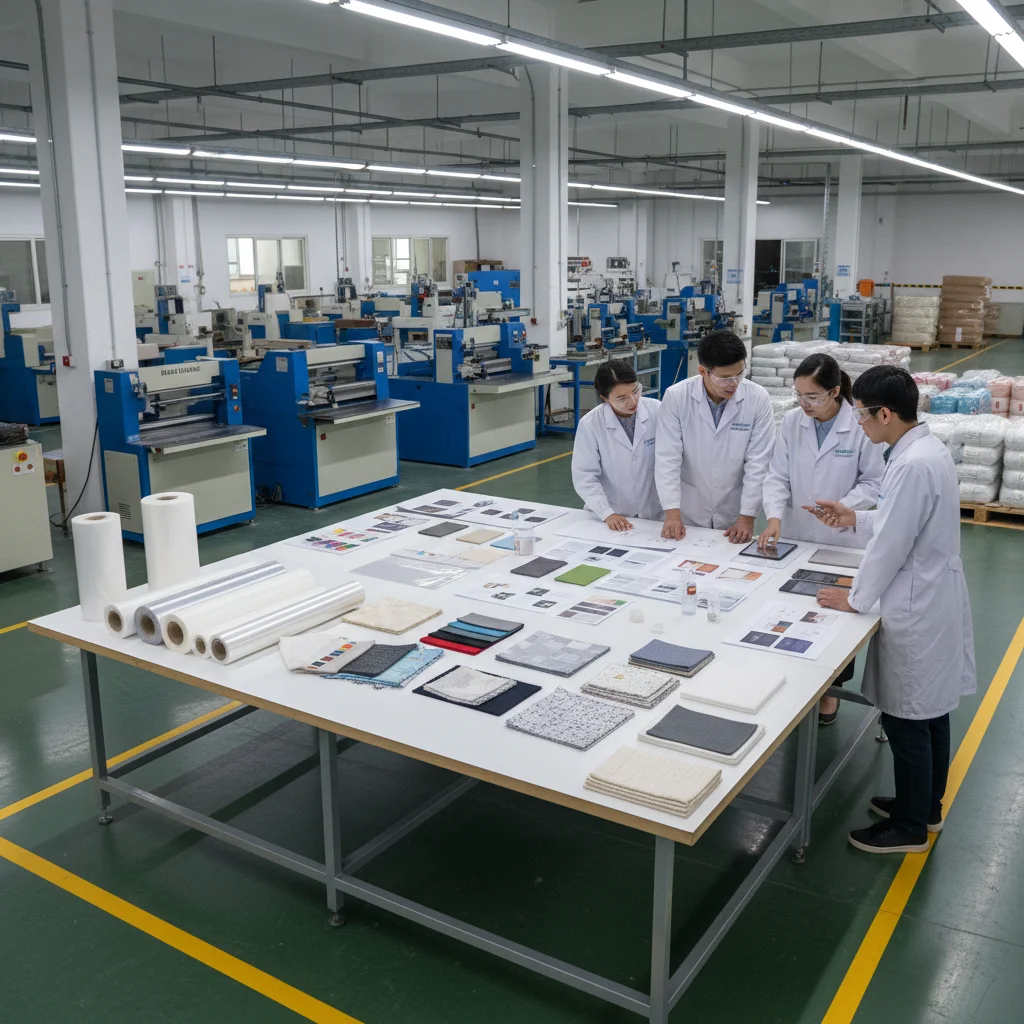
Hubei Huanfu Plastic runs five factories across Hubei Province. The main facility sits at No. 188 Wangfu Street in Chenhu Town, Hanchuan. Walk through their 5-factory network. You’ll see over 1,500 sewing machines running at once. Four spunbond polypropylene lines produce 9,000-10,000 tons of non-woven fabric each year. Two CPE film extruder lines add 2,000+ tons of waterproof materials per year.
1,200-1,500 workers keep production moving. Fifteen QA/QC inspectors check each batch before shipping. This quality control is key for 60,000-unit batches sent to hotel chains on three continents.
Their specialty is variety at scale:
– Bouffant caps , doctor caps, pleated caps, round caps
– Surgical masks, dust masks, disposable face protection
– Isolation gowns, lab coats , coveralls (SMS material)
– Shoe covers, boot covers, sleeve covers, aprons
Certifications stack up : ISO 9001, ISO 13485, CE, FDA, SGS UK approval. Medical-grade standards cover all 200+ disposable product variants . Hospitals get the same quality controls for shower caps as they do for surgical gowns.
Export started in 2015 . Today over 90% of production ships to other countries. They reach North America, Southeast Asia, Western Europe, the Middle East, and Africa. FOB and CIF terms are standard. You can pay by LC, T/T, or D/P.
Lead times vary by season : Peak periods need 15 workdays or less . Off-season orders ship in one month . Their US$50-100 million annual output keeps inventory ready. Large orders won’t slow down production.
Contact them for OEM/ODM work. Their 11-20 R&D staff handle custom designs and full development. Share your cap specs, material needs, and branding details up front. Their foreign trading team (4-10 staff) sends back detailed quotes and sample timelines.
Product Material and Size Selection Guide
Material choice affects whether your disposable shower caps get positive reviews or end up in the trash. PE costs less but feels stiff on foreheads. LDPE bends without cracking after 50 uses. PVC handles bleach spills in salons. Silicone stretches over wet hair without leaving red marks. Cotton blends breathe but soak through in long showers.
Match material properties to how you’ll use the caps.
Material Performance Comparison
PE (
Polyethylene
) blocks 100% of water. Zero leaks. But it feels rigid on skin. Guests notice the stiffness in 15-minute showers. Cost sits lowest at baseline 1.0. About 70% gets recycled in areas with good infrastructure. Hotel chains ordering 500,000 units save $12,000 compared to LDPE. The stiffness matters less with daily turnover.
LDPE (Low-Density Polyethylene) adds flexibility. It wraps hair without pulling. The softer feel costs 20% more than standard PE. Biodegradable options exist now. Commercial composting facilities are still limited, though. Spas using LDPE for multi-day guests get fewer complaints. The material lasts 10-20 uses before the elastic wears out.
PVC (Polyvinyl Chloride) resists chemical damage. Salon colorists prefer it. Hair bleach and ammonia don’t break it down. The surface stays smooth and glossy. Cost runs 50% above PE. Environmental concerns exist—chlorine-based making creates toxic byproducts. Few recycling programs accept PVC shower caps. Pick this option if chemical resistance beats green goals.
Silicone delivers premium comfort. It stretches 50%+ without tearing. Guests with thick, textured hair need this stretch. No red pressure marks after use. Price jumps 150% higher than PE. Silicone lasts 100+ uses with proper care. Luxury hotels and high-end salons justify the cost through guest satisfaction scores.
Cotton blends focus on breathability over waterproofing. They absorb 20-30% of moisture. Use them for dry styling or dust protection. Not for real showers. Cost lands 80% above PE. Natural fibers attract eco-conscious buyers. They compost completely in 90-180 days.
Size Specifications That Fit Right
Diameter ranges from 3.75″ to 17.5″ (9.5-44.5cm). Three measurements matter more than advertised sizes:
- D10 : 90% of caps measure larger than this (≤3.75″)
- D50 : The median size—half larger, half smaller (10.65″)
- D90 : Just 10% exceed this diameter (≤17.5″)
Span parameter (D90-D10)/D50 ≤0.5 shows consistent sizing. Narrow distribution means predictable fit across your order. Wide spans create waste—some caps too tight, others too loose.
Tolerance sits at ±10% from D50. A 100μm spec delivers 90-110μm. Tighten this for medical use. Relax it for hotel amenities. Roundness >0.8 and aspect ratio <1.5 prevent oval shapes that slip sideways.
Match Size to Hair Volume
Sparse hair (3.75-7.5″) : Short pixie cuts and thinning hair need small diameters. Elastic must stretch >20% to stay secure without pressure. Oversized caps slide off wet heads.
Medium volume (7.5-12″) : Shoulder-length styles and average thickness. Standard PE or LDPE works here. Rigid materials hold shape. Moderate elastic keeps cost down.
Thick or textured hair (12-17.5″) : Long braids, afros, and voluminous curls demand large sizes. Silicone stretches >50% to fit bulk. PE cracks under this stress. Budget the premium—complaints cost more than material upgrades.
Disposable vs. Reusable Economics
Single-use PVC costs ¥0.50 per use. Hotels serving 200 rooms spend ¥36,500 each year (100% waste rate). Hygiene standards require this in medical settings. Fresh caps prevent cross-contamination.
Reusable PVC starts at ¥2.00 but survives 50+ uses. Total cost per use: ¥0.04. That’s 96% savings over disposables. Break-even happens at 30 uses. Home users and small spas benefit most. Commercial laundries clean them between guests.
Formula : Total Cost = Initial Price ÷ Number of Uses
Track real use cycles. Elastic breakdown ends reuse before material fails. Replace once stretch retention drops below 60% of original.
Medical-Grade LDPE vs. Standard Hotel PE
Purity levels separate these types. Medical LDPE exceeds 99.5% purity. Hotel PE contains 95-98%. The extra contaminants don’t affect shower protection. They matter for sterile surgical settings.
Certifications include USP Class VI and FDA approval for medical grade. Standard PE follows GB consumer safety standards. No sterilization validation exists. Surgeons can’t use hotel-grade caps in operating rooms.
Tolerance tightens for medical use. D50 variance stays within ±5%. Hotel specs allow ±15%. Tighter control costs more to make. Pay for precision just where regulations demand it.
Durability reaches 100 autoclave cycles for medical LDPE. Standard PE breaks down after 10-20 uses. Heat and steam destroy molecular chains faster in lower-grade polymers.
Selection Process for Bulk Orders
Step 1 : Gather usage data from your target demographic. What percentage of guests use shower caps? Break this down by gender, age range, and region. Business travelers behave different from leisure guests.
Step 2 : Check environmental conditions. Indoor pools add chlorine exposure. Humid climates need stronger elastic. Dry regions allow lighter materials.
Step 3 : Set particle size specs. Define D10, D50, and D90 based on your guest hair profiles. Calculate span parameters. Reject suppliers exceeding 0.5 spread.
Step 4 : Compare material properties against your priorities. Weigh cost, comfort, durability, and environmental impact. Run small test batches with real users. Feedback beats specs on paper.
Step 5 : Document final specs in structured formats. Group products by size and material. Assign clear product IDs. This makes reordering and quality checks easier.
Cost Impact of Size Tolerance
Packaging dimensions drive material usage. A 10% increase in average cap size raises material costs 15%. Tighter making tolerances reduce this waste. But precision equipment costs more upfront.
Measurement error grows across large orders. A ±15% tolerance on 100,000 units creates 30,000 caps outside ideal specs. Tightening to ±5% cuts this waste to 10,000 units. Calculate whether the premium pays for itself through fewer returns and complaints.
Performance specs should account for real-world variance. Build 20% safety margins into critical dimensions. Elastic must stretch beyond the maximum expected hair volume. Waterproofing should exceed typical shower duration stress tests.
Market Trends and Supply Chain Insights for 2026
 Global trade is slowing down, but don’t panic about your shower cap sourcing. The numbers tell a clear story. Smart buyers can use this data.
World GDP growth stays at 2.4% through 2026. That matches 2025’s pace. But global merchandise trade? It drops to 0.5% growth —down from 2.4% the year before. This gap matters. Your suppliers deal with these shifts every day.
China’s Manufacturing Momentum Creates Buyer Advantages
China’s economy beats developed markets by a wide margin. Growth projections hit 4.6%-4.8% . The Eurozone limps along at 1.1% . The US manages 1.6% . China drives about 30% of global economic expansion in 2026. This steady growth keeps your supplier factories running at full capacity.
High-tech manufacturing investment grows faster than overall capital spending. Product iteration cycles get shorter. Manufacturers upgrade production lines more often. For you? Newer equipment makes your shower caps with tighter tolerances. Defect rates drop.
Export strength spreads beyond US markets. Chinese suppliers ship to non-US destinations with growing success. This strategy protects your supply chain from single-market disruptions. Morntrip and Hubei Huanfu already export to 80-120+ countries . Their geographic spread cuts your dependency risk.
AI Reshapes Manufacturing Floor Economics
AI jumps from generative tools to autonomous agent systems in 2026. Multi-agent coordination optimizes entire production workflows—not just single tasks. This shift drives down unit costs. Quality control improves at the same time.
Watch for these AI applications hitting shower cap production:
– Real-time defect detection catches flaws before batch completion
– Predictive maintenance cuts equipment downtime by 15-25%
– Dynamic scheduling adapts to material availability and order priorities
– Flexible manufacturing systems switch between cap sizes without manual retooling
China’s AI advantage comes from three factors. Dense manufacturing ecosystems provide rich training data. Aggressive policy support funds R&D. Ample capital flows into physical AI applications. Suppliers investing here gain productivity edges. Those edges translate to better pricing for you.
Semiconductor and biotech industries lead AI-driven R&D efficiency gains. These innovations reach hygiene product makers within 18-24 months. The factories you partner with in 2026 will operate much differently by 2028. Ask suppliers about their automation roadmaps during talks.
Trade Policy Creates Selective Pressures
US tariff policies continue into 2026. Developed economies tighten immigration rules at the same time. Political tensions stay high. These friction points stick around.
But they create opportunities for prepared buyers. Suppliers with multi-country production give you flexibility. A factory network across China, Vietnam, and India lets you shift sourcing based on tariff changes. Companies like Kimirica have established operations in India. This gives you options.
Request country-of-origin certificates during your RFQ process. Check production locations beyond marketing claims. Suppliers who exaggerate their geographic reach get exposed. Just ask for facility addresses and audit access.
What This Means For Your 2026 Procurement?
Lock in multi-year contracts with escalation clauses tied to actual input costs—not vague inflation indexes. Raw material prices for PE and LDPE stay stable. Your agreements should reflect this reality.
Focus on suppliers showing AI adoption and automation investments. Their efficiency gains protect your margins. Tariffs or material costs can spike without warning. You need that buffer.
Spread your supplier base across two or three countries. Don’t put all volume with one factory. Their pricing might look great today. Build relationships with backup sources before you need them.
The suppliers who thrive in 2026’s climate mix three things: financial stability, technology adoption, and geographic flexibility. Your shortlist should reflect these priorities—not just lowest unit price.
Conclusion
Choosing the right shower cap supplier in 2026 is about more than price. This guide compares verified manufacturers by capacity, certification, materials, and long-term reliability, helping hotels, spas, and B2B buyers reduce risk and source with confidence. Need customized shower caps or related disposable products? Contact us for a tailored quotation that fits your exact requirements.