

Staring at disposable coveralls and wondering if Tyvek 400 is enough for pesticide work? This guide focuses only on Tyvek 400—what its Type 5/6 protection really means for flea aerosol sprays and bifenthrin applications. We explain when Tyvek 400 coverall works, when it doesn’t, and when you need higher-level protection.
Tyvek 400 Material Technology and Protection Mechanism
DuPont makes Tyvek 400 from flash-spun high-density polyethylene. Picture thousands of continuous filaments bonded together. No weaving. No knitting. This creates a nonwoven fabric that’s different from laminated materials.
Protection happens at the structural level. Each filament creates natural gaps. These gaps block particles down to 1.0 micron. That’s smaller than most pesticide droplets you’ll face. Most aerosol particles, too. Microporous film coveralls use a thin membrane. Tyvek’s barrier is the fabric itself. Scratch it. Bend it. The protection stays strong. There’s no coating to wear off.
Physical Performance That Matters
Here’s what the Tyvek 400 coverall suit handles in real conditions:
Thickness and weight : Tyvek 400 measures 5.9 mils (140 µm) thick. It weighs 1.2 oz per square yard. You get lightweight protection without the flimsy feel. Work a full day without feeling wrapped in plastic.
Strength where it counts : The fabric holds 18 pounds per inch in one direction. It holds 22 pounds in the cross direction before tearing. Seams withstand over 19 pounds of force. This matters during overhead reaching. It matters during repeated kneeling in application work.
Liquid resistance : Water-based pesticide formulations bead up on the surface. The hydrostatic head rating hits 45 inches of water pressure. This resists light liquid splashes well. But here’s the critical part—exposure time changes things. Liquid pressure changes things. A quick splash acts differently from long contact with wet vegetation.
Flexibility in extreme conditions : The material stays flexible down to -73°C. It doesn’t melt until 135°C. For pesticide work, the suit performs the same in summer heat. It performs the same in the spring cold.
The Anti-Static Component
Surface resistivity measures below 2.5 × 10⁹ ohms at standard conditions. This anti-static property matters for flammable aerosols. The suit won’t create dangerous static charges during application.
The EN 14325 Type classification confirms these are verified performance standards. Not marketing claims.
Bifenthrin Chemical Properties and Tyvek 400 Compatibility Analysis
You’ll find bifenthrin in concentrate bottles at farm supply stores and pest control trucks nationwide. The technical name looks scary: C₂₃H₂₂ClF₃O₂. But what really matters? What this chemical does to your skin—and whether your protective suit blocks it.
This synthetic pyrethroid shows up as a white crystalline solid or thick liquid. Commercial versions look amber or light brown. The smell is mild—sometimes a bit sweet, often hard to detect. This mild appearance hides a strong insecticide. Bifenthrin attacks insect nervous systems. It irritates human skin on contact.
The Chemical Behavior That Affects Protection
The molecular weight hits 422.87 g/mol. That’s a big molecule compared to many solvents that can penetrate. Big molecules have a harder time getting through barrier fabrics. But molecular size is just one piece of the protection puzzle.
Solubility shows the real challenge. Bifenthrin dissolves well in nonpolar organic solvents. Acetone, chloroform, toluene—it mixes with these fast. Water solubility? Almost zero at 0.0001 g/L. This fat-loving nature means bifenthrin likes fatty substances over water. Your skin’s natural oils pull it in. Water-repellent fabric surfaces don’t guarantee they’ll block it.
The vapor pressure stays low at 2.4 × 10⁻⁵ Pa at room temperature. Bifenthrin won’t evaporate fast from surfaces. You spray it, and droplets stay liquid longer. Longer contact time with protective gear raises the risk that it will seep through. The chemical keeps trying to get through instead of evaporating.
Temperature adds another layer. The melting point ranges from 68°C to 79.6°C, depending on the mix. Summer heat won’t melt the active ingredient. But it may speed up how fast it gets through any fabric barrier. Heat speeds up chemical movement through materials.
The Documentation Gap You Should Know About
Here’s the frustrating part: No test data exists for bifenthrin against Tyvek 400 material. DuPont keeps big chemical resistance databases. Bifenthrin isn’t in their Tyvek 400 charts. No breakthrough time. No permeation rate. No degradation studies.
We looked through safety data sheets, technical bulletins, and third-party testing reports. Searching “bifenthrin” and “Tyvek 400” together? Zero performance data. This gap doesn’t prove they’re incompatible. It shows something worse—we don’t know.
What we can guess from basic chemistry: Bifenthrin dissolves in non-polar solvents. This suggests it might interact with polyethylene at the molecular level. Tyvek 400’s high-density polyethylene structure stops many chemicals. But polyethylene shares some traits with the solvents that dissolve bifenthrin.
The Type 5/6 rating confirms it blocks particles and light liquid splashes. Bifenthrin concentrates often have petroleum distillates or other carrier solvents. These carriers may seep through faster than the active ingredient. The suit stops the physical droplet. The chemical inside that droplet? Different story.
Skin irritation label (H315) under GHS standards means direct contact harms you. Even small amounts getting through fabric gaps or seeping through create exposure risk. The “harmful if swallowed” rating (H302) tells you this chemical needs careful handling.
Flea Aerosol Formulations and Particle Size Protection
Type 5/6 Certification Standards Explained
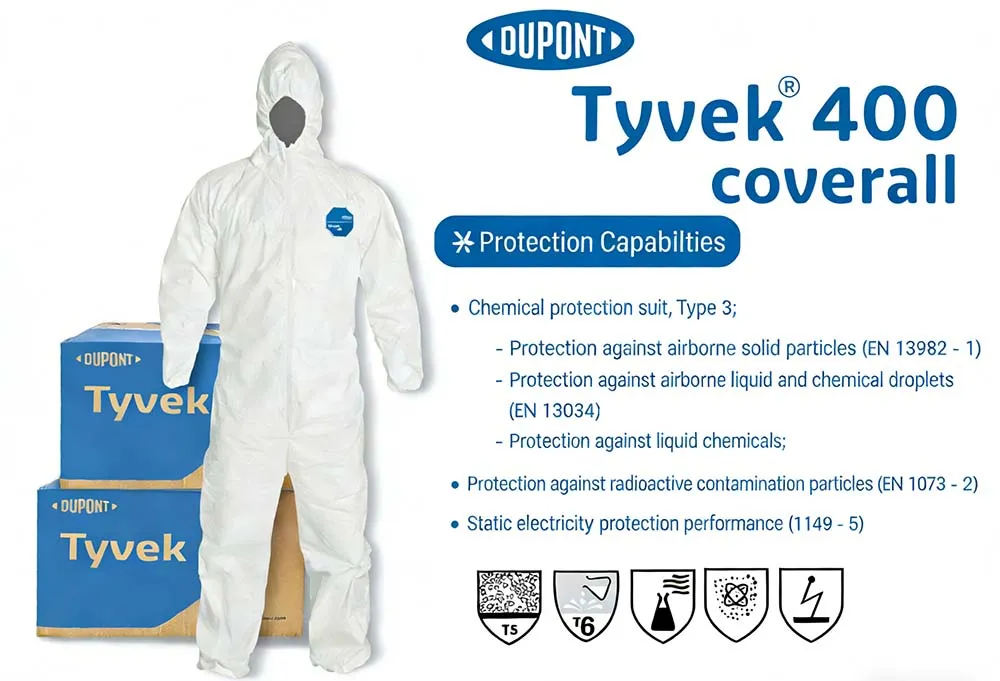
EN ISO 13982-1 and EN 13034 standards aren’t marketing fluff. They’re lab-tested benchmarks. Real protection versus fabric costumes—these standards show the difference.
Type 5 certification blocks airborne solid particles. The standard (EN ISO 13982-1:2004 + A1:2010) requires full-body protection against hazardous dust and fibers. Mixing bifenthrin powder concentrate? That needs Type 5. Disturbing attic insulation during pest treatment? Type 5. Any scenario where dry chemicals float in the air? Type 5.
Type 6 certification handles light liquid chemical splashes under EN 13034. This covers spray drift from flea treatments. The accidental concentrate spill while filling your tank. The backpack sprayer drip that hits your forearm.
The Real Testing Behind The Numbers
Here’s what happens in certification labs. A test subject wears the disposable coverall inside a spray cabin filled with particles. They walk on a treadmill. They do three different exercises. Sensors measure how many particles get inside the suit.
Pass criteria are strict : Particle inward leakage must stay below 30%. Total inward leakage—through closures, seams, and fabric—cannot exceed 15%. This mimics real work conditions. Not some static mannequin test.
Liquid testing follows EN ISO 6530 protocols. Labs measure fabric repellency. They also check how fast liquids soak through under pressure. Tyvek 400’s anti-static coating on both sides meets EN 1149-1:2006 and EN 1149-5:2008 standards. This stops dangerous static buildup while handling flammable aerosol products.
Extra Certifications That Add Protection
Tyvek 400 often carries extra certifications. EN 14126 approval means protection against infectious agents. Useful for spaces contaminated with rodent droppings or bird mites. EN 1073-2 (Class 1) covers nuclear particles. EN ISO 14116 ensures limited flame spread. The fabric won’t feed a fire near ignition sources.
Six-step review backs these certifications. Independent bodies sample products. They test characteristics. They review reports. They make certification decisions. They license the marks you see on packaging. Then come ongoing checks—annual factory audits, random market testing, quality system reviews. Certification isn’t a one-time stamp.
Certification bodies must meet EN 45011:1998 (ISO 65). This standard governs their processes and procedures. You’re not trusting one company’s claims. You’re trusting a regulated testing framework. Accountability measures are built in.
Where to Use Pesticide Protection?

Bifenthrin and flea aerosols appear in very different settings. A homeowner sprays baseboards. A pest control tech treats a whole apartment building. A farm worker walks through crop rows. Each job needs a different level of protection awareness.
Farm Field Applications
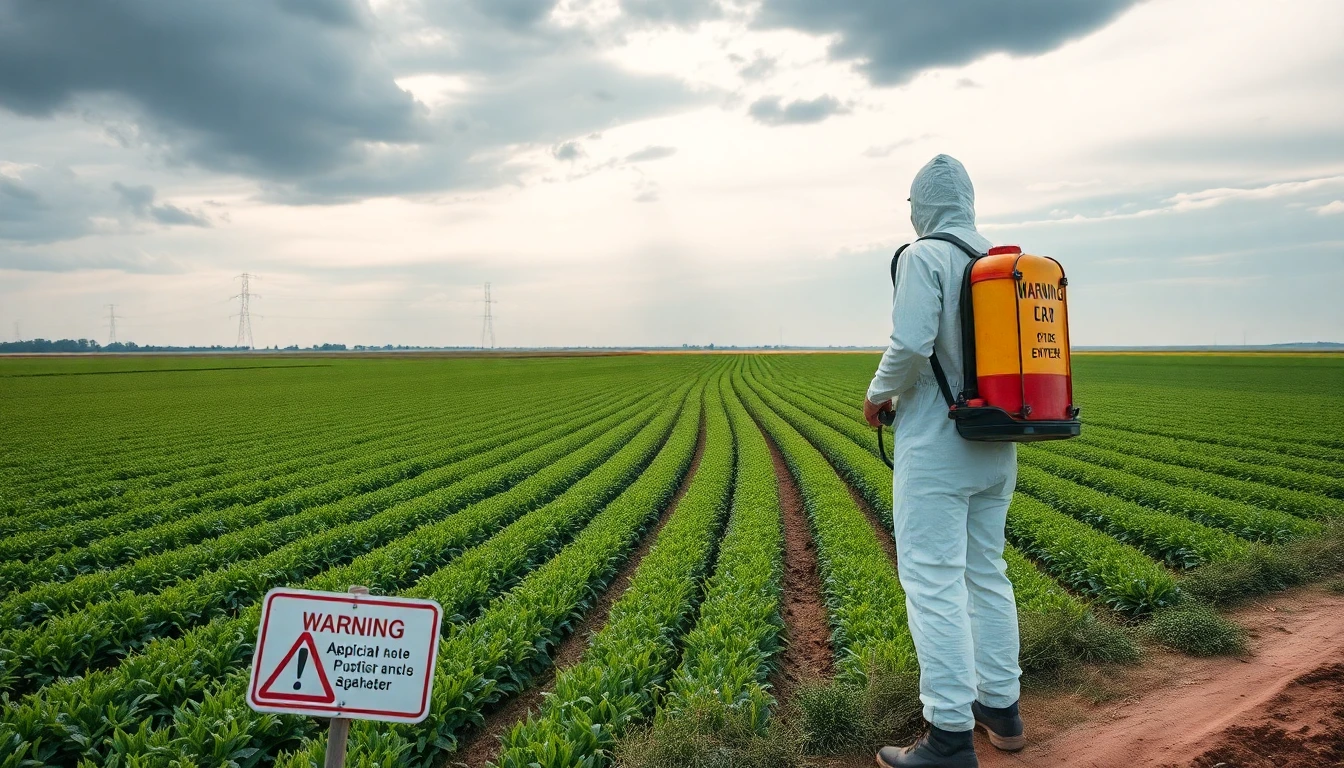
Large farm crop protection creates the biggest exposure risk. Georgia farm data shows 85% of farmers apply pesticides at ground speeds below 16.1 kph. That’s slow. Spray drift catches you at that speed. Another 85% keep boom heights under 76.2 cm. Low booms put you right in the spray zone.
Tyvek 400 suit handles this job well—but with limits. The Type 5 rating blocks particles during dry chemical mixing. Walking through treated fields after spraying? The suit stops contaminated dust from touching your skin. Active spraying is different.
Spray volumes hit 95-114 liters per hectare for insecticides in typical Georgia operations. That’s a lot of liquid exposure. Herbicides and fungicides run even higher at 113-140 L/ha. Tyvek 400’s Type 6 protection covers light splash. “Light” is key here. Direct spray from broken equipment or wind shift? That’s beyond what the suit can handle.
The data shows more problems: 65% of growers use GPS and rate controllers. Equipment without precision control creates uneven spraying. You get hot spots. You get overlapping passes. You get unexpected high-concentration zones. 52% use no advanced spray technology at all. Manual application brings human error—too much chemical, backflow, and nozzle clogs that cause bursts.
Home and Business Pest Control
Indoor flea treatments create different exposure. Aerosol particles float in closed spaces. You spray baseboards, under furniture, and carpet edges. The particles stay in the room air for minutes.
Tyvek 400 works great here. The tiny-pore barrier blocks aerosol drops well. Indoor temperatures stay comfortable. Application times are short—30-45 minutes per standard room. The suit breathes well. This matters because you move a lot. You reach. You kneel. You spray under furniture. Heavy suits would soak you in sweat.
37.7% of pesticide workers never use PPE at all. This number from application safety studies shows the real problem. Gear failure isn’t the issue. People skip protection. The ones who do wear PPE? Practice rate 61.3% good overall. That “good” rating includes correct wearing, keeping the suit intact, and proper disposal.
Mixing Concentrated Chemicals
This job needs maximum care. You work with undiluted chemicals. Bifenthrin concentrate contains 7.9% active ingredient in petroleum distillates. Pour it wrong, and you’re exposed to the insecticide and the carrier solvents.
Tyvek 400 gives basic protection during mixing. The anti-static properties prevent spark risks near flammable carriers. The liquid splash resistance stops at first contact. What can’t it stop? Long contact time. Concentrate soaks into the fabric and sits against your skin for minutes. Permeation happens.
Smart practices matter more than the suit: Mix at correct dilution rates using label instructions. Increase pressure or volume for better coverage—not concentration. Use proper nozzle types. 33.3% of applicants show good knowledge of safe application. The knowledge gap hurts protection more than fabric limits.
Know Your Exposure Time
Short-term splash protection works. Walking through light drift works. But standing in active spray zones? Working with wet, saturated plants? Exposure beyond 30 minutes with liquid chemicals? That’s where Tyvek 400 hits its limits. The suit blocks particles well. It resists light liquid contact. It can’t guarantee protection against heavy or long chemical contact.
Pesticides hit 94-96% of US crop acres. The application volume is huge. Your specific job determines if Tyvek 400 gives real protection or false security.
Critical Safety Warnings and Limits For Tyvek 400 Coveralls
No manufacturer’s label tells you everything. Tyvek 400 has clear limits that matter more than any certification stamp. Know where protection stops and where danger begins. This knowledge can save your health.
What Tyvek 400 Cannot Do?
This suit gives zero protection against concentrated liquid chemicals. Pour bifenthrin concentrate on the fabric and let it sit? The chemical will get through. The tiny pores block particles and resist light splashes. But the suit cannot form a watertight seal under sustained contact or pressure.
High-pressure spray systems go beyond what this suit can handle. The 45-inch hydrostatic head rating means forceful spray can push chemicals through the barrier. Backpack sprayers at low pressure? Those work fine. Commercial boom sprayers with multiple nozzles creating fast streams? The suit fails there.
Breakthrough time data doesn’t exist for most pesticides. DuPont tests Tyvek 400 against common industrial chemicals. Farm pesticides—newer formulas with special carriers and surfactants—lack documented rates for how fast they get through. You work without a safety net with untested chemicals.
The Type 6 classification states “limited protection.” That word “limited” carries legal weight. It means short exposure to light liquid splash. Nothing more. Regulatory agencies define this as random contact, not constant exposure.
Critical Time Limits
Take off the coverall right after contamination. Every minute liquid chemicals sit against the fabric increases risk increases. The 30-minute mark represents a critical point for many chemical exposures. Work sessions going beyond this need suit changes even without visible contamination.
Never reuse the suit after chemical contact. The fabric keeps its structure after exposure. But chemicals soak into the polyethylene. You can’t wash them out. You can’t clean Tyvek 400. One use, then throw it away. This isn’t a waste—it’s safety protocol.
Environmental Conditions That Break Down Protection
Extreme heat breaks down chemical resistance. Summer temperatures above 35°C speed up how fast chemicals get through. Your body heat adds another layer. The space inside the suit can hit 45°C during active work. This temperature gap speeds up chemical breakthrough.
High humidity creates a different problem. Sweaty skin absorbs chemicals faster than dry skin. The suit breathes well, which helps comfort but creates risk. Moisture carries dissolved chemicals through tiny gaps at seams and closures.
Physical damage from work creates instant weak points. Kneeling on rough concrete. Brushing against sharp plants. Catching the fabric on equipment corners. Each tear, hole, or scrape opens a direct path through the barrier.
Required Extra Protection
Tyvek 400 alone doesn’t give complete protection. The coverall design leaves gaps at wrists, ankles, and neck. These openings need sealed connections with gloves, boots, and breathing equipment. Chemical-resistant nitrile gloves rated for pesticide use are required. Standard latex gloves fail against petroleum-based carriers in many products.
Breathing protection covers what the suit never does—what you inhale. Tiny particles that stay in the air bypass coverall protection. A fitted N95 respirator is the minimum for breathing defense. Organic vapor cartridges are needed for high-concentration formulas in enclosed spaces.
The Reporting Gap You Should Know
No required incident reporting exists for disposable protective coverall failures in home settings. Commercial applicators follow OSHA regulations requiring exposure records. Homeowners and small operators work without oversight. Does your Tyvek 400 allow chemical contact that causes skin irritation? No database tracks it. No recall process exists. No manufacturer gets notified.
This creates a blind spot. We don’t know the real-world failure rate. We don’t know which pesticides cause breakthroughs. The safety data relies on lab testing against standard chemicals—not the exact products you spray.
Legal Limits of Liability
Product labels include limit clauses. DuPont’s technical documents state Tyvek 400 provides protection “when worn correctly and for the intended use.” That phrase “intended use” excludes many real-world situations. The legal standard requires you to decide if your chemicals and exposure conditions match the suit’s tested limits.
You take the risk where data doesn’t exist. No test results for bifenthrin getting through Tyvek 400? You’re making an educated guess about protection. That guess might be right. It might not. The manufacturer’s liability ends where testing data stops.
Conclusion
Tyvek 400 offers reliable protection against bifenthrin and flea aerosols when used for its intended tasks—light spraying, residential pest control, and controlled exposure. It works well in moderate-risk situations, but concentrated mixing or long spray time requires higher protection. Always check the MSDS, exposure time, and suit fit.
Need the right solution? Customize your disposable coveralls to match your real working conditions.