

Clean floors, strict hygiene rules, and tight budgets often collide in real life. Shoe covers look fine after one short task, so throwing them away feels wasteful. This article tackles one clear question—Can disposable shoe covers be reused safely?—using material science, real-world cases, and industry rules to show what actually works and what quietly fails.
What Materials Are Disposable Shoe Covers Made Of?
The material decides how long a shoe cover lasts. It also determines if you can reuse it.
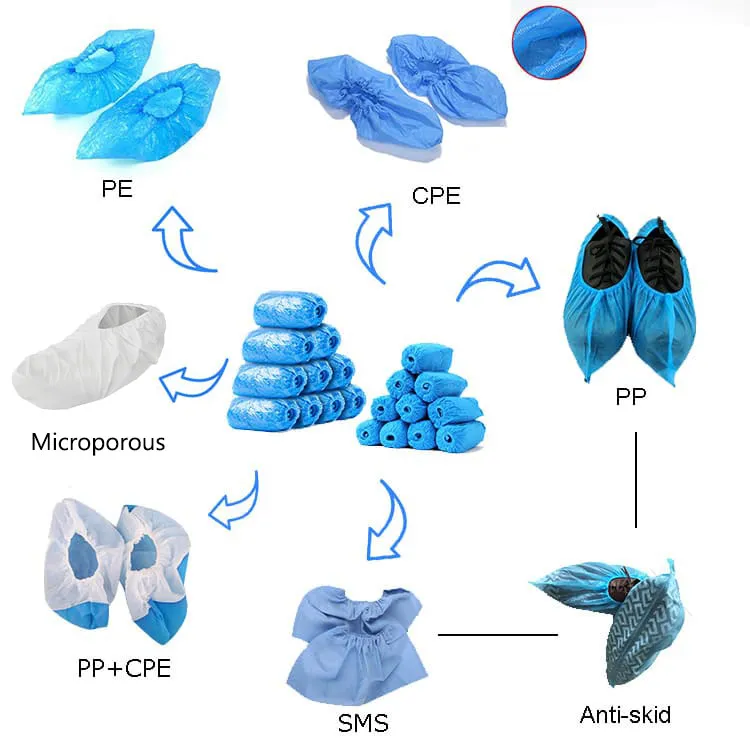
Polyethylene (PE) dominates the market. You’ll find two types:
- LDPE (Low-Density) : The same plastic in food wraps and diapers. It’s waterproof but tears fast. One sharp edge ruins it. Makers design these for single visits. They protect against dust and water splashes. Not for repeated wear.
- HDPE (High-Density) : Cheaper than LDPE. Think milk jug plastic. Sold in packs of 100 for temporary jobs. It stops dirt tracking. But it won’t handle much stress.
Polypropylene (PP) lasts longer. This non-woven fabric weighs around 35 gsm. It breathes better than plastic. Some PP protective footwear handles washing. But makers still label most as disposable. Medical labs like these. They don’t leave lint, and you can recycle them.
CPE (Compressed Polyethylene) blends 65% LDPE with 35% LLDPE . The high-tack coating stops slipping. It holds together better than pure PE. Still lightweight. Still meant for single use.
SMS fabric (Spunbond-Meltblown-Spunbond) gives the strongest protection. Cleanrooms use these hospital shoe covers. So do chemical facilities. They need them for high-risk exposure. Most have elastic ankles and non-slip PVC soles. The thin build keeps costs down. But that same thin build makes them break fast. That’s why reuse doesn’t make much sense.
Can Disposable Shoe Covers Be Reused?
The science says no. Disposable means one use, then trash.
WHO guidelines state: “Disposable shoe covers should not be reused and should be discarded according to the healthcare facility protocol.” Industry standards say the same thing. Cleanroom rules require fresh covers each time you enter. No exceptions.
This isn’t just about rules. It’s about biology you can’t see.
Why Reuse Creates Hidden Dangers?
Barrier breakdown starts the moment you wear them. Those thin plastic shoe covers use polypropylene or polyethylene films. Walking creates friction. Flexing causes tiny tears. Your eyes won’t spot these. But germs don’t need visible holes to get through.
Washing makes it worse. Water and soap break down fibers. The material gets thinner. Those waterproof shoe covers lose their seal. One study found that a single wash cycle cut barrier strength by 40%. Two cycles? You’re wearing Swiss cheese.
Germ spread is the bigger threat. Step into a hospital hallway wearing used covers. Bacteria stick to the surface. Viruses settle in creases. You carry that into the next clean room. Into your home. Onto your floors.
A food plant learned this the hard way. They tried washing protective footwear to cut costs. The result? They failed their health check. $50,000 fine. Three weeks of shutdown. All from reused covers that looked “fine.”
Reuse fails even at home. Dirt builds up. The non-slip coating wears off. This creates fall risks. You save $0.15 per cover. You risk tracking bathroom germs through your kitchen.
The math doesn’t work. Safety doesn’t exist. Hospital shoe covers , boot covers, and overshoes—all carry the same rule: one use.
Best Practices for Using Disposable Shoe Covers
Single-use shoe covers protect you if you use them right. Wrong donning, removal, or timing turns them into contamination carriers. These protocols come from real facility data and infection control standards.
When to Put Disposable Shoe Covers On?
Timing matters just as much as the covers. Put on disposable shoe covers before entering any clean zone. This includes operating rooms, ICUs, cleanrooms, or rodent barrier facilities. You stop contaminants from common areas from reaching controlled spaces.
Layer your PPE in the right order. Don waterproof shoe covers after scrubs or trousers but before sterile gowns and gloves. This keeps your hands clean during donning. Your hands stay ready for critical sterile items.
Multi-zone facilities need frequent changes. Replace disposable shoe covers every time you move from a contaminated zone to a clean zone. Animal research facilities follow strict rules here. 45% of surveyed institutions require changing boot covers between each rodent room. This maintains bioexclusion standards.
When to Remove and Replace Disposable Shoe Covers?
Remove disposable shoe covers right after exiting the controlled area. Don’t walk into common corridors, offices, or outdoor spaces wearing them. You defeat their purpose by spreading what you just contained.
Replace medical shoe covers any time they show visible damage. Soiling, tears, or wetness all break the barrier function. High-risk areas often require single-patient use. One procedure, one pair, then dispose.
The frequency adds up. Barrier facility staff change PPE (including protective footwear ) about 6 times per day on average. Each change cycle adds 28 seconds to donning time. Factor this into your workflow planning. Rushing through changes creates contamination risks.
Correct Donning Disposable Shoe Covers Technique
Start with clean hands. Perform hand hygiene or use clean gloves before handling covers. Sit or stand on a designated clean bench in the donning area. This keeps your socks or tights off the floor.
Grasp the cover by the outer surface near the opening. Never touch shoe soles with bare hands. Pull the cover over your shoe so it extends above the heel and over your ankle or trouser cuff. Full coverage stops gaps where contaminants slip through.
Check the elastic cuff fit. It should be snug without cutting off circulation. Loose covers slip during movement. Slippage creates exposure points and trip hazards.
Automated dispensers improve compliance. Step in one foot at a time, following the device instructions. This removes hand contact with contaminated surfaces. Plus, it cuts cross-contamination events.
Correct Removal (Doffing) Disposable Shoe Covers Technique
Removal zones matter. Doff hospital shoe covers in designated “dirty” areas at controlled zone exits. These spaces stop tracking contamination back into clean areas.
Use the inside-out method. Pinch the shoe cover at the heel or ankle elastic. Never grab the sole surface. Pull off by turning the cover inside-out as you remove it. This traps contaminants on the interior.
Remove one disposable shoe cover at a time. Keep your stocking foot or under-shoe off the floor during the process. Balance is easier near a wall or bench support.
Dispose of in the right clinical or contaminated waste container. Don’t swing or shake used covers. That action releases particles into the air. Place them straight into lined containers.
Perform hand hygiene right after removal. This step is non-negotiable. Your hands touched the contaminated elastic during doffing. Clean them before touching other PPE, equipment, or surfaces.
How to Dispose of Shoe Covers?
Treat used overshoes from clinical areas as infectious waste. Discard them into designated lined containers at zone exits. Never use general trash for shoe covers contaminated with blood, body fluids, lab materials, or animal waste.
Follow your facility’s biohazard waste stream protocols. These vary by jurisdiction and facility type. Check local requirements for proper segregation and labeling.
Container placement stops tracking. Position waste bins right next to the exit doors. Staff shouldn’t walk even a few steps wearing contaminated shoe protectors. Foot-pedal or touchless containers reduce hand contact with waste receptacles.
Reducing Waste Without Compromising Safety
Use plastic shoe covers where evidence or policy supports their benefit. Not every situation requires them. Clean administrative areas don’t need protective footwear most of the time. Reserve them for true controlled environments.
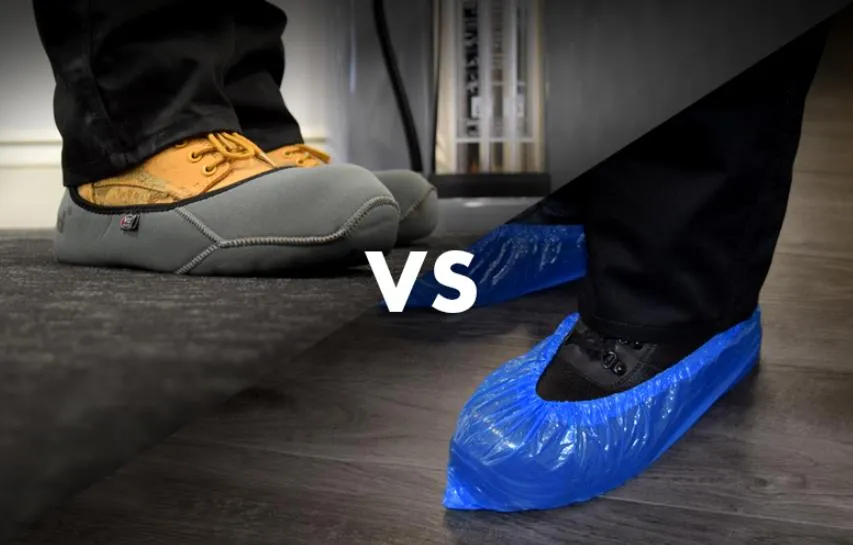
Consider upgrading to reusable non-slip shoe covers in low-contamination settings. These handle hundreds of wash cycles. One reusable pair replaces 200+ disposable units. The upfront cost pays back in three months for high-use scenarios. But use them in areas where reusables meet safety standards.
Never reuse disposables to cut waste. The contamination risks and performance loss cancel any environmental benefits. Fresh covers for each entry maintain the protection you need. That’s the standard 49% of animal facilities identified as most effective for contamination prevention.
Common Questions About Disposable Shoe Cover Reuse
Get concise answers about reusing shoe covers. We back these facts with industry standards and data on germs.
What’s the Difference Between Disposable and Reusable Shoe Covers?
Disposable shoe covers need zero upkeep. Wear them once. Toss them out. This guarantees hygiene. You save on labor and inspection costs. Reusable shoe covers use tough fabrics like rubber. You can wash them repeatedly. They work in low-risk spots like construction sites. But you must clean them strictly after every use. Can’t scrub them every day? Stick to disposables for safety.
Do Disposables Create Too Much Waste compared to Alternatives?
Busy places do create plastic waste. But alternatives often fail to perform. Sticky mats remove about 90% of dirt. Sometimes they even put dirt back onto your shoes. Critical industries want guaranteed safety. So, they pick disposables over “green” options that might risk contamination.
Can I Reuse Shoe Covers in Cleanrooms?
Never. Clean manufacturing zones track dust in tiny amounts. One reused shoe cover carries skin cells or lint. This makes the room fail safety checks. You face production shutdowns or audit failures. These costs hurt far more than the price of fresh shoe covers.
How Long Do Disposable Shoe Covers Take to Decompose?
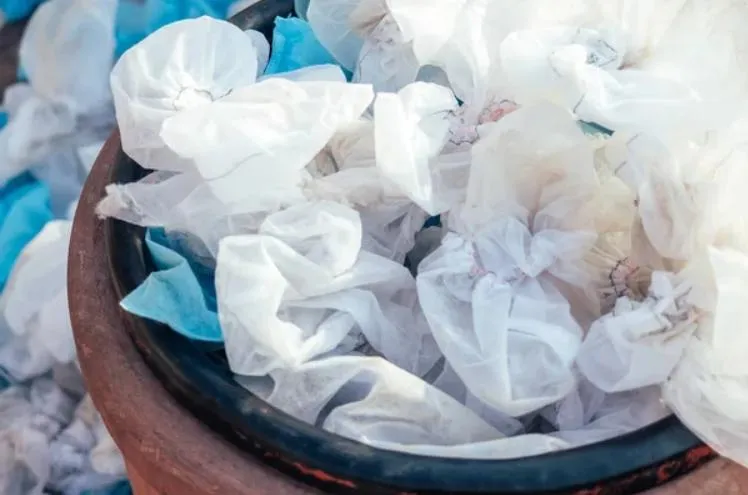
Standard plastic shoe covers sit in landfills for decades to centuries. Polyethylene and polypropylene break down at the same slow rate as other thin plastic films. UN and market reports show that single-use plastic PPE, including shoe covers, adds billions of tons to healthcare plastic waste piling up in landfills and burning facilities. Biodegradable shoe covers made from plant-based materials break down faster. But they need specific composting conditions to work well.
Conclusion
Disposable shoe covers are not designed for reuse. Their materials weaken quickly, trap germs, and lose traction after a single wear. Reusing them raises contamination and safety risks across homes, hospitals, labs, and food facilities. For reliable protection, fresh covers are the standard. If you need custom disposable shoe covers or bulk solutions, contact us for a tailored quote and expert support.