

Freezer shifts get tough fast—numb hands, stiff joints, and heavy layers that still don’t stop the cold. Many workers wonder why their gear never seems warm enough. That’s where Refrigiwear coveralls for freezer work make a real difference. This guide highlights the 5 best options so you can stay warm, flexible, and protected through every low-temperature task.
Why Choose RefrigiWear Coveralls for Freezer Work?
RefrigiWear coveralls are a top choice for freezer work because they combine durability, insulation, and specialized cold-weather design. These coveralls are made to handle extreme cold, often rated for temperatures down to -55°F. This makes them ideal for working in freezer rooms or cold storage.
Superior Insulation and Materials
RefrigiWear uses high-density polyester insulation (between 280g to 330g per garment) to keep you warm. The outer shell is made of strong polyamide or nylon, which resists tears and abrasion. It also has water-repellent and wind-tight finishes that block cold drafts and moisture.
Practical Design for Cold Environments
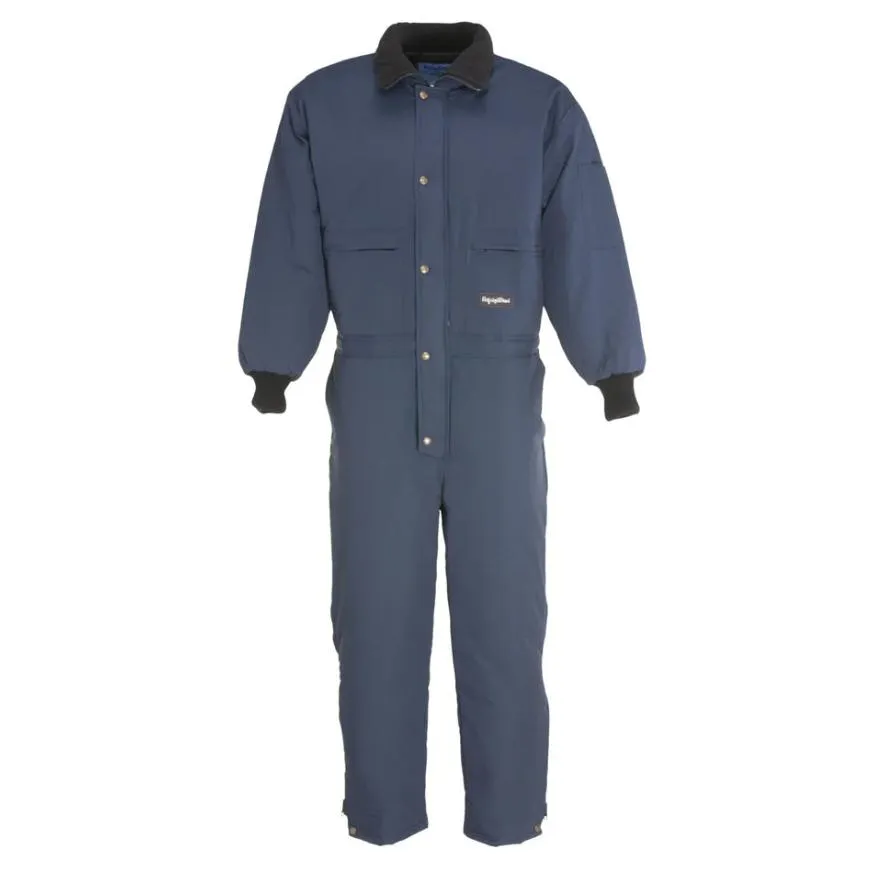
These coveralls include multiple layers and lining options like fleece or pongee to boost warmth. Important details like bound seams, reinforced stress points, and heavy-duty zippers add to their toughness. For comfort and safety, they feature reflective tape, high collars with faux fur lining, and draft-sealing cuffs and waistbands.
User Feedback and Benefits
Workers report that RefrigiWear coveralls provide excellent protection and comfort during long shifts in freezing conditions. The design also includes multiple pockets, radio loops, and pen stalls, making them practical for daily use on the job. Overall, these coveralls ensure reliable performance and long-lasting wear in cold storage and freezer work.
5 Recommended RefrigiWear Coveralls for Freezer Work
Here are five of the best RefrigiWear coveralls for freezer work, covering a range of temperatures and budgets. These models are widely used in cold storage, food processing, and outdoor winter jobs.
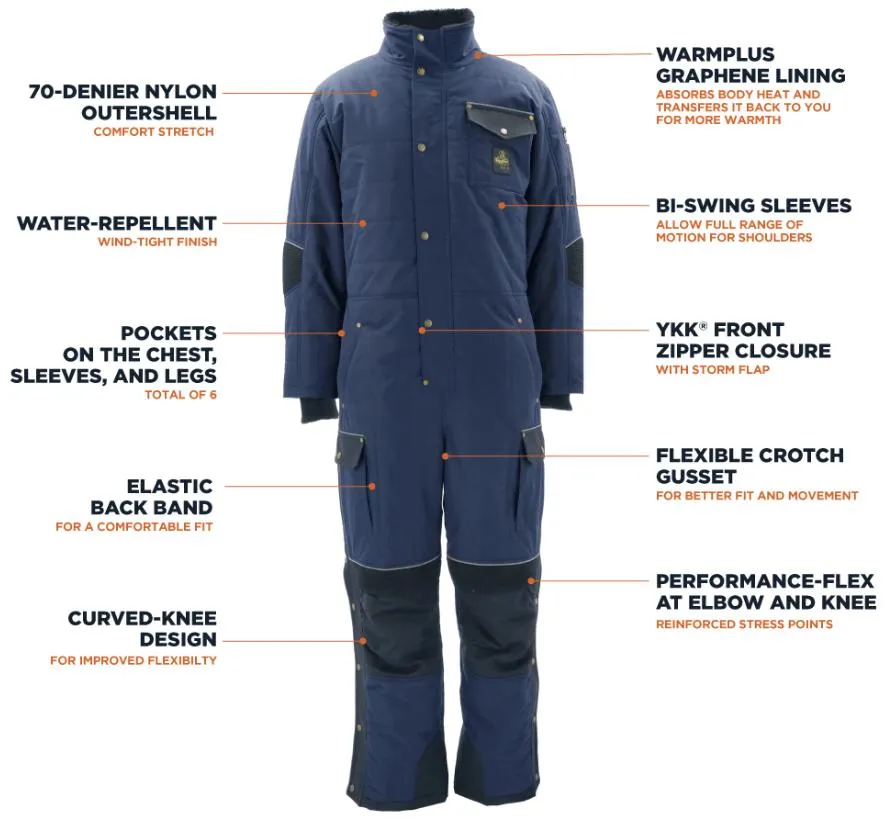
1. RefrigiWear 54 Gold Insulated Coveralls
Comfort Rating: About −50°F
Best For: Extreme freezers, subzero outdoor jobs, long shifts
Why workers like them:
- High-loft synthetic insulation
- Durable nylon shell that resists tearing
- Storm flaps and knit cuffs to block wind
- Multiple pockets: hand-warmer, sleeve, chest, and cargo
- Reflective details for better visibility
These insulated coveralls provide powerful warmth and are one of the best choices for harsh, cold environments.
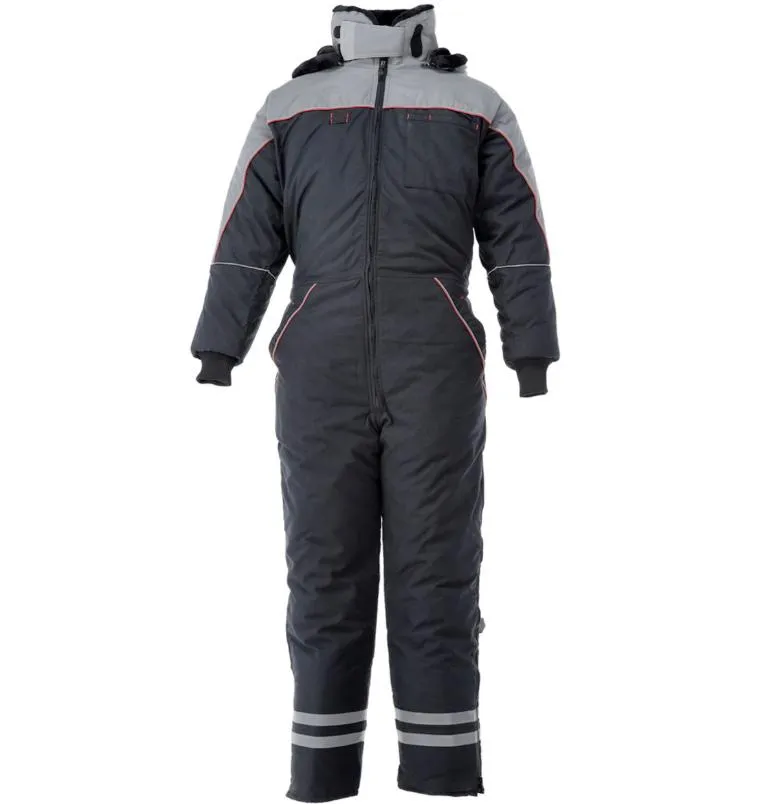
2. RefrigiWear Polar Ultimate Freezer Coveralls
Comfort Rating: −50°F to −55°F
Best For: Industrial deep freezers and long cold-storage shifts
Features:
- Extra-thick polyester insulation
- Abrasion-resistant shell
- Highly insulated collar for neck warmth
- Many pockets for tools and devices
- Reflective trim for safety in low-light aisles
This is a true “ freezer coverall suit ” for people who work full shifts at extremely low temperatures.
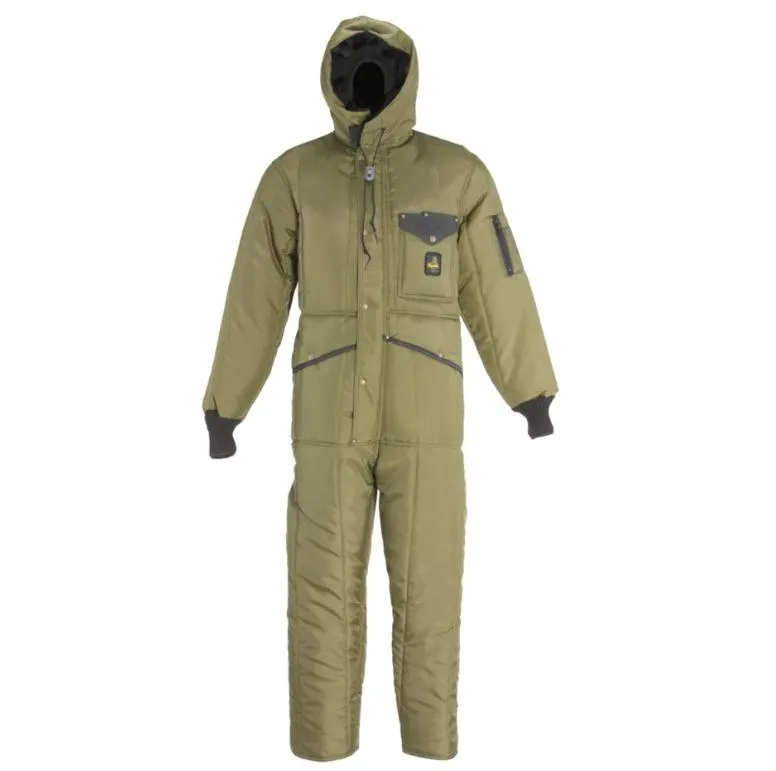
3. Iron-Tuff Coveralls with Hood
Comfort Rating: About −50°F
Best For: Blast freezers, outdoor winter construction, rough work settings
Highlights:
- 400D or similar high-denier nylon shell
- Thick insulation with bound seams
- Fleece-lined hood for extra warmth
- Storm flap covers the front zipper to block drafts
- Large insulated pockets
Known for long-lasting durability, Iron-Tuff is a favorite for heavy-duty cold environments.
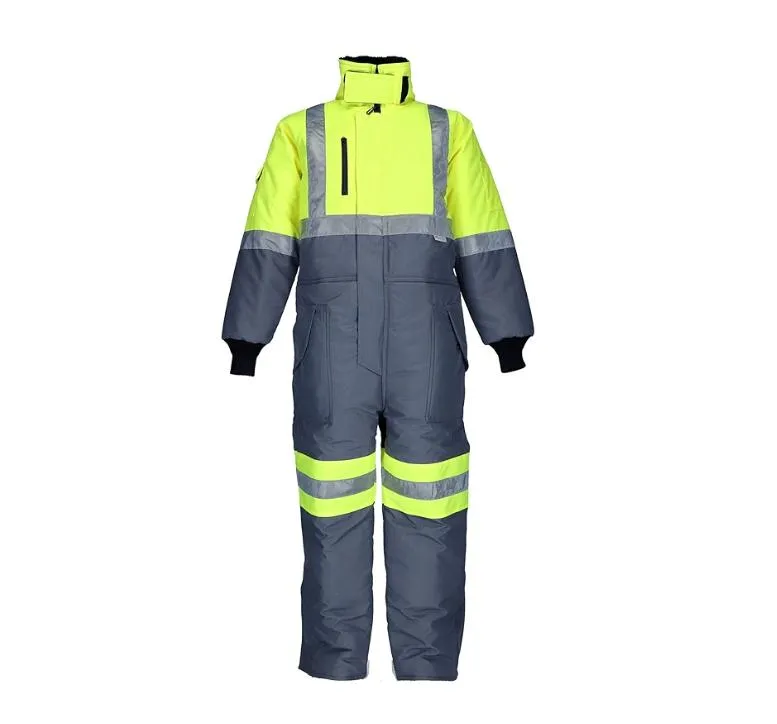
4. Freezer Edge Coveralls
Comfort Rating: −30°F
Best For: Regular cold storage, loading docks, frozen food warehouses
Features:
- Polyester ripstop shell
- Water-repellent and wind-tight
- Above-knee zippers for easy boot entry
- High-visibility panels for safety around forklifts
- Lighter and more flexible than extreme-cold suits
Great choice for workers who don’t need the bulk of −50°F coveralls.
5. ComfortGuard or ChillBreaker Coveralls
Comfort Rating:
- ComfortGuard: around −10°F
- ChillBreaker: around 0°F
Best For: Cooler rooms, mixed environments, light freezer tasks
Benefits:
- Good mobility
- Lighter insulation for easier movement
- Water-repellent shells
- Comfortable for jobs where you switch between warm and cold areas
Perfect for short freezer entries or workers who move frequently between different temperature zones.
How to Choose Among Them?
For extreme blast freezers or sustained −20 °F and below, focus on 54 Gold, Polar Ultimate, or Iron‑Tuff.
For typical warehouse freezers around −10 to 0 °F, Freezer Edge is usually enough; for coolers or mixed environments, ComfortGuard/ChillBreaker balances warmth and mobility.
Always match the work coverall’s comfort rating to your lowest expected temperature and activity level, and allow room for base layers without restricting movement.
How to Choose the Best RefrigiWear Coveralls for Freezer Work?
When selecting RefrigiWear coveralls for freezer work, it’s important to consider warmth, durability, insulation, and specific work needs. Coveralls should protect you in extremely cold environments while allowing enough movement for your tasks.
Key Factors to Consider
Warmth and Comfort Rating
Look for coveralls with comfort ratings matching your freezer’s temperature. Options range from -20°F to -55°F, with heavier insulation (up to 330g polyester) for colder conditions.
Material and Durability
Strong, abrasion-resistant shells like nylon or ripstop polyester ensure long-lasting use. Features like reinforced knees and heel patches help withstand wear during work.
Fit and Flexibility
Some coveralls include stretch panels and ergonomic designs for ease of movement, ideal for active tasks in cold environments.
Safety Features
HiVis models include reflective tape meeting ANSI standards, improving visibility in low-light freezer areas.
User-Friendly Details
Well-placed pockets, water-repellent finishes, and designs that allow easy layering enhance comfort and practicality on the job.
Matching Coveralls to Your Work Environment
For extreme cold (below -40°F), consider Iron-Tuff™ or PolarForce® coveralls with heavyweight insulation and windproof shells.
For moderate cold work (-20°F to -30°F), Extreme Softshell or Insulated Softshell Bib Coveralls offer lightweight warmth with high mobility.
When working in low visibility and busy freezer spaces , HiVis Freezer Coveralls with reflective tape provide safety and insulation.
Who Needs RefrigiWear Freezer Coveralls?
RefrigiWear freezer coveralls are built for workers exposed to extreme cold daily. These include:
Cold storage workers in warehouses where temperatures drop as low as -40°F (-40°C).
Logistics teams handling frozen goods outside or in cold docks.
Maintenance and janitorial staff moving in and out of freezing areas.
Jobs and Industries Using RefrigiWear Coveralls
The coveralls are ideal for:
Food processing and packaging workers are transitioning between dry and frozen storage.
Forklift operators and warehouse staff are moving goods at freezing temperatures.
Equipment repair technicians working on machinery in cold rooms.
Outdoor winter workers, delivery drivers, and construction teams in cold climates.
Public works employees handling infrastructure in freezing weather.
Key Features That Meet Job Demands
RefrigiWear coveralls offer:
Insulation rated for safe use in temperatures down to -30°F or lower.
Water-repellent and wind-tight outer shells paired with moisture-wicking inner linings.
Reinforced heels for better durability on slippery, abrasive floors.
Above-knee leg zippers make it easy to put on coveralls over boots.
Multiple utility pockets for tools and gear.
Reflective tape and ANSI high-visibility compliance to keep workers safe in low light.
Why RefrigiWear?
These coveralls provide dependable warmth and safety, even in extreme conditions. For example, crews building the Trans-Alaska Pipeline wore RefrigiWear to stay protected during extended exposure to severe cold. For anyone working below freezing, these insulated coveralls are designed to maintain comfort, mobility, and visibility all day long.
How to Care for Your Insulated Freezer Coveralls?
Proper care extends the life and effectiveness of your insulated freezer coveralls. Follow these simple steps to maintain their insulation and waterproof features.
Washing Tips for Insulated Coveralls
Wash coveralls separately using mild detergent and warm water below 104°F.
Avoid fabric softeners, starch, and dryer sheets as they damage the fibers.
Machine dry for no more than 10 minutes on the lowest heat setting. Then hang to air dry completely.
Never dry-clean insulated coveralls because it breaks down the insulation.
For regular use, wash every 2-3 weeks. Spot clean with a soft brush or damp cloth between washes.
Storage and Maintenance
Store coveralls in a cool, dry place away from sunlight to keep the fabric strong.
Fold or hang them properly to avoid creases that destroy insulation.
Rotate between multiple coveralls to reduce wear on each garment.
Regular Inspections and Repairs
Check coveralls after each use for frayed seams, holes, tears, and damaged zippers or buttons.
Fix small damages immediately using patches or repair kits to avoid loss of insulation and waterproofing.
FAQ: RefrigiWear Coveralls for Freezer Work
1. How warm are RefrigiWear coveralls?
RefrigiWear coveralls are built for serious freezer work and can handle extremely low temperatures. Many of the heavy-duty models are comfort-rated from −50°F to −55°F, which is cold enough for industrial freezers, deep-freeze warehouses, and harsh winter outdoor jobs. Their thick insulation, wind-tight shells, and warm inner linings help your body keep heat even when you stand still for long periods. Lighter models are available for moderate cold if you don’t need extreme insulation.
2. What temperature rating do I need for freezer work?
The temperature rating you need depends on how cold your work area gets and how long you stay inside. For below −40°F, choose top models like Iron-Tuff, Polar Ultimate, or 54 Gold. For −20°F to −30°F, Freezer Edge is usually enough. For −10°F to 0°F, ComfortGuard or ChillBreaker works well. Always match the rating to the coldest part of your shift because the right insulation helps prevent numbness, fatigue, and unsafe working conditions.
3. Are RefrigiWear coveralls waterproof?
RefrigiWear coveralls are not fully waterproof, but they are made with water-repellent shells that protect you from melted ice, snow, and light moisture commonly found in freezer environments. The fabric helps stop water from soaking in and keeps your body warm by blocking cold wind and drafts. While this is perfect for freezer work, the coveralls are not designed for heavy rain or long exposure to wet weather, so outdoor workers may need extra layers in rainy conditions.
4. Can I wear layers under freezer coveralls?
Yes, layering under RefrigiWear coveralls is common and even recommended for long freezer shifts. Many workers wear a thermal base layer, fleece shirt, or warm sweatshirt underneath for extra comfort. As long as the coveralls have enough room for movement, layers help trap more heat and keep your body stable during long tasks. Make sure the coveralls don’t feel too tight, because tight clothing reduces insulation and makes bending, lifting, and reaching more difficult in cold environments.
5. What is the difference between Iron-Tuff and Polar Ultimate coveralls?
Iron-Tuff coveralls are known for their tough 400D nylon shells and long-lasting durability, making them a top choice for heavy industrial work and blast freezers. Polar Ultimate coveralls, on the other hand, focus more on maximum warmth and comfort, offering higher-loft insulation and extra padding around cold-sensitive areas like the neck and chest. If you need long-term toughness, go Iron-Tuff. If you want the warmest, most comfortable experience for deep-freeze shifts, choose Polar Ultimate.
6. Are RefrigiWear coveralls good for forklift operators?
Yes, RefrigiWear coveralls are a great choice for forklift operators working in freezer rooms or cold storage. Many models include reflective tape, HiVis colors, and bright panels that help drivers stay visible in low-light freezer aisles. The insulation keeps operators warm during long stationary periods, while features like action backs and flexible knees allow comfortable movement when stepping in and out of forklifts. These features make the coveralls both safe and practical for all-day equipment operation.
7. Do RefrigiWear coveralls restrict movement?
RefrigiWear designs its coveralls to stay warm without limiting mobility. Many models include stretch panels, action-back shoulders, flexible knees, and gusseted designs that let you bend, lift, and reach easily. Even though the insulation is thick, the suit is shaped so the warmth doesn’t come at the cost of comfort. Movement is especially important in freezer work because workers often lift boxes, climb ladders, or operate equipment, so having good flexibility helps prevent fatigue and strain.
8. How long do RefrigiWear coveralls last?
With proper care, RefrigiWear coveralls can last several years, even in daily freezer environments. Their strong nylon shells, reinforced seams, and durable zippers hold up well against wear from pallets, boxes, and equipment. How long they last depends on how often you use them and how harsh your work environment is. Regular washing, proper storage, and quick repairs on small tears help extend their life. Many workers report their coveralls staying effective for multiple cold seasons.
9. What industries use RefrigiWear coveralls?
RefrigiWear coveralls are widely used in cold-storage warehouses, frozen food distribution, grocery logistics, meat and seafood processing, and ice-cream production facilities. They are also common in outdoor winter jobs such as construction, public works, utilities, and maintenance in very cold climates. Any industry where temperatures stay below freezing benefits from RefrigiWear gear because the insulation, durability, and wind protection help workers stay productive and safe during long exposure to cold conditions.
10. How do I know if the coveralls fit correctly?
A proper fit should give you enough room to move comfortably while still keeping warm air close to your body. The coveralls should zip up smoothly without pulling at the shoulders or waist, and the cuffs should seal well to block drafts. You should be able to bend, lift, and reach without feeling restricted. If the insulation feels too tight or your movement is limited, sizing up is usually a better option for freezer work.
11. Are RefrigiWear coveralls safe for low-visibility areas?
Yes, many RefrigiWear coveralls are designed specifically for low-visibility freezer aisles and busy warehouse environments. Models with HiVis colors and ANSI-rated reflective tape help workers stay visible around forklifts, pallet jacks, and heavy equipment. This is especially helpful in large cold-storage facilities where lighting is dim, and workers often move quickly between aisles. The bright, reflective details improve safety and reduce the risk of accidents while still offering strong insulation and cold protection.