
China Disposable Plastic Gloves Manufacturer
From industrial work to food safety, our high-quality plastic pe gloves meet diverse protection and hygiene needs across multiple industries. As a reliable plastic gloves supplier, we offer flexible packaging options, private labeling services, consistent global supply, and dedicated support, making us the preferred choice for businesses and distributors worldwide seeking dependable hand protection solutions.
-
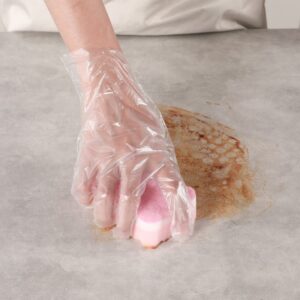
Cheap Price Household Disposable Plastic Gloves for Kitchen Cooking Cleaning Food Service – Protective, Lightweight, Hygienic, Multipurpose, Comfortable, Durable
-

Disposable TPE Gloves Food Safe Strong Hygiene Control Comfortable Flexible Design for Food Handling Kitchen Prep Packaging Lines Restaurant Use Cleaning Daily Protection Commercial Work
Plastic Gloves Manufacturer
Reliable protection starts with our high-quality plastic gloves, crafted by an experienced plastic glove manufacturer. Designed for industrial, food, and general-use applications, our gloves provide comfort and safety for every task. Disposable and durable options are available, all manufactured under strict quality standards. With flexible packaging, private labeling, and consistent production capacity, we support wholesalers and distributors in meeting their supply needs efficiently. Our gloves combine performance, reliability, and versatility, making them the trusted choice for businesses worldwide seeking a dependable glove manufacturer.
Frequently Asked Questions About Plastic Gloves
Common questions often come up when buyers and users search for disposable hand protection. The answers below address usage, safety, materials, sizing, and sourcing to support better decision-making. Whether gloves are needed for food handling, cleaning, retail, or light industrial tasks, these explanations offer clear and practical guidance. The information is designed to reduce confusion, highlight proper applications, and help businesses choose suitable products based on real working conditions and supply needs.
1. What are plastic gloves used for?
Plastic gloves are commonly chosen for tasks that need basic hand protection and frequent changes during daily work. They are widely used in food preparation, food packaging, cleaning services, retail counters, and light-duty industrial environments. These gloves help reduce direct hand contact with food, surfaces, or light contaminants, supporting hygiene practices. Because they are easy to put on and remove, they are suitable for fast-paced workplaces. Many businesses prefer them for short-term tasks that do not involve sharp tools, strong chemicals, or heavy pressure. Their low cost makes them practical for high-volume use, especially where gloves must be replaced often to maintain cleanliness and safety standards.
2. Are plastic gloves safe for food contact?
When produced from food-grade materials and manufactured under proper quality systems, plastic gloves are considered safe for direct food contact. They are often used when handling ready-to-eat foods, bakery items, fruits, and vegetables. These gloves act as a simple barrier that helps reduce the transfer of bacteria or oils from hands to food. It is important to source gloves from reliable manufacturers that follow food safety regulations and hygiene controls. Gloves should be clean, odor-free, and free from harmful substances. Proper use also matters, including changing gloves regularly and washing hands before wearing them to maintain food safety.
3. Can plastic gloves be used for industrial work?
Plastic gloves can be used in certain light industrial settings where the risks are minimal and tasks are not physically demanding. Common applications include assembly work, product inspection, packing, and general handling. They help keep hands clean and prevent contact with dust or light moisture. However, these gloves are not designed to protect against cuts, punctures, or hazardous chemicals. For heavy industrial tasks or environments with higher safety risks, stronger glove materials should be selected. Choosing the right glove depends on the job requirements, risk level, and duration of use in the workplace.
4. Are plastic gloves disposable?
Yes, plastic gloves are intended for single use and should be disposed of after each task. Disposable use helps prevent cross-contamination and supports hygiene standards in food service, cleaning, and retail environments. Reusing gloves is not recommended because they are thin and can tear easily after use. Once removed, contaminants may remain on the surface, increasing hygiene risks. Proper disposal after each use ensures cleaner working conditions and protects both workers and customers. Single-use gloves are especially important in settings where gloves must be changed frequently throughout the day.
5. What is the difference between plastic gloves and nitrile gloves?
The main difference lies in durability, protection level, and intended use. Plastic gloves are lightweight, loose-fitting, and designed for short tasks that require frequent changes. Nitrile gloves provide better strength, flexibility, and resistance to punctures and chemicals. They fit more closely to the hand and offer improved control. While plastic options are suitable for low-risk applications such as food handling and basic cleaning, nitrile gloves are preferred for medical, industrial, or chemical environments. Selecting the right glove type depends on the task, exposure risks, and required performance.
6. Do plastic gloves contain latex?
Plastic gloves are latex-free, making them a suitable choice for users who have latex allergies or sensitivities. This feature is especially important in food service and workplaces where allergy risks must be carefully managed. Latex-free gloves help reduce the chance of allergic reactions for both employees and customers. Most of these gloves are made from polyethylene materials, which do not contain natural rubber proteins. Buyers should still confirm product specifications from the supplier to ensure compliance with latex-free requirements and relevant safety standards.
7. Are plastic gloves waterproof?
Plastic gloves provide basic waterproof protection and help prevent hands from direct contact with water, oils, or light liquids. This makes them useful for short cleaning tasks, food preparation, and handling wet items. However, they are not designed for long-term exposure to liquids or for use with hot water and harsh chemicals. Extended use may cause the material to weaken or tear. For tasks that involve prolonged liquid contact, gloves made from stronger materials are a better choice. These gloves perform best when used briefly and replaced frequently.
8. Can plastic gloves be recycled?
In most cases, plastic gloves are not recyclable because they are often contaminated after use. Food residue, grease, or cleaning chemicals make recycling difficult through standard waste systems. Local disposal regulations may vary, so businesses should follow regional waste management guidelines. Used gloves are generally treated as general waste to maintain hygiene and safety. To reduce environmental impact, companies often focus on responsible use, avoiding unnecessary glove changes, and choosing suppliers that follow responsible manufacturing practices. Proper disposal remains important for workplace cleanliness.
9. What sizes are available for plastic gloves?
Plastic gloves are commonly available in standard sizes such as small, medium, large, and extra-large. Some designs feature a loose fit that can accommodate different hand sizes, making them convenient for shared work environments. Proper sizing improves comfort and ease of movement during tasks. Gloves that are too tight may tear more easily, while overly loose gloves can reduce control. Reputable suppliers provide clear size information to help buyers select the right option for their staff or customers, especially in high-use environments.
10. How do I choose the right plastic gloves supplier?
Choosing the right supplier involves evaluating product consistency, production capacity, and compliance with safety standards. A reliable supplier should offer stable quality, clear specifications, and dependable delivery schedules. Support for bulk orders, flexible packaging, and private labeling is also important for distributors and brand owners. Transparent communication and responsive customer service add long-term value. Working with an experienced manufacturer or supplier helps ensure reliable supply, competitive pricing, and consistent product performance across different markets and applications.
Contact Us